The Power of Protein: Why It Matters for Your Health Beyond the Gym.

When you hear the word protein, what comes to mind? For many people, it is gym workouts, fitness goals, or building muscle. But protein is not just for athletes or people who spend hours in the gym. It is something our bodies need every day to stay strong, healthy, and supported.

Following on from my previous blog about muscle mass, I wanted to explore the important role protein plays in our overall wellbeing.

At Inside Out Wellbeing, I believe looking after our health starts with understanding our bodies and giving them the care they need. Nutrition is not about strict rules or trying to be perfect — it is about making choices that help us feel good, have energy, and support our wellbeing from the inside out.

Why Is Protein Important?

Protein is one of the essential nutrients our bodies rely on. It helps repair and maintain tissues, supports our muscles, and plays an important role in keeping our bodies functioning properly.

Our bodies are constantly working behind the scenes repairing cells, supporting our immune system, and helping us move, think, and recover. Protein provides the building blocks our bodies need for these everyday processes.

Protein and Maintaining Muscle Strength

As we get older, keeping our muscles strong becomes even more important. Muscle is not just about appearance; it supports the things we do every day, from carrying shopping bags to climbing stairs and staying active.

Including enough protein in our diet can help support:

  • Maintaining muscle strength
  • Recovery after activity
  • Mobility and independence
  • Healthy ageing

Looking after our muscles is one of the ways we can support our future health and continue doing the activities we enjoy.

Protein Is About More Than Muscle

While protein is well known for supporting muscle, its benefits go beyond that.

Protein can also help us:

  • Feel satisfied after meals
  • Maintain steady energy throughout the day
  • Support the body’s natural repair process
  • Create balanced and nourishing meals

When we eat well, we are not just feeding our bodies we are supporting our overall wellbeing.

Easy Ways to Add More Protein Into Your Meals

Adding protein to your meals does not need to be complicated or expensive.

Some everyday sources of protein include:

  • Greek yoghurt
  • Beans and lentils
  • Nuts and seeds
  • Tofu and other plant-based options

A simple way to start is by looking at your meals and asking:

Have I included something that will nourish and support my body?

Small changes can make a difference over time.

Finding Balance With Food

It is important to remember that nutrition is personal. What works for one person may not work for another, and there is no perfect way of eating.

Food should not create stress or guilt. It should be something that supports our health while still bringing enjoyment and connection.

A balanced approach is about listening to your body, making informed choices, and finding what works for you.

Final Thoughts

Protein is an important part of a healthy lifestyle, but it is only one piece of the wellbeing puzzle.

Alongside regular movement, good quality sleep, hydration, and looking after our mental health, nourishing our bodies with the right foods can help us feel stronger and more energised.

Our bodies support us through every stage of life. Taking care of them through simple, everyday choices is one of the greatest forms of self-care.

Small steps, consistent habits, and a little understanding can help us build a healthier relationship with our bodies from the inside out.


Understanding Muscle Mass: Key to Health Beyond Weight

If you’ve ever stepped on the scales and felt disappointed by the number looking back at you, you’re definitely not alone. But here’s something I often tell my clients: your weight is only one small piece of the puzzle.

Two people can weigh exactly the same, yet have completely different body compositions, energy levels and overall health. That’s because our bodies are made up of much more than just body fat. Muscle plays a huge role too.

Understanding your muscle mass can help you see your progress in a much more positive and realistic way, especially if your goal is to become stronger, healthier and more confident rather than simply losing weight.

So, what is muscle mass?

When we talk about muscle mass, we’re usually referring to skeletal muscle. These are the muscles attached to your bones that help you move, lift, walk, climb the stairs and carry out everyday tasks.

Unlike the muscle in your heart or digestive system, skeletal muscle responds to exercise and nutrition. It can become stronger, grow over time and, if we don’t use it, gradually decrease as we get older.

What does muscle mass percentage actually mean?

Muscle mass percentage is simply the proportion of your body weight made up of muscle.

For example, if you weigh 70 kg and 28 kg of that is muscle, your muscle mass percentage would be 40%.

While that sounds straightforward, it’s important not to get too caught up in the exact figure. Different body composition scales use different formulas, so your results can vary depending on the machine you’re using.

Instead of chasing a specific percentage, it’s much more useful to look at whether your muscle mass is staying the same or gradually improving over time.

Why is muscle so important?

Many people think building muscle is only for athletes or people who spend hours in the gym. In reality, muscle is something we all need, regardless of age or fitness level.

Having healthy muscle helps you:

  • Feel stronger in everyday life
  • Improve balance and coordination
  • Support your joints
  • Maintain good posture
  • Stay active as you get older
  • Make everyday tasks feel easier, from carrying shopping to climbing stairs

Muscle also uses energy to maintain itself, although its impact on metabolism is often smaller than social media would have you believe. The biggest benefit is how it supports your overall health, mobility and independence throughout life.

Does muscle naturally decrease with age?

Unfortunately, yes.

From around our thirties onwards, we gradually begin to lose muscle if we don’t actively work to maintain it. This happens slowly at first but tends to speed up later in life.

The good news is that this isn’t something you simply have to accept. Regular strength training and eating enough protein can make a real difference, helping you stay strong and active well into older age.

Is there an ideal muscle mass percentage?

This is one of the questions I get asked most often.

The honest answer is no.

There’s no single “perfect” muscle percentage because we’re all different. Your age, sex, genetics, lifestyle and activity levels all influence how much muscle you naturally carry.

Rather than comparing yourself to someone else online, it’s far more helpful to compare yourself to… well, yourself.

If you’re getting stronger, feeling fitter, recovering well and your body composition is improving over time, you’re moving in the right direction.

How can you measure your muscle mass?

Many people now own smart scales that estimate muscle mass using a method called bioelectrical impedance.

They’re quick, affordable and useful for spotting trends, but they’re not perfectly accurate. Your hydration levels, what you’ve eaten and even the time of day can all affect the reading.

If you’re using a smart scale, try to measure yourself under similar conditions each time so you can track progress more consistently.

For the most accurate assessment, clinics can offer DEXA scans, which provide a much more detailed breakdown of your body composition.

How can you build or maintain muscle?

The great news is that you don’t need to spend every evening in the gym.

Strength train regularly

The NHS recommends adults include muscle-strengthening activities at least twice a week.

That could be:

  • Lifting weights
  • Resistance bands
  • Pilates
  • Bodyweight exercises
  • Heavy gardening or manual work

The key is to challenge your muscles consistently and gradually increase the difficulty over time.

Eat enough protein

Protein gives your body the building blocks it needs to repair and maintain muscle.

Include a source of protein with each meal, such as:

  • Chicken or turkey
  • Fish
  • Eggs
  • Greek yoghurt
  • Cottage cheese
  • Beans
  • Lentils
  • Tofu
  • Tempeh

For people who regularly exercise or are looking to build muscle, protein needs may be higher than the general UK recommendation, so it’s worth discussing your individual requirements with a qualified professional.

Keep moving

Strength training is important, but so is staying active throughout the day.

Walking, cycling, swimming and other forms of movement all support your overall health and help keep your body functioning well.

Don’t forget recovery

Muscles don’t grow while you’re exercising—they adapt afterwards.

Getting enough sleep, managing stress, staying hydrated and allowing time to recover are all part of looking after your muscles.

The bottom line

Your muscle mass is just one measurement. It doesn’t define your health or your progress.

Instead of obsessing over a number on the scales or your body composition report, ask yourself a few simple questions.

Am I getting stronger?

Do I have more energy than I did a few months ago?

Can I do everyday tasks more easily?

Am I building habits I can actually stick to?

Those answers will usually tell you far more than any scale ever could.

At the end of the day, building and maintaining muscle isn’t about looking a certain way. It’s about feeling strong, staying healthy and giving your body the support it needs for years to come.

Fuelling the Calm: How Protein and Fiber Stabilise Your Mood

Have you ever noticed how a sugary breakfast leaves you feeling “on edge” by 11:00 AM? Or how skipping lunch makes you feel irritable, anxious, and unable to focus?

In the world of Inside Out Wellbeing, we often talk about meditation and mindset to find peace. Today, I want to talk about the physical foundation of your zen: Blood Sugar Stability.

The Rollercoaster of Mood

When we eat refined sugars or simple carbs alone, our blood sugar spikes and then crashes. This crash triggers a stress response in the body, releasing cortisol and adrenaline. Physically, this feels like anxiety. Mentally, it feels like burnout.

To find your calm, you need two secret weapons: Protein and Fiber.

1. Protein: The Building Block of “Happy” Hormones

Protein isn’t just for muscles. It provides the amino acids (like tryptophan) that your brain needs to produce Serotonin your feel-good hormone.

• The Inside Out Tip: Aim for a palm-sized portion of protein with every meal to keep your brain chemistry balanced.

2. Fiber: The Slow-Release Valve

Think of fiber as the brake for your digestion. It slows down the absorption of sugar into your bloodstream, preventing those spikes and crashes that leave you feeling shaky or moody.

The Inside Out Tip: Add a handful of leafy greens or chia seeds to your plate to “anchor” your energy.

The Calm Plate Formula

Next time you sit down to eat, ask yourself: Where is my protein? Where is my fiber? When you feed your body stability, your mind follows suit. You aren’t just eating for fuel; you are eating for peace.

🧘🏽‍♀️ Mindful Minute Reset

Before you take your first bite of your next meal, try this 30-second ritual to move from “Fight or Flight” into Rest and Digest.

1. Acknowledge (10 seconds): Look at your plate. Identify one source of protein and one source of fiber. Tell yourself: “I am fueling my calm.”

2. Breathe (10 seconds): Take one deep breath in through your nose for 4 counts, and exhale slowly through your mouth for 6 counts. This “long exhale” tells your nervous system it is safe to eat.

3. Savor (10 seconds): Take your first bite and notice the texture and flavor before you swallow.

The Result: You aren’t just eating; you are communicating with your body.

Let me know how you get on, below in the comments.

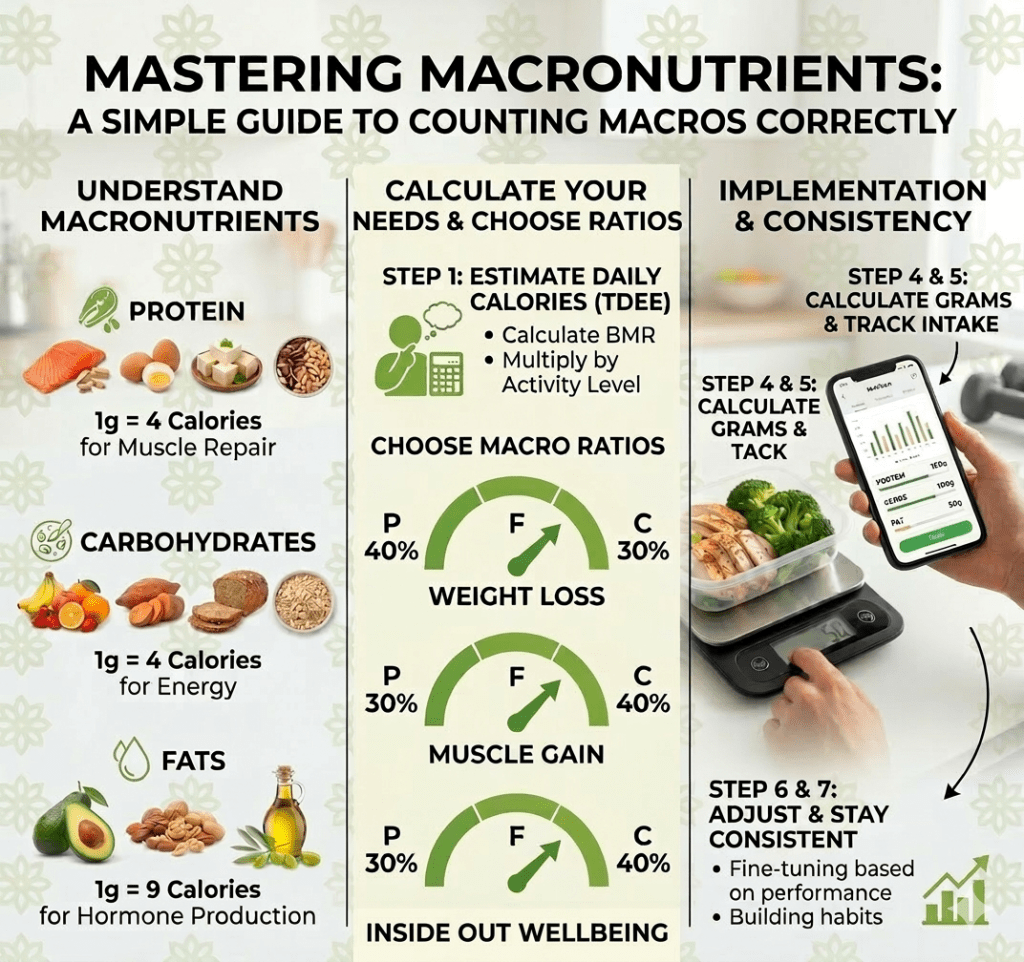
Mastering Macronutrients: A Simple Guide to Counting Macros Correctly

Whether you’re a seasoned gym-goer, an athlete, or just beginning your wellness journey, understanding macronutrients can be a game changer for reaching your health goals.

If you’ve ever wondered how to break down your diet into protein, fats, and carbohydrates to maximise results, this guide will walk you through the process step by step.

Let’s get started.

Step 1: Understand Macronutrients

Before you start counting macros, it’s important to know what they are and why they matter.

Protein

Protein is essential for muscle repair, growth, and overall body function.

1 gram of protein = 4 calories

Common sources include lean meats, fish, eggs, dairy, tofu, beans and legumes.

Fats

Healthy fats help with hormone production, brain health, and long-lasting energy.

1 gram of fat = 9 calories

Good sources include avocados, nuts, seeds, olive oil and fatty fish.

Carbohydrates

Carbohydrates are the body’s primary source of energy, especially for exercise and daily activity.

1 gram of carbohydrates = 4 calories

Healthy carbs include fruits, vegetables, whole grains and legumes.

Step 2: Calculate Your Daily Calorie Needs

To determine how many macros you should consume, you first need to estimate your daily calorie requirements.

This involves calculating your Basal Metabolic Rate (BMR) and Total Daily Energy Expenditure (TDEE).

1. Calculate Your BMR

BMR represents the calories your body needs to perform basic functions like breathing and circulation.

For men:

BMR = 88.362 + (13.397 × weight in kg) + (4.799 × height in cm) − (5.677 × age)

For women:

BMR = 447.593 + (9.247 × weight in kg) + (3.098 × height in cm) − (4.330 × age)

2. Calculate Your TDEE

Multiply your BMR by your activity level:

Activity Level Multiplier

Sedentary (little or no exercise) BMR × 1.2

Light activity (1–3 days/week) BMR × 1.375

Moderate activity (3–5 days/week) BMR × 1.55

Very active (6–7 days/week) BMR × 1.725

Extremely active (physical job/training twice daily) BMR × 1.9

Your TDEE gives you an estimate of how many calories you need each day.

Step 3: Choose Your Macronutrient Ratios

Your macro ratio depends on your health or fitness goal.

For Weight Loss

Protein: 40%

Fat: 30%

Carbohydrates: 30%

Higher protein helps maintain muscle and improves satiety.

For Muscle Gain

Protein: 30%

Fat: 30%

Carbohydrates: 40%

Extra carbs help fuel workouts and recovery.

For Maintenance

Protein: 30%

Fat: 30%

Carbohydrates: 40%

This balanced approach supports general health and energy levels.

Step 4: Convert Percentages into Grams

Once you know your daily calories and macro percentages, you can convert them into grams.

1. Calculate Calories per Macronutrient

Total Calories × Percentage

Example (2000 calories with 30% protein):

2000 × 0.30 = 600 calories from protein

2. Convert Calories into Grams

Use the calorie value of each macro:

Protein: Cal ÷ 4 Carbs: Calories ÷ 4

Fat: Calories ÷ 9

For example:

600 calories from protein ÷ 4 = 150g protein

Step 5: Track Your Food Intake

Tracking helps ensure you’re staying within your macro targets.

Use a Tracking App

Read Nutrition Labels

Check the macronutrient content per serving to track accurately.

Weigh Your Food

Using a kitchen scale ensures accurate portion sizes and macro tracking.

Step 6: Adjust and Fine-Tune

Your body is unique, so adjustments may be necessary.

Pay attention to:

Energy levels

Workout performance

Weight changes

Hunger levels

If your progress stalls, then tweak your calories or macro ratios accordingly.

Step 7: Stay Consistent

Consistency is the most important factor for long-term success.

Don’t worry about being perfect every day. Focus on building sustainable habits and finding a macro balance that works for your lifestyle.

Over time, tracking macros becomes easier and more intuitive.

Final Thoughts

Counting macronutrients might feel overwhelming at first, but with practice it becomes a powerful tool for improving your nutrition.

By understanding your calorie needs, choosing the right macro balance, and tracking your intake, you can fuel your body effectively and move closer to your health goals.

Remember: the goal isn’t perfection — it’s progress and consistency.

If you found this guide helpful, feel free to share it with friends and family who want to improve their nutrition. And if you have any tips or questions about macro tracking, drop them in the comments below!

Top 10 Nutrient-Dense Vegan Foods

in a world where health and wellness are more important than ever people are turning to plant-based diets for their myriad benefits. But with all the options out there, how do you know which vegan foods are the most nutrient-dense? We’ve got you covered! This blog is your ultimate guide to the most powerful plant-based foods that pack a nutritional punch.

1. Kale: The King of Greens

Kale has earned its crown as one of the most nutrient-dense foods on the planet. Rich in vitamins A, C, and K, kale is a powerhouse of antioxidants and anti-inflammatory compounds. Just one cup provides more than your daily requirement of vitamin K, which is crucial for bone health and blood clotting. Whether you blend it into a smoothie, toss it in a salad, or bake it into crispy chips, kale is a must-have in your diet.

2. Chia Seeds: Tiny but Mighty

Don’t be fooled by their size—chia seeds are a nutritional powerhouse. These tiny seeds are loaded with fibre, omega-3 fatty acids, protein, and essential minerals like calcium and magnesium. Just two tablespoons of chia seeds contain about 10 grams of fibre, making them a terrific addition to smoothies, oatmeal, or even as a vegan egg substitute in baking.

3. Sweet Potatoes: Nature’s Candy

Sweet potatoes are not only delicious but also incredibly nutritious. They are packed with beta-carotene, which your body converts into vitamin A, vital for maintaining healthy vision and a strong immune system. They also provide a good amount of fibre, vitamin C, and potassium. Roast them, mash them, or turn them into fries—sweet potatoes are a versatile and nutrient-rich addition to any meal.

4. Quinoa: The Complete Protein Grain

Quinoa is one of the few plant-based foods that provide all nine essential amino acids, making it a complete protein. This gluten-free grain is also high in fibre, iron, magnesium, and B-vitamins. Quinoa’s nutty flavour and fluffy texture make it a great base for salads, bowls, and even breakfast porridge.

5. Spinach: The Iron-Clad Leafy Green

Spinach is a leafy green that’s packed with iron, especially important for those on a plant-based diet. It’s also high in vitamins A and C, calcium, and folate, making it a nutrient-dense addition to any meal. Enjoy it raw in salads, sautéed as a side dish, or blended into smoothies for an extra nutrient boost.

6. Lentils: The Protein-Packed Legume

Lentils are an excellent source of plant-based protein, fibre, and essential nutrients like folate, iron, and manganese. They’re also incredibly versatile and can be used in soups, stews, salads, or even as a meat substitute in burgers. Lentils are particularly beneficial for heart health, as they help lower cholesterol and stabilize blood sugar levels.

7. Broccoli: The Detox Dynamo

Broccoli is another cruciferous vegetable that’s incredibly nutrient-dense. It’s high in vitamins C and K, fibre, and potassium, and it also contains sulforaphane, a compound that may help with detoxification and cancer prevention. Whether steamed, roasted, or raw, broccoli is a vegetable that should be on your plate.

8. Flaxseeds: The Omega-3 Booster

Flaxseeds are one of the best plant-based sources of alpha-linolenic acid (ALA), a type of omega-3 fatty acid that supports heart health. They are also high in lignans, which have antioxidant properties, and fibre. Ground flaxseeds can be added to smoothies, oatmeal, or used as an egg replacement in baking.

9. Avocado: The Creamy Nutrient Bomb

Avocados are rich in healthy monounsaturated fats, which are great for your heart. They’re also loaded with fibre, potassium, and vitamins C, E, K, and B-6. The creamy texture of avocados makes them perfect for spreading on toast, adding to salads, or blending into smoothies.

10. Seaweed: The Ocean’s Superfood

Seaweed is a nutrient-dense food that’s rich in iodine, which is essential for thyroid function. It’s also high in calcium, magnesium, and vitamins, including A, C, E, and K. Seaweed can be eaten as snacks, used in soups, or added to salads and sushi for a mineral boost.

How to Incorporate These Nutrient-Dense Foods into Your Diet

Now that you know which vegan foods are the most nutrient-dense, it’s time to start incorporating them into your daily meals. Here are simple tips:

  • Start your day with a green smoothie: Blend kale or spinach with fruits, chia seeds, and flaxseeds for a nutrient-packed breakfast.
  • Make nutrient-dense bowls: Combine quinoa or lentils with roasted sweet potatoes, broccoli, and avocado for a hearty, healthy meal.
  • Snack smart: Munch on seaweed snacks or add a sprinkle of chia or flaxseeds to your yogurt or oatmeal.
  • Power up your salads: Add a mix of leafy greens, avocado, and a sprinkle of nuts or seeds for a filling and nutritious salad.

Final Thoughts

Eating a nutrient-dense vegan diet is easier than you might think. By incorporating these superfoods into your meals, you’ll be fuelling your body with the vitamins, minerals, and antioxidants it needs to thrive. Whether you’re a seasoned vegan or just starting your plant-based journey, these foods are sure to elevate your health and wellbeing.

So, what are you waiting for? Start adding these nutrient-dense powerhouses to your plate today and feel the difference!

Join the conversation: What is your favourite nutrient-dense vegan foods? Share your thoughts and recipes in the comments below!

Understanding Your Protein Needs

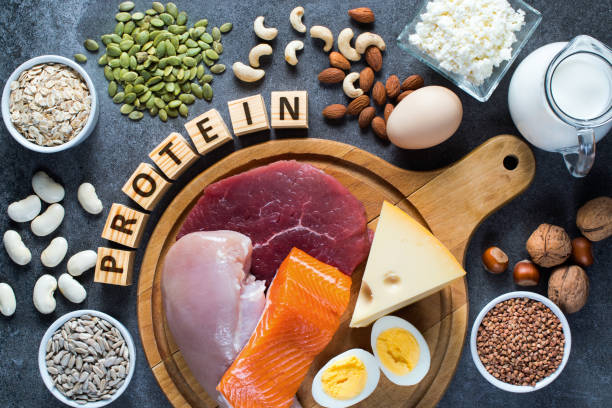
High protein food as meat, fish, dairy, eggs, buckwheat, oatmeal, nuts, bean, pumpkin seed and sunflower seed. Top view

n the realm of nutrition, protein stands out as an indispensable nutrient vital for survival. Comprising amino acids, the fundamental units that assemble proteins, it’s crucial to prioritise high-quality sources rich in essential amino acids to meet our body’s protein demands.

Protein plays a pivotal role in cellular processes throughout the body, serving as enzymes, energy sources, and facilitating muscle tissue repair post-exertion. But how much protein do we truly require?

Determining protein needs hinges on various factors, including life stage. For children, adolescents, and adults, maintaining protein balance is key, ensuring sufficient intake to replenish stores lost through metabolic processes or utilised for energy.

So, what’s the daily protein requirement?

The recommended daily allowance is approximately 0.8g per kg of body weight for adults, translating to about 46g for a 57kg woman and 56g for a 70kg man. While exceeding these targets isn’t necessarily harmful, it’s prudent to avoid surpassing 200g daily.

But what if exercise is part of the equation?

Endurance exercise or weight training elevates protein needs due to increased muscle stress and the subsequent need for repair. Recommendations from bodies like the Sports Nutrition Consensus Statement and the American College of Sports Medicine suggest a range of 1.2-1.7g per kg of body weight for athletes.

Now, where should we source our protein?

The protein quality of foods depends on their essential amino acid content and digestibility. Optimal sources encompass lean meats like chicken and turkey, eggs, nuts, soybeans, fish, and legumes.

For vegetarians and vegans, selecting high-quality meat-free alternatives such as tofu, tempeh, and Quorn is crucial. Additionally, combining complementary non-complete protein sources like grains and legumes ensures a complete amino acid profile, supporting adequate protein intake.

Ultimately, understanding your protein needs and selecting appropriate sources ensures optimal health and performance.

How to make your diet healthier

Maintaining a healthy diet is essential for overall well-being and vitality. However, the abundance of information on nutrition can be overwhelming. The good news is that adopting a healthier diet doesn’t have to be complicated. By making small, sustainable changes to your eating habits, you can significantly improve your overall health. Here are 25 ways to make your diet healthier.

  • Hydrate with Water:
  • Start your day by drinking a glass of water and aim to stay hydrated throughout the day. Water helps with digestion, nutrient absorption, and overall bodily functions.
  • Eat Colourful Fruits and Vegetables:
  • Include a variety of colourful fruits and vegetables in your meals. Different colours often indicate different nutrients, so a diverse palette ensures a range of health benefits.
  • Choose Whole Grains:
  • Opt for whole grains such as brown rice, quinoa, and whole wheat over refined grains. Whole grains are rich in fibre and nutrients, promoting better digestion.
  • Watch Portion Sizes:
  • Be mindful of portion sizes to avoid overeating. Using smaller plates can help trick your mind into feeling satisfied with smaller portions.
  • Prioritise Lean Proteins:
  • Include lean protein sources like poultry, fish, tofu, and legumes in your diet. Protein is essential for muscle health and overall body function.
  • Limit Processed Foods:
  • Cut down on processed foods high in added sugars, salt, and unhealthy fats. Opt for whole, natural foods whenever possible.
  • Cook at Home:
  • Prepare meals at home to have better control over ingredients and cooking methods. This also allows you to experiment with healthier recipes.
  • Snack Smart:
  • Choose nutritious snacks like fresh fruits, nuts, or yogurt instead of reaching for processed snacks. Healthy snacking can help maintain energy levels throughout the day.
  • Limit Added Sugars:
  • Read food labels to identify and reduce added sugars in your diet. Sugary beverages and sweets should be consumed in moderation.
  • Include Healthy Fats:
  • Incorporate sources of healthy fats, such as avocados, nuts, and olive oil. These fats are crucial for brain health and overall well-being.
  • Mindful Eating:
  • Practice mindful eating by savouring each bite and paying attention to hunger and fullness cues. This helps prevent overeating.
  • Experiment with Herbs and Spices:
  • Enhance the flavour of your dishes with herbs and spices instead of relying on salt. This adds variety and can have potential health benefits.
  • Limit Liquid Calories:
  • Be mindful of liquid calories from sugary drinks. Opt for water, herbal teas, or infused water to stay hydrated without unnecessary added sugars.
  • Eat Regularly:
  • Establish regular eating patterns to avoid excessive hunger, which can lead to poor food choices. Aim for balanced meals and snacks throughout the day.
  • Include Dairy or Dairy Alternatives:
  • Incorporate dairy or fortified dairy alternatives for a good source of calcium and vitamin D, crucial for bone health.
  • Read Food Labels:
  • Familiarise yourself with food labels to make informed choices. Look for products with simple, recognisable ingredients.
  • Plan Meals Ahead:
  • Plan your meals ahead of time to avoid last-minute unhealthy choices. This can also save time and make grocery shopping more efficient.
  • Limit Red and Processed Meats:
  • Reduce your intake of red and processed meats, as they have been associated with certain health risks. Opt for leaner protein sources.
  • Enjoy Treats in Moderation:
  • It’s okay to indulge in treats occasionally. The key is moderation – savour and enjoy special treats without overdoing it.
  • Faber-Rich Foods:
  • Increase your fibre intake with foods like whole grains, fruits, vegetables, and legumes. Fibre aids digestion and helps you feel full longer.
  • Be Cautious with Restaurant Portions:
  • When dining out, be aware of large portion sizes. Consider sharing dishes or packing half of your meal for later.
  • Stay Consistent:
  • Consistency is key to developing healthy eating habits. Small, sustainable changes over time are more likely to lead to lasting results.
  • Stay Physically Active:
  • Regular physical activity complements a healthy diet. Aim for a combination of cardiovascular exercise, strength training, and flexibility exercises.
  • Stay Informed:
  • Stay informed about nutrition trends and updates. The field of nutrition is continually evolving, and staying informed empowers you to make better choices.
  • Consult a Professional:
  • If you have specific dietary concerns or health conditions, consult a registered dietitian or healthcare professional. They can provide personalised guidance based on your needs.

Adopting a healthier diet doesn’t have to be a drastic overhaul of your eating habits. By incorporating these simple tips into your daily routine, you can make gradual, positive changes that contribute to improved overall health and well-being. Remember, small steps

Different Ways to Eat Chia Seeds

Different Ways to Eat Chia Seeds

Chia seeds, derived from the plant Salvia hispanica, have gained immense popularity in recent years due to their impressive nutritional profile. Packed with fibre, protein, healthy fats, and various micronutrients, these tiny seeds are a powerhouse of energy. Not only are they good for you, but they can also add an interesting texture and flavour to your meals. If you’re wondering how to incorporate chia seeds into your diet in a fun and delicious way, look no further. Here are 10 creative and enjoyable ways to eat chia seeds:

1.Chia Seed Pudding:

One of the most popular ways to enjoy chia seeds is by making a chia seed pudding. Simply mix chia seeds with your favourite milk (almond, coconut, or regular dairy) and let them soak overnight. In the morning, you’ll have a delightful pudding-like texture. Add fruits, nuts, and a drizzle of honey for a tasty breakfast or snack.

2. Chia Seed Smoothies:

Boost the nutritional content of your smoothies by adding a spoonful of chia seeds. They not only provide a delightful crunch but also thicken the smoothie, making it more filling and satisfying. Combine them with your favourite fruits, yogurt, and a handful of spinach for a refreshing drink.

3. Chia Seed Jam:

Make a healthier version of jam by mixing chia seeds with mashed berries and a touch of sweetener. Let the mixture sit for a few hours, and you’ll have a delicious, homemade jam perfect for spreading on toast or mixing into yogurt.

4. Chia Seed Oatmeal:

Upgrade your morning oatmeal by sprinkling chia seeds on top. They add a nutty flavour and a chewy texture, making your breakfast not only healthier but also more interesting.

5. Chia Seed Energy Bars:

Create your own energy bars at home by combining chia seeds with nuts, dried fruits, honey, and oats. Press the mixture into a pan, refrigerate until firm, and then cut into bars. These homemade energy bars are perfect for a quick, nutritious snack on the go.

6. Chia Seed Salad Dressing:

Blend chia seeds with olive oil, lemon juice, garlic, and your favourite herbs to create a healthy and flavourful salad dressing. The chia seeds help thicken the dressing while adding a boost of nutrition to your salads.

7. Chia Seed Crackers:

Mix chia seeds with water, spices, and whole wheat flour to create a dough. Roll it out thinly, cut into small squares, and bake until crispy. These homemade chia seed crackers are great for dipping into hummus, guacamole, or salsa.

8. Chia Seed Muffins:

Add chia seeds to your favourite muffin recipe for an extra crunch and a nutritional boost. Whether it’s blueberry, banana, or chocolate chip muffins, chia seeds can easily be incorporated into the batter.

9. Chia Seed Yogurt Parfait:

Layer chia seed pudding with yogurt and fresh fruits to create a delightful parfait. The combination of creamy yogurt, chewy chia seeds, and sweet fruits makes for a satisfying and visually appealing dessert.

10. Chia Seed Ice Cream:

Blend frozen bananas with a splash of milk and chia seeds to create a creamy and healthy ice cream alternative. The chia seeds add a fun texture to the ice cream, making it a hit with both kids and adults.

Incorporating chia seeds into your diet can be both nutritious and enjoyable. These versatile seeds can be used in various recipes, adding a nutritional punch and an interesting texture to your meals and snacks. So, go ahead and experiment with these fun ways to eat chia seeds, and enjoy the health benefits along with the delicious flavours!

Unlocking the Secret to Effective Fat Burning: How to Increase Thermogenesis.

Thermogenesis

In the pursuit of a healthier lifestyle and a fitter body, understanding the science behind weight loss is crucial. One of the key concepts in this realm is thermogenesis, the process by which your body generates heat and energy from digesting food. By increasing thermogenesis, you can enhance your body’s ability to burn fat more efficiently. In this blog, we will explore the science behind thermogenesis and provide you with practical tips on how to increase it, thereby maximising your fat-burning potential.

Understanding Thermogenesis

Thermogenesis is the body’s natural way of producing heat. There are three primary types of thermogenesis:

Basal Metabolic Rate (BMR): The energy your body needs to maintain basic physiological functions while at rest.

Exercise-Induced Thermogenesis: The energy expenditure during physical activity.

Diet-Induced Thermogenesis (DIT): The energy used in the digestion, absorption, and processing of ingested food.

Among these, DIT is the aspect we can manipulate to increase thermogenesis and promote fat loss.

How to Increase Thermogenesis

Incorporate Metabolism-Boosting Foods:

Certain foods can rev up your metabolism and increase thermogenesis. These include spicy foods like chilli peppers, which contain capsaicin, a compound known for its thermogenic properties. Green tea and coffee also contain catching and caffeine, respectively, both of which can enhance thermogenesis.

Prioritise Protein Intake:

Protein-rich foods require more energy to digest compared to fats and carbohydrates. By increasing your protein intake, you can boost thermogenesis and promote muscle growth, which further enhances your metabolism.

Engage in Regular Exercise:

Physical activity not only burns calories during the workout but also increases your metabolism for hours afterward. Combining aerobic exercises with resistance training is particularly effective in promoting thermogenesis.

Stay Hydrated:

Drinking water is essential for many bodily functions, including metabolism. Cold water, in particular, can stimulate thermogenesis as your body works to warm the water to body temperature.

Get Sufficient Sleep:

Quality sleep is crucial for overall health, including metabolism regulation. Lack of sleep can disrupt hormones related to hunger and satiety, leading to poor food choices and reduced thermogenesis.

Manage Stress:

Chronic stress can lead to hormonal imbalances that slow down your metabolism. Incorporate stress-reducing practices such as meditation, yoga, or hobbies to keep stress levels in check.

Consider Thermogenic Supplements:

Some natural supplements, like green tea extract, caffeine, and capsaicin supplements, can aid in increasing thermogenesis. However, it’s essential to consult a healthcare professional before incorporating any supplements into your routine.

Increasing thermogenesis is a holistic process that involves a combination of dietary choices, regular exercise, and lifestyle habits. By incorporating metabolism-boosting foods, prioritising protein intake, staying hydrated, getting sufficient sleep, managing stress, and, if necessary, considering natural supplements, you can enhance your body’s ability to burn fat effectively. Remember, consistency and patience are key when it comes to achieving sustainable and healthy weight loss goals. Start implementing these strategies today, and watch your body transform as you harness the power of thermogenesis to achieve your fitness aspirations.

How to Beat Post-Work Tiredness with Nutrition: Your Guide to Lasting Energy

In today’s fast-paced world, the demands of work often leave us feeling drained and exhausted by the end of the day. Post-work tiredness is a common issue faced by many, but the good news is that there are natural ways to combat this fatigue and boost your energy levels. One of the most effective methods is through proper nutrition. In this blog post, we will explore how you can beat post-work tiredness with the right food choices, ensuring you have the energy to enjoy your evenings and live your best life.

 Stay Hydrated

First and foremost, it’s essential to stay hydrated throughout the day. Dehydration can cause fatigue and make you feel more tired than you actually are. Make sure to drink plenty of water, and consider incorporating hydrating foods like cucumbers, watermelon, and oranges into your diet.

Fuel Your Body with Complex Carbohydrates

Complex carbohydrates, found in foods like whole grains, brown rice, and sweet potatoes, are excellent sources of sustained energy. Unlike simple carbohydrates (sugars) which cause energy spikes and crashes, complex carbs provide a steady release of energy, keeping you energised throughout the evening. They also contain fibre, aiding in digestion and preventing energy dips.

Include Protein in Your Meals

Protein is essential for repairing and building tissues, including muscles. Incorporate lean protein sources such as chicken, fish, tofu, and beans into your dinner. Protein-rich foods help stabilise your blood sugar levels, preventing energy crashes and keeping you feeling fuller for longer.

Embrace Healthy Fats

Healthy fats, like those found in avocados, nuts, and olive oil, are crucial for brain health and provide a long-lasting source of energy. They also help in absorbing essential nutrients from other foods. Including these fats in your evening meal can enhance your overall energy levels and improve your mood.

Don’t Skip Vegetables

Vegetables are powerhouses of vitamins, minerals, and antioxidants, all of which contribute to your overall well-being and energy levels. Aim to fill half your plate with colourful vegetables. These nutrients help your body function efficiently, keeping fatigue at bay.

Moderate Caffeine Intake

While caffeine can provide a temporary energy boost, excessive consumption, especially in the evening, can disrupt your sleep patterns. Opt for herbal teas like chamomile or peppermint, which not only hydrate you but also promote relaxation, ensuring you get a good night’s rest.

Mindful Eating

Practicing mindful eating can make a significant difference in your energy levels. Slow down, savour your food, and pay attention to your body’s signals of hunger and fullness. Chewing your food thoroughly aids digestion and allows your body to extract maximum energy from the nutrients you consume.

Beating post-work tiredness with nutrition is not just about what you eat; it’s also about how you eat. By making conscious choices about the foods you consume and adopting mindful eating habits, you can sustain your energy levels throughout the evening. Remember, every person is different, so it’s essential to pay attention to how your body responds to different foods and adjust your diet accordingly. With the right nutrition and a mindful approach to eating, you can say goodbye to post-work tiredness and embrace a more energised and vibrant life.