The Power of Protein: Why It Matters for Your Health Beyond the Gym.

When you hear the word protein, what comes to mind? For many people, it is gym workouts, fitness goals, or building muscle. But protein is not just for athletes or people who spend hours in the gym. It is something our bodies need every day to stay strong, healthy, and supported.

Following on from my previous blog about muscle mass, I wanted to explore the important role protein plays in our overall wellbeing.

At Inside Out Wellbeing, I believe looking after our health starts with understanding our bodies and giving them the care they need. Nutrition is not about strict rules or trying to be perfect — it is about making choices that help us feel good, have energy, and support our wellbeing from the inside out.

Why Is Protein Important?

Protein is one of the essential nutrients our bodies rely on. It helps repair and maintain tissues, supports our muscles, and plays an important role in keeping our bodies functioning properly.

Our bodies are constantly working behind the scenes repairing cells, supporting our immune system, and helping us move, think, and recover. Protein provides the building blocks our bodies need for these everyday processes.

Protein and Maintaining Muscle Strength

As we get older, keeping our muscles strong becomes even more important. Muscle is not just about appearance; it supports the things we do every day, from carrying shopping bags to climbing stairs and staying active.

Including enough protein in our diet can help support:

  • Maintaining muscle strength
  • Recovery after activity
  • Mobility and independence
  • Healthy ageing

Looking after our muscles is one of the ways we can support our future health and continue doing the activities we enjoy.

Protein Is About More Than Muscle

While protein is well known for supporting muscle, its benefits go beyond that.

Protein can also help us:

  • Feel satisfied after meals
  • Maintain steady energy throughout the day
  • Support the body’s natural repair process
  • Create balanced and nourishing meals

When we eat well, we are not just feeding our bodies we are supporting our overall wellbeing.

Easy Ways to Add More Protein Into Your Meals

Adding protein to your meals does not need to be complicated or expensive.

Some everyday sources of protein include:

  • Greek yoghurt
  • Beans and lentils
  • Nuts and seeds
  • Tofu and other plant-based options

A simple way to start is by looking at your meals and asking:

Have I included something that will nourish and support my body?

Small changes can make a difference over time.

Finding Balance With Food

It is important to remember that nutrition is personal. What works for one person may not work for another, and there is no perfect way of eating.

Food should not create stress or guilt. It should be something that supports our health while still bringing enjoyment and connection.

A balanced approach is about listening to your body, making informed choices, and finding what works for you.

Final Thoughts

Protein is an important part of a healthy lifestyle, but it is only one piece of the wellbeing puzzle.

Alongside regular movement, good quality sleep, hydration, and looking after our mental health, nourishing our bodies with the right foods can help us feel stronger and more energised.

Our bodies support us through every stage of life. Taking care of them through simple, everyday choices is one of the greatest forms of self-care.

Small steps, consistent habits, and a little understanding can help us build a healthier relationship with our bodies from the inside out.

Understanding Muscle Mass: Key to Health Beyond Weight

If you’ve ever stepped on the scales and felt disappointed by the number looking back at you, you’re definitely not alone. But here’s something I often tell my clients: your weight is only one small piece of the puzzle.

Two people can weigh exactly the same, yet have completely different body compositions, energy levels and overall health. That’s because our bodies are made up of much more than just body fat. Muscle plays a huge role too.

Understanding your muscle mass can help you see your progress in a much more positive and realistic way, especially if your goal is to become stronger, healthier and more confident rather than simply losing weight.

So, what is muscle mass?

When we talk about muscle mass, we’re usually referring to skeletal muscle. These are the muscles attached to your bones that help you move, lift, walk, climb the stairs and carry out everyday tasks.

Unlike the muscle in your heart or digestive system, skeletal muscle responds to exercise and nutrition. It can become stronger, grow over time and, if we don’t use it, gradually decrease as we get older.

What does muscle mass percentage actually mean?

Muscle mass percentage is simply the proportion of your body weight made up of muscle.

For example, if you weigh 70 kg and 28 kg of that is muscle, your muscle mass percentage would be 40%.

While that sounds straightforward, it’s important not to get too caught up in the exact figure. Different body composition scales use different formulas, so your results can vary depending on the machine you’re using.

Instead of chasing a specific percentage, it’s much more useful to look at whether your muscle mass is staying the same or gradually improving over time.

Why is muscle so important?

Many people think building muscle is only for athletes or people who spend hours in the gym. In reality, muscle is something we all need, regardless of age or fitness level.

Having healthy muscle helps you:

  • Feel stronger in everyday life
  • Improve balance and coordination
  • Support your joints
  • Maintain good posture
  • Stay active as you get older
  • Make everyday tasks feel easier, from carrying shopping to climbing stairs

Muscle also uses energy to maintain itself, although its impact on metabolism is often smaller than social media would have you believe. The biggest benefit is how it supports your overall health, mobility and independence throughout life.

Does muscle naturally decrease with age?

Unfortunately, yes.

From around our thirties onwards, we gradually begin to lose muscle if we don’t actively work to maintain it. This happens slowly at first but tends to speed up later in life.

The good news is that this isn’t something you simply have to accept. Regular strength training and eating enough protein can make a real difference, helping you stay strong and active well into older age.

Is there an ideal muscle mass percentage?

This is one of the questions I get asked most often.

The honest answer is no.

There’s no single “perfect” muscle percentage because we’re all different. Your age, sex, genetics, lifestyle and activity levels all influence how much muscle you naturally carry.

Rather than comparing yourself to someone else online, it’s far more helpful to compare yourself to… well, yourself.

If you’re getting stronger, feeling fitter, recovering well and your body composition is improving over time, you’re moving in the right direction.

How can you measure your muscle mass?

Many people now own smart scales that estimate muscle mass using a method called bioelectrical impedance.

They’re quick, affordable and useful for spotting trends, but they’re not perfectly accurate. Your hydration levels, what you’ve eaten and even the time of day can all affect the reading.

If you’re using a smart scale, try to measure yourself under similar conditions each time so you can track progress more consistently.

For the most accurate assessment, clinics can offer DEXA scans, which provide a much more detailed breakdown of your body composition.

How can you build or maintain muscle?

The great news is that you don’t need to spend every evening in the gym.

Strength train regularly

The NHS recommends adults include muscle-strengthening activities at least twice a week.

That could be:

  • Lifting weights
  • Resistance bands
  • Pilates
  • Bodyweight exercises
  • Heavy gardening or manual work

The key is to challenge your muscles consistently and gradually increase the difficulty over time.

Eat enough protein

Protein gives your body the building blocks it needs to repair and maintain muscle.

Include a source of protein with each meal, such as:

  • Chicken or turkey
  • Fish
  • Eggs
  • Greek yoghurt
  • Cottage cheese
  • Beans
  • Lentils
  • Tofu
  • Tempeh

For people who regularly exercise or are looking to build muscle, protein needs may be higher than the general UK recommendation, so it’s worth discussing your individual requirements with a qualified professional.

Keep moving

Strength training is important, but so is staying active throughout the day.

Walking, cycling, swimming and other forms of movement all support your overall health and help keep your body functioning well.

Don’t forget recovery

Muscles don’t grow while you’re exercising—they adapt afterwards.

Getting enough sleep, managing stress, staying hydrated and allowing time to recover are all part of looking after your muscles.

The bottom line

Your muscle mass is just one measurement. It doesn’t define your health or your progress.

Instead of obsessing over a number on the scales or your body composition report, ask yourself a few simple questions.

Am I getting stronger?

Do I have more energy than I did a few months ago?

Can I do everyday tasks more easily?

Am I building habits I can actually stick to?

Those answers will usually tell you far more than any scale ever could.

At the end of the day, building and maintaining muscle isn’t about looking a certain way. It’s about feeling strong, staying healthy and giving your body the support it needs for years to come.

Fuelling Your Day Right: Best Breakfast for Exercise

They say breakfast is the most important meal of the day, and when you’re planning to exercise, it’s even more critical. Whether you’re an early riser hitting the gym, a dedicated runner, or just looking to maintain a healthy lifestyle, what you eat for breakfast can significantly impact your workout performance. In this blog, we’ll explore the best breakfast options to help you power through your exercise routine and achieve your fitness goals.


Oatmeal Power

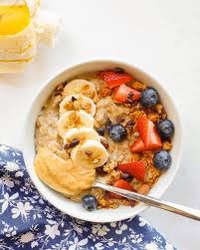
Start your day with a bowl of oatmeal, and you’ll be well on your way to a successful workout. Oats are rich in complex carbohydrates, which provide a steady release of energy, keeping you fuelled throughout your exercise session. They’re also an excellent source of fibre, promoting digestive health. Top your oatmeal with some berries and a drizzle of honey for added antioxidants and natural sweetness.


Greek Yogurt Parfait

Greek yogurt is a protein-packed breakfast option that’s great for muscle recovery and building. Pair it with some granola for carbohydrates and nuts or seeds for healthy fats and extra crunch. Add a few slices of fresh fruit for a natural sweetness that’ll give you the energy boost you need to power through your workout.


Whole Grain Toast with Nut Butter

Whole grain toast with almond, peanut, or cashew butter is a delicious and balanced breakfast option. The combination of complex carbohydrates from the bread and healthy fats and protein from the nut butter provides a sustained source of energy. Add some sliced bananas or strawberries on top for extra nutrients and flavour.


Scrambled Eggs with Veggies

Eggs are a fantastic source of high-quality protein and essential nutrients like choline and vitamin B12. Scramble them up with some colourful vegetables like spinach, bell peppers, and tomatoes for added vitamins, minerals, and fibre. This savoury breakfast will keep you full and energized for your morning workout.


Smoothie Sensation

If you’re short on time, a nutritious smoothie can be your go-to breakfast option. Blend together some spinach, frozen berries, a banana, Greek yogurt, and a scoop of protein powder for a quick and convenient pre-workout meal. The combination of carbohydrates, protein, and antioxidants will give you the energy and nutrients needed for your exercise routine.


Avocado Toast

Avocado toast has become a trendy breakfast choice for a reason – it’s packed with healthy fats, fibre, and essential nutrients. Spread mashed avocado on whole grain toast and top it with a sprinkle of salt, pepper, and red pepper flakes for a flavourful kick. This breakfast option provides long-lasting energy and keeps you feeling satisfied.


Quinoa Breakfast Bowl

Quinoa is a versatile grain that’s high in protein and complex carbohydrates. Cook it up and top it with your favourite breakfast toppings, such as sliced almonds, honey, and fresh fruit. This savoury and sweet combination is perfect for those who prefer a heartier breakfast before hitting the gym.


The right breakfast can make a world of difference in your exercise performance. Whether you prefer a quick and easy smoothie or a hearty quinoa bowl, choosing a balanced meal with a combination of carbohydrates, protein, and healthy fats will set you up for success in your workout routine. Remember to also stay hydrated by drinking water before and during your exercise, as proper hydration is essential for optimal performance. So, fuel your body right, and you’ll be well on your way to achieving your fitness goals.

How to Recover From DOMS:

Delayed Onset Muscle Soreness, commonly known as DOMS, is a familiar sensation for anyone who has ever embarked on a new exercise routine or intensified their workouts. While it can be uncomfortable, DOMS is a natural response to the stress placed on your muscles during physical activity. The good news is that there are effective ways to alleviate this soreness and accelerate your recovery. In this blog, we’ll explore how to recover from DOMS and get back to your fitness routine feeling refreshed and ready to go.

Understanding DOMS


DOMS typically manifests as muscle stiffness, tenderness, and pain that peaks 24 to 48 hours after strenuous exercise. It is believed to result from microscopic damage to muscle fibres, inflammation, and the accumulation of waste products in the muscles. Although it can be uncomfortable, it’s a sign that your body is adapting and becoming stronger. However, it’s essential to manage DOMS to ensure you can continue exercising without risking injury or burnout.


Here’s a step-by-step guide to help you recover from DOMS:


Rest and Recovery

The first and most crucial step in recovering from DOMS is to give your body the rest it needs. Avoid overtraining and allow your muscles to repair themselves. While complete rest may not be necessary, you should prioritize lighter activities such as walking or gentle stretching during the initial soreness period.


Hydrate and Nutrition

Proper nutrition plays a vital role in muscle recovery. Make sure to stay well-hydrated and consume a balanced diet rich in protein, complex carbohydrates, and healthy fats. Protein is essential for muscle repair and growth. Consider incorporating post-workout protein shakes or meals to aid recovery.


Gentle Stretching and Mobility Work

Engage in light stretching and mobility exercises to improve blood circulation and reduce muscle tension. Focus on the affected muscles and perform gentle stretches, holding each position for 15-30 seconds. Yoga or foam rolling can also help alleviate muscle tightness.


Ice and Heat Therapy

Alternating between ice and heat can be beneficial for reducing inflammation and soothing sore muscles. Apply ice packs to the affected areas for 20 minutes, followed by a warm compress for another 20 minutes. This contrast therapy can help improve blood flow and reduce pain.


Over-the-Counter Pain Relief

Non-prescription pain relievers like ibuprofen or acetaminophen can be used in moderation to alleviate pain and inflammation. However, consult a healthcare professional before using any medication, especially if you have underlying health conditions or are taking other medications.


Massage Therapy

Professional massages or self-massage with a foam roller can be effective in easing muscle tension and improving circulation. Focus on the sore muscles and use slow, deliberate strokes to target knots and tightness.


Active Recovery

Once the initial soreness has subsided, gradually reintroduce low-intensity exercises like walking, cycling, or swimming. This helps promote blood flow and aids in the recovery process. Avoid high-intensity workouts until your muscles feel fully recovered.


Sleep

Adequate sleep is essential for muscle repair and overall recovery. Aim for 7-9 hours of quality sleep each night, as this is when your body repairs and regenerates muscle tissue.


Stay Consistent

To prevent future bouts of DOMS, gradually increase the intensity and duration of your workouts. Consistency in your exercise routine allows your muscles to adapt and become less susceptible to soreness.


Conclusion

Recovering from DOMS is a natural part of the fitness journey. By following these steps, you can minimize discomfort, promote muscle repair, and expedite your recovery process. Remember that everyone’s body is unique, and it may take some trial and error to find the best combination of strategies that work for you. The key is to listen to your body, prioritize self-care, and stay committed to your fitness goals. With time and patience, you’ll be back in the gym, feeling stronger than ever.

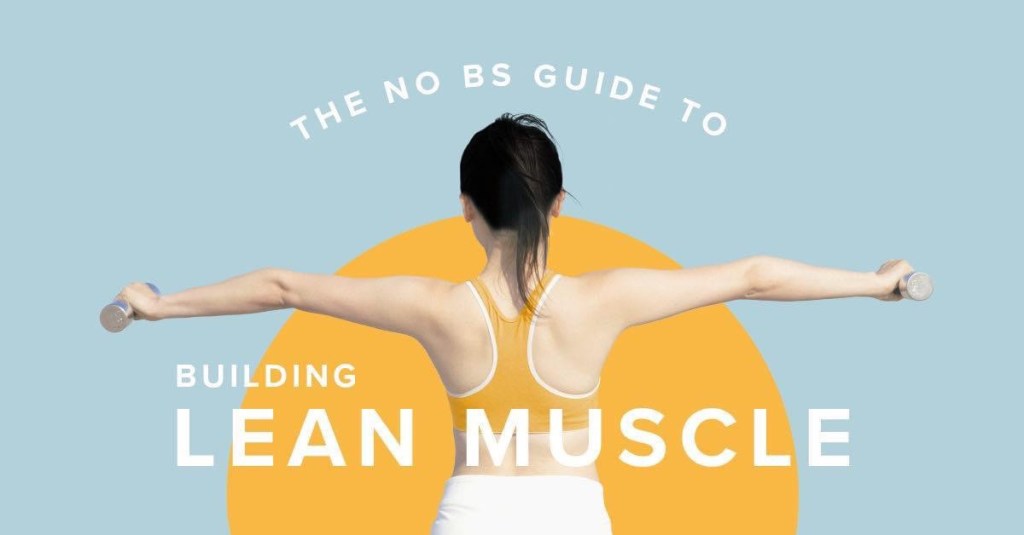
How to bulid Lean Muscle

We naturally start to lose muscle mass after the age of 30. This is called sarcopenia and is part of the aging proccess. We can however slow this proccess by making simple lifestyle changes. Bulid lean muscle is one of the changes. It can help with Mobility, bone health, physically strong and toned , longevity, good posture, hormonal balance.

Bulid lean muscle can also also help with boosting the human growth hormone, mental health, and your gut health

Below are the best exercises to create lean muscle:

Bodyweight exercises (lunges, squats, pushups)

Using a Resistance band

Mobility exercises

Yoga asanas

Isometric exercises (such as plank, wall sit)

Non Exercise Activity Thermogenesis.

Fastest and cheapest way to burn BODY FAT

Famlrise yourself with the concept – N.E.A.T it is a super effective for FAT LOSS when it’s done the correct way.

The beat part is you don’t need a expensive gym membership or any special equipment.

What is N.E.A.T?

It stands for Non-Exercise Activity Thermogenesis.

When small activities are done in the day to induce thermogenesis in the body.

What is thermogenesis?

The body’s ability to burn fat, even when you are sitting or not being too active.

Best examples of N.E.A.T activities to start stright away.

👉 Walk and talk.

👉 Doing a fee squats or surya namaskers.

👉 always Squat to pick up things up from the floor.

👉 while watching Netflix stand up and stretch in between.

👉 small dance break in between lunch break workday.

👉 Do your chores like the dishes, making the bed, hoovering
Laundry etc

👉 stairs climbing will help to engage with exercising the lower body.

Here are 3 good yoga poses.

Virabhadrasana Pose Pose Vrikshasana
Utkatasana Pose