8 Weight-Free Exercises to Tone Your Arms.

Want to work on your arms but don’t have any weights at home?

Don’t worry. I got you covered. You really don’t need a cupboard full of gym equipment to get started. There are plenty of exercises you can do using just your own body weight, and some of them are surprisingly challenging!

As a Wellness and Nutrition coach, I always encourage my clients to keep their workout routine simple and realistic. If an exercise routine feels complicated, expensive or like something you have to spend hours doing, it’s much harder to stick with it.

So, if you’re looking for a few easy exercises to add into your week, here are eight worth trying.

What does “toning” actually mean?

We hear the word toning all the time, especially when it comes to arms, stomachs and legs.

Technically, there’s no special exercise that “tones” fat from one particular part of your body. You can strengthen and build muscle in a particular area, but where your body stores and loses fat is influenced by things such as genetics, hormones and your overall lifestyle. That’s why I prefer to focus on getting stronger and feeling good in your body, rather than chasing a particular look.

  1. Arm CirclesLet’s start with something really simple. Arm circles are great as a warm-up, but don’t dismiss them just because they look easy. After a while, you may start to feel your shoulders working.Stand comfortably with your feet around hip-width apart.Stretch your arms out to the sides and start making small circles. Gradually make them a little bigger if that feels comfortable.After 20–30 seconds, change direction.Try: 20–30 seconds in each direction.My tip: Keep your shoulders relaxed. There’s no need to shrug them up towards your ears.
  2. Standing Front RaisesYou don’t need dumbbells to practise controlled arm raises.This is a nice, simple movement for your shoulders and can easily be done while you’re waiting for the kettle to boil!Stand tall with your arms by your sides.Keeping your core gently engaged, slowly raise both arms in front of you. Lift them to a comfortable height and then slowly lower them again.Try not to swing your arms. The slower you go, the more you’ll notice the muscles working.Try: 2–3 sets of 10–15 repetitions.If both arms feel too tiring, then work one arm at a time.
  3. Standing Lateral RaisesThis time, you’re taking your arms out to the sides.Again, the temptation is to rush through the movement, but try not to. Controlled movements are your friend here.Stand tall with your arms by your sides.Keeping a slight bend in your elbows, slowly lift your arms out to the sides.You don’t have to get them perfectly level with your shoulders. Go as far as feels comfortable and then lower them slowly.Try: 2–3 sets of 10–15 repetitions.Remember: If you notice yourself shrugging your shoulders, take a little break and reset.
  4. Wall AngelsThis is one of those exercises that looks incredibly simple until you actually try it!Wall angels work your shoulders and upper body while also encouraging good posture and shoulder movement.

How to do them

Stand with your back against a wall.

Place your arms so your elbows are bent, roughly like you’re making a cactus shape with your arms.

Slowly move your arms upwards and then bring them back down.

Don’t worry if your arms don’t stay completely flat against the wall. Everyone has different mobility.

The aim is to move comfortably and with control, not to force your body into a position it doesn’t like.

Try: 2 sets of 8–12 repetitions.

  1. Plank Shoulder TapsNow we’re making things a little harder.Plank shoulder taps are great because your arms and shoulders are working, but your core has to work hard too.Start in a high plank position with your hands underneath your shoulders.Keep your body as still as you can.Lift one hand and gently tap the opposite shoulder. Put your hand back down and repeat on the other side.The trick is trying not to rock your hips from side to side.Try: 6–10 taps on each side for 2–3 sets.

New to planks?

Put your knees on the floor.

There’s absolutely nothing wrong with modifying an exercise. In fact, I’d much rather see you doing an easier version with good control than struggling through a harder version with poor form.

  1. Downward Dog to PlankThis is a lovely full-body movement and a good one to include if you don’t want your workout to feel like you’re simply moving your arms up and down.

How to do it

Start in a high plank.

Push your hips back and up into a downward-facing dog position.

Take a breath, then slowly move forwards into your plank again.

Keep the movement steady and controlled.

Try: 8–12 repetitions.

If your wrists don’t enjoy this position, take a break and try another exercise instead.

  1. Push-UpsI couldn’t write an article about strengthening your arms without mentioning the one and only push-ups.They’re a classic for a reason.Push-ups work your chest, shoulders and triceps, while your core helps keep your body stable.But here’s something I want you to remember: you don’t have to do a full push-up.

Try this instead

If you’re a beginner, start with wall push-ups.

Once those become easier, move to an incline push-up using a sturdy worktop or bench.

From there, you can gradually work towards doing them from the floor.

For a standard push-up

Start in a high plank position.

Bend your elbows and slowly lower your body towards the floor, keeping your body in a strong, straight position.

Then push yourself back up.

Try: 2–3 sets of 5–12 repetitions.

And if you can only manage three good ones, that’s three more than you could do before!

  1. Triceps DipsTriceps dips can be done using a sturdy chair, although you do need to make sure it is completely stable and won’t move underneath you.

How to do them

Sit on the edge of the chair and place your hands beside your hips.

Carefully move your bottom just beyond the edge of the chair.

Keep your feet on the floor and bend your elbows slightly to lower yourself.

Then press through your hands to come back up.

You don’t need to go very low.

In fact, I’d recommend starting with a small movement and seeing how your shoulders feel.

Try: 2 sets of 6–10 repetitions.

If dips don’t feel comfortable for your shoulders, leave them out. There are plenty of other ways to work your triceps.

A Simple Arm Workout You Can Do at Home

If you’re wondering how to put all of these exercises together, I have put together a simple routine as a starting point.

Warm-up

Spend around two minutes doing:

Arm circles

Shoulder rolls

Marching on the spot

Then work through the exercises below:

ExerciseAmount
Arm circles30 seconds
Standing front raises10–15
Wall angels8–12
Plank shoulder taps6–10 each side
Push-ups5–12
Triceps dips6–10

Have a rest whenever you need one.

Start with one round if you’re new to exercise and when that starts to feel comfortable, try doing two rounds.

Remember, you don’t need to finish the workout dripping with sweat for it to have been worthwhile.

How often should you do arm exercises?

For most people, two strength sessions a week is a sensible place to start.

You don’t need to train your arms every single day.

Your muscles need time to recover, particularly when you’re doing exercises that challenge them.

And as you get stronger, don’t feel that you have to keep adding more and more repetitions.

Instead, you can make the exercise itself a little harder.

For example, you might:

Add a few more repetitions

Slow the movement down

Try a more challenging variation

Increase your range of movement

Eventually add resistance bands or weights

That’s how you keep giving your body a reason to adapt.

What about nutrition?

This is the bit that often gets overlooked.

If you’re exercising because you want to become stronger and feel healthier, then your nutrition matters.

Your body needs fuel to exercise and nutrients to help recover.

Try to include a good source of protein in all your meals. This could be Greek yoghurt, tofu, beans, lentils or another protein-rich food you enjoy. It doesn’t have to be overcomplicated or expensive.

Don’t forget your carbohydrates.

Foods such as oats, potatoes, rice, wholegrains and fruit aren’t something you need to be afraid of. They will provide you with valuable energy, particularly when you’re active.

Then equally important are your fruit, vegetables and healthy fats.

What most people don’t pay attention to is hydration, which is key for a healthy body. If you are not fully hydrated, you will not see the results from your workout and nutrition.

You don’t need to eat a fancy or expensive diet to achieve proper nutrition. I always coach my clients about the 80/20 rule.

You don’t need a gym to get stronger

One of the things I love about bodyweight exercises is how accessible they are. You can do many of them at home, when you’re travelling, or even when you only have 10–15 minutes to spare. This is how I started my journey.

A little note from me

If you’re new to exercise, have an injury or experience pain while doing any of these movements, please get appropriate professional advice from your GP before continuing.

Exercise should challenge you, but it shouldn’t hurt.

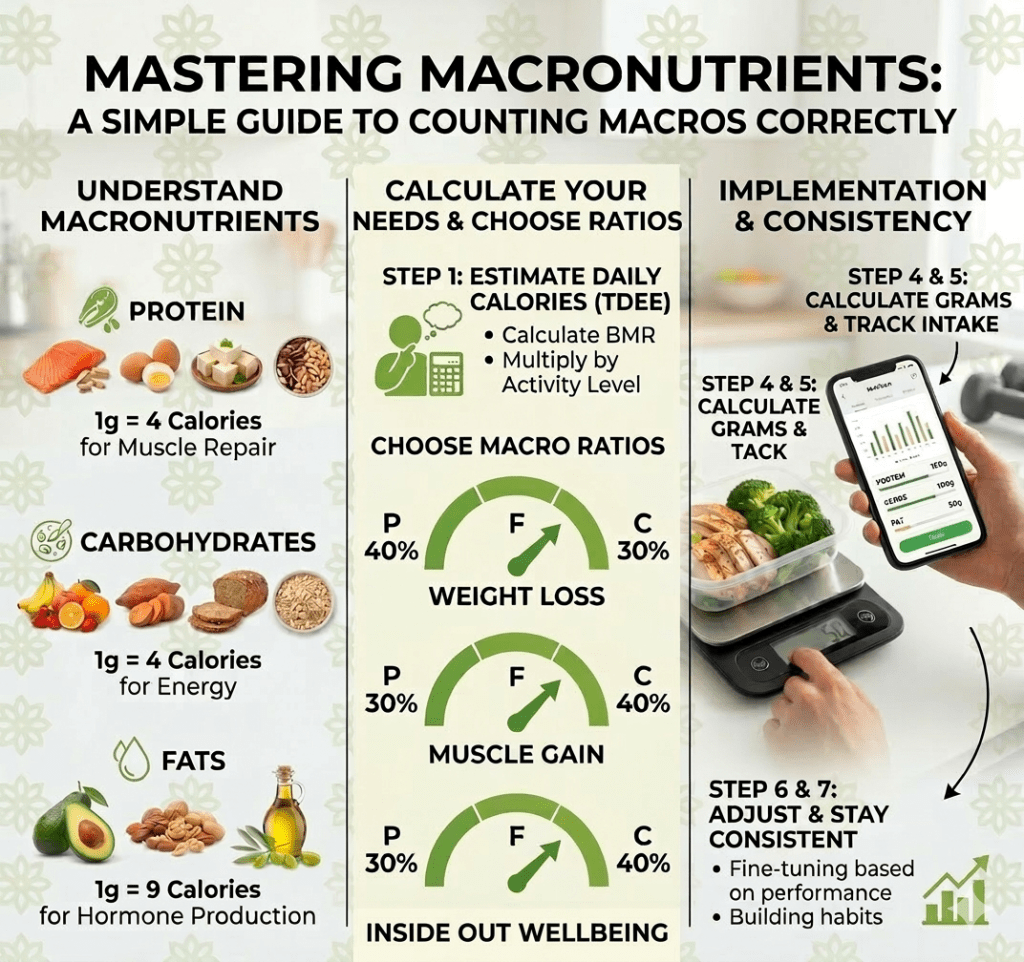
Mastering Macronutrients: A Simple Guide to Counting Macros Correctly

Whether you’re a seasoned gym-goer, an athlete, or just beginning your wellness journey, understanding macronutrients can be a game changer for reaching your health goals.

If you’ve ever wondered how to break down your diet into protein, fats, and carbohydrates to maximise results, this guide will walk you through the process step by step.

Let’s get started.

Step 1: Understand Macronutrients

Before you start counting macros, it’s important to know what they are and why they matter.

Protein

Protein is essential for muscle repair, growth, and overall body function.

1 gram of protein = 4 calories

Common sources include lean meats, fish, eggs, dairy, tofu, beans and legumes.

Fats

Healthy fats help with hormone production, brain health, and long-lasting energy.

1 gram of fat = 9 calories

Good sources include avocados, nuts, seeds, olive oil and fatty fish.

Carbohydrates

Carbohydrates are the body’s primary source of energy, especially for exercise and daily activity.

1 gram of carbohydrates = 4 calories

Healthy carbs include fruits, vegetables, whole grains and legumes.

Step 2: Calculate Your Daily Calorie Needs

To determine how many macros you should consume, you first need to estimate your daily calorie requirements.

This involves calculating your Basal Metabolic Rate (BMR) and Total Daily Energy Expenditure (TDEE).

1. Calculate Your BMR

BMR represents the calories your body needs to perform basic functions like breathing and circulation.

For men:

BMR = 88.362 + (13.397 × weight in kg) + (4.799 × height in cm) − (5.677 × age)

For women:

BMR = 447.593 + (9.247 × weight in kg) + (3.098 × height in cm) − (4.330 × age)

2. Calculate Your TDEE

Multiply your BMR by your activity level:

Activity Level Multiplier

Sedentary (little or no exercise) BMR × 1.2

Light activity (1–3 days/week) BMR × 1.375

Moderate activity (3–5 days/week) BMR × 1.55

Very active (6–7 days/week) BMR × 1.725

Extremely active (physical job/training twice daily) BMR × 1.9

Your TDEE gives you an estimate of how many calories you need each day.

Step 3: Choose Your Macronutrient Ratios

Your macro ratio depends on your health or fitness goal.

For Weight Loss

Protein: 40%

Fat: 30%

Carbohydrates: 30%

Higher protein helps maintain muscle and improves satiety.

For Muscle Gain

Protein: 30%

Fat: 30%

Carbohydrates: 40%

Extra carbs help fuel workouts and recovery.

For Maintenance

Protein: 30%

Fat: 30%

Carbohydrates: 40%

This balanced approach supports general health and energy levels.

Step 4: Convert Percentages into Grams

Once you know your daily calories and macro percentages, you can convert them into grams.

1. Calculate Calories per Macronutrient

Total Calories × Percentage

Example (2000 calories with 30% protein):

2000 × 0.30 = 600 calories from protein

2. Convert Calories into Grams

Use the calorie value of each macro:

Protein: Cal ÷ 4 Carbs: Calories ÷ 4

Fat: Calories ÷ 9

For example:

600 calories from protein ÷ 4 = 150g protein

Step 5: Track Your Food Intake

Tracking helps ensure you’re staying within your macro targets.

Use a Tracking App

Read Nutrition Labels

Check the macronutrient content per serving to track accurately.

Weigh Your Food

Using a kitchen scale ensures accurate portion sizes and macro tracking.

Step 6: Adjust and Fine-Tune

Your body is unique, so adjustments may be necessary.

Pay attention to:

Energy levels

Workout performance

Weight changes

Hunger levels

If your progress stalls, then tweak your calories or macro ratios accordingly.

Step 7: Stay Consistent

Consistency is the most important factor for long-term success.

Don’t worry about being perfect every day. Focus on building sustainable habits and finding a macro balance that works for your lifestyle.

Over time, tracking macros becomes easier and more intuitive.

Final Thoughts

Counting macronutrients might feel overwhelming at first, but with practice it becomes a powerful tool for improving your nutrition.

By understanding your calorie needs, choosing the right macro balance, and tracking your intake, you can fuel your body effectively and move closer to your health goals.

Remember: the goal isn’t perfection — it’s progress and consistency.

If you found this guide helpful, feel free to share it with friends and family who want to improve their nutrition. And if you have any tips or questions about macro tracking, drop them in the comments below!

Macronutrients 101: Balancing Carbs, Proteins, and Fats

Welcome to the world of macronutrients—the essential building blocks of our diet that keep us energised, healthy, and functioning at our best. Whether you’re a fitness enthusiast, a health-conscious eater, or just someone trying to understand what makes up your meals, understanding macronutrients is key. In this guide, we’ll break down the three main types of macronutrients, their functions, benefits, and how you can balance them for optimal health. Ready to dive in? Let’s get started!

What Are Macronutrients?

Macronutrients are nutrients that our bodies require in large amounts to function properly. They provide the energy needed for all bodily functions and are vital for overall health. There are three primary macronutrients: carbohydrates, proteins, and fats. Each plays a unique role in our body and offers its own set of benefits.

1. Carbohydrates: The Body’s Main Energy Source

What Are They?
Carbohydrates are the body’s primary source of energy, especially for high-intensity activities. They break down into glucose, which fuels your muscles and brain.

Types of Carbs:

  • Simple Carbohydrates: Found in foods like fruits, milk, and sugar. These carbs are quickly digested and provide a fast energy boost.
  • Complex Carbohydrates: Found in whole grains, legumes, and vegetables. These carbs take longer to digest and provide sustained energy.

Functions of Carbs:

  • Energy Production: Carbs are the body’s preferred source of fuel, especially during exercise or strenuous activity.
  • Brain Function: Glucose, derived from carbs, is the brain’s main energy source.

Benefits:

  • Quick Energy: Simple carbs can quickly replenish energy levels, ideal for pre- or post-workout snacks.
  • Sustained Energy: Complex carbs keep blood sugar stable and help you feel fuller for longer.

Carb-Balancing Tips:

  • Opt for whole, unprocessed carbs like oats, quinoa, and sweet potatoes.
  • Limit sugary snacks and refined grains (e.g., white bread) that spike blood sugar levels.

2. Proteins: The Body’s Building Blocks

What Are They?
Proteins are essential for tissue repair, muscle growth, and the production of enzymes and hormones. They’re often called the “building blocks” of the body.

Types of Proteins:

  • Complete Proteins: Contain all nine essential amino acids and are found in animal products like meat, eggs, and dairy, as well as plant-based sources like quinoa and soy.
  • Incomplete Proteins: Lack one or more essential amino acids and are found in most plant-based foods, like beans, lentils, and nuts.

Functions of Protein:

  • Muscle Repair & Growth: Protein helps repair tissues and build muscle after exercise.
  • Enzyme Production: It also plays a role in producing enzymes for vital biochemical reactions.

Benefits:

  • Muscle Strength: Adequate protein intake supports muscle growth and recovery, making it crucial for athletes and fitness enthusiasts.
  • Satiety: Protein helps keep you feeling full, which can assist in weight management.

Protein-Balancing Tips:

  • Incorporate a variety of protein sources in your meals—lean meats, fish, dairy, legumes, and nuts.
  • Choose plant-based proteins if you’re following a vegan or vegetarian diet.
  • Example: A hearty meal might include a grilled chicken breast (complete protein), quinoa (carb), and sautéed veggies (fibre and nutrients).

3. Fats: Essential for Overall Health

What Are They?
Fats are a dense source of energy and are crucial for maintaining cell structures and producing hormones. They also help the body absorb fat-soluble vitamins.

Types of Fats:

  • Saturated Fats: Found in animal products and certain plant oils. While necessary, they should be consumed in moderation.
  • Unsaturated Fats: Found in foods like avocados, nuts, seeds, and olive oil. These fats are heart-healthy and reduce inflammation.
  • Trans Fats: Found in processed foods and should be avoided as they can increase the risk of heart disease.

Functions of Fats:

  • Energy Storage: Fats are stored in the body as an energy reserve.
  • Cell Structure & Hormone Production: Fats are essential for building cell membranes and producing vital hormones.

Benefits:

  • Heart Health: Omega-3 fatty acids (a type of unsaturated fat) help reduce inflammation and improve cardiovascular health.
  • Nutrient Absorption: Fats are crucial for the absorption of fat-soluble vitamins (A, D, E, and K).

Fat-Balancing Tips:

  • Prioritise unsaturated fats from foods like fish, nuts, seeds, and avocados.
  • Limit saturated fats by reducing processed foods and fatty meats.
  • Avoid trans fats found in most processed snacks and fast foods.

How to Balance Your Macronutrients for Optimal Health

Balancing your macronutrients is essential for maintaining a healthy diet and achieving your fitness and wellness goals. Here’s how you can get it right:

1. Assess Your Needs:
Your macronutrient needs depend on factors like age, sex, activity level, and health goals. For example, athletes may require higher protein intake, while those following a keto diet focus on increasing fats and reducing carbs. You can use a macro calculator or consult a nutritionist for personalised advice.

2. Meal Planning & Example Meal Combinations:

  • Breakfast: Scrambled eggs (protein), whole grain toast (carb), avocado (healthy fat).
  • Lunch: Grilled chicken (protein), quinoa (carb), mixed greens with olive oil dressing (healthy fat).
  • Dinner: Salmon (protein + omega-3 fat), sweet potatoes (carb), steamed broccoli (fibre).

3. Listen to Your Body:
Pay attention to how different macronutrient ratios affect your energy levels, mood, and overall health. Do you feel sluggish after a high-carb meal? Energised after a protein-packed snack? Adjust accordingly.

Diet-Specific Tips:

  • Keto Diet: Focus on higher fat, moderate protein, and very low carbs (e.g., avocado, cheese, eggs, and leafy greens).
  • Vegan Diet: Ensure adequate protein intake from plant-based sources (e.g., lentils, beans, tofu, and tempeh) and healthy fats from nuts, seeds, and oils.
  • Balanced Diet: Emphasise variety, including all macronutrients in every meal for sustained energy and well-being.

Final Thoughts: Your Path to a Healthier You

Understanding macronutrients and how they work can transform your approach to eating and health. By learning about the types, functions, and benefits of carbohydrates, proteins, and fats, you’ll be equipped to make informed food choices that align with your goals. Remember, balance is the key—and moderation is the secret to a diet that supports both happiness and health.

Ready to take control of your nutrition?
Start by evaluating your current diet, experimenting with macronutrient ratios, and observing how your body responds. You’ll feel more energised, stronger, and healthier in no time!

Engage with Us:
I’d love to hear your experiences with macronutrients. What meals or tips have worked for you? Leave a comment below and share your thoughts!

 Feel free to share this guide with friends and family who are curious about macronutrients.

Stay healthy, stay balanced, and happy eating!

The 11 Most Nutrient-Dense Foods on the Planet

In today’s fast-paced world, where processed foods and sugary snacks dominate the market, it’s essential to prioritise nutrient-dense foods to maintain optimal health. Nutrient-dense foods are rich in essential vitamins, minerals, and other nutrients, providing us with the fuel and nourishment our bodies need to thrive. In this blog post, we’ll explore the eleven most nutrient-dense foods on the planet, each offering a powerhouse of health benefits.

Spinach

Popeye’s favourite food is a nutritional powerhouse. Spinach is packed with vitamins A, C, and K, as well as folate, iron, and calcium. It also contains beneficial phytochemical like lutein and zeaxanthin, promoting healthy vision. Incorporating spinach into salads, smoothies, and stir-fries can significantly boost your nutrient intake.

Kale

Kale is another leafy green that deserves a spot in your diet. One cup of kale provides more than 100% of the daily recommended intake of vitamins A, C, and K. Additionally, kale is a great source of antioxidants, fibre, and omega-3 fatty acids. Include kale in your meals to support heart health and reduce inflammation.

Blueberries

These little blue gems are not only delicious but also packed with antioxidants, particularly flavonoids. Antioxidants play a vital role in protecting our cells from oxidative stress and reducing the risk of age-related diseases. Blueberries are also rich in vitamin C, vitamin K, and fibre, making them a perfect addition to your breakfast or snacks.

Sweet Potatoes

Sweet potatoes are a rich source of complex carbohydrates, fibre, and an array of vitamins and minerals, including vitamin A, vitamin C, potassium, and manganese. They have a lower glycemic index than regular potatoes, making them an excellent choice for stable blood sugar levels.

Almonds

Almonds are a convenient and nutrient-dense snack. They are packed with healthy monounsaturated fats, which are beneficial for heart health. Almonds also provide protein, fibre, vitamin E, magnesium, and calcium, making them a well-rounded food for overall wellness.

Quinoa

Quinoa is a complete protein, containing all nine essential amino acids required by the body. It’s also a good source of fibre, iron, magnesium, and B-vitamins. This ancient grain is an excellent option for vegans and vegetarians looking to boost their nutrient intake.

Chia Seeds

Chia seeds are tiny nutritional powerhouses that pack a punch of omega-3 fatty acids, fibre, protein, calcium, and antioxidants. When soaked, chia seeds form a gel-like consistency, which can be used in puddings, smoothies, or as an egg substitute in baking.

Broccoli

Broccoli is a cruciferous vegetable known for its cancer-fighting properties. It’s rich in vitamins C, K, and A, as well as finer and various antioxidants. Regularly consuming broccoli can support a healthy immune system and promote overall well-being.

Beans and Lentils

Beans and lentils are excellent sources of plant-based protein, making them vital for vegans and vegetarians. They are also high in fibre, iron, potassium, and folate. Adding these legumes to your diet can improve heart health and aid in digestion.

Avocado

Avocado is a unique fruit because it’s high in healthy monounsaturated fats. These fats are beneficial for heart health and can help with nutrient absorption from other foods. Avocados also contain potassium, fibre, and vitamins K, C, E, and B-6.

Incorporating nutrient-dense foods into your diet can significantly impact your overall health and well-being. From leafy greens like spinach and kale to protein-packed salmon and quinoa, these foods provide an abundance of essential nutrients that support various bodily functions. Embrace a balanced diet with these eleven nutrient-dense foods, and you’ll be well on your way to a healthier and more vibrant life. Remember, small changes in your eating habits can make a big difference in your long-term health.

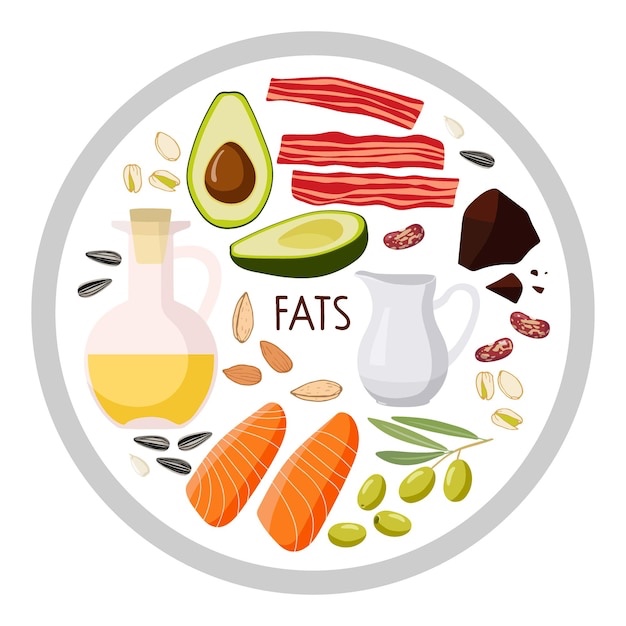
Let’s talk about the macronutrient FAT.

macronutrient: FAT

Let’s talk about the macronutrient FAT

Fat breaks down into fatty acids to provide the body with energy. Apart from being a rich source of energy, it has many of the essential roles in the body:

Provides the body with essential fatty acids.

structural compounds, which body is unable to produce itself and can only get from food.

absorb fat-soluble vitamins.

Creates hormones.

promotes healthy skin and hair.

Essential for brain health, as the brain is composed of 60% fat.

Fats found in the following foods:

Oils – olive, canola, sunflower, vegetable, soybean, sesame, peanut, etc

Dairy: Butter, margarine,
Full fat and 2% dairy &
Eggs.

Meat, poultry and
fish.
Nuts & seeds
Avocado

Trans fats should be cut out or reduced from thr diet. They mostly come from hydrogenating or adding hydrogen molecules to unsaturated fats. It can be found in margarine, shortening, baked goods, doughs, and fried foods.

Large quantities of saturated fat caused high cholesterol levels and increase risk of heart disease. It’s very
beneficial to reduce the amount of saturated fat in diet. Saturated fat is found mainly in animal sources like, fatty beef, lamb, pork, poultry with skin, lard, cream, butter, full fat cheese, and dairy.

Unsaturated fats are healthy fats and can help with decreasing thr risk of heart disease. They originate from plant sources; avocados, nuts and nut butters, seeds, olives, and oils (olive, canola, safflower etc.). Also found animal products like, fatty fish including salmon, mackerel, sardines, tuna, and herring.