8 Weight-Free Exercises to Tone Your Arms.

Want to work on your arms but don’t have any weights at home?

Don’t worry. I got you covered. You really don’t need a cupboard full of gym equipment to get started. There are plenty of exercises you can do using just your own body weight, and some of them are surprisingly challenging!

As a Wellness and Nutrition coach, I always encourage my clients to keep their workout routine simple and realistic. If an exercise routine feels complicated, expensive or like something you have to spend hours doing, it’s much harder to stick with it.

So, if you’re looking for a few easy exercises to add into your week, here are eight worth trying.

What does “toning” actually mean?

We hear the word toning all the time, especially when it comes to arms, stomachs and legs.

Technically, there’s no special exercise that “tones” fat from one particular part of your body. You can strengthen and build muscle in a particular area, but where your body stores and loses fat is influenced by things such as genetics, hormones and your overall lifestyle. That’s why I prefer to focus on getting stronger and feeling good in your body, rather than chasing a particular look.

  1. Arm CirclesLet’s start with something really simple. Arm circles are great as a warm-up, but don’t dismiss them just because they look easy. After a while, you may start to feel your shoulders working.Stand comfortably with your feet around hip-width apart.Stretch your arms out to the sides and start making small circles. Gradually make them a little bigger if that feels comfortable.After 20–30 seconds, change direction.Try: 20–30 seconds in each direction.My tip: Keep your shoulders relaxed. There’s no need to shrug them up towards your ears.
  2. Standing Front RaisesYou don’t need dumbbells to practise controlled arm raises.This is a nice, simple movement for your shoulders and can easily be done while you’re waiting for the kettle to boil!Stand tall with your arms by your sides.Keeping your core gently engaged, slowly raise both arms in front of you. Lift them to a comfortable height and then slowly lower them again.Try not to swing your arms. The slower you go, the more you’ll notice the muscles working.Try: 2–3 sets of 10–15 repetitions.If both arms feel too tiring, then work one arm at a time.
  3. Standing Lateral RaisesThis time, you’re taking your arms out to the sides.Again, the temptation is to rush through the movement, but try not to. Controlled movements are your friend here.Stand tall with your arms by your sides.Keeping a slight bend in your elbows, slowly lift your arms out to the sides.You don’t have to get them perfectly level with your shoulders. Go as far as feels comfortable and then lower them slowly.Try: 2–3 sets of 10–15 repetitions.Remember: If you notice yourself shrugging your shoulders, take a little break and reset.
  4. Wall AngelsThis is one of those exercises that looks incredibly simple until you actually try it!Wall angels work your shoulders and upper body while also encouraging good posture and shoulder movement.

How to do them

Stand with your back against a wall.

Place your arms so your elbows are bent, roughly like you’re making a cactus shape with your arms.

Slowly move your arms upwards and then bring them back down.

Don’t worry if your arms don’t stay completely flat against the wall. Everyone has different mobility.

The aim is to move comfortably and with control, not to force your body into a position it doesn’t like.

Try: 2 sets of 8–12 repetitions.

  1. Plank Shoulder TapsNow we’re making things a little harder.Plank shoulder taps are great because your arms and shoulders are working, but your core has to work hard too.Start in a high plank position with your hands underneath your shoulders.Keep your body as still as you can.Lift one hand and gently tap the opposite shoulder. Put your hand back down and repeat on the other side.The trick is trying not to rock your hips from side to side.Try: 6–10 taps on each side for 2–3 sets.

New to planks?

Put your knees on the floor.

There’s absolutely nothing wrong with modifying an exercise. In fact, I’d much rather see you doing an easier version with good control than struggling through a harder version with poor form.

  1. Downward Dog to PlankThis is a lovely full-body movement and a good one to include if you don’t want your workout to feel like you’re simply moving your arms up and down.

How to do it

Start in a high plank.

Push your hips back and up into a downward-facing dog position.

Take a breath, then slowly move forwards into your plank again.

Keep the movement steady and controlled.

Try: 8–12 repetitions.

If your wrists don’t enjoy this position, take a break and try another exercise instead.

  1. Push-UpsI couldn’t write an article about strengthening your arms without mentioning the one and only push-ups.They’re a classic for a reason.Push-ups work your chest, shoulders and triceps, while your core helps keep your body stable.But here’s something I want you to remember: you don’t have to do a full push-up.

Try this instead

If you’re a beginner, start with wall push-ups.

Once those become easier, move to an incline push-up using a sturdy worktop or bench.

From there, you can gradually work towards doing them from the floor.

For a standard push-up

Start in a high plank position.

Bend your elbows and slowly lower your body towards the floor, keeping your body in a strong, straight position.

Then push yourself back up.

Try: 2–3 sets of 5–12 repetitions.

And if you can only manage three good ones, that’s three more than you could do before!

  1. Triceps DipsTriceps dips can be done using a sturdy chair, although you do need to make sure it is completely stable and won’t move underneath you.

How to do them

Sit on the edge of the chair and place your hands beside your hips.

Carefully move your bottom just beyond the edge of the chair.

Keep your feet on the floor and bend your elbows slightly to lower yourself.

Then press through your hands to come back up.

You don’t need to go very low.

In fact, I’d recommend starting with a small movement and seeing how your shoulders feel.

Try: 2 sets of 6–10 repetitions.

If dips don’t feel comfortable for your shoulders, leave them out. There are plenty of other ways to work your triceps.

A Simple Arm Workout You Can Do at Home

If you’re wondering how to put all of these exercises together, I have put together a simple routine as a starting point.

Warm-up

Spend around two minutes doing:

Arm circles

Shoulder rolls

Marching on the spot

Then work through the exercises below:

ExerciseAmount
Arm circles30 seconds
Standing front raises10–15
Wall angels8–12
Plank shoulder taps6–10 each side
Push-ups5–12
Triceps dips6–10

Have a rest whenever you need one.

Start with one round if you’re new to exercise and when that starts to feel comfortable, try doing two rounds.

Remember, you don’t need to finish the workout dripping with sweat for it to have been worthwhile.

How often should you do arm exercises?

For most people, two strength sessions a week is a sensible place to start.

You don’t need to train your arms every single day.

Your muscles need time to recover, particularly when you’re doing exercises that challenge them.

And as you get stronger, don’t feel that you have to keep adding more and more repetitions.

Instead, you can make the exercise itself a little harder.

For example, you might:

Add a few more repetitions

Slow the movement down

Try a more challenging variation

Increase your range of movement

Eventually add resistance bands or weights

That’s how you keep giving your body a reason to adapt.

What about nutrition?

This is the bit that often gets overlooked.

If you’re exercising because you want to become stronger and feel healthier, then your nutrition matters.

Your body needs fuel to exercise and nutrients to help recover.

Try to include a good source of protein in all your meals. This could be Greek yoghurt, tofu, beans, lentils or another protein-rich food you enjoy. It doesn’t have to be overcomplicated or expensive.

Don’t forget your carbohydrates.

Foods such as oats, potatoes, rice, wholegrains and fruit aren’t something you need to be afraid of. They will provide you with valuable energy, particularly when you’re active.

Then equally important are your fruit, vegetables and healthy fats.

What most people don’t pay attention to is hydration, which is key for a healthy body. If you are not fully hydrated, you will not see the results from your workout and nutrition.

You don’t need to eat a fancy or expensive diet to achieve proper nutrition. I always coach my clients about the 80/20 rule.

You don’t need a gym to get stronger

One of the things I love about bodyweight exercises is how accessible they are. You can do many of them at home, when you’re travelling, or even when you only have 10–15 minutes to spare. This is how I started my journey.

A little note from me

If you’re new to exercise, have an injury or experience pain while doing any of these movements, please get appropriate professional advice from your GP before continuing.

Exercise should challenge you, but it shouldn’t hurt.

The Power of Protein: Why It Matters for Your Health Beyond the Gym.

When you hear the word protein, what comes to mind? For many people, it is gym workouts, fitness goals, or building muscle. But protein is not just for athletes or people who spend hours in the gym. It is something our bodies need every day to stay strong, healthy, and supported.

Following on from my previous blog about muscle mass, I wanted to explore the important role protein plays in our overall wellbeing.

At Inside Out Wellbeing, I believe looking after our health starts with understanding our bodies and giving them the care they need. Nutrition is not about strict rules or trying to be perfect — it is about making choices that help us feel good, have energy, and support our wellbeing from the inside out.

Why Is Protein Important?

Protein is one of the essential nutrients our bodies rely on. It helps repair and maintain tissues, supports our muscles, and plays an important role in keeping our bodies functioning properly.

Our bodies are constantly working behind the scenes repairing cells, supporting our immune system, and helping us move, think, and recover. Protein provides the building blocks our bodies need for these everyday processes.

Protein and Maintaining Muscle Strength

As we get older, keeping our muscles strong becomes even more important. Muscle is not just about appearance; it supports the things we do every day, from carrying shopping bags to climbing stairs and staying active.

Including enough protein in our diet can help support:

  • Maintaining muscle strength
  • Recovery after activity
  • Mobility and independence
  • Healthy ageing

Looking after our muscles is one of the ways we can support our future health and continue doing the activities we enjoy.

Protein Is About More Than Muscle

While protein is well known for supporting muscle, its benefits go beyond that.

Protein can also help us:

  • Feel satisfied after meals
  • Maintain steady energy throughout the day
  • Support the body’s natural repair process
  • Create balanced and nourishing meals

When we eat well, we are not just feeding our bodies we are supporting our overall wellbeing.

Easy Ways to Add More Protein Into Your Meals

Adding protein to your meals does not need to be complicated or expensive.

Some everyday sources of protein include:

  • Greek yoghurt
  • Beans and lentils
  • Nuts and seeds
  • Tofu and other plant-based options

A simple way to start is by looking at your meals and asking:

Have I included something that will nourish and support my body?

Small changes can make a difference over time.

Finding Balance With Food

It is important to remember that nutrition is personal. What works for one person may not work for another, and there is no perfect way of eating.

Food should not create stress or guilt. It should be something that supports our health while still bringing enjoyment and connection.

A balanced approach is about listening to your body, making informed choices, and finding what works for you.

Final Thoughts

Protein is an important part of a healthy lifestyle, but it is only one piece of the wellbeing puzzle.

Alongside regular movement, good quality sleep, hydration, and looking after our mental health, nourishing our bodies with the right foods can help us feel stronger and more energised.

Our bodies support us through every stage of life. Taking care of them through simple, everyday choices is one of the greatest forms of self-care.

Small steps, consistent habits, and a little understanding can help us build a healthier relationship with our bodies from the inside out.

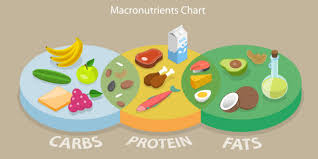
Macronutrients 101: Balancing Carbs, Proteins, and Fats

Welcome to the world of macronutrients—the essential building blocks of our diet that keep us energised, healthy, and functioning at our best. Whether you’re a fitness enthusiast, a health-conscious eater, or just someone trying to understand what makes up your meals, understanding macronutrients is key. In this guide, we’ll break down the three main types of macronutrients, their functions, benefits, and how you can balance them for optimal health. Ready to dive in? Let’s get started!

What Are Macronutrients?

Macronutrients are nutrients that our bodies require in large amounts to function properly. They provide the energy needed for all bodily functions and are vital for overall health. There are three primary macronutrients: carbohydrates, proteins, and fats. Each plays a unique role in our body and offers its own set of benefits.

1. Carbohydrates: The Body’s Main Energy Source

What Are They?
Carbohydrates are the body’s primary source of energy, especially for high-intensity activities. They break down into glucose, which fuels your muscles and brain.

Types of Carbs:

  • Simple Carbohydrates: Found in foods like fruits, milk, and sugar. These carbs are quickly digested and provide a fast energy boost.
  • Complex Carbohydrates: Found in whole grains, legumes, and vegetables. These carbs take longer to digest and provide sustained energy.

Functions of Carbs:

  • Energy Production: Carbs are the body’s preferred source of fuel, especially during exercise or strenuous activity.
  • Brain Function: Glucose, derived from carbs, is the brain’s main energy source.

Benefits:

  • Quick Energy: Simple carbs can quickly replenish energy levels, ideal for pre- or post-workout snacks.
  • Sustained Energy: Complex carbs keep blood sugar stable and help you feel fuller for longer.

Carb-Balancing Tips:

  • Opt for whole, unprocessed carbs like oats, quinoa, and sweet potatoes.
  • Limit sugary snacks and refined grains (e.g., white bread) that spike blood sugar levels.

2. Proteins: The Body’s Building Blocks

What Are They?
Proteins are essential for tissue repair, muscle growth, and the production of enzymes and hormones. They’re often called the “building blocks” of the body.

Types of Proteins:

  • Complete Proteins: Contain all nine essential amino acids and are found in animal products like meat, eggs, and dairy, as well as plant-based sources like quinoa and soy.
  • Incomplete Proteins: Lack one or more essential amino acids and are found in most plant-based foods, like beans, lentils, and nuts.

Functions of Protein:

  • Muscle Repair & Growth: Protein helps repair tissues and build muscle after exercise.
  • Enzyme Production: It also plays a role in producing enzymes for vital biochemical reactions.

Benefits:

  • Muscle Strength: Adequate protein intake supports muscle growth and recovery, making it crucial for athletes and fitness enthusiasts.
  • Satiety: Protein helps keep you feeling full, which can assist in weight management.

Protein-Balancing Tips:

  • Incorporate a variety of protein sources in your meals—lean meats, fish, dairy, legumes, and nuts.
  • Choose plant-based proteins if you’re following a vegan or vegetarian diet.
  • Example: A hearty meal might include a grilled chicken breast (complete protein), quinoa (carb), and sautéed veggies (fibre and nutrients).

3. Fats: Essential for Overall Health

What Are They?
Fats are a dense source of energy and are crucial for maintaining cell structures and producing hormones. They also help the body absorb fat-soluble vitamins.

Types of Fats:

  • Saturated Fats: Found in animal products and certain plant oils. While necessary, they should be consumed in moderation.
  • Unsaturated Fats: Found in foods like avocados, nuts, seeds, and olive oil. These fats are heart-healthy and reduce inflammation.
  • Trans Fats: Found in processed foods and should be avoided as they can increase the risk of heart disease.

Functions of Fats:

  • Energy Storage: Fats are stored in the body as an energy reserve.
  • Cell Structure & Hormone Production: Fats are essential for building cell membranes and producing vital hormones.

Benefits:

  • Heart Health: Omega-3 fatty acids (a type of unsaturated fat) help reduce inflammation and improve cardiovascular health.
  • Nutrient Absorption: Fats are crucial for the absorption of fat-soluble vitamins (A, D, E, and K).

Fat-Balancing Tips:

  • Prioritise unsaturated fats from foods like fish, nuts, seeds, and avocados.
  • Limit saturated fats by reducing processed foods and fatty meats.
  • Avoid trans fats found in most processed snacks and fast foods.

How to Balance Your Macronutrients for Optimal Health

Balancing your macronutrients is essential for maintaining a healthy diet and achieving your fitness and wellness goals. Here’s how you can get it right:

1. Assess Your Needs:
Your macronutrient needs depend on factors like age, sex, activity level, and health goals. For example, athletes may require higher protein intake, while those following a keto diet focus on increasing fats and reducing carbs. You can use a macro calculator or consult a nutritionist for personalised advice.

2. Meal Planning & Example Meal Combinations:

  • Breakfast: Scrambled eggs (protein), whole grain toast (carb), avocado (healthy fat).
  • Lunch: Grilled chicken (protein), quinoa (carb), mixed greens with olive oil dressing (healthy fat).
  • Dinner: Salmon (protein + omega-3 fat), sweet potatoes (carb), steamed broccoli (fibre).

3. Listen to Your Body:
Pay attention to how different macronutrient ratios affect your energy levels, mood, and overall health. Do you feel sluggish after a high-carb meal? Energised after a protein-packed snack? Adjust accordingly.

Diet-Specific Tips:

  • Keto Diet: Focus on higher fat, moderate protein, and very low carbs (e.g., avocado, cheese, eggs, and leafy greens).
  • Vegan Diet: Ensure adequate protein intake from plant-based sources (e.g., lentils, beans, tofu, and tempeh) and healthy fats from nuts, seeds, and oils.
  • Balanced Diet: Emphasise variety, including all macronutrients in every meal for sustained energy and well-being.

Final Thoughts: Your Path to a Healthier You

Understanding macronutrients and how they work can transform your approach to eating and health. By learning about the types, functions, and benefits of carbohydrates, proteins, and fats, you’ll be equipped to make informed food choices that align with your goals. Remember, balance is the key—and moderation is the secret to a diet that supports both happiness and health.

Ready to take control of your nutrition?
Start by evaluating your current diet, experimenting with macronutrient ratios, and observing how your body responds. You’ll feel more energised, stronger, and healthier in no time!

Engage with Us:
I’d love to hear your experiences with macronutrients. What meals or tips have worked for you? Leave a comment below and share your thoughts!

 Feel free to share this guide with friends and family who are curious about macronutrients.

Stay healthy, stay balanced, and happy eating!

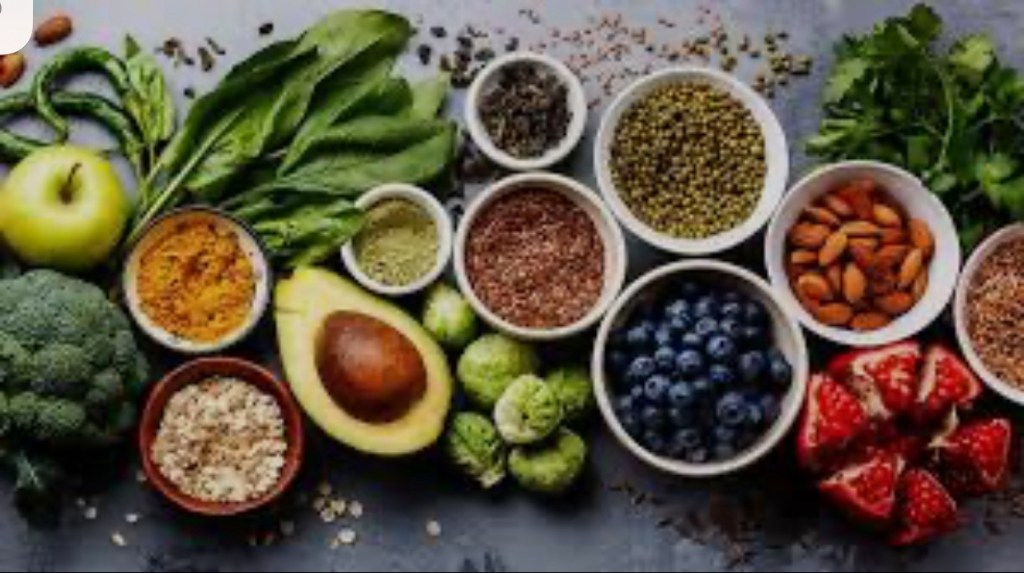
Top 10 Nutrient-Dense Vegan Foods

in a world where health and wellness are more important than ever people are turning to plant-based diets for their myriad benefits. But with all the options out there, how do you know which vegan foods are the most nutrient-dense? We’ve got you covered! This blog is your ultimate guide to the most powerful plant-based foods that pack a nutritional punch.

1. Kale: The King of Greens

Kale has earned its crown as one of the most nutrient-dense foods on the planet. Rich in vitamins A, C, and K, kale is a powerhouse of antioxidants and anti-inflammatory compounds. Just one cup provides more than your daily requirement of vitamin K, which is crucial for bone health and blood clotting. Whether you blend it into a smoothie, toss it in a salad, or bake it into crispy chips, kale is a must-have in your diet.

2. Chia Seeds: Tiny but Mighty

Don’t be fooled by their size—chia seeds are a nutritional powerhouse. These tiny seeds are loaded with fibre, omega-3 fatty acids, protein, and essential minerals like calcium and magnesium. Just two tablespoons of chia seeds contain about 10 grams of fibre, making them a terrific addition to smoothies, oatmeal, or even as a vegan egg substitute in baking.

3. Sweet Potatoes: Nature’s Candy

Sweet potatoes are not only delicious but also incredibly nutritious. They are packed with beta-carotene, which your body converts into vitamin A, vital for maintaining healthy vision and a strong immune system. They also provide a good amount of fibre, vitamin C, and potassium. Roast them, mash them, or turn them into fries—sweet potatoes are a versatile and nutrient-rich addition to any meal.

4. Quinoa: The Complete Protein Grain

Quinoa is one of the few plant-based foods that provide all nine essential amino acids, making it a complete protein. This gluten-free grain is also high in fibre, iron, magnesium, and B-vitamins. Quinoa’s nutty flavour and fluffy texture make it a great base for salads, bowls, and even breakfast porridge.

5. Spinach: The Iron-Clad Leafy Green

Spinach is a leafy green that’s packed with iron, especially important for those on a plant-based diet. It’s also high in vitamins A and C, calcium, and folate, making it a nutrient-dense addition to any meal. Enjoy it raw in salads, sautéed as a side dish, or blended into smoothies for an extra nutrient boost.

6. Lentils: The Protein-Packed Legume

Lentils are an excellent source of plant-based protein, fibre, and essential nutrients like folate, iron, and manganese. They’re also incredibly versatile and can be used in soups, stews, salads, or even as a meat substitute in burgers. Lentils are particularly beneficial for heart health, as they help lower cholesterol and stabilize blood sugar levels.

7. Broccoli: The Detox Dynamo

Broccoli is another cruciferous vegetable that’s incredibly nutrient-dense. It’s high in vitamins C and K, fibre, and potassium, and it also contains sulforaphane, a compound that may help with detoxification and cancer prevention. Whether steamed, roasted, or raw, broccoli is a vegetable that should be on your plate.

8. Flaxseeds: The Omega-3 Booster

Flaxseeds are one of the best plant-based sources of alpha-linolenic acid (ALA), a type of omega-3 fatty acid that supports heart health. They are also high in lignans, which have antioxidant properties, and fibre. Ground flaxseeds can be added to smoothies, oatmeal, or used as an egg replacement in baking.

9. Avocado: The Creamy Nutrient Bomb

Avocados are rich in healthy monounsaturated fats, which are great for your heart. They’re also loaded with fibre, potassium, and vitamins C, E, K, and B-6. The creamy texture of avocados makes them perfect for spreading on toast, adding to salads, or blending into smoothies.

10. Seaweed: The Ocean’s Superfood

Seaweed is a nutrient-dense food that’s rich in iodine, which is essential for thyroid function. It’s also high in calcium, magnesium, and vitamins, including A, C, E, and K. Seaweed can be eaten as snacks, used in soups, or added to salads and sushi for a mineral boost.

How to Incorporate These Nutrient-Dense Foods into Your Diet

Now that you know which vegan foods are the most nutrient-dense, it’s time to start incorporating them into your daily meals. Here are simple tips:

  • Start your day with a green smoothie: Blend kale or spinach with fruits, chia seeds, and flaxseeds for a nutrient-packed breakfast.
  • Make nutrient-dense bowls: Combine quinoa or lentils with roasted sweet potatoes, broccoli, and avocado for a hearty, healthy meal.
  • Snack smart: Munch on seaweed snacks or add a sprinkle of chia or flaxseeds to your yogurt or oatmeal.
  • Power up your salads: Add a mix of leafy greens, avocado, and a sprinkle of nuts or seeds for a filling and nutritious salad.

Final Thoughts

Eating a nutrient-dense vegan diet is easier than you might think. By incorporating these superfoods into your meals, you’ll be fuelling your body with the vitamins, minerals, and antioxidants it needs to thrive. Whether you’re a seasoned vegan or just starting your plant-based journey, these foods are sure to elevate your health and wellbeing.

So, what are you waiting for? Start adding these nutrient-dense powerhouses to your plate today and feel the difference!

Join the conversation: What is your favourite nutrient-dense vegan foods? Share your thoughts and recipes in the comments below!

Simple Steps to Kickstart Your Healthier Eating Journey

Embarking on a journey towards healthier eating may initially feel overwhelming, especially with the sea of confusing advice and intricate kale smoothie recipes out there. However, fear not, because adopting a healthier diet doesn’t have to be complicated; it can be both delicious and straightforward. Let’s delve into some uncomplicated steps to initiate your journey toward healthier eating within a week.

1. Embrace Fibre and Whole Foods

Adults require approximately 30g of fibre daily, yet the average intake hovers around 19g—a gap that many of us can work on closing. fibber, found in fruits, vegetables, grains, and legumes, is crucial for digestive health. It aids in maintaining smooth digestion, preventing constipation, and even reducing the risk of chronic diseases such as bowel cancer, heart disease, stroke, and type 2 diabetes.

Tips for increasing your fibber intake:

• Opt for wholegrain foods like brown bread and porridge over processed cereals.

• Snack on vegetables and fruits.

• Include beans, lentils, and nuts in your meals and snacks.

2. Aim for At Least 5 Servings of Fruits and Vegetables Daily

Variety is key when it comes to fruits and vegetables. They not only provide essential vitamins and minerals but also contribute to your daily fibre intake. Your diet should ideally consist of a third of fruits and vegetables, so strive for this balance with every meal.

Ways to increase your fruit and veg intake:

• Add fruits to your breakfast.

• Incorporate finely diced vegetables into main dishes.

• Roast vegetables with an array of herbs and spices.

• Blend vegetables into dips like red pepper and garlic hummus.

3. Diversify Your Protein Sources

Variety in protein sources is not only beneficial for your health but also for the planet. Opt for alternatives to red and processed meats, such as beans, lentils, nuts, and oily fish.

Creative protein choices to explore:

• Substitute half of your mince with beans or lentils.

• Snack on roasted nuts.

• Experiment with different beans for homemade hummus.

• Incorporate protein into your snacks to stay satisfied.

4. Stay Hydrated

Proper hydration is vital for overall well-being. The UK Eat Well Guide suggests consuming about 1.2-1.5 litres of water daily, with additional intake for exercise or sweat loss. Staying hydrated aids in mood stability, focus, digestion, and cellular function.

Tips to stay hydrated:

• Carry a reusable water bottle with your favourite infusions like lemon or mint.

• Create a hydration station at work with various mix-ins and cups.

• Enjoy warm hydration through herbal teas.

5. Indulge in Moderation

Healthy eating doesn’t mean forgoing indulgence entirely. It’s perfectly fine to treat yourself occasionally; in fact, it’s essential for mental balance. Whether it’s a slice of cake at a party or your favourite ice cream on a sunny day, savouring these moments can help curb cravings and maintain your sanity.

Tips for balanced indulgence:

• Limit treats to special occasions or once a week.

• Be mindful of alcohol consumption due to its lasting impact.

6. Plan Ahead

Planning your meals can save you from last-minute meal dilemmas. Spend a few minutes each week preparing a grocery list, prepping ingredients, and batch cooking if possible. Having healthy options readily available makes it easier to resist fast food temptations or office vending machines.

Effective meal planning strategies:

• Utilize the freezer to store prepared meals.

• Plan for healthier snacks to curb hunger.

• Remember, a balanced lifestyle is not an ‘all or nothing’ approach—be kind to yourself if plans don’t go as intended.

By incorporating these simple steps into your routine, you can kickstart your journey toward healthier eating without feeling overwhelmed. Start small, stay consistent, and celebrate your progress along the way!

The Importance of Protein as We Get Older


Aging is a natural process that brings with it a multitude of changes in our bodies. From wrinkles and grey hair to slower metabolism and decreased muscle mass, these changes are an inevitable part of life. However, there’s something we can do to maintain our vitality and health as we age: prioritize our protein intake. In this blog post, we’ll explore the crucial role that protein plays in the aging process and why it becomes increasingly important as we get older.


Understanding Protein

Protein is one of the three macronutrients, alongside carbohydrates and fats, and is essential for our overall well-being. It is often referred to as the building block of life because it plays a fundamental role in the structure and function of our bodies. Proteins are made up of amino acids, which are the building blocks of cells, tissues, and organs.


The Importance of Protein Throughout Life

Protein is important throughout our lives, from infancy to old age. It aids in growth and development during childhood and adolescence, helps maintain and repair tissues during adulthood, and becomes particularly crucial as we enter our senior years. Here’s why protein is so vital as we age:


Preserving Muscle Mass: As we age, we naturally lose muscle mass, a condition known as sarcopenia. This loss of muscle can lead to reduced strength, mobility, and increased risk of falls and fractures. Protein intake helps preserve and even build muscle, helping seniors maintain their independence and quality of life.


Supporting Bone Health: Older adults are also at risk of bone loss and osteoporosis. Protein intake, along with other bone-healthy nutrients like calcium and vitamin D, contributes to maintaining strong and healthy bones.


Immune Function: Amino acids from dietary protein play a critical role in immune function. A well-functioning immune system is essential for defending against infections and illnesses, which can be more severe in older individuals.


Wound Healing: Older adults may experience slower wound healing due to reduced collagen production. Protein is essential for collagen synthesis, which speeds up the healing process.


Metabolism and Weight Management: Maintaining a healthy weight becomes increasingly important as we age. Protein can help by boosting metabolism, reducing appetite, and supporting weight management.


Cognitive Health: Protein is also necessary to produce neurotransmitters and hormones that affect cognitive function. A diet rich in protein may help protect against cognitive decline and neurodegenerative diseases.


How Much Protein Do Older Adults Need?

The recommended daily intake of protein varies depending on factors like age, sex, and activity level. However, as a general guideline, older adults should aim for a minimum of 1.0 to 1.2 grams of protein per kilogram of body weight per day. This means that a sedentary older adult weighing 70 kilograms (154 pounds) should consume at least 70 to 84 grams of protein daily. Those who are physically active or trying to build muscle may need even more.


Sources of Protein

Getting enough protein can be achieved through a balanced diet that includes a variety of protein-rich foods. Some excellent sources of protein include:

Lean meats, such as chicken, turkey, and fish.

Eggs and dairy products like yogurt and cottage cheese.

Legumes, such as beans, lentils, and chickpeas.

Nuts and seeds, like almonds, peanuts, and chia seeds.

Tofu and other soy products.

Whole grains like quinoa and brown rice.


Protein is a crucial nutrient for all stages of life, but its importance becomes more pronounced as we age. It plays a vital role in preserving muscle mass, supporting bone health, maintaining a strong immune system, and promoting overall well-being. Older adults should pay attention to their protein intake and ensure they meet their daily requirements through a balanced and nutritious diet. By prioritizing protein, we can improve our quality of life and age gracefully, enjoying the benefits of good health well into our golden years.


Fuelling Your Day Right: Best Breakfast for Exercise

They say breakfast is the most important meal of the day, and when you’re planning to exercise, it’s even more critical. Whether you’re an early riser hitting the gym, a dedicated runner, or just looking to maintain a healthy lifestyle, what you eat for breakfast can significantly impact your workout performance. In this blog, we’ll explore the best breakfast options to help you power through your exercise routine and achieve your fitness goals.


Oatmeal Power

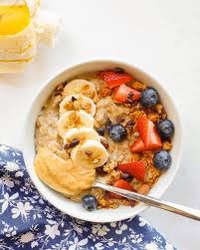
Start your day with a bowl of oatmeal, and you’ll be well on your way to a successful workout. Oats are rich in complex carbohydrates, which provide a steady release of energy, keeping you fuelled throughout your exercise session. They’re also an excellent source of fibre, promoting digestive health. Top your oatmeal with some berries and a drizzle of honey for added antioxidants and natural sweetness.


Greek Yogurt Parfait

Greek yogurt is a protein-packed breakfast option that’s great for muscle recovery and building. Pair it with some granola for carbohydrates and nuts or seeds for healthy fats and extra crunch. Add a few slices of fresh fruit for a natural sweetness that’ll give you the energy boost you need to power through your workout.


Whole Grain Toast with Nut Butter

Whole grain toast with almond, peanut, or cashew butter is a delicious and balanced breakfast option. The combination of complex carbohydrates from the bread and healthy fats and protein from the nut butter provides a sustained source of energy. Add some sliced bananas or strawberries on top for extra nutrients and flavour.


Scrambled Eggs with Veggies

Eggs are a fantastic source of high-quality protein and essential nutrients like choline and vitamin B12. Scramble them up with some colourful vegetables like spinach, bell peppers, and tomatoes for added vitamins, minerals, and fibre. This savoury breakfast will keep you full and energized for your morning workout.


Smoothie Sensation

If you’re short on time, a nutritious smoothie can be your go-to breakfast option. Blend together some spinach, frozen berries, a banana, Greek yogurt, and a scoop of protein powder for a quick and convenient pre-workout meal. The combination of carbohydrates, protein, and antioxidants will give you the energy and nutrients needed for your exercise routine.


Avocado Toast

Avocado toast has become a trendy breakfast choice for a reason – it’s packed with healthy fats, fibre, and essential nutrients. Spread mashed avocado on whole grain toast and top it with a sprinkle of salt, pepper, and red pepper flakes for a flavourful kick. This breakfast option provides long-lasting energy and keeps you feeling satisfied.


Quinoa Breakfast Bowl

Quinoa is a versatile grain that’s high in protein and complex carbohydrates. Cook it up and top it with your favourite breakfast toppings, such as sliced almonds, honey, and fresh fruit. This savoury and sweet combination is perfect for those who prefer a heartier breakfast before hitting the gym.


The right breakfast can make a world of difference in your exercise performance. Whether you prefer a quick and easy smoothie or a hearty quinoa bowl, choosing a balanced meal with a combination of carbohydrates, protein, and healthy fats will set you up for success in your workout routine. Remember to also stay hydrated by drinking water before and during your exercise, as proper hydration is essential for optimal performance. So, fuel your body right, and you’ll be well on your way to achieving your fitness goals.

How to Recover From DOMS:

Delayed Onset Muscle Soreness, commonly known as DOMS, is a familiar sensation for anyone who has ever embarked on a new exercise routine or intensified their workouts. While it can be uncomfortable, DOMS is a natural response to the stress placed on your muscles during physical activity. The good news is that there are effective ways to alleviate this soreness and accelerate your recovery. In this blog, we’ll explore how to recover from DOMS and get back to your fitness routine feeling refreshed and ready to go.

Understanding DOMS


DOMS typically manifests as muscle stiffness, tenderness, and pain that peaks 24 to 48 hours after strenuous exercise. It is believed to result from microscopic damage to muscle fibres, inflammation, and the accumulation of waste products in the muscles. Although it can be uncomfortable, it’s a sign that your body is adapting and becoming stronger. However, it’s essential to manage DOMS to ensure you can continue exercising without risking injury or burnout.


Here’s a step-by-step guide to help you recover from DOMS:


Rest and Recovery

The first and most crucial step in recovering from DOMS is to give your body the rest it needs. Avoid overtraining and allow your muscles to repair themselves. While complete rest may not be necessary, you should prioritize lighter activities such as walking or gentle stretching during the initial soreness period.


Hydrate and Nutrition

Proper nutrition plays a vital role in muscle recovery. Make sure to stay well-hydrated and consume a balanced diet rich in protein, complex carbohydrates, and healthy fats. Protein is essential for muscle repair and growth. Consider incorporating post-workout protein shakes or meals to aid recovery.


Gentle Stretching and Mobility Work

Engage in light stretching and mobility exercises to improve blood circulation and reduce muscle tension. Focus on the affected muscles and perform gentle stretches, holding each position for 15-30 seconds. Yoga or foam rolling can also help alleviate muscle tightness.


Ice and Heat Therapy

Alternating between ice and heat can be beneficial for reducing inflammation and soothing sore muscles. Apply ice packs to the affected areas for 20 minutes, followed by a warm compress for another 20 minutes. This contrast therapy can help improve blood flow and reduce pain.


Over-the-Counter Pain Relief

Non-prescription pain relievers like ibuprofen or acetaminophen can be used in moderation to alleviate pain and inflammation. However, consult a healthcare professional before using any medication, especially if you have underlying health conditions or are taking other medications.


Massage Therapy

Professional massages or self-massage with a foam roller can be effective in easing muscle tension and improving circulation. Focus on the sore muscles and use slow, deliberate strokes to target knots and tightness.


Active Recovery

Once the initial soreness has subsided, gradually reintroduce low-intensity exercises like walking, cycling, or swimming. This helps promote blood flow and aids in the recovery process. Avoid high-intensity workouts until your muscles feel fully recovered.


Sleep

Adequate sleep is essential for muscle repair and overall recovery. Aim for 7-9 hours of quality sleep each night, as this is when your body repairs and regenerates muscle tissue.


Stay Consistent

To prevent future bouts of DOMS, gradually increase the intensity and duration of your workouts. Consistency in your exercise routine allows your muscles to adapt and become less susceptible to soreness.


Conclusion

Recovering from DOMS is a natural part of the fitness journey. By following these steps, you can minimize discomfort, promote muscle repair, and expedite your recovery process. Remember that everyone’s body is unique, and it may take some trial and error to find the best combination of strategies that work for you. The key is to listen to your body, prioritize self-care, and stay committed to your fitness goals. With time and patience, you’ll be back in the gym, feeling stronger than ever.

The 11 Most Nutrient-Dense Foods on the Planet

In today’s fast-paced world, where processed foods and sugary snacks dominate the market, it’s essential to prioritise nutrient-dense foods to maintain optimal health. Nutrient-dense foods are rich in essential vitamins, minerals, and other nutrients, providing us with the fuel and nourishment our bodies need to thrive. In this blog post, we’ll explore the eleven most nutrient-dense foods on the planet, each offering a powerhouse of health benefits.

Spinach

Popeye’s favourite food is a nutritional powerhouse. Spinach is packed with vitamins A, C, and K, as well as folate, iron, and calcium. It also contains beneficial phytochemical like lutein and zeaxanthin, promoting healthy vision. Incorporating spinach into salads, smoothies, and stir-fries can significantly boost your nutrient intake.

Kale

Kale is another leafy green that deserves a spot in your diet. One cup of kale provides more than 100% of the daily recommended intake of vitamins A, C, and K. Additionally, kale is a great source of antioxidants, fibre, and omega-3 fatty acids. Include kale in your meals to support heart health and reduce inflammation.

Blueberries

These little blue gems are not only delicious but also packed with antioxidants, particularly flavonoids. Antioxidants play a vital role in protecting our cells from oxidative stress and reducing the risk of age-related diseases. Blueberries are also rich in vitamin C, vitamin K, and fibre, making them a perfect addition to your breakfast or snacks.

Sweet Potatoes

Sweet potatoes are a rich source of complex carbohydrates, fibre, and an array of vitamins and minerals, including vitamin A, vitamin C, potassium, and manganese. They have a lower glycemic index than regular potatoes, making them an excellent choice for stable blood sugar levels.

Almonds

Almonds are a convenient and nutrient-dense snack. They are packed with healthy monounsaturated fats, which are beneficial for heart health. Almonds also provide protein, fibre, vitamin E, magnesium, and calcium, making them a well-rounded food for overall wellness.

Quinoa

Quinoa is a complete protein, containing all nine essential amino acids required by the body. It’s also a good source of fibre, iron, magnesium, and B-vitamins. This ancient grain is an excellent option for vegans and vegetarians looking to boost their nutrient intake.

Chia Seeds

Chia seeds are tiny nutritional powerhouses that pack a punch of omega-3 fatty acids, fibre, protein, calcium, and antioxidants. When soaked, chia seeds form a gel-like consistency, which can be used in puddings, smoothies, or as an egg substitute in baking.

Broccoli

Broccoli is a cruciferous vegetable known for its cancer-fighting properties. It’s rich in vitamins C, K, and A, as well as finer and various antioxidants. Regularly consuming broccoli can support a healthy immune system and promote overall well-being.

Beans and Lentils

Beans and lentils are excellent sources of plant-based protein, making them vital for vegans and vegetarians. They are also high in fibre, iron, potassium, and folate. Adding these legumes to your diet can improve heart health and aid in digestion.

Avocado

Avocado is a unique fruit because it’s high in healthy monounsaturated fats. These fats are beneficial for heart health and can help with nutrient absorption from other foods. Avocados also contain potassium, fibre, and vitamins K, C, E, and B-6.

Incorporating nutrient-dense foods into your diet can significantly impact your overall health and well-being. From leafy greens like spinach and kale to protein-packed salmon and quinoa, these foods provide an abundance of essential nutrients that support various bodily functions. Embrace a balanced diet with these eleven nutrient-dense foods, and you’ll be well on your way to a healthier and more vibrant life. Remember, small changes in your eating habits can make a big difference in your long-term health.

Plant Base Protien: The Good & Bad.

In recent years, the interest in plant-based diets has surged, driven by concerns about health, sustainability, and animal welfare. As a result, the demand for plant-based protein sources has also risen significantly. Whether you’re a vegan, vegetarian, or simply looking to reduce your meat consumption, understanding the world of plant-based protein can be vital for maintaining a balanced and nutritious diet. In this blog post, we will explore the best, the worst, and everything in between when it comes to plant-based protein sources.

The Best Plant-based Protein Sources

Legumes – Lentils, chickpeas, black beans, and peas are excellent sources of protein. They are also rich in fiber, iron, and various essential vitamins and minerals.

Soy – Soybeans and soy-based products like tofu and tempeh are complete proteins, meaning they contain all nine essential amino acids needed by the human body.

Quinoa – Often referred to as a “superfood,” quinoa is not only a good source of protein but also provides all the essential amino acids and is gluten-free.

Nuts and Seeds – Almonds, chia seeds, pumpkin seeds, and hemp seeds are packed with protein and healthy fats, making them a great addition to any plant-based diet.

Edamame – These young soybeans are a delicious and nutritious snack, offering a significant amount of protein per serving.

The Worst Plant-based Protein Sources

While most plant-based foods contain some amount of protein, certain sources may not be as high in protein content or may lack certain essential amino acids. These foods can still contribute to a balanced diet but should be complemented with other protein sources to meet daily protein requirements.

White Bread and Refined Grains – These foods are often low in protein and essential nutrients compared to their whole grain counterparts.        

Fruits – While fruits provide many health benefits, they are not significant sources of protein.

Vegetables – While vegetables are crucial for a balanced diet, their protein content is generally lower compared to other plant-based sources.

Potato Chips and Snack Foods – These processed foods may be vegan-friendly, but they offer minimal nutritional value, including protein.

The Protein Powerhouses: Combining Plant-based Proteins

To maximise the nutritional benefits of a plant-based diet, it’s essential to combine various protein sources to ensure you get all the essential amino acids your body needs. This process is known as protein complementation. By mixing different protein-rich foods, you can create a complete protein profile that rivals that of animal-based sources.

For example, combining beans and rice, hummus with whole-grain pita, or peanut butter with whole-grain bread can create complete protein sources, ensuring that you receive all the necessary amino acids.

The Protein Myth: Plant-based Protein Is Incomplete

A common misconception about plant-based diets is that they lack complete proteins. While it’s true that some individual plant foods may not contain all nine essential amino acids, the body can efficiently use the amino acids from different sources when consumed throughout the day.

As long as you maintain a diverse and balanced diet, meeting protein needs on a plant-based diet is entirely achievable.

Plant-based protein offers a plethora of options for individuals looking to adopt a more sustainable, ethical, and health-conscious lifestyle. By incorporating a variety of legumes, soy-based products, grains, nuts, and seeds, you can easily meet your protein requirements while enjoying a delicious and diverse array of meals.

Remember, a well-planned plant-based diet can provide all the necessary nutrients your body needs to thrive.