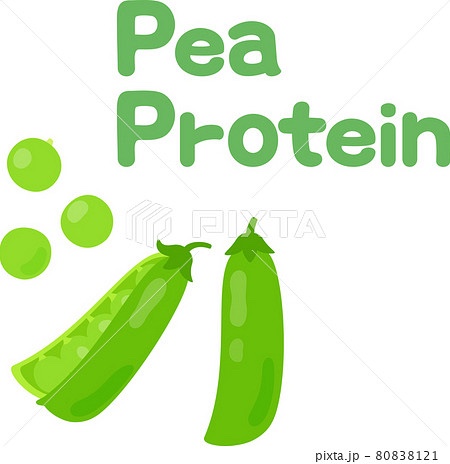
Pea Protein Powder: Nutrition, Benefits, and Side Effects

Protein powders have gained immense popularity in the health and fitness industry as a convenient and effective way to supplement one’s daily protein intake. Among the various protein powder options available, pea protein powder has emerged as a popular choice for many individuals, particularly those following plant-based or vegetarian diets. In this blog post, we will explore the nutrition, benefits, and potential side effects of pea protein powder.

Nutrition Profile of Pea Protein Powder:

Pea protein powder is derived from yellow peas, also known as Pisum sativum, and is produced by drying and grinding the peas into a fine powder. It offers an excellent nutritional profile, making it a viable alternative to other protein sources. Here are some key nutritional aspects of pea protein powder:

Protein Content: Pea protein powder is known for its high protein content. It typically contains around 20 to 25 grams of protein per serving, making it a suitable choice for individuals looking to increase their protein intake.

Essential Amino Acids: Pea protein powder is rich in essential amino acids, which are the building blocks of protein. It contains all nine essential amino acids, including lysine, isoleucine, leucine, valine, methionine, phenylalanine, threonine, histidine, and tryptophan.

Low in Carbohydrates and Fat: Pea protein powder is relatively low in carbohydrates and fat, making it a favourable option for those watching their macronutrient intake.

Benefits of Pea Protein Powder:

  1. Muscle Building and Recovery: Pea protein powder is an excellent choice for individuals engaged in strength training or physical activity that requires muscle repair and recovery. Its rich amino acid profile, especially the branched-chain amino acids (BCAAs), supports muscle protein synthesis, aiding in muscle growth and repair.
  2. Plant-Based and Vegan-Friendly: Pea protein powder is a valuable resource for individuals following a plant-based or vegan lifestyle. It offers a sustainable and cruelty-free protein source, allowing them to meet their daily protein requirements without relying on animal-based products.
  3. Digestive Health: Unlike other protein powders like whey, pea protein powder is lactose-free and easier to digest. It is a suitable option for individuals with lactose intolerance or sensitive digestive systems.
  4. Satiety and Weight Management: Protein is known to promote feelings of fullness and reduce appetite. Incorporating pea protein powder into meals or snacks can help control hunger and aid in weight management goals.

Potential Side Effects and Considerations:

While pea protein powder is generally safe for consumption, individuals should be aware of potential side effects and take necessary precautions:

  1. Allergies: Pea protein is derived from legumes, and individuals with legume allergies may experience adverse reactions. It is important to consult with a healthcare professional before incorporating pea protein powder if you have known allergies or sensitivities.
  2. Digestive Sensitivity: Some individuals may experience digestive issues, such as bloating, gas, or stomach discomfort, when consuming pea protein powder. Adjusting the serving size or trying different brands may help alleviate these symptoms.
  3. Heavy Metals: As with any plant-based protein powder, there is a potential risk of heavy metal contamination. It is advisable to choose pea protein powder from reputable brands that undergo thorough testing for purity and safety.

Pea protein powder offers a valuable plant-based protein source with numerous nutritional benefits. With its high protein content, essential amino acids, and suitability for various dietary needs, it has become a popular choice among fitness enthusiasts and individuals following plant-based diets. However, it is crucial to be mindful of potential allergies, digestive sensitivities, and the quality of
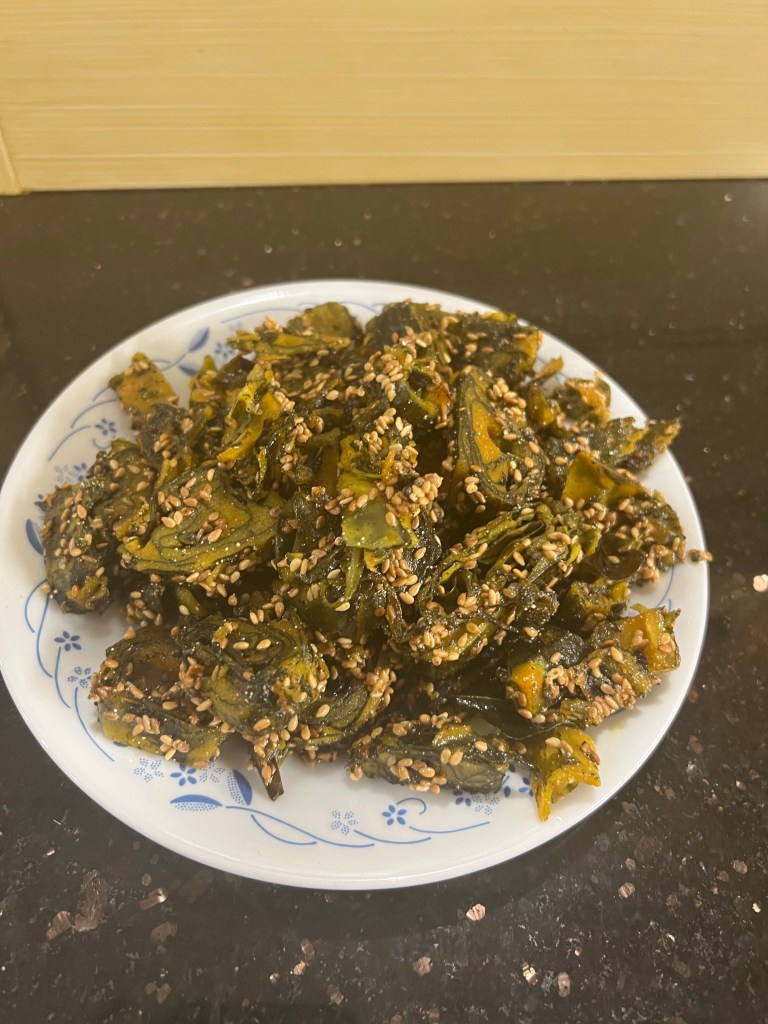
Patra Pinwheels

Alu Wadi also known as Patra in Gujarati, are a traditional Maharashtrian-Gujarati appetizer and can be enjoyed at any time of the day. A tasty delicacy that is made with gram flour, ginger-chilli paste and a selection of spices. Easy to make, that can be served in under an hour.

Ingredients

6 washed and dried Colocasia Leaves

For the Paste

1 tsp Turmeric powder            

1 tbs Jaggery                                  

1 tsp Coriander Powder      

1/2 tsp Red Chilli powder

1/2 tsp Asafoetida

2 cups Gram flour

2 tsp finely chopped ginger

2 tbs yoghurt

1/2 cup Tamarind Water

1 tbs Oil

Salt

For the Seasoning 

1 tsp Cumin seeds

1 tsp Mustard seeds

1 tbs oil

1/4 tsp Asafoetida

2 tsp Sesame seeds

3 Curry leaves

2 tbs grated coconut.

Method

To make the patra paste, place all the ingredients that I have listed for the paste in the ingredients section into a large mixing bowl, to that add a little bit little water to help make a thick paste in a bowl. 

After adding the water, mix everything together properly till it turns into a paste.

Take the 6 large colocasia leaves, wash them and dry them with kitchen roll. Then gently remove the thick veins of the leaves with a knife.

Now smear the besan paste evenly on the Colocasia leaf and a little bit of the besan mixture on another leaf, place it on the first leaf with the tip pointing in the opposite direction.

Keep doing this until there is 4 layers with 4 leaves, then fold the left and right-side inwards and keep smearing the besan paste while rolling to make a log.

Now Preheat the steamer, grease the steamer plates with oil and place the patra log in the steamer and cover it.

Steam for about 10 minutes, then remove it from the steamer and allow it to cool down for around 10 mins.

Once it has cooled down, cut the log into slim pinwheels.

How to make the seasoning.

Heat oil In a large wok on a medium heat, then add in the mustard seeds, cumin seeds, sesame seeds and let them crackle.

Once crackled, add in the asafoetida and curry leaves. Cook for about 30 seconds, then add in the patra pinwheels, let them cook on a low heat till they turn golden in colour.

Then take them of the heat and place them onto a platter and garnish with grated coconut and fresh and serve.

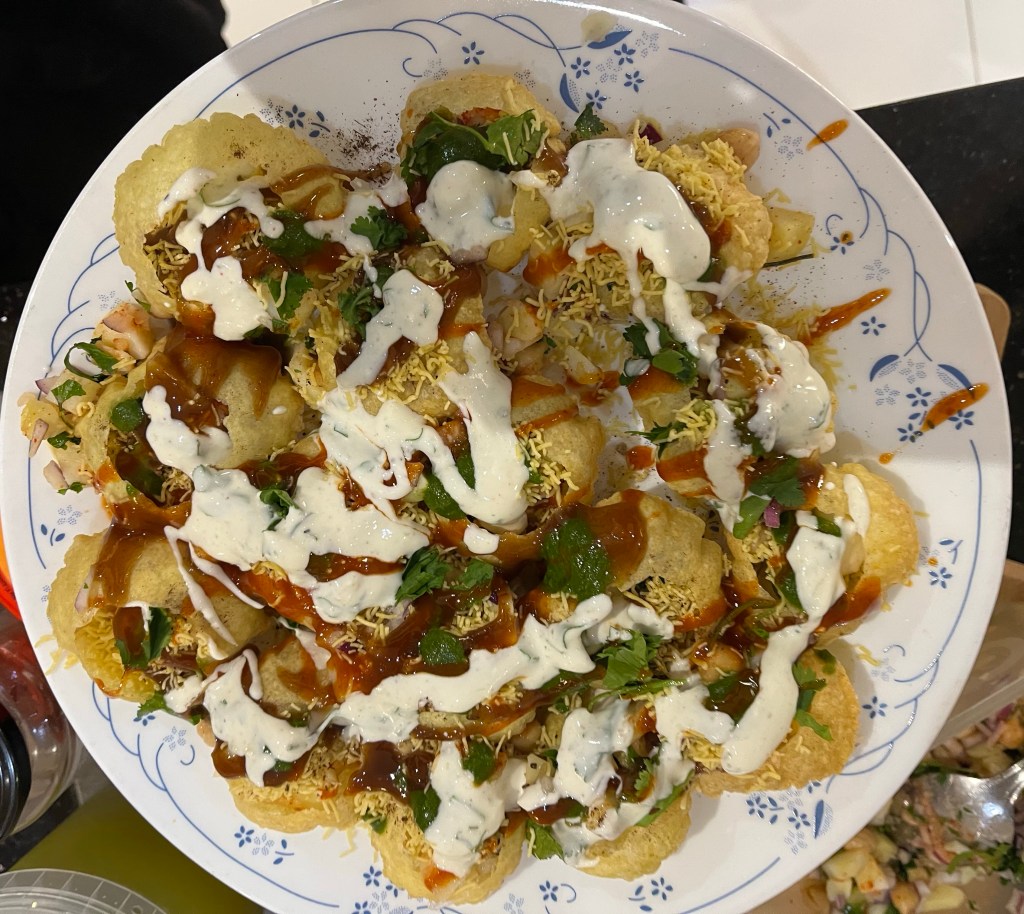
Dahi Sev Puri Recipe

Dahi Batata sev Puri is a popular Indian street food where puri (golgappa) is topped with various chutneys, masalas, boiled potatoes, fine sev, and yogurt. Make this Indian chaat using this simple

Ingredients

250 grams chilled plain yogurt

100 grams finely chopped boiled potatoes

80grams boiled whole green moong


80grams boiled black chickpeas

0.5 teaspoon salt

10-12 golgappa puri (pani puri)

0.5 tsp chaat masala

80 grams nylon sev

0.5 tsp roasted cumin powder

0.25 tsp red chili powder

50 grams coriander chutney

60 grams sweet tamarind chutney

2 tablespoons chopped fresh coriander

Instructions:

Prepare The Yogurt

Place the yogurt in medium bowl. Add in the salt, chaat masala, cumin powder, and red chili powder and mix well.

Assemble The Dahi Puri:

Place 10-12 golgappa on a small serving plate.

make a small hole in each golgappa.

Fill the golgappa with sev, boiled potatoes, cooked black gram, and cooked whole moong.

Pour the yogurt mixture all over the golgappas

Drizzle the coriander and tamarind chutney all over the golaappas.

Finally sprinkle fresh cilantro and Serve immediately.

One Pot Red Lentil Pasta

One Pot Red Lentil Pasta

This is my go to recipe on a busy day, it only takes 5-10mins to make and is a nutritionally balanced meal.

Lentil pasta is an excellent alternative as it’s high in fiber and protein. Lentils are aslo loaded with folate, iron, phosphorus and potassium. Lentil pasta is rich in fiber. Fiber intake helps reduce the risk of developing heart disease, diabetes and stroke.

Ingredients

1 can of tomato tin

1 small bowl of pasta

I small bowl of diced onion

5 cloves of minced garlic

1 tsp thyme

1 tsp oregano

500 ml veg broth

Salt and pepper to tatse

Fresh Basil

Chesse (optional)

In a large pan add in the red lentil pasta, tin tomato, diced onion and minced garlic, spices and the veg broth. Mix together, then add in salt and pepper.

Let it simmer on a slow gas till most of the liquid is absorbed.

Then add in fresh basil and mix well. After a few minutes turn of the heat.

Place is a serving bowl, add more fresh basil, chesse and enjoy.

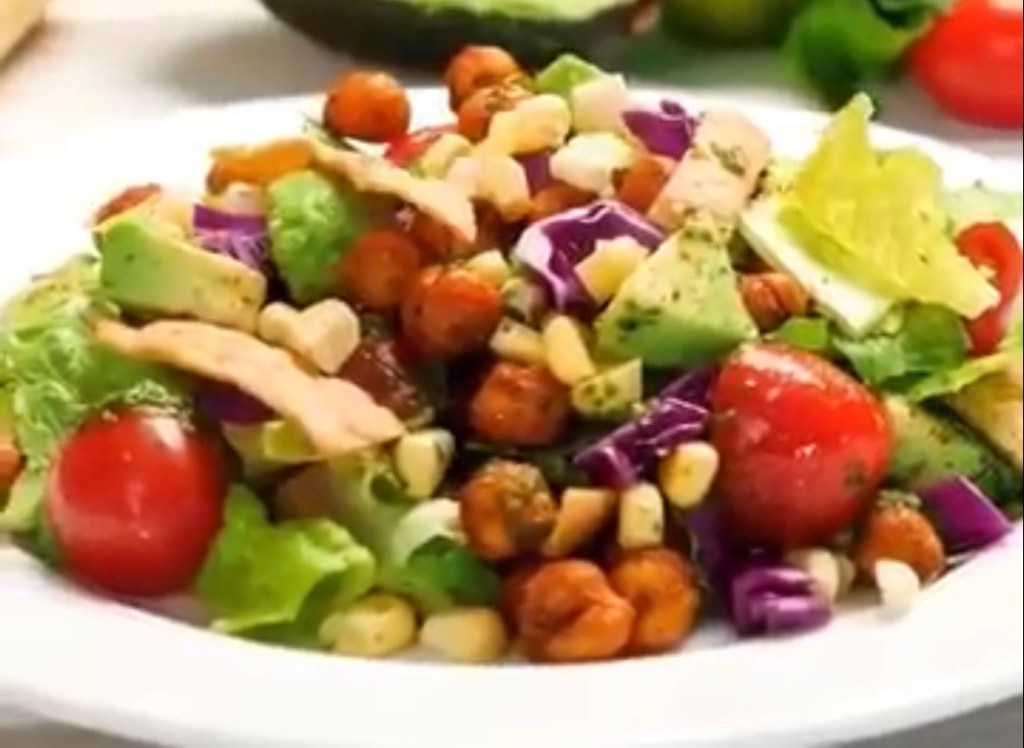
Roasted Chickpea & Tortilla chips Salad

Chickpeas is superfood, as well as being an excellent source of plant-based protein and high in fiber. Chikpeas are filling and very beneficial for digestion and gut health.

A cooked cup of chickpeas contains 12.5 grams of fiber and 14.5 grams of protein. With only 268 calories.

Adding a rainbow salad salad to your diet help to decreases inflammation in prevent cancer. Keeps our immune system strong and our skin healthy, as well as good vision.• Keeps our bones, teeth and nails strong and also prevents blood clots.

Tortilla chips adds a crunch to the sald and thry are low in fat.

Ingredients

1 can of chickpeas

Half bag of Tortilla chips

1 tsp red chilli

Cilantro

1 tsp oinion powder

1 tsp garlic powder

1 tsp cumin powder

1 tsp salt

2 tbs lemon juice

2 tbs olive oil

Romaine lettuce

Red cabbage,

Tomatos

Sweetcorn

Avocado

Method

Drain the can of chickpeas, wash and dry them. Then place thr chikpeas in a large mixing bowl.

In a small bowl add all the spices, lemon juice and olive oil and mix together to make a smooth paste.

Preheat the oven to 400°F (200°C).

Add the spice paste to the chickpea bowl and mix well. Place the coated chickpeas in to a baking tray and roast in thr oven.

How to make the dressing:

In a blender add 1 chopped shallot, bunch of cilantro, pinch of salt, black pepper, 2 minced garlic cloves, half a lemon jucice and olive oil. Blitz till smooth and pour into a serving cup.

In a serving bowl place Romaine lettuce, red cabbage, tomatoes, sweetcorn, avocado, cilantro. Then add in the roasted chickpeas and strips of tortillas chips.

Drizzle the the dressing and mix well and serve.

Fermented Food

Let’s talk about Fermented Foods.

What is Fermented Food?

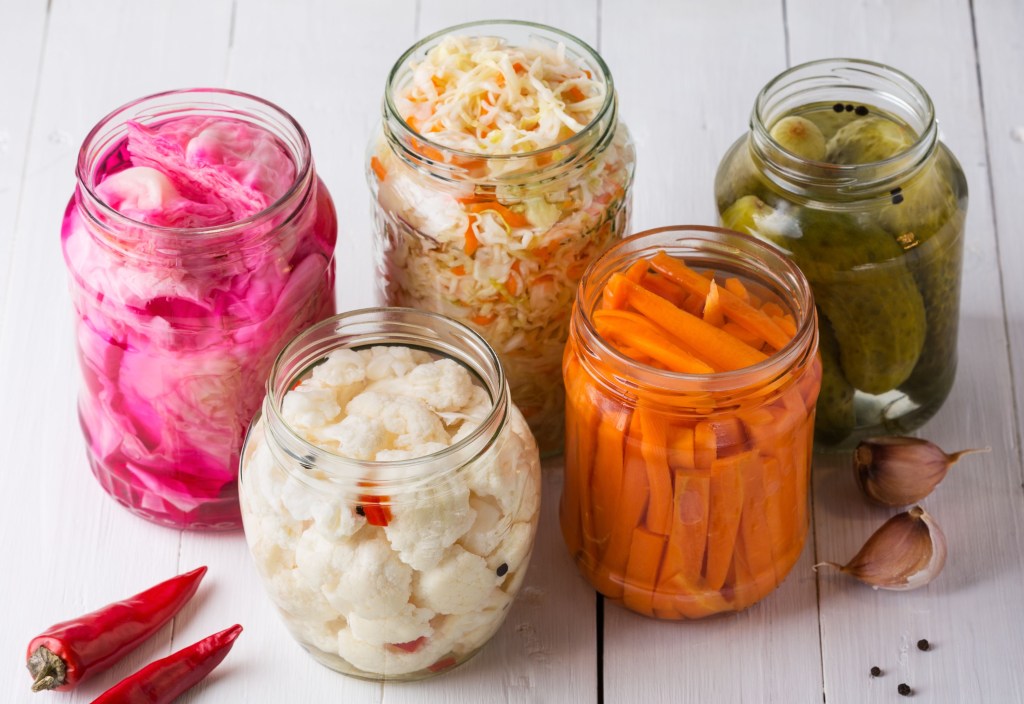
Fermented foods undergone controlled microbial growth and fermentation. Fermentation is an anaerobic process in which microorganisms like yeast and bacteria break down food components (e.g. sugars such as glucose) into other products (e.g. organic acids, gases or alcohol). This gives fermented foods their unique and desirable taste, aroma, texture and appearance.

Vegetarian & Vegan friendly fermented foods

👉 Sauerkraut.

👉 Plain Yogurt.

👉 Dry Curd Cottage Cheese or Farmer’s Cheese, or fermented cottage cheese.

👉 Certain aged cheeses (check label for live and active cultures)

👉 Kimchi.

👉 Pickled vegetables – cucumbers, carrots, radishes, green beans, cauliflower,

👉 Kombucha.

👉 Water kefir.

👉 Tempeh.

👉 Sourdough bread.

👉 Miso.

👉 Mangos.

👉 Apples.

👉 Blueberries.

👉 Strawberries.

👉 Raspberries.

👉 Blackberries.

👉 Peaches.

👉 Fortified dairy alternatives

👉 Supplements

Health benefits:

💪🏽 Improved Gut Health: Fermented foods contain probiotics, which are beneficial b bacteria that help improve the balance of good bacteria in the gut. This can help improve digestive health and boost immunity.

💪🏽 Better Absorption of Nutrients: Fermented foods are often easier to digest, which can help improve the absorption of essential vitamins and minerals from food.

💪🏽 Boosted Immune System: Probiotics can help strengthen the immune system and reduce the risk of illness.

💪🏽 Reduced Inflammation: Some fermented foods contain anti-inflammatory properties, which can help reduce inflammation in the body and protect against chronic diseases.

💪🏽 Improved Mental Health: Probiotics have been linked to improved mood and cognitive function, making fermented foods a great option for those looking to maintain good mental health.

💪🏽 Increased Antioxidant Content: Fermented foods often contain higher levels of antioxidants, which help protect the body from harmful free radicals and oxidative stress.

💪🏽 Better Weight Management: Some fermented foods have been linked to improved weight management, including increased feelings of fullness and reduced calorie intake.

💪🏽 Reduced Risk of Certain Diseases: Fermented foods have been linked to a reduced risk of certain diseases, including heart disease, type 2 diabetes, and certain types of cancer.

Spicy Roasted Chickpeas

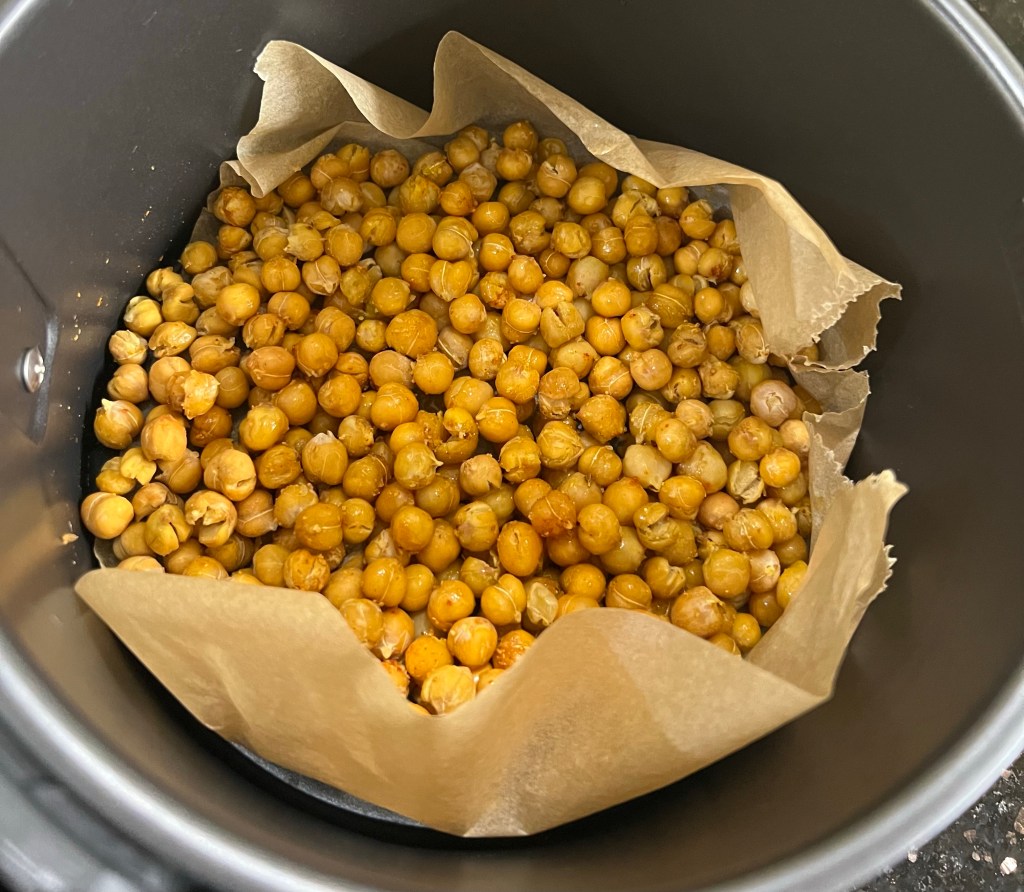
Roasted Spiced Chickpeas are so simple to make and full of taste. They make an excellent snack.

Chickpeas is superfood, as well as being an excellent source of plant-based protein and high in fiber. Chikpeas are filling and very beneficial for digestion and gut health.

A cooked cup of chickpeas contains 12.5 grams of fiber and 14.5 grams of protein. With only 268 calories.

Ingredients

Serves 1

1 Chickpea can, drained and rinsed.

1 tablespoon olive oil

1 teaspoon ground cumin

1 teaspoon turmeric powder

1 teaspoon chilli powder

1 teaspoon salt

1 teaspoon coriander powder

Method

Preheat the oven to 400°F (200°C).

Drain, rinse and dry the chickpeas.

More drier the chickpeas are the more crunchier they will become once cooked.

Spread the chickpeas out on a parchment paper-lined baking sheet.

Add olive oil, cumin, turmeric, chilli powder, coriander powder and salt to the chickpeas and toss well till coated evenly.

Roast the chickpeas for 20-25 minutes for oruntil browned.

Let then to cool for 5 minutes and serve.

Chia pudding Bowl.

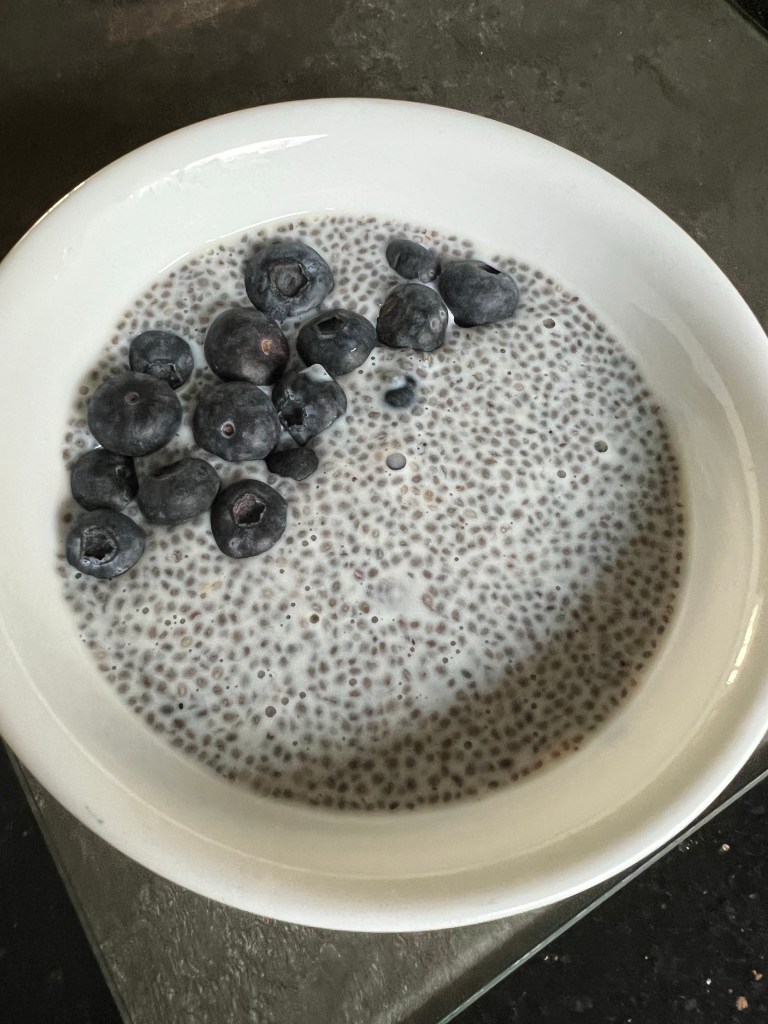
Chia pudding blowl is a dense and filling breakfast. Chia seeds is a super food. They are high in fibre, antioxidants,, protien and omega3 fatty acids.

Ingredients

200ml plant base milk

2 tbsp Chia seeds

1 tsp vanilla extract

1 tsp maple syrup

A dash of cinnamon

Method

Toppings

Blueberries

Kiwi

Seeds

Method

Place all the ingredients into a mason jar, close it tightly and shake it.

Place thr jar in the refrigerator overnight.

Next day, emptty the puddibg into a bowl and stir well as the chia seeds will expand.

Add toppings of your choice and enjoy.

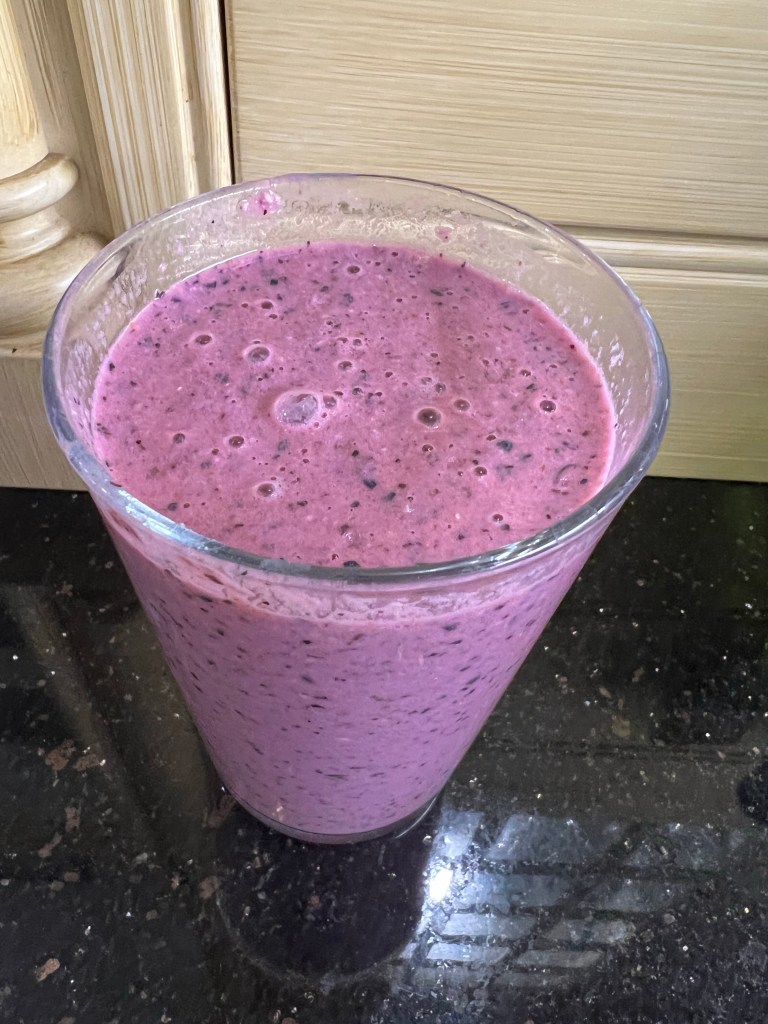
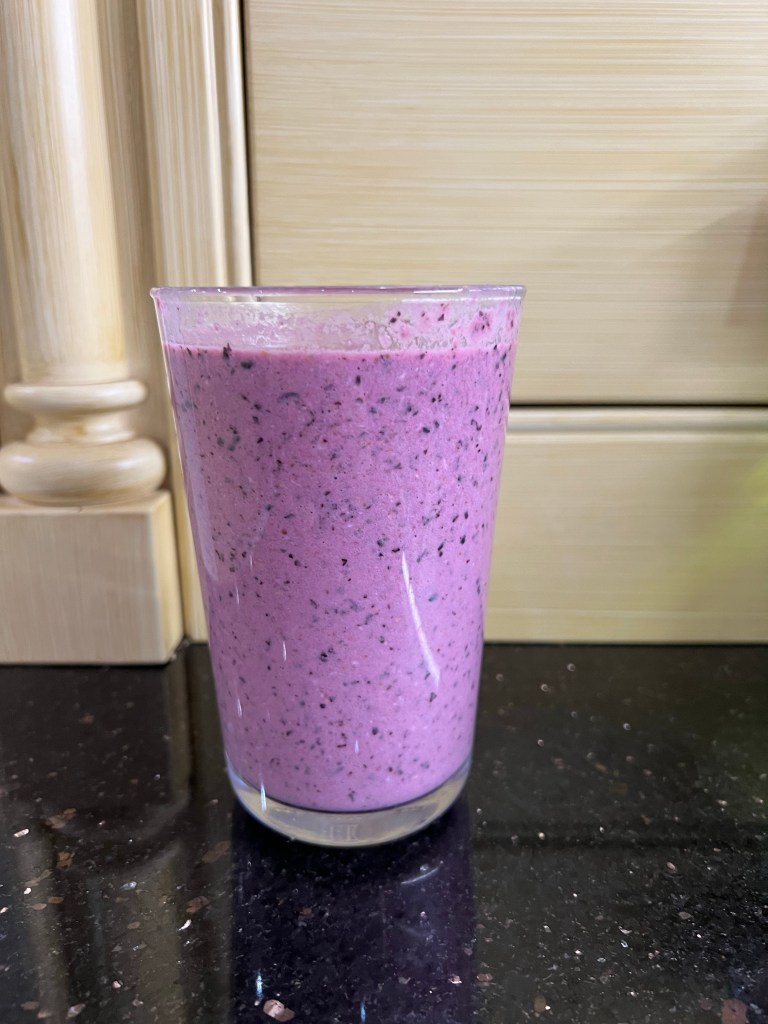
Blueberry & Oat Breakfast smoothie

This is a delicious low fat high protein smoothie, making it an ideal healthy breakfast idea. It is so simple to make and filling to keep you going till lunch time.

Ingredients

100g blueberries

40g oats

1 tbsp chia seeds

200ml plant base milk

100g yogurt

Method

Start with placing all the ingredients into a blender.

Now blitz till smooth, pour the smoothie into a glass and enjoy.

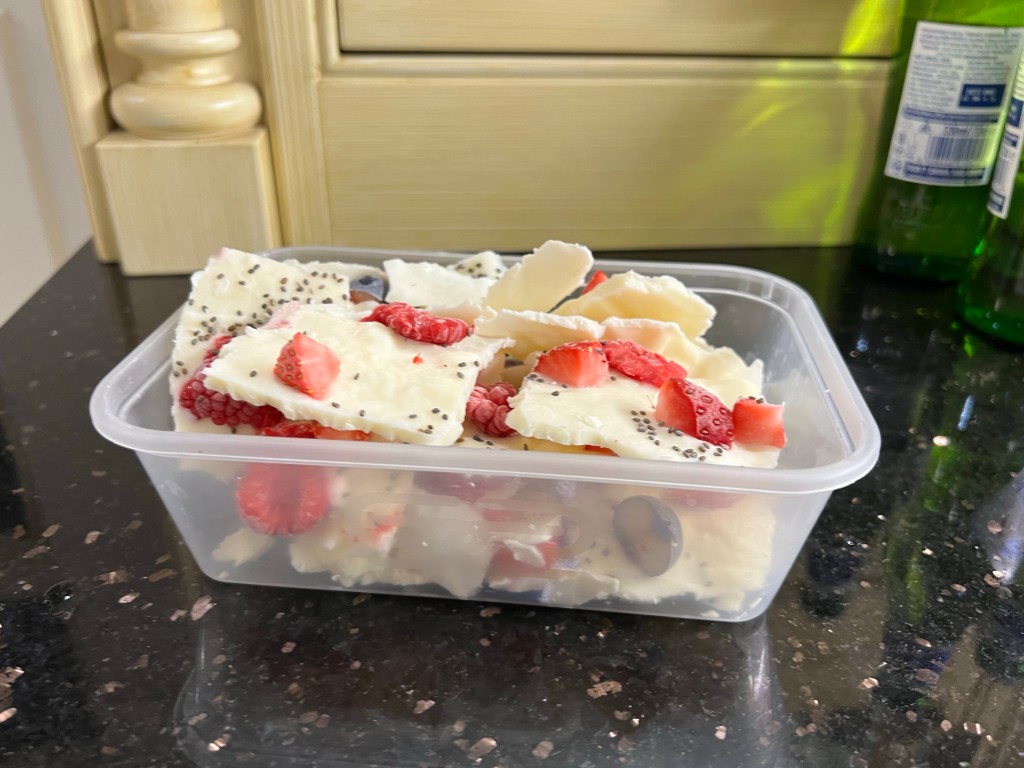
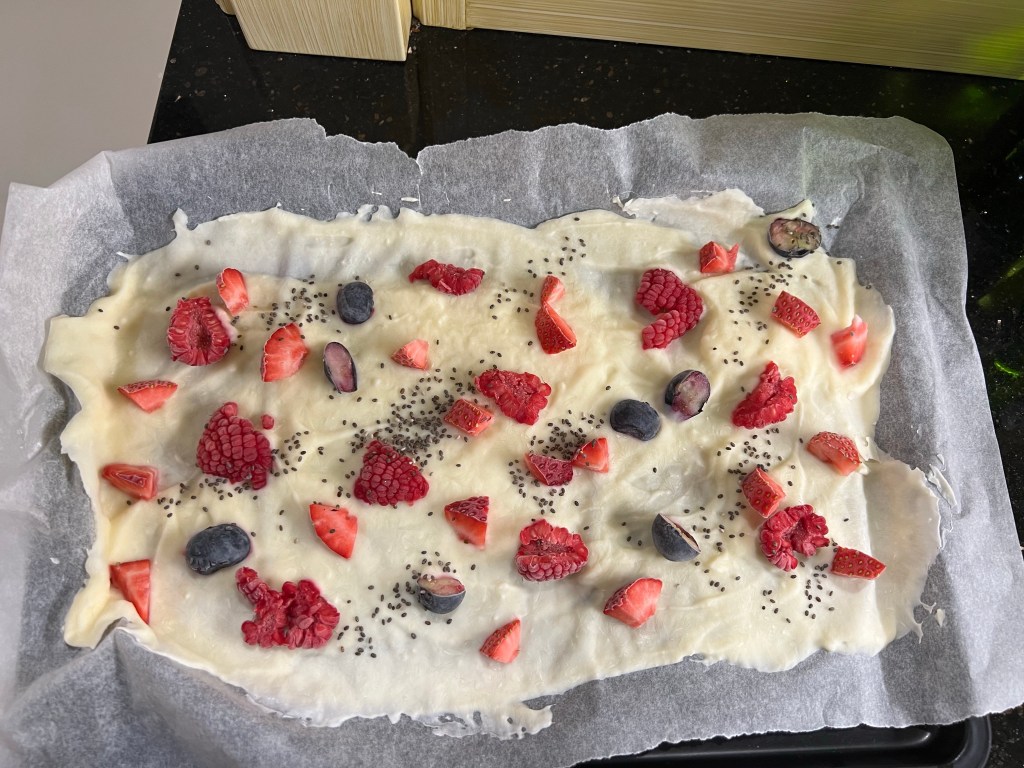
Yoghurt Bark

Frozen yogurt bark with fruit toppings is the perfect healthy protien snack. This recipe is so simple to make.

Ingredients

500g greek yogurt

3 tbsp honey

5 fresh blueberries

5 fresh strawberries

5 fresh Raspberries

Method

Start by mixing the yogurt and honey together.

Now line the baking tray with foil and pour in the yogurt mixture. Spread the mixture, depending on how thick or thin you want the bark to be.

Now sprinkle the strawberries, raspberries and blueberries in the mixture and place the freezer for 3 hours or till completely frozen.

Now remove from the fridge and break the bark into pieces.

Store the bark in the freezer.