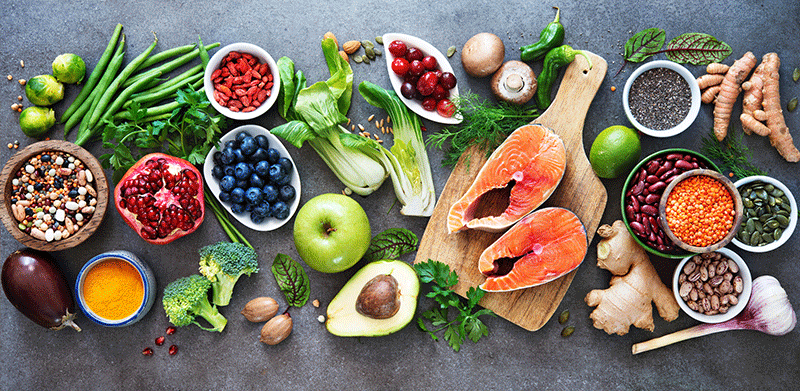
Gut Health Revolution: Probiotics and Prebiotics for a Happy Gut

In recent years, there has been a growing awareness of the importance of gut health and its impact on overall well-being. The gut, often referred to as the “second brain,” plays a crucial role in maintaining a healthy immune system, digestion, and even mental health. As we delve into the Gut Health Revolution, the spotlight is on probiotics and prebiotics – the dynamic duo that can transform your gut into a happy and thriving ecosystem.

The Gut Microbiome:

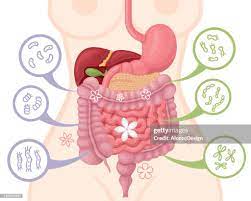
Before we explore the world of probiotics and prebiotics, let’s understand the gut microbiome. Trillions of microorganisms, including bacteria, fungi, and viruses, reside in our digestive tract, forming a complex ecosystem. This microbiome influences various aspects of our health, from nutrient absorption to immune system function.

Probiotics: The Friendly Bacteria:

Probiotics are live microorganisms that provide numerous health benefits when consumed in adequate amounts. These friendly bacteria help balance the gut microbiome by crowding out harmful pathogens and promoting a diverse microbial community.

Common sources of probiotics include yogurt, kefir, sauerkraut, kimchi, and certain supplements. These beneficial bacteria contribute to improved digestion, enhanced nutrient absorption, and strengthened immune function. Additionally, research suggests that probiotics may play a role in mental health by influencing the gut-brain axis.

Prebiotics: Nourishment for the Microbiome:

While probiotics are the heroes of gut health, prebiotics serve as their sidekicks. Prebiotics are non-digestible fibres that provide fuel for the beneficial bacteria in the gut. By nourishing these microbes, prebiotics help them flourish and maintain a healthy balance within the microbiome.

Excellent sources of prebiotics include fibre-rich foods like bananas, onions, garlic, asparagus, and whole grains. Including these foods in your diet not only supports the growth of beneficial bacteria but also aids in regulating bowel movements and preventing constipation.

The Symbiotic Connection:

For an even more powerful gut health boost, consider incorporating symbiotic into your routine. Symbiotic’s combine both probiotics and prebiotics, working synergistically to enhance their individual benefits. This combination promotes a harmonious environment in the gut, fostering the growth of beneficial bacteria while providing the necessary nutrients for their survival.

The Gut-Brain Connection:

Beyond digestive health, the gut has a profound impact on the brain, influencing mood, stress levels, and cognitive function. The communication between the gut and the brain, known as the gut-brain axis, highlights the interconnectedness of these two vital systems. Maintaining a balanced and diverse gut microbiome through the consumption of probiotics and prebiotics may contribute to mental well-being.

Probiotics:

  • Fermented Foods:
    • Sauerkraut: Fermented cabbage is rich in probiotics.
    • Kimchi: A Korean dish made from fermented vegetables, usually cabbage and radishes.
    • Pickles: Naturally fermented pickles, not those made with vinegar, can be a good source.
  • Non-Dairy Yogurts:
    • Look for yogurts made from coconut, almond, soy, or oat milk, which are fortified with probiotic cultures.
  • Tempeh:
    • A fermented soy product that contains beneficial bacteria. It’s also a good source of protein.
  • Miso:
    • A traditional Japanese seasoning made by fermenting soybeans with salt and koji (a type of fungus). It’s commonly used to make miso soup.
  • Probiotic Supplements:
    • There are vegan and vegetarian probiotic supplements available in various forms, including capsules, powders, and chewable. Look for those with a diverse range of strains.

Prebiotics:

  • Legumes:
    • Lentils, chickpeas, and beans are rich in prebiotic fibres.
  • Whole Grains:
    • Foods like quinoa, brown rice, and oats provide a good source of prebiotics.
  • Vegetables:
    • Garlic, onions, leeks, asparagus, and Jerusalem artichokes are known for their prebiotic content.
  • Fruits:
    • Bananas, apples, berries, and kiwi contain soluble fibres that act as prebiotics.
  • Nuts and Seeds:
    • Almonds, flaxseeds, and chia seeds are good sources of prebiotic fibres.
  • Root Vegetables:
    • Sweet potatoes and carrots contain prebiotic fibres and can be included in your diet.

As we embrace the Gut Health Revolution, prioritising the well-being of our gut microbiome becomes essential for overall health. Probiotics and prebiotics play pivotal roles in creating a happy gut, supporting digestion, immune function, and even mental health. By incorporating probiotic-rich foods, prebiotic fibres, and symbiotic combinations into our diets, we can embark on a journey towards a thriving and balanced gut ecosystem. So, let’s raise a toast to the gut – where health truly begins!

Unlocking Your Fitness Motivation: A Comprehensive Guide to Healthy Habits

Embarking on a fitness journey can be a challenging endeavour, especially when motivation wavers. Our complex human nature often leads us to make choices that contradict our well-being. However, understanding the pivotal role of exercise in our lives can serve as a powerful motivator. Regular visits to the gym not only contribute to physical health but also enhance sleep quality and boost positive emotions. To help you stay committed to your fitness goals, here are some actionable suggestions to ignite and sustain your motivation.

Measure Your Progress:

Setting clear and tangible goals is the first step towards a successful fitness journey. Whether it’s shedding a stone or mastering a new exercise, defining your objectives gives you a roadmap to follow. This clarity fuels excitement and determination, making it easier to stay on track.

Make It a Routine:

Consistency is key in any fitness endeavour. Establishing a routine helps your body adapt to a regular workout schedule. Whether it’s three times a week at 6 pm with a rest day in between, sticking to a set timetable creates a habit that your body will come to expect and appreciate.

Consider Working with a Coach or Trainer:

Guidance can make a significant difference in your fitness journey. Enlisting the support of a coach or trainer provides not only valuable expertise but also a source of accountability. The confidence and assistance they offer contribute to your overall enjoyment and motivation to maintain healthy habits inside and outside the gym.

Do What You Enjoy:

Finding joy in your workout is crucial for long-term success. Whether it’s a heart-pumping cardio session or a weightlifting session, make exercise something to look forward to. Enjoyment fosters immersion, making your workout a fulfilling part of your routine rather than a burdensome task.

Go for the Right Reason:

Shift your focus from superficial goals to specific, measurable targets. Rather than fixating on appearance, set smaller, achievable goals like squatting your body weight or mastering a full pushup. These milestones build a sense of accomplishment and provide benchmarks for your progress.

Reward Your Efforts:

Celebrating your achievements, no matter how small, reinforces positive behaviour. Attach rewards to your fitness milestones, whether it’s indulging in your favourite show or treating yourself to a delicious treat. Recognising your efforts increases the likelihood of incorporating exercise into your weekly routine.

Think Positively:

When setbacks occur, replace negative thoughts with positive affirmations. Instead of dwelling on missed sessions, focus on the opportunity to improve the next day. Shifting your perspective from self-criticism to positive reinforcement strengthens your commitment to your fitness journey.

Find Your People:

Building a supportive community is a powerful motivator. Surround yourself with individuals who share your fitness aspirations. Not only will you be energised for each workout, but you’ll also benefit from a supportive network that encourages improvement. Learning from others on similar journeys expands your understanding of health and fitness.

Embarking on a fitness journey requires commitment and motivation. By incorporating these strategies into your routine, you can cultivate a sustainable and enjoyable approach to exercise. Remember, your journey is unique, and celebrating each step forward will propel you toward a healthier, happier you. If you’re unsure where to start, claim a free one-day pass at Anytime Fitness and consult with our expert team to kickstart your health goals.

Together, we can create a ripple effect of positivity that propels us towards a year of physical well-being and self-discovery. What’s your go-to motivation tip for kickstarting your fitness journey in 2024? Share it and let’s inspire each other to achieve greatness!

Here are several helpful links for additional reading on ways to inspire yourself to embark on your fitness journey in 2024.

https://www.menshealth.com/uk/building-muscle/a750272/5-ways-to-motivate-yourself-to-work-out/

Staying motivated to exercise

https://www.goodhousekeeping.com/uk/health/health-advice/a561183/this-is-how-i-motivate-myself-to-exercise-5-times-a-week/

https://www.marieclaire.co.uk/life/health-fitness/motivational-tips-for-exercise-141460

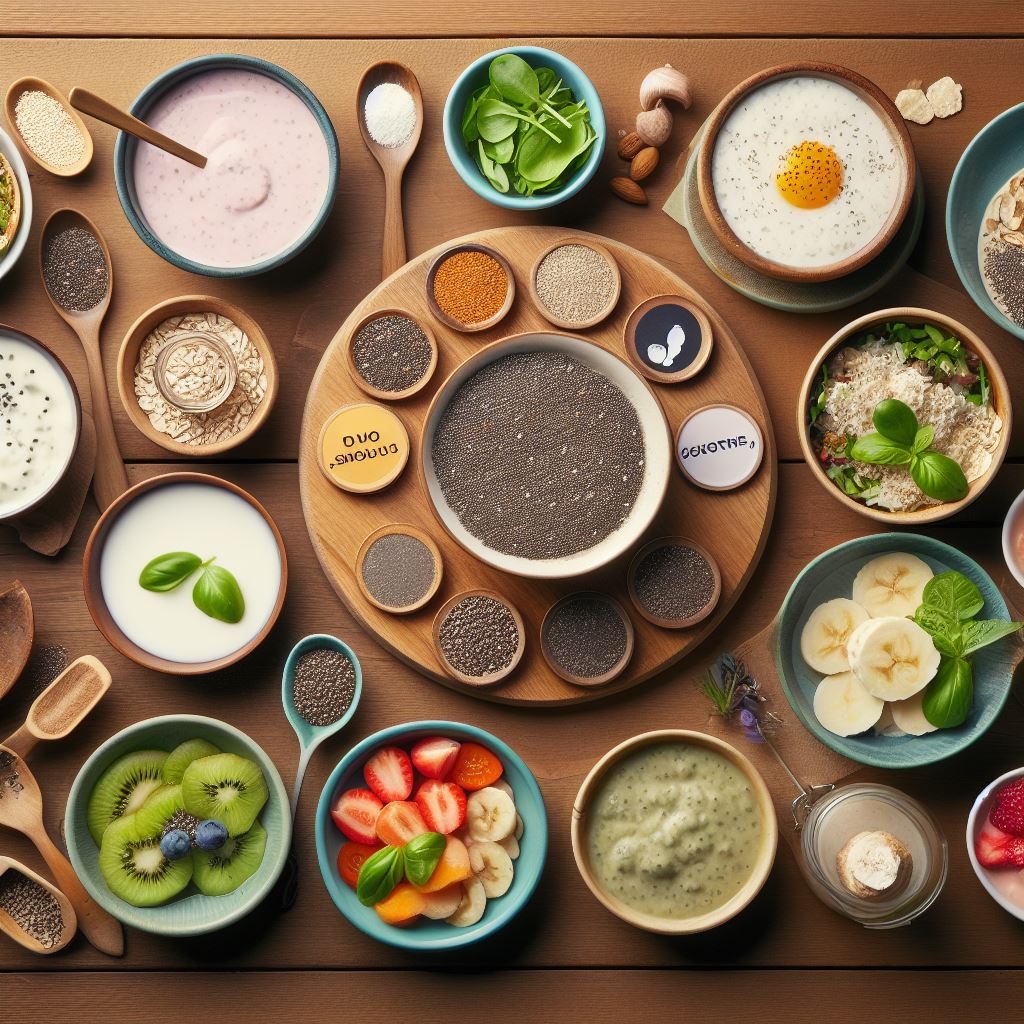
Different Ways to Eat Chia Seeds

Different Ways to Eat Chia Seeds

Chia seeds, derived from the plant Salvia hispanica, have gained immense popularity in recent years due to their impressive nutritional profile. Packed with fibre, protein, healthy fats, and various micronutrients, these tiny seeds are a powerhouse of energy. Not only are they good for you, but they can also add an interesting texture and flavour to your meals. If you’re wondering how to incorporate chia seeds into your diet in a fun and delicious way, look no further. Here are 10 creative and enjoyable ways to eat chia seeds:

1.Chia Seed Pudding:

One of the most popular ways to enjoy chia seeds is by making a chia seed pudding. Simply mix chia seeds with your favourite milk (almond, coconut, or regular dairy) and let them soak overnight. In the morning, you’ll have a delightful pudding-like texture. Add fruits, nuts, and a drizzle of honey for a tasty breakfast or snack.

2. Chia Seed Smoothies:

Boost the nutritional content of your smoothies by adding a spoonful of chia seeds. They not only provide a delightful crunch but also thicken the smoothie, making it more filling and satisfying. Combine them with your favourite fruits, yogurt, and a handful of spinach for a refreshing drink.

3. Chia Seed Jam:

Make a healthier version of jam by mixing chia seeds with mashed berries and a touch of sweetener. Let the mixture sit for a few hours, and you’ll have a delicious, homemade jam perfect for spreading on toast or mixing into yogurt.

4. Chia Seed Oatmeal:

Upgrade your morning oatmeal by sprinkling chia seeds on top. They add a nutty flavour and a chewy texture, making your breakfast not only healthier but also more interesting.

5. Chia Seed Energy Bars:

Create your own energy bars at home by combining chia seeds with nuts, dried fruits, honey, and oats. Press the mixture into a pan, refrigerate until firm, and then cut into bars. These homemade energy bars are perfect for a quick, nutritious snack on the go.

6. Chia Seed Salad Dressing:

Blend chia seeds with olive oil, lemon juice, garlic, and your favourite herbs to create a healthy and flavourful salad dressing. The chia seeds help thicken the dressing while adding a boost of nutrition to your salads.

7. Chia Seed Crackers:

Mix chia seeds with water, spices, and whole wheat flour to create a dough. Roll it out thinly, cut into small squares, and bake until crispy. These homemade chia seed crackers are great for dipping into hummus, guacamole, or salsa.

8. Chia Seed Muffins:

Add chia seeds to your favourite muffin recipe for an extra crunch and a nutritional boost. Whether it’s blueberry, banana, or chocolate chip muffins, chia seeds can easily be incorporated into the batter.

9. Chia Seed Yogurt Parfait:

Layer chia seed pudding with yogurt and fresh fruits to create a delightful parfait. The combination of creamy yogurt, chewy chia seeds, and sweet fruits makes for a satisfying and visually appealing dessert.

10. Chia Seed Ice Cream:

Blend frozen bananas with a splash of milk and chia seeds to create a creamy and healthy ice cream alternative. The chia seeds add a fun texture to the ice cream, making it a hit with both kids and adults.

Incorporating chia seeds into your diet can be both nutritious and enjoyable. These versatile seeds can be used in various recipes, adding a nutritional punch and an interesting texture to your meals and snacks. So, go ahead and experiment with these fun ways to eat chia seeds, and enjoy the health benefits along with the delicious flavours!

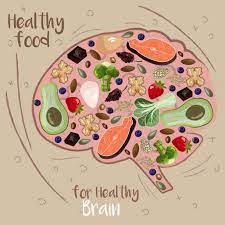
Nourishing the Mind: A Guide to Food for the Brain

Our brain, the powerhouse of our body, requires the right kind of fuel to function optimally. Just like any other organ, it relies on a balanced diet to stay healthy and active. The food we consume plays a significant role in determining our cognitive abilities, memory, and overall brain health. In this blog post, we will explore the fascinating world of food for the brain and understand how the right choices can enhance mental well-being.

Berries: Antioxidants to Combat Oxidative Stress

Berries, such as blueberries, strawberries, and blackberries, are packed with antioxidants, including flavonoids. These compounds have been shown to accumulate in the brain and help delay age-related cognitive decline, improve memory, and protect brain cells from oxidative stress. A handful of berries can be a delicious way to enhance your brain health.

Turmeric: Curcumin’s Anti-inflammatory Properties

Turmeric, a spice commonly found in Indian cuisine, contains an active compound called curcumin. Cumin has powerful anti-inflammatory and antioxidant properties. Research suggests that it may help in the growth of new brain cells and improve overall brain function. Consider adding turmeric to your curries, soups, or smoothies to harness its brain-boosting benefits.

Leafy Greens: Rich in Vitamin K and Antioxidants

Leafy greens like spinach, kale, and Swiss chard are excellent sources of vitamin K, which is believed to be beneficial for brain health. They are also rich in antioxidants and various essential nutrients that protect the brain from damage. Including a variety of leafy greens in your salads or smoothies can provide your brain with the nutrients it needs to thrive.

Nuts and Seeds: Brain-Boosting Nutrients in a Nutshell

Nuts and seeds, such as walnuts, almonds, flaxseeds, and chia seeds, are abundant in antioxidants, vitamin E, and omega-3 fatty acids. These nutrients are crucial for brain health, supporting cognitive function and protecting the brain from oxidative stress. A handful of mixed nuts or a sprinkle of seeds on your breakfast can be an easy way to incorporate them into your diet.

Whole Grains: Sustained Energy for the Brain

Whole grains like brown rice, quinoa, and whole wheat are excellent sources of complex carbohydrates. These carbohydrates provide a steady supply of glucose to the brain, which is its primary energy source. Choosing whole grains over refined grains ensures a consistent energy supply, helping you stay focused and mentally alert throughout the day.

Incorporating brain-boosting foods into your diet not only supports cognitive function but also contributes to your overall well-being. By making mindful choices and embracing a balanced and nutritious diet, you can nourish your brain and enjoy the benefits of improved memory, enhanced focus, and a sharper mind. So, let your next meal be a celebration of not just your taste buds but also your brain health.

Best Vegan Snack Ideas If You Have Diabetes: Nourishing Your Body, Mind, and Taste Buds

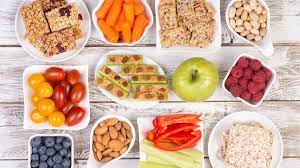
Living with diabetes doesn’t mean compromising on flavour or depriving yourself of tasty snacks. In fact, embracing a vegan lifestyle can open up a world of delicious and nutritious snack options that can help manage your blood sugar levels effectively. Here’s a guide to some of the best vegan snack ideas tailored for individuals managing diabetes, ensuring your taste buds and your health both get the attention they deserve.

Nuts and Seeds:

Nuts and seeds are excellent sources of healthy fats, protein, and fibre. Almonds, walnuts, chia seeds, and flaxseeds are particularly good choices for diabetics. They provide sustained energy and help in stabilising blood sugar levels. Combine them with a piece of fruit or sprinkle them on your favourite vegan yogurt for a satisfying snack.

Fresh Fruits and Vegetables:

Load up on fresh fruits and vegetables that are low in glycemic index and high in fibre. Apples, berries, citrus fruits, cucumbers, and bell peppers are great options. They are not only delicious but also packed with essential vitamins and minerals.

Hummus and Veggies:

Hummus, made from chickpeas, is a fantastic source of protein and fibre. Pair it with crunchy veggie sticks like carrots, celery, and bell peppers for a satisfying snack. This combination offers a perfect balance of carbohydrates, proteins, and healthy fats.

Whole Grain Snacks:

Opt for whole grain snacks like air-popped popcorn, whole grain crackers, or whole grain toast. Whole grains provide a slow release of energy, preventing sudden spikes in blood sugar levels. Top your whole grain snacks with avocado, which is rich in healthy fats and fibre.

Vegan Yogurt Parfait:

Enjoy a delicious parfait made with vegan yogurt, fresh fruits, and granola. Choose unsweetened vegan yogurt to avoid added sugars and add berries, nuts, and seeds for extra flavour and nutrients. This snack is not only tasty but also a good source of probiotics and antioxidants.

Chia Seed Pudding:

Chia seeds are high in fibre and can absorb liquid, creating a pudding-like texture. Mix chia seeds with unsweetened almond milk or coconut milk and let it sit in the refrigerator for a few hours or overnight. Top it with fresh fruits or a sprinkle of cinnamon for added flavour.

Veggie Sushi Rolls:

Make sushi rolls with brown rice, avocado, cucumber, and other fresh veggies. Brown rice has a lower glycemic index compared to white rice, making it a better choice for diabetics. These rolls are not only visually appealing but also a fun and healthy snack option.

Smoothies:

Blend up a nutritious smoothie using leafy greens like spinach or kale, along with low-glycemic fruits like berries. Add a scoop of vegan protein powder and a tablespoon of nut butter for an extra protein boost. Smoothies are a great way to pack in nutrients and can be a quick snack option on the go.

Simple Steps to Kickstart Your Healthier Eating Journey

Embarking on a journey towards healthier eating may initially feel overwhelming, especially with the sea of confusing advice and intricate kale smoothie recipes out there. However, fear not, because adopting a healthier diet doesn’t have to be complicated; it can be both delicious and straightforward. Let’s delve into some uncomplicated steps to initiate your journey toward healthier eating within a week.

1. Embrace Fibre and Whole Foods

Adults require approximately 30g of fibre daily, yet the average intake hovers around 19g—a gap that many of us can work on closing. fibber, found in fruits, vegetables, grains, and legumes, is crucial for digestive health. It aids in maintaining smooth digestion, preventing constipation, and even reducing the risk of chronic diseases such as bowel cancer, heart disease, stroke, and type 2 diabetes.

Tips for increasing your fibber intake:

• Opt for wholegrain foods like brown bread and porridge over processed cereals.

• Snack on vegetables and fruits.

• Include beans, lentils, and nuts in your meals and snacks.

2. Aim for At Least 5 Servings of Fruits and Vegetables Daily

Variety is key when it comes to fruits and vegetables. They not only provide essential vitamins and minerals but also contribute to your daily fibre intake. Your diet should ideally consist of a third of fruits and vegetables, so strive for this balance with every meal.

Ways to increase your fruit and veg intake:

• Add fruits to your breakfast.

• Incorporate finely diced vegetables into main dishes.

• Roast vegetables with an array of herbs and spices.

• Blend vegetables into dips like red pepper and garlic hummus.

3. Diversify Your Protein Sources

Variety in protein sources is not only beneficial for your health but also for the planet. Opt for alternatives to red and processed meats, such as beans, lentils, nuts, and oily fish.

Creative protein choices to explore:

• Substitute half of your mince with beans or lentils.

• Snack on roasted nuts.

• Experiment with different beans for homemade hummus.

• Incorporate protein into your snacks to stay satisfied.

4. Stay Hydrated

Proper hydration is vital for overall well-being. The UK Eat Well Guide suggests consuming about 1.2-1.5 litres of water daily, with additional intake for exercise or sweat loss. Staying hydrated aids in mood stability, focus, digestion, and cellular function.

Tips to stay hydrated:

• Carry a reusable water bottle with your favourite infusions like lemon or mint.

• Create a hydration station at work with various mix-ins and cups.

• Enjoy warm hydration through herbal teas.

5. Indulge in Moderation

Healthy eating doesn’t mean forgoing indulgence entirely. It’s perfectly fine to treat yourself occasionally; in fact, it’s essential for mental balance. Whether it’s a slice of cake at a party or your favourite ice cream on a sunny day, savouring these moments can help curb cravings and maintain your sanity.

Tips for balanced indulgence:

• Limit treats to special occasions or once a week.

• Be mindful of alcohol consumption due to its lasting impact.

6. Plan Ahead

Planning your meals can save you from last-minute meal dilemmas. Spend a few minutes each week preparing a grocery list, prepping ingredients, and batch cooking if possible. Having healthy options readily available makes it easier to resist fast food temptations or office vending machines.

Effective meal planning strategies:

• Utilize the freezer to store prepared meals.

• Plan for healthier snacks to curb hunger.

• Remember, a balanced lifestyle is not an ‘all or nothing’ approach—be kind to yourself if plans don’t go as intended.

By incorporating these simple steps into your routine, you can kickstart your journey toward healthier eating without feeling overwhelmed. Start small, stay consistent, and celebrate your progress along the way!

10 Simple Things You Can Do to Boost Your Energy

Do you often find yourself dragging through the day, struggling to stay awake and alert? We’ve all been there. Low energy levels can affect our productivity, mood, and overall well-being. The good news is that there are several simple and effective ways to boost your energy naturally without relying on caffeine or sugar-laden snacks. Here are ten tips to help you feel more energetic and vibrant throughout the day:

Stay Hydrated: Dehydration can lead to fatigue, so make sure you’re drinking enough water throughout the day. A general guideline is to aim for at least 8 glasses (64 ounces) of water daily, but your needs may vary depending on your activity level and climate.

Eat Nutrient-Rich Foods: Fuel your body with a balanced diet rich in fruits, vegetables, whole grains, lean proteins, and healthy fats. Avoid excessive sugar and processed foods, as they can lead to energy crashes.

Regular Exercise: Physical activity is a natural energy booster. Even a short 15–30-minute walk can increase blood flow, improve mood, and increase alertness. Aim for at least 150 minutes of moderate-intensity exercise per week.

Prioritize Sleep: Quality sleep is crucial for energy levels. Create a consistent sleep schedule, optimize your sleep environment, and aim for 7-9 hours of restful sleep each night.

Practice Stress Management: Chronic stress can drain your energy. Explore relaxation techniques like deep breathing, meditation, or yoga to reduce stress and increase your energy levels.

Take Short Breaks: If you find yourself feeling sluggish during the day, take short breaks. Stand up, stretch, and move around to increase circulation and prevent mental fatigue.

Limit Caffeine Intake: While a cup of coffee can provide a temporary energy boost, too much caffeine can lead to crashes and disrupt sleep. Consume caffeine in moderation and avoid it in the afternoon and evening.

Get Sunlight Exposure: Natural light helps regulate your body’s internal clock and boosts mood and alertness. Spend some time outdoors each day, especially in the morning, to improve your energy levels.

Stay Social: Engaging in social activities and spending time with friends and loved ones can provide emotional support and increase your energy through positive interactions and shared experiences.

Set Goals and Priorities: Organize your tasks and set achievable goals for the day. When you have a clear plan, you’re less likely to feel overwhelmed, which can sap your energy.

Remember, boosting your energy levels often requires a combination of these strategies. Experiment with different approaches to find what works best for you. It’s also essential to listen to your body and address any underlying health issues with the guidance of a healthcare professional. By incorporating these simple habits into your daily routine, you’ll be on your way to a more energetic and vibrant life.

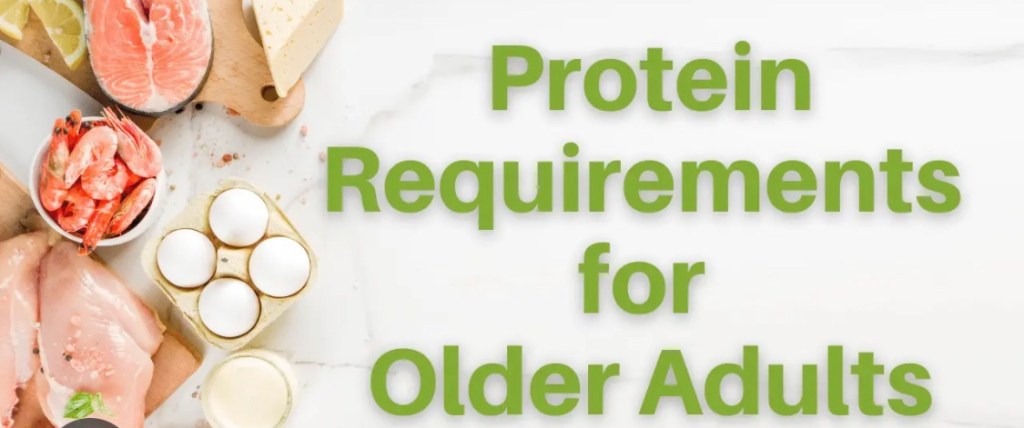
The Importance of Protein as We Get Older


Aging is a natural process that brings with it a multitude of changes in our bodies. From wrinkles and grey hair to slower metabolism and decreased muscle mass, these changes are an inevitable part of life. However, there’s something we can do to maintain our vitality and health as we age: prioritize our protein intake. In this blog post, we’ll explore the crucial role that protein plays in the aging process and why it becomes increasingly important as we get older.


Understanding Protein

Protein is one of the three macronutrients, alongside carbohydrates and fats, and is essential for our overall well-being. It is often referred to as the building block of life because it plays a fundamental role in the structure and function of our bodies. Proteins are made up of amino acids, which are the building blocks of cells, tissues, and organs.


The Importance of Protein Throughout Life

Protein is important throughout our lives, from infancy to old age. It aids in growth and development during childhood and adolescence, helps maintain and repair tissues during adulthood, and becomes particularly crucial as we enter our senior years. Here’s why protein is so vital as we age:


Preserving Muscle Mass: As we age, we naturally lose muscle mass, a condition known as sarcopenia. This loss of muscle can lead to reduced strength, mobility, and increased risk of falls and fractures. Protein intake helps preserve and even build muscle, helping seniors maintain their independence and quality of life.


Supporting Bone Health: Older adults are also at risk of bone loss and osteoporosis. Protein intake, along with other bone-healthy nutrients like calcium and vitamin D, contributes to maintaining strong and healthy bones.


Immune Function: Amino acids from dietary protein play a critical role in immune function. A well-functioning immune system is essential for defending against infections and illnesses, which can be more severe in older individuals.


Wound Healing: Older adults may experience slower wound healing due to reduced collagen production. Protein is essential for collagen synthesis, which speeds up the healing process.


Metabolism and Weight Management: Maintaining a healthy weight becomes increasingly important as we age. Protein can help by boosting metabolism, reducing appetite, and supporting weight management.


Cognitive Health: Protein is also necessary to produce neurotransmitters and hormones that affect cognitive function. A diet rich in protein may help protect against cognitive decline and neurodegenerative diseases.


How Much Protein Do Older Adults Need?

The recommended daily intake of protein varies depending on factors like age, sex, and activity level. However, as a general guideline, older adults should aim for a minimum of 1.0 to 1.2 grams of protein per kilogram of body weight per day. This means that a sedentary older adult weighing 70 kilograms (154 pounds) should consume at least 70 to 84 grams of protein daily. Those who are physically active or trying to build muscle may need even more.


Sources of Protein

Getting enough protein can be achieved through a balanced diet that includes a variety of protein-rich foods. Some excellent sources of protein include:

Lean meats, such as chicken, turkey, and fish.

Eggs and dairy products like yogurt and cottage cheese.

Legumes, such as beans, lentils, and chickpeas.

Nuts and seeds, like almonds, peanuts, and chia seeds.

Tofu and other soy products.

Whole grains like quinoa and brown rice.


Protein is a crucial nutrient for all stages of life, but its importance becomes more pronounced as we age. It plays a vital role in preserving muscle mass, supporting bone health, maintaining a strong immune system, and promoting overall well-being. Older adults should pay attention to their protein intake and ensure they meet their daily requirements through a balanced and nutritious diet. By prioritizing protein, we can improve our quality of life and age gracefully, enjoying the benefits of good health well into our golden years.


How to Recover From DOMS:

Delayed Onset Muscle Soreness, commonly known as DOMS, is a familiar sensation for anyone who has ever embarked on a new exercise routine or intensified their workouts. While it can be uncomfortable, DOMS is a natural response to the stress placed on your muscles during physical activity. The good news is that there are effective ways to alleviate this soreness and accelerate your recovery. In this blog, we’ll explore how to recover from DOMS and get back to your fitness routine feeling refreshed and ready to go.

Understanding DOMS


DOMS typically manifests as muscle stiffness, tenderness, and pain that peaks 24 to 48 hours after strenuous exercise. It is believed to result from microscopic damage to muscle fibres, inflammation, and the accumulation of waste products in the muscles. Although it can be uncomfortable, it’s a sign that your body is adapting and becoming stronger. However, it’s essential to manage DOMS to ensure you can continue exercising without risking injury or burnout.


Here’s a step-by-step guide to help you recover from DOMS:


Rest and Recovery

The first and most crucial step in recovering from DOMS is to give your body the rest it needs. Avoid overtraining and allow your muscles to repair themselves. While complete rest may not be necessary, you should prioritize lighter activities such as walking or gentle stretching during the initial soreness period.


Hydrate and Nutrition

Proper nutrition plays a vital role in muscle recovery. Make sure to stay well-hydrated and consume a balanced diet rich in protein, complex carbohydrates, and healthy fats. Protein is essential for muscle repair and growth. Consider incorporating post-workout protein shakes or meals to aid recovery.


Gentle Stretching and Mobility Work

Engage in light stretching and mobility exercises to improve blood circulation and reduce muscle tension. Focus on the affected muscles and perform gentle stretches, holding each position for 15-30 seconds. Yoga or foam rolling can also help alleviate muscle tightness.


Ice and Heat Therapy

Alternating between ice and heat can be beneficial for reducing inflammation and soothing sore muscles. Apply ice packs to the affected areas for 20 minutes, followed by a warm compress for another 20 minutes. This contrast therapy can help improve blood flow and reduce pain.


Over-the-Counter Pain Relief

Non-prescription pain relievers like ibuprofen or acetaminophen can be used in moderation to alleviate pain and inflammation. However, consult a healthcare professional before using any medication, especially if you have underlying health conditions or are taking other medications.


Massage Therapy

Professional massages or self-massage with a foam roller can be effective in easing muscle tension and improving circulation. Focus on the sore muscles and use slow, deliberate strokes to target knots and tightness.


Active Recovery

Once the initial soreness has subsided, gradually reintroduce low-intensity exercises like walking, cycling, or swimming. This helps promote blood flow and aids in the recovery process. Avoid high-intensity workouts until your muscles feel fully recovered.


Sleep

Adequate sleep is essential for muscle repair and overall recovery. Aim for 7-9 hours of quality sleep each night, as this is when your body repairs and regenerates muscle tissue.


Stay Consistent

To prevent future bouts of DOMS, gradually increase the intensity and duration of your workouts. Consistency in your exercise routine allows your muscles to adapt and become less susceptible to soreness.


Conclusion

Recovering from DOMS is a natural part of the fitness journey. By following these steps, you can minimize discomfort, promote muscle repair, and expedite your recovery process. Remember that everyone’s body is unique, and it may take some trial and error to find the best combination of strategies that work for you. The key is to listen to your body, prioritize self-care, and stay committed to your fitness goals. With time and patience, you’ll be back in the gym, feeling stronger than ever.

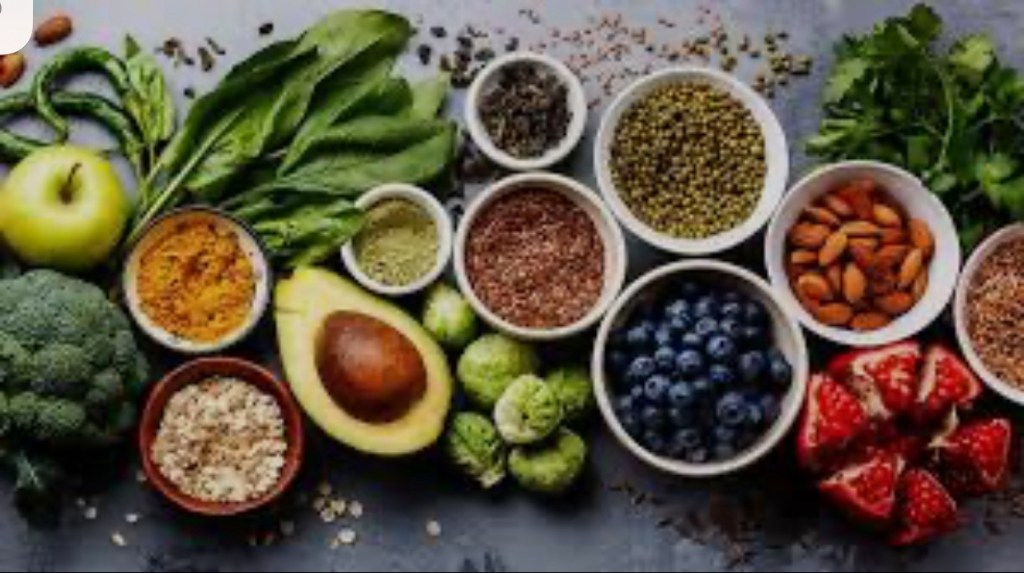
The 11 Most Nutrient-Dense Foods on the Planet

In today’s fast-paced world, where processed foods and sugary snacks dominate the market, it’s essential to prioritise nutrient-dense foods to maintain optimal health. Nutrient-dense foods are rich in essential vitamins, minerals, and other nutrients, providing us with the fuel and nourishment our bodies need to thrive. In this blog post, we’ll explore the eleven most nutrient-dense foods on the planet, each offering a powerhouse of health benefits.

Spinach

Popeye’s favourite food is a nutritional powerhouse. Spinach is packed with vitamins A, C, and K, as well as folate, iron, and calcium. It also contains beneficial phytochemical like lutein and zeaxanthin, promoting healthy vision. Incorporating spinach into salads, smoothies, and stir-fries can significantly boost your nutrient intake.

Kale

Kale is another leafy green that deserves a spot in your diet. One cup of kale provides more than 100% of the daily recommended intake of vitamins A, C, and K. Additionally, kale is a great source of antioxidants, fibre, and omega-3 fatty acids. Include kale in your meals to support heart health and reduce inflammation.

Blueberries

These little blue gems are not only delicious but also packed with antioxidants, particularly flavonoids. Antioxidants play a vital role in protecting our cells from oxidative stress and reducing the risk of age-related diseases. Blueberries are also rich in vitamin C, vitamin K, and fibre, making them a perfect addition to your breakfast or snacks.

Sweet Potatoes

Sweet potatoes are a rich source of complex carbohydrates, fibre, and an array of vitamins and minerals, including vitamin A, vitamin C, potassium, and manganese. They have a lower glycemic index than regular potatoes, making them an excellent choice for stable blood sugar levels.

Almonds

Almonds are a convenient and nutrient-dense snack. They are packed with healthy monounsaturated fats, which are beneficial for heart health. Almonds also provide protein, fibre, vitamin E, magnesium, and calcium, making them a well-rounded food for overall wellness.

Quinoa

Quinoa is a complete protein, containing all nine essential amino acids required by the body. It’s also a good source of fibre, iron, magnesium, and B-vitamins. This ancient grain is an excellent option for vegans and vegetarians looking to boost their nutrient intake.

Chia Seeds

Chia seeds are tiny nutritional powerhouses that pack a punch of omega-3 fatty acids, fibre, protein, calcium, and antioxidants. When soaked, chia seeds form a gel-like consistency, which can be used in puddings, smoothies, or as an egg substitute in baking.

Broccoli

Broccoli is a cruciferous vegetable known for its cancer-fighting properties. It’s rich in vitamins C, K, and A, as well as finer and various antioxidants. Regularly consuming broccoli can support a healthy immune system and promote overall well-being.

Beans and Lentils

Beans and lentils are excellent sources of plant-based protein, making them vital for vegans and vegetarians. They are also high in fibre, iron, potassium, and folate. Adding these legumes to your diet can improve heart health and aid in digestion.

Avocado

Avocado is a unique fruit because it’s high in healthy monounsaturated fats. These fats are beneficial for heart health and can help with nutrient absorption from other foods. Avocados also contain potassium, fibre, and vitamins K, C, E, and B-6.

Incorporating nutrient-dense foods into your diet can significantly impact your overall health and well-being. From leafy greens like spinach and kale to protein-packed salmon and quinoa, these foods provide an abundance of essential nutrients that support various bodily functions. Embrace a balanced diet with these eleven nutrient-dense foods, and you’ll be well on your way to a healthier and more vibrant life. Remember, small changes in your eating habits can make a big difference in your long-term health.