

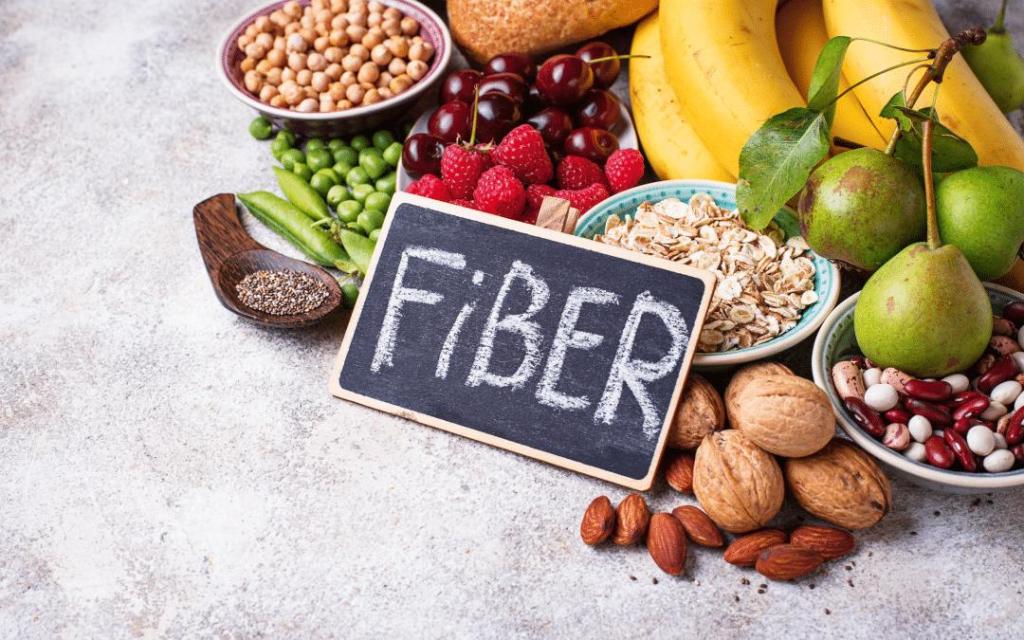
What Is Fibre and Why Does It Matter?

Fibre is the part of plant foods that your body cannot digest. That’s exactly what makes it so powerful.

While it passes through your digestive system largely intact, it does extraordinary things along the way feeding your beneficial gut bacteria, slowing the absorption of sugar into your bloodstream, keeping your bowels moving, and reducing inflammation throughout the body.

Fibre isn’t just a digestive aid. It directly influences your mood, your energy, your hormones, and your long-term health.

So How Much Do You Actually Need?

The NHS recommends 30g of fibre per day for adults. Most people in the UK are getting around 18g barely half of what their body needs.

To put 30g into perspective:

1 slice of wholegrain bread = roughly 2g

1 medium apple = roughly 4g

portion of broccoli = roughly 3g

1 tin of chickpeas = roughly 10g

1 tablespoon of chia seeds = roughly 5g

You can see how quickly the gap appears — especially if your diet includes a lot of processed or refined foods, which contain very little fibre at all.

What Happens When You Don’t Get Enough?

Low fibre intake is linked to:

Unstable blood sugar without fibre to slow things down, sugar hits your bloodstream fast, spiking cortisol and triggering that mid-morning anxiety or afternoon crash.

Poor gut health your beneficial gut bacteria literally feed on fibre. Without it, they starve, and your microbiome diversity drops. Since 90% of your serotonin is produced in your gut, this has a direct impact on your mood.

Sluggish digestion — constipation, bloating, and that heavy, uncomfortable feeling are classic signs of too little fibre.

Increased inflammation low fibre diets are associated with higher levels of chronic inflammation, which affects everything from your energy levels to your immune system.

5 Simple Ways to Eat More Fibre Every Day

You don’t need to overhaul your diet overnight. Small, consistent additions make a huge difference.

1Add seeds to everything

A tablespoon of chia seeds or ground flaxseed into your yoghurt, porridge, or smoothie adds 4–5g of fibre instantly. You won’t even taste it.

Choose whole grains over refined

Swap white bread for wholegrain, white rice for brown or wild rice. The fibre content can be two to three times higher.

Eat the skin

Leave the skin on your potatoes, apples, courgettes, and cucumbers. That’s where a significant portion of the fibre lives.

Add legumes to your meals

Chickpeas, lentils, black beans, and butter beans are fibre powerhouses. Add a handful to soups, salads, or stews  even one portion a day makes a noticeable difference.

Aim for variety, not just quantity

Different plants feed different strains of beneficial gut bacteria. Try to eat 30 different plant foods a week — this includes fruits, vegetables, wholegrains, nuts, seeds, herbs, and spices. It sounds like a lot, but a mixed salad alone can contain eight to ten.

One Important Thing to remember

If you’re currently eating very little fibre, increase it gradually. Adding too much too quickly can cause bloating and discomfort as your gut bacteria adjust. Increase slowly, drink plenty of water, and give your digestive system time to adapt.

The Bottom Line

Fibre is one of the most powerful and most underrated tools for your health. It stabilises your blood sugar, supports your mood, nourishes your gut, and protects your long-term wellbeing — all for the cost of a handful of seeds or an extra portion of vegetables.

Thirty grams a day. That’s your goal. And with small, intentional changes, it’s completely achievable.

💬 I’d love to hear from you

Do you think you’re hitting 30g a day? Or does this post make you realise the gap might be bigger than you thought?

Drop a comment below I read and reply to every single one. And if this was useful, please share it with someone who needs to hear it. You never know whose health you might change today. 🌿

With warmth,

Leena 🌿
Soluble vs. Insoluble Fiber: What’s the Difference and Why Do You Need Both?

Key Takeaways

  • Soluble fibre dissolves in water and forms a gel-like substance that may help regulate blood sugar, support heart health, and improve digestion.
  • Insoluble fibre does not dissolve in water and helps promote regular bowel movements by adding bulk to stool.
  • Most plant-based foods contain a combination of both types of fibre.
  • Adults should aim for approximately 22–34 grams of fibre daily, depending on age and sex.
  • Eating a variety of fruits, vegetables, legumes, nuts, seeds, and whole grains is the easiest way to get enough fibre.

What Is Fibre?

Fibre is a type of carbohydrate found in plant foods that the body cannot fully digest. Unlike other carbohydrates that are broken down into sugar and absorbed into the bloodstream, fibre passes through much of the digestive system largely intact.

Although it isn’t digested, fibre plays a vital role in overall health. It supports digestion, helps regulate blood sugar, promotes healthy cholesterol levels, and may reduce the risk of several chronic diseases.

There are two primary types of dietary fibre:

Soluble Fiber

Soluble fibre dissolves in water and forms a gel-like substance in the digestive tract. This slows digestion and can help control blood sugar and cholesterol levels.

Insoluble Fiber

Insoluble fibre does not dissolve in water. Instead, it adds bulk to stool and helps food move more efficiently through the digestive system.

Most plant foods contain both types, although some foods provide higher amounts of one than the other.

Benefits of Dietary Fibre

A diet rich in fibre has been associated with numerous health benefits, including:

  • Supporting digestive health
  • Promoting regular bowel movements
  • Helping regulate blood sugar levels
  • Lowering LDL (“bad”) cholesterol
  • Supporting healthy weight management
  • Increasing feelings of fullness
  • Reducing inflammation
  • Supporting heart health
  • Potentially lowering the risk of certain cancers, including colorectal cancer

Benefits of Soluble Fibre

Soluble fibre is particularly known for its ability to absorb water and form a gel. This process may help:

Improve Blood Sugar Control

By slowing digestion, soluble fibre can reduce rapid spikes in blood glucose after meals. This can be particularly beneficial for people with insulin resistance or diabetes.

Lower Cholesterol Levels

Soluble fibre binds with cholesterol-containing compounds in the digestive tract, helping remove them from the body and potentially lowering LDL cholesterol.

Help Manage Diarrhoea

Because it absorbs water and adds consistency to stool, soluble fibre may help improve loose stools and diarrhoea.

Increase Fullness

The gel-forming effect of soluble fibre slows stomach emptying and may help control appetite.

Benefits of Insoluble Fibre

Insoluble fibre acts differently within the digestive tract.

Supports Regular Bowel Movements

By adding bulk to stool, insoluble fibre helps move waste through the intestines more efficiently.

Helps Prevent Constipation

Insoluble fibre attracts water into stool, making it easier to pass and reducing straining during bowel movements.

Supports Digestive Health

A healthy digestive system depends on regular movement through the gut. Insoluble fibre helps maintain this process and may contribute to long-term bowel health.

Soluble vs. Insoluble Fibre: Which Is Better?

Neither type is better than the other. They simply provide different benefits.

Health GoalSoluble FiberInsoluble Fiber
Relieve Diarrhea✓✓
Relieve Constipation✓✓
Lower Cholesterol✓✓
Improve Blood Sugar Control✓✓
Increase Fullness✓✓
Support Weight Management✓✓
Promote Regular Digestion✓✓

For optimal health, it’s best to consume a variety of foods that provide both types of fibre.

Best Sources of Soluble Fibre

Foods rich in soluble fibre include:

  • Oats and oat bran
  • Barley
  • Apples
  • Citrus fruits
  • Bananas
  • Pears
  • Carrots
  • Sweet potatoes
  • Brussels sprouts
  • Beans
  • Lentils
  • Chickpeas
  • Psyllium husk

Best Sources of Insoluble Fibre

Foods rich in insoluble fibre include:

  • Whole wheat
  • Wheat bran
  • Brown rice
  • Quinoa
  • Nuts
  • Seeds
  • Leafy greens
  • Broccoli
  • Cauliflower
  • Fruit skins and vegetable peels

How Much Fibre Do You Need?

General daily recommendations suggest:

GroupDaily Fibre Target
Women22–28 grams
Men28–34 grams

Unfortunately, many adults consume far less than recommended. Increasing intake gradually can help prevent digestive discomfort while allowing the body to adapt.

Can You Eat Too Much Fibre?

While fibre is beneficial, suddenly increasing intake can sometimes lead to:

  • Bloating
  • Gas
  • Abdominal discomfort
  • Cramping
  • Changes in bowel habits

These symptoms are more common when fibre intake increases rapidly or when adequate water intake is not maintained. Drinking plenty of fluids is essential when consuming a high-fibre diet.

People with certain digestive conditions, including active inflammatory bowel disease flare-ups, may need personalised guidance from a healthcare professional before significantly increasing fibre intake.

Frequently Asked Questions

Is soluble or insoluble fibre better?

Both are important. Soluble fibre supports cholesterol, blood sugar, and appetite regulation, while insoluble fibre helps maintain regular bowel movements and digestive health.

Which fibre helps with constipation?

Both can help, but insoluble fibre is particularly effective because it adds bulk to stool and promotes movement through the digestive tract.

Which fibre helps with diarrhoea?

Soluble fibre may help by absorbing excess water and improving stool consistency.

Do I need fibre supplements?

Whole foods should be your primary source of fibre. Supplements can be useful in certain situations but generally provide fewer nutritional benefits than fruits, vegetables, legumes, and whole grains.

Final Comments

Soluble and insoluble fibre each play unique roles in maintaining good health. Soluble fibre supports blood sugar control, cholesterol management, and digestive balance, while insoluble fibre promotes regular bowel movements and digestive efficiency.

Rather than focusing on one type over the other, aim to eat a wide range of plant-based foods every day. A varied diet rich in fruits, vegetables, legumes, nuts, seeds, and whole grains will naturally provide the balance of fibre your body needs to thrive.

Sd

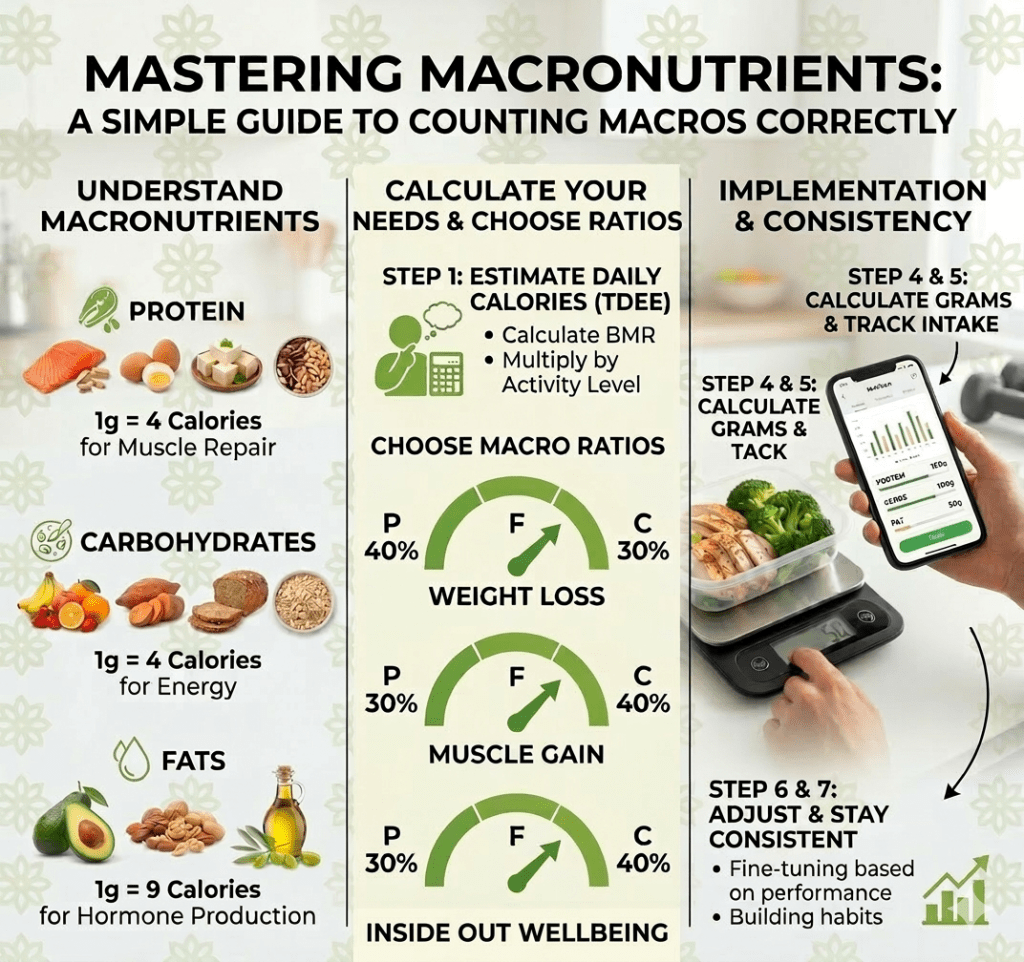
Mastering Macronutrients: A Simple Guide to Counting Macros Correctly

Whether you’re a seasoned gym-goer, an athlete, or just beginning your wellness journey, understanding macronutrients can be a game changer for reaching your health goals.

If you’ve ever wondered how to break down your diet into protein, fats, and carbohydrates to maximise results, this guide will walk you through the process step by step.

Let’s get started.

Step 1: Understand Macronutrients

Before you start counting macros, it’s important to know what they are and why they matter.

Protein

Protein is essential for muscle repair, growth, and overall body function.

1 gram of protein = 4 calories

Common sources include lean meats, fish, eggs, dairy, tofu, beans and legumes.

Fats

Healthy fats help with hormone production, brain health, and long-lasting energy.

1 gram of fat = 9 calories

Good sources include avocados, nuts, seeds, olive oil and fatty fish.

Carbohydrates

Carbohydrates are the body’s primary source of energy, especially for exercise and daily activity.

1 gram of carbohydrates = 4 calories

Healthy carbs include fruits, vegetables, whole grains and legumes.

Step 2: Calculate Your Daily Calorie Needs

To determine how many macros you should consume, you first need to estimate your daily calorie requirements.

This involves calculating your Basal Metabolic Rate (BMR) and Total Daily Energy Expenditure (TDEE).

1. Calculate Your BMR

BMR represents the calories your body needs to perform basic functions like breathing and circulation.

For men:

BMR = 88.362 + (13.397 × weight in kg) + (4.799 × height in cm) − (5.677 × age)

For women:

BMR = 447.593 + (9.247 × weight in kg) + (3.098 × height in cm) − (4.330 × age)

2. Calculate Your TDEE

Multiply your BMR by your activity level:

Activity Level Multiplier

Sedentary (little or no exercise) BMR × 1.2

Light activity (1–3 days/week) BMR × 1.375

Moderate activity (3–5 days/week) BMR × 1.55

Very active (6–7 days/week) BMR × 1.725

Extremely active (physical job/training twice daily) BMR × 1.9

Your TDEE gives you an estimate of how many calories you need each day.

Step 3: Choose Your Macronutrient Ratios

Your macro ratio depends on your health or fitness goal.

For Weight Loss

Protein: 40%

Fat: 30%

Carbohydrates: 30%

Higher protein helps maintain muscle and improves satiety.

For Muscle Gain

Protein: 30%

Fat: 30%

Carbohydrates: 40%

Extra carbs help fuel workouts and recovery.

For Maintenance

Protein: 30%

Fat: 30%

Carbohydrates: 40%

This balanced approach supports general health and energy levels.

Step 4: Convert Percentages into Grams

Once you know your daily calories and macro percentages, you can convert them into grams.

1. Calculate Calories per Macronutrient

Total Calories × Percentage

Example (2000 calories with 30% protein):

2000 × 0.30 = 600 calories from protein

2. Convert Calories into Grams

Use the calorie value of each macro:

Protein: Cal ÷ 4 Carbs: Calories ÷ 4

Fat: Calories ÷ 9

For example:

600 calories from protein ÷ 4 = 150g protein

Step 5: Track Your Food Intake

Tracking helps ensure you’re staying within your macro targets.

Use a Tracking App

Read Nutrition Labels

Check the macronutrient content per serving to track accurately.

Weigh Your Food

Using a kitchen scale ensures accurate portion sizes and macro tracking.

Step 6: Adjust and Fine-Tune

Your body is unique, so adjustments may be necessary.

Pay attention to:

Energy levels

Workout performance

Weight changes

Hunger levels

If your progress stalls, then tweak your calories or macro ratios accordingly.

Step 7: Stay Consistent

Consistency is the most important factor for long-term success.

Don’t worry about being perfect every day. Focus on building sustainable habits and finding a macro balance that works for your lifestyle.

Over time, tracking macros becomes easier and more intuitive.

Final Thoughts

Counting macronutrients might feel overwhelming at first, but with practice it becomes a powerful tool for improving your nutrition.

By understanding your calorie needs, choosing the right macro balance, and tracking your intake, you can fuel your body effectively and move closer to your health goals.

Remember: the goal isn’t perfection — it’s progress and consistency.

If you found this guide helpful, feel free to share it with friends and family who want to improve their nutrition. And if you have any tips or questions about macro tracking, drop them in the comments below!

Unlocking the Power of Micronutrients for Your Health

,

When we think about nutrition, our minds often jump to macronutrients: proteins, carbs, and fats. But there’s another category of nutrients that, while needed in smaller amounts, are just as crucial for our health—micronutrients. These tiny powerhouses, including vitamins and minerals, are essential for everything from energy production to immune function. Let’s dive into the world of micronutrients, exploring their types, functions, benefits, and why they deserve a place in the spotlight.

What Are Micronutrients?

Micronutrients are vitamins and minerals required by the body in minute amounts, yet they play an enormous role in maintaining optimal health. Unlike macronutrients, which provide the energy necessary to fuel our bodies, micronutrients are involved a vast array of physiological functions, ensuring that our bodies operate smoothly.

Types of Micronutrients

Micronutrients can be broadly categorized into two groups: vitamins and minerals.

  1. Vitamins: These organic compounds are vital for various metabolic processes. There are two types of vitamins:
    • Water-soluble vitamins: These include the B-complex vitamins and vitamin C. They dissolve in water, meaning they are not stored in the body and need to be consumed regularly.
    • Fat-soluble vitamins: These include vitamins A, D, E, and K. They are absorbed along with fats in the diet and can be stored in the body’s fatty tissues.
  2. Minerals: These inorganic elements come from soil and water, and they’re absorbed by plants or consumed by animals. There are two categories of minerals:
    • Microminerals: Needed in larger amounts, these include calcium, potassium, magnesium, and sodium.
    • Trace minerals: Required in smaller quantities, these include iron, zinc, copper, and selenium.

Functions of Micronutrients

Micronutrients play diverse and critical roles in the body. Here’s a snapshot of their functions:

  • Energy Production: B-vitamins, such as B6 and B12, are crucial for converting food into energy.
  • Bone Health: Calcium and vitamin D are essential for strong bones and teeth.
  • Immune Support: Vitamins C and E, along with zinc and selenium, are key players in maintaining a robust immune system.
  • Blood Clotting: Vitamin K is necessary for the blood clotting process, which prevents excessive bleeding from injuries.
  • Antioxidant Protection: Vitamins A, C, and E function as antioxidants, protecting cells from damage caused by free radicals.
  • Growth and Development: Micronutrients like iron, iodine, and zinc are crucial for growth, development, and overall cellular function.

Benefits of Getting Enough Micronutrients

Adequate intake of micronutrients has far-reaching benefits for health and well-being:

  1. Boosts Immune Function: Regular intake of vitamins and minerals helps in building a strong immune system, reducing the risk of infections.
  2. Promotes Healthy Aging: Antioxidant vitamins protect the body from oxidative stress, slowing down the aging process and reducing the risk of chronic diseases.
  3. Enhances Mental Clarity: Certain micronutrients, like B-vitamins and omega-3 fatty acids, support brain health, improving focus, memory, and cognitive function.
  4. Supports Reproductive Health: Micronutrients like folate and zinc are essential for fertility and healthy pregnancy outcomes.
  5. Prevents Deficiencies: Ensuring an adequate intake of micronutrients prevents deficiency diseases such as scurvy (vitamin C deficiency), rickets (vitamin D deficiency), and anaemia (iron deficiency).

How to Ensure Adequate Intake of Micronutrients

To reap the benefits of micronutrients, it’s important to consume a balanced and varied diet. Here are tips to ensure you’re getting enough:

  • Eat a Rainbow: Consuming a wide variety of colourful fruits and vegetables ensures a diverse intake of vitamins and minerals.
  • Include Whole Grains: Whole grains like brown rice, oats, and quinoa are rich in B-vitamins and minerals like magnesium and iron.
  • Incorporate Lean Proteins: Meat, fish, eggs, and legumes provide essential minerals such as iron, zinc, and selenium.
  • Don’t Forget Dairy: Dairy products like milk, cheese, and yogurt are excellent sources of calcium and vitamin D.
  • Consider Fortified Foods: Foods like fortified cereals and plant-based milk can help fill in nutritional gaps.
  • Supplement Wisely: While a healthy diet should provide your nutrient needs, supplements can be useful in certain situations. Always consult with a healthcare provider before starting any supplementation.

The Bottom Line

Micronutrients may be needed in lesser amounts, but their impact on health is anything but small. From bolstering the immune system to supporting brain health and preventing chronic diseases, the importance of these nutrients cannot be overstated. By focusing on a nutrient-rich diet, you can ensure that your body gets the essential vitamins and minerals it needs to thrive.

So next time you’re planning a meal, remember to think beyond just carbs, protein, and fats. Pay attention to those vital micronutrients—they’re the tiny champions of your health!

Understanding Your Protein Needs

High protein food as meat, fish, dairy, eggs, buckwheat, oatmeal, nuts, bean, pumpkin seed and sunflower seed. Top view

n the realm of nutrition, protein stands out as an indispensable nutrient vital for survival. Comprising amino acids, the fundamental units that assemble proteins, it’s crucial to prioritise high-quality sources rich in essential amino acids to meet our body’s protein demands.

Protein plays a pivotal role in cellular processes throughout the body, serving as enzymes, energy sources, and facilitating muscle tissue repair post-exertion. But how much protein do we truly require?

Determining protein needs hinges on various factors, including life stage. For children, adolescents, and adults, maintaining protein balance is key, ensuring sufficient intake to replenish stores lost through metabolic processes or utilised for energy.

So, what’s the daily protein requirement?

The recommended daily allowance is approximately 0.8g per kg of body weight for adults, translating to about 46g for a 57kg woman and 56g for a 70kg man. While exceeding these targets isn’t necessarily harmful, it’s prudent to avoid surpassing 200g daily.

But what if exercise is part of the equation?

Endurance exercise or weight training elevates protein needs due to increased muscle stress and the subsequent need for repair. Recommendations from bodies like the Sports Nutrition Consensus Statement and the American College of Sports Medicine suggest a range of 1.2-1.7g per kg of body weight for athletes.

Now, where should we source our protein?

The protein quality of foods depends on their essential amino acid content and digestibility. Optimal sources encompass lean meats like chicken and turkey, eggs, nuts, soybeans, fish, and legumes.

For vegetarians and vegans, selecting high-quality meat-free alternatives such as tofu, tempeh, and Quorn is crucial. Additionally, combining complementary non-complete protein sources like grains and legumes ensures a complete amino acid profile, supporting adequate protein intake.

Ultimately, understanding your protein needs and selecting appropriate sources ensures optimal health and performance.

The Power of B-Complex Vitamins

In the realm of vitamins, the B-complex family stands out as a powerhouse, offering a multitude of benefits for overall health and well-being. From bolstering energy levels to supporting nerve function, these essential nutrients play a crucial role in various bodily processes. However, like any supplement, understanding their benefits, potential side effects, and proper dosage is key to harnessing their full potential. 

What are B-Complex Vitamins?

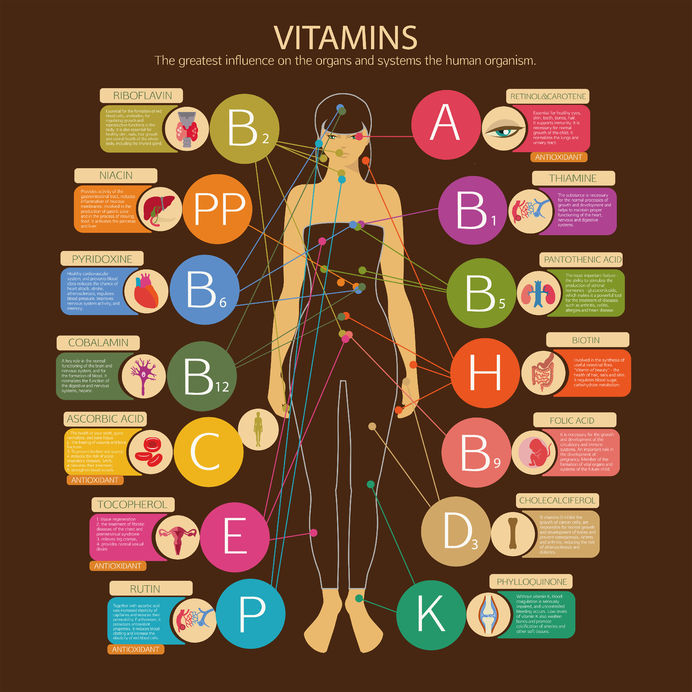
B-complex vitamins comprise a group of eight water-soluble vitamins that are essential for various metabolic processes in the body. They include:

Vitamin B1 (Thiamine): Thiamine is crucial for energy metabolism and nerve function. It helps convert carbohydrates into energy and plays a role in the synthesis of neurotransmitters.

Vitamin B2 (Riboflavin): Riboflavin is involved in energy production, cell growth, and the metabolism of fats, drugs, and steroids. It also acts as an antioxidant, protecting cells from oxidative damage.

Vitamin B3 (Niacin): Niacin is essential for energy metabolism, DNA repair, and cell signalling. It helps lower cholesterol levels and has been used to treat conditions like high cholesterol and pellagra.

Vitamin B5 (Pantothenic Acid): Pantothenic acid is a component of coenzyme A, which plays a vital role in energy metabolism and the synthesis of fatty acids, cholesterol, and steroid hormones.

Vitamin B6 (Pyridoxine): Pyridoxine is involved in over 100 enzyme reactions, including those related to amino acid metabolism, neurotransmitter synthesis, and haemoglobin formation.

Vitamin B7 (Biotin): Biotin is essential for fatty acid synthesis, amino acid metabolism, and gluconeogenesis. It is often associated with promoting healthy skin, hair, and nails.

Vitamin B9 (Folate): Folate plays a crucial role in DNA synthesis and repair, cell division, and the formation of red blood cells. It is particularly important during pregnancy to prevent neural tube defects.

Vitamin B12 (Cobalamin): Vitamin B12 is essential for DNA synthesis, red blood cell formation, and neurological function. It also plays a role in energy metabolism and the breakdown of fatty acids and amino acids.

Benefits of B-Complex Vitamins:

Energy Boost: B-complex vitamins, particularly B1 (thiamine), B2 (riboflavin), B3 (niacin), B5 (pantothenic acid), and B6 (pyridoxine), play a pivotal role in converting food into energy. They participate in the metabolism of carbohydrates, fats, and proteins, providing the body with the fuel it needs to function optimally.

Nervous System Support: B-complex vitamins are essential for maintaining a healthy nervous system. Vitamin B12, in particular, is crucial for the production of myelin, a protective sheath that surrounds nerves, ensuring efficient transmission of nerve impulses. Deficiencies in B vitamins can lead to neurological symptoms like numbness, tingling, and even nerve damage.

Mood Regulation: Certain B vitamins, such as B6, B9 (folate), and B12, are involved in the synthesis of neurotransmitters like serotonin and dopamine, which play a key role in regulating mood. Adequate levels of these vitamins are essential for mental well-being and may help alleviate symptoms of depression and anxiety.

Heart Health: B-complex vitamins, particularly B6, B9, and B12, play a vital role in maintaining heart health. They help regulate homocysteine levels, an amino acid linked to an increased risk of heart disease when elevated. By keeping homocysteine levels in check, B-complex vitamins contribute to a healthy cardiovascular system.

Skin, Hair, and Nail Health: Biotin, a member of the B-complex family, is renowned for its role in promoting healthy skin, hair, and nails. It supports the production of keratin, a protein that forms the structural basis of these tissues, helping maintain their strength and integrity.

Side Effects of B-Complex Vitamins:

While B-complex vitamins offer numerous benefits, excessive intake can lead to potential side effects. It’s essential to be mindful of the following:

Nausea and Digestive Disturbances: High doses of certain B vitamins, particularly niacin (B3) and pyridoxine (B6), may cause nausea, vomiting, and digestive discomfort. These symptoms usually occur with doses well above the recommended daily intake.

Flushing: Niacin supplementation at high doses can cause a temporary flushing sensation, accompanied by redness and warmth of the skin. This side effect is more common with immediate-release niacin formulations.

Nerve Toxicity: Extremely high doses of vitamin B6 over an extended period can lead to nerve toxicity, resulting in sensory neuropathy characterised by numbness, tingling, and weakness in the limbs.

Dosage Recommendations:

Determining the appropriate dosage of B-complex vitamins depends on various factors, including age, sex, health status, and individual needs. Here are the recommended daily allowances (RDAs) for adults:

  • B1 (Thiamine): 1.1-1.2 mg
  • B2 (Riboflavin): 1.1-1.3 mg
  • B3 (Niacin): 14-16 mg NE (niacin equivalent)
  • B5 (Pantothenic Acid): 5 mg
  • B6 (Pyridoxine): 1.3-1.7 mg
  • B7 (Biotin): 30-35 mcg
  • B9 (Folate): 400-600 mcg DFE (dietary folate equivalents)
  • B12 (Cobalamin): 2.4 mcg

It’s essential to obtain B-complex vitamins from a balanced diet whenever possible, as food sources provide not only the vitamins themselves but also other essential nutrients and cofactors necessary for optimal absorption and utilisation.

B-complex vitamins are integral to overall health, offering a wide array of benefits ranging from energy metabolism to nervous system support and beyond. While supplementation may be necessary in certain cases, it’s crucial to approach it with caution, ensuring proper dosage and monitoring for any adverse effects. By understanding the benefits, potential side effects, and appropriate dosage of B-complex vitamins, individuals can harness their full potential and pave the way to enhanced well-being.

How to Meal Prep — A Beginner’s Guide

Meal prepping is a fantastic way to save time, money, and effort while maintaining a healthy and balanced diet. Whether you’re a busy professional, a parent juggling multiple responsibilities, or simply someone looking to streamline their eating habits, meal prepping can revolutionise your approach to food. In this beginner’s guide, we’ll walk you through the basics of meal prepping and provide you with practical tips to get started.

1. Plan Your Meals

Before you embark on your meal prep journey, take some time to plan out your meals for the week. Consider your dietary preferences, nutritional goals, and any special dietary requirements. Aim for a balance of proteins, carbohydrates, and vegetables in each meal to ensure you’re getting a variety of nutrients.

2. Make a Shopping List

Once you have your meal plan in place, create a shopping list with all the ingredients you’ll need. This will help you stay organised and ensure you have everything on hand when it’s time to prep your meals. Try to stick to your list to avoid impulse purchases that can derail your budget and meal plan.

3. Invest in Quality Containers

Invest in a set of high-quality, reusable containers in various sizes. These will be your best friends when it comes to storing and transporting your prepped meals. Look for containers that are microwave and dishwasher safe for added convenience.

4. Set Aside Time for Prep

Choose a day of the week that works best for you to dedicate to meal prep. This could be a Sunday afternoon or whatever day aligns with your schedule. Block off a few hours for prep work, including chopping vegetables, cooking proteins, and portioning out meals.

5. Keep it Simple

Meal prep doesn’t have to be complicated. Start with simple recipes that are easy to prepare in bulk, such as grilled chicken, roasted vegetables, and quinoa. As you become more comfortable with meal prepping, you can experiment with more elaborate recipes and techniques.

6. Mix and Match

Don’t feel like you have to eat the same meal every day. Mix and match your prepped ingredients throughout the week to keep things interesting. For example, you could pair your grilled chicken with different vegetables and sauces to create a variety of meals.

7. Stay Organised

Keep your fridge and pantry organised to make meal prep a breeze. Label your containers with the date and contents to avoid any confusion. Consider investing in a meal prep planner or using a smartphone app to keep track of your recipes and grocery lists.

8. Stay Flexible

Life happens, and sometimes your meal prep plans may need to change. Be flexible and willing to adapt as needed. If you find yourself with extra ingredients at the end of the week, get creative and whip up a stir-fry or soup to use them up.

9. Enjoy the Benefits

Finally, remember to enjoy the benefits of meal prepping. Not only will you save time and money, but you’ll also have peace of mind knowing that you have healthy and delicious meals waiting for you throughout the week.

By following these simple steps, you’ll be well on your way to mastering the art of meal prep. With a little planning and preparation, you can make healthy eating a priority without sacrificing taste or convenience. Happy prepping!

How to Eat Healthy Without Breaking the Bank

In a world where the cost of living seems to constantly rise, maintaining a healthy diet can feel like a financial burden. However, ensuring you get your recommended “5 a day” of fruits and vegetables doesn’t have to break the bank. With a bit of planning, creativity, and smart shopping, it’s entirely possible to eat healthily on a budget. Let’s explore some strategies to help you achieve this goal.

1. Embrace Seasonal Produce

One of the simplest ways to save money on fruits and vegetables is to buy what’s in season. Seasonal produce tends to be more abundant, which often translates to lower prices. Visit your local farmer’s market or grocery store and look for fruits and vegetables that are in peak season. Not only will you save money, but you’ll also enjoy produce at its freshest and most flavourful.

2. Plan Your Meals

Meal planning is a game-changer when it comes to eating healthily on a budget. Take some time each week to plan out your meals, making sure to include plenty of fruits and vegetables. Look for recipes that utilise affordable ingredients and incorporate seasonal produce. By planning ahead, you can create a shopping list that helps you avoid impulse purchases and ensures you have everything you need for nutritious meals throughout the week.

3. Buy Frozen or Canned Produce

While fresh produce is fantastic, don’t overlook the value of frozen or canned options. Frozen fruits and vegetables are often just as nutritious as their fresh counterparts since they’re typically frozen at peak ripeness. Plus, they have the added benefit of a longer shelf life, reducing the risk of food waste. Canned fruits and vegetables are also budget-friendly and convenient, just be sure to choose options with no added sugars or excessive sodium.

4. Shop Smart

When shopping for fruits and vegetables, keep an eye out for sales, discounts, and bulk deals. Many grocery stores offer specials on produce, especially items that are in season or nearing their expiration date. Take advantage of these opportunities to stock up on your favourite fruits and vegetables at a lower cost. Additionally, consider joining a loyalty program or using coupons to save even more money on your grocery bill.

5. Get Creative in the Kitchen

Eating healthily on a budget doesn’t mean sacrificing flavour or variety. Get creative in the kitchen by experimenting with different recipes and cooking techniques. Look for budget-friendly meals that incorporate a variety of fruits and vegetables, such as stir-fries, salads, soups, and smoothies. Don’t be afraid to try new ingredients or substitutions to keep things interesting while sticking to your budget.

Getting your recommended “5 a day” of fruits and vegetables doesn’t have to be expensive. By embracing seasonal produce, planning your meals, opting for frozen or canned options when necessary, shopping smart, and getting creative in the kitchen, you can eat healthily without breaking the bank. With a little effort and mindfulness, you’ll be well on your way to achieving your health and budget goals simultaneously. So, the next time you’re grocery shopping, remember these tips and enjoy a nutritious and budget-friendly diet.

Are You Dehydrated? Our Pee Colour Chart Will Tell You

Water is essential for maintaining good health, and staying adequately hydrated is crucial for our overall well-being. One of the easiest ways to gauge your hydration level is by paying attention to the colour of your urine. Your pee colour can reveal a lot about your body’s hydration status. In this blog, we will explore the significance of urine colour and provide you with a helpful pee colour chart to ensure you stay properly hydrated.

The Importance of Hydration:

Water makes up a significant portion of our body and plays a vital role in various bodily functions. It helps regulate body temperature, aids digestion, lubricates joints, and flushes out waste products through urine. Dehydration occurs when the body loses more fluids than it takes in, leading to an imbalance that can have adverse effects on your health.

Understanding the Pee Colour Chart:

The colour of your urine can vary based on factors such as hydration, diet, medications, and certain medical conditions. A pee colour chart can serve as a simple and effective tool to assess your hydration level. Here’s a general guide to what different urine colours may indicate:

  • Pale Yellow to Light Straw:
    • Hydration Level: Well-hydrated
    • What it Means: Adequate hydration; you’re on the right track.
  • Transparent:
    • Hydration Level: Over-hydrated
    • What it Means: You may be consuming excessive fluids. Adjust your water intake accordingly.
  • Dark Yellow to Amber:
    • Hydration Level: Mild to moderate dehydration
    • What it Means: Increase your water intake to ensure proper hydration.
  • Orange:
    • Hydration Level: Dehydration or potential liver issues
    • What it Means: Lack of water or a possible sign of a health concern; consult a healthcare professional.
  • Pink to Red:
    • Hydration Level: Dehydration or presence of blood
    • What it Means: Seek immediate medical attention as this could indicate a serious issue.
  • Blue or Green:
    • Hydration Level: Rare but could indicate a medical condition or certain medications
    • What it Means: Consult a healthcare professional to identify the cause.

Tips for Maintaining Optimal Hydration

Drink Water Regularly: Aim for at least 8 glasses (64 ounces) of water per day, but individual needs may vary.

Monitor Your Pee Colour: Use the pee colour chart as a reference to assess your hydration level regularly.

Consider Your Diet: Some foods and beverages can impact urine colour. Beets, blackberries, and certain vitamins may cause discolouration.

Be Mindful of Activity Levels: Physical activity and hot weather can increase fluid needs. Adjust your water intake accordingly.

Your body’s hydration status is a key factor in maintaining overall health. By paying attention to the colour of your urine and using a pee colour chart as a guide, you can take proactive steps to ensure you stay adequately hydrated. Remember, maintaining a balance between water intake and urine colour is a simple yet effective way to support your well-being. If you notice any persistent changes in urine colour or have concerns about your hydration, it’s always wise to consult with a healthcare professional for personalised advice.

Fitness Beyond the Gym: Fun and Unique Workouts to Try in 2024

In the ever-evolving world of fitness, 2024 promises to be a year where enthusiasts explore new and exciting ways to stay active. While the traditional gym workouts have their merits, there’s a growing trend towards incorporating unconventional and enjoyable activities into fitness routines. Embracing the idea that exercise can be fun, engaging, and diverse, here are some unique workouts to spice up your fitness journey in 2024.

Aerial Yoga: Defying Gravity with Grace

  • Aerial yoga combines traditional yoga poses with acrobatic movements using a silk hammock suspended from the ceiling. This workout not only improves flexibility and core strength but also provides a unique sense of weightlessness. It’s an excellent way to challenge your body while enjoying the benefits of mindfulness and relaxation.

Trampoline Fitness: Bouncing to a Healthier You

  • Trampoline workouts, also known as rebounding, have gained popularity for their low-impact yet highly effective nature. Bouncing on a trampoline engages various muscle groups, improves cardiovascular health, and is a fantastic stress reliever. Classes often incorporate dance or aerobics, making it an enjoyable full-body workout.

Virtual Reality (VR) Fitness: Gaming for Health

  • Virtual reality has taken gaming to a whole new level, and now it’s making waves in the fitness industry. VR fitness programs immerse users in virtual worlds where they engage in physically demanding activities. From boxing to dancing, these games provide a high-intensity workout without feeling like traditional exercise.

Parkour: Urban Exploration and Physical Challenge

  • Parkour, the art of efficient movement through urban environments, is not just for daredevils. It’s an excellent full-body workout that enhances strength, agility, and spatial awareness. Enrol in a parkour class to learn the basics in a safe environment, or join a local group for some outdoor urban exploration.

Surfset Fitness: Catching Waves Indoors

  • Surfset fitness involves performing exercises on a specially designed surfboard that mimics the instability of water. This dynamic workout engages the core and stabiliser muscles, enhancing balance and strength. It’s a refreshing alternative for those who crave the feeling of riding waves but may not have easy access to the ocean.

Pound Fit: Drumming Your Way to Fitness

  • Pound Fit is a high-energy, full-body workout that combines drumming with cardio and strength training. Using lightly weighted drumsticks, participants follow rhythmic movements to the beat of the music. This unconventional workout not only burns calories but also unleashes creativity and self-expression.

As we step into 2024, the fitness landscape is expanding beyond the conventional gym setting. Embrace the opportunity to try new and unique workouts that not only benefit your physical health but also add an element of joy and excitement to your fitness routine. Whether you’re swinging from silk hammocks, bouncing on a trampoline, or catching virtual waves, these workouts promise to make 2024 a year