What Your Blood Sugar Is Really Trying to Tell You (and How to Listen)

This week is Diabetes Week in UK whether you have diabetes, are at risk, or simply want to understand your body better, this post is for you.

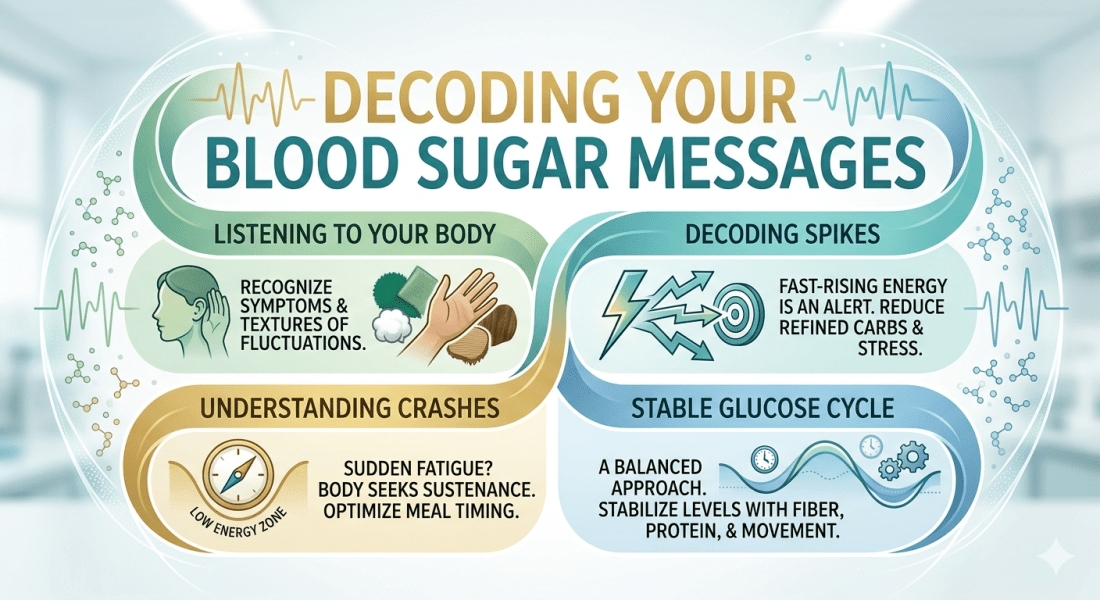
Because here’s something most people don’t realise: your blood sugar is talking to you every single day. Through your energy levels, your mood, your cravings, your concentration, and the way you feel between meals. Most of us just haven’t been taught how to listen.

What Blood Sugar Instability Actually Feels Like

You don’t have to have diabetes to experience blood sugar fluctuations. In fact, millions of people live with the symptoms of blood sugar instability without ever connecting them to what they’ve eaten.

Here are some signs your blood sugar may be on a rollercoaster:

You feel irritable, anxious, or shaky if you skip a meal.

You experience an energy crash in the mid-morning or mid-afternoon..

You crave sugar or carbohydrates after eating.

You feel foggy or unable to concentrate between meals.

You wake at 3am and can’t get back to sleep.

You feel better immediately after eating but tired again an hour later.

If any of these feel familiar, your blood sugar is asking for support.

Why This Matters Beyond Diabetes

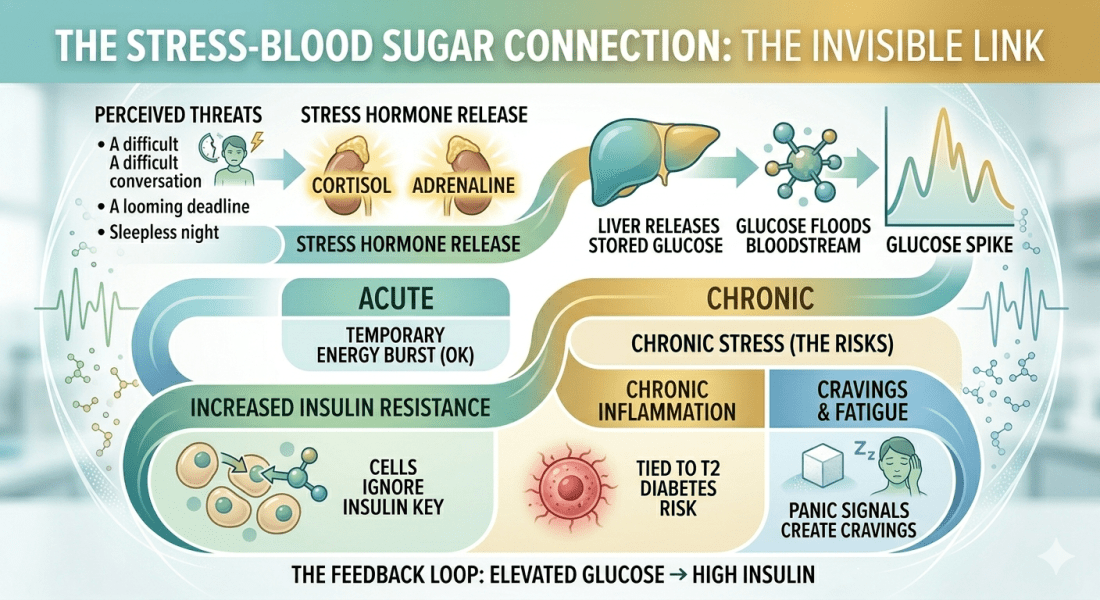
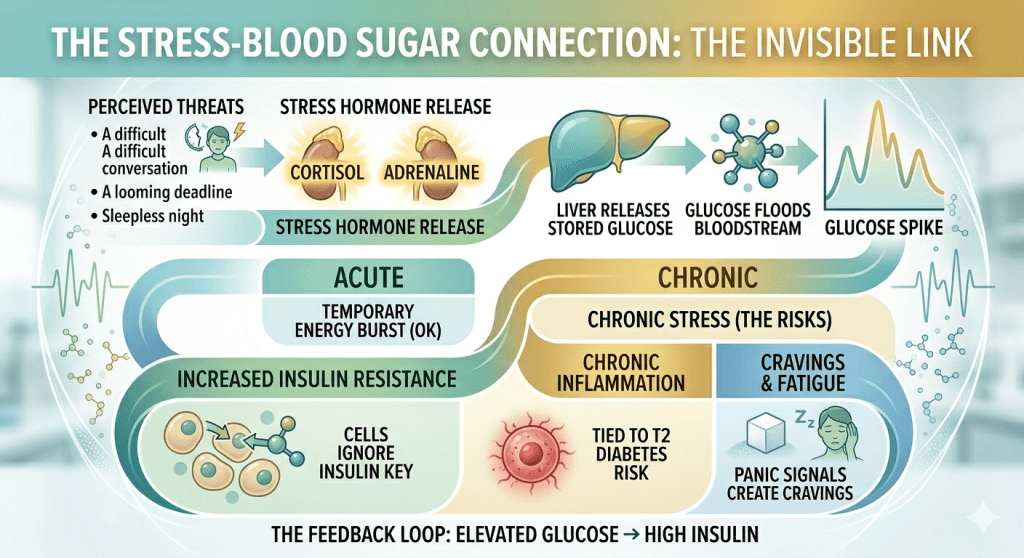
Chronically unstable blood sugar puts your nervous system under stress. Every time your blood sugar crashes, your body releases cortisol and adrenaline to bring it back up. Over time, this constant stress response contributes to fatigue, anxiety, inflammation, hormonal imbalance, and yes over time, an increased risk of Type 2 diabetes.

Understanding your blood sugar isn’t just for people with a diagnosis. It is for every person who wants to feel well in their body.

5 Ways to Support Your Blood Sugar Every Day

Never eat carbohydrates alone. Always pair them with protein, healthy fat, or fibre. Toast with nut butter. Apple with almonds. Rice with eggs or salmon. This slows the release of sugar into the bloodstream and prevents spikes and crashes.

Eat within 90 minutes of waking. Skipping breakfast sends your blood sugar crashing first thing, triggering a cortisol spike that sets an anxious, reactive tone for your entire day.

Prioritise your sleep. Poor sleep directly impairs insulin sensitivity meaning your body struggles to manage blood sugar effectively when you’re tired. Seven to eight hours is not a luxury. It is metabolic medicine.

Move after meals. Even a ten-minute walk after eating helps your muscles absorb glucose from the bloodstream, reducing post-meal blood sugar spikes significantly.

Reduce ultra-processed foods gradually. You don’t have to be perfect. Start by crowding them out adding more whole foods to your plate rather than focusing on what to remove.

A Gentle Reminder This Diabetes Week

If you have diabetes Type 1, Type 2, or gestational please know that your condition is not a reflection of your worth, your willpower, or your character. Diabetes is a complex condition influenced by genetics, environment, stress, and so much more.

This week, let’s commit to understanding more and judging less.

💬 Did any of the blood sugar signs above resonate with you? Drop a comment below I read and reply to every one.

With warmth,

Leena 🌿

Soluble vs. Insoluble Fiber: What’s the Difference and Why Do You Need Both?

Key Takeaways

  • Soluble fibre dissolves in water and forms a gel-like substance that may help regulate blood sugar, support heart health, and improve digestion.
  • Insoluble fibre does not dissolve in water and helps promote regular bowel movements by adding bulk to stool.
  • Most plant-based foods contain a combination of both types of fibre.
  • Adults should aim for approximately 22–34 grams of fibre daily, depending on age and sex.
  • Eating a variety of fruits, vegetables, legumes, nuts, seeds, and whole grains is the easiest way to get enough fibre.

What Is Fibre?

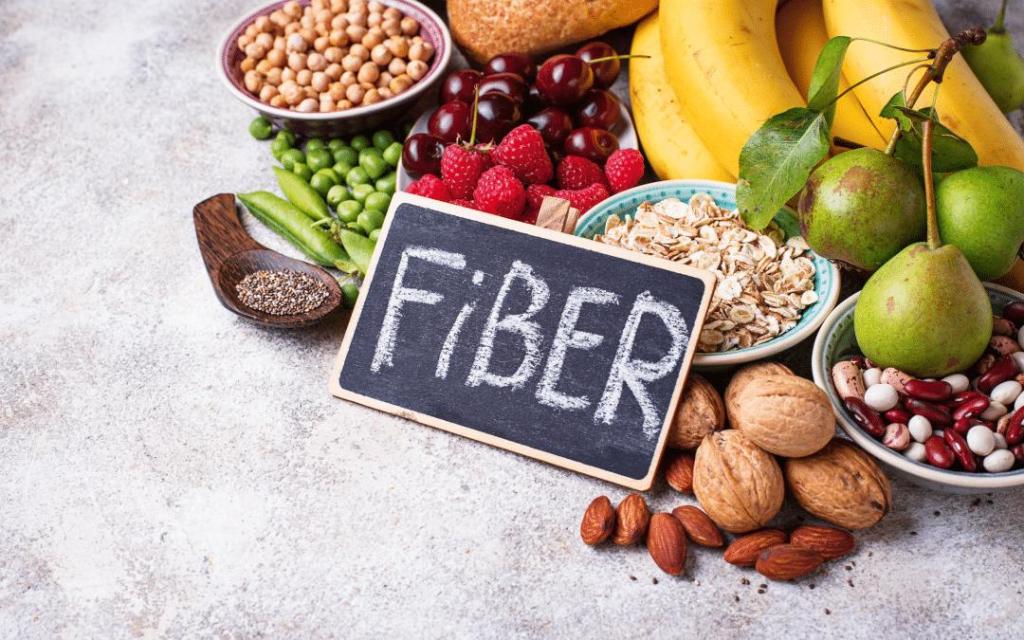
Fibre is a type of carbohydrate found in plant foods that the body cannot fully digest. Unlike other carbohydrates that are broken down into sugar and absorbed into the bloodstream, fibre passes through much of the digestive system largely intact.

Although it isn’t digested, fibre plays a vital role in overall health. It supports digestion, helps regulate blood sugar, promotes healthy cholesterol levels, and may reduce the risk of several chronic diseases.

There are two primary types of dietary fibre:

Soluble Fiber

Soluble fibre dissolves in water and forms a gel-like substance in the digestive tract. This slows digestion and can help control blood sugar and cholesterol levels.

Insoluble Fiber

Insoluble fibre does not dissolve in water. Instead, it adds bulk to stool and helps food move more efficiently through the digestive system.

Most plant foods contain both types, although some foods provide higher amounts of one than the other.

Benefits of Dietary Fibre

A diet rich in fibre has been associated with numerous health benefits, including:

  • Supporting digestive health
  • Promoting regular bowel movements
  • Helping regulate blood sugar levels
  • Lowering LDL (“bad”) cholesterol
  • Supporting healthy weight management
  • Increasing feelings of fullness
  • Reducing inflammation
  • Supporting heart health
  • Potentially lowering the risk of certain cancers, including colorectal cancer

Benefits of Soluble Fibre

Soluble fibre is particularly known for its ability to absorb water and form a gel. This process may help:

Improve Blood Sugar Control

By slowing digestion, soluble fibre can reduce rapid spikes in blood glucose after meals. This can be particularly beneficial for people with insulin resistance or diabetes.

Lower Cholesterol Levels

Soluble fibre binds with cholesterol-containing compounds in the digestive tract, helping remove them from the body and potentially lowering LDL cholesterol.

Help Manage Diarrhoea

Because it absorbs water and adds consistency to stool, soluble fibre may help improve loose stools and diarrhoea.

Increase Fullness

The gel-forming effect of soluble fibre slows stomach emptying and may help control appetite.

Benefits of Insoluble Fibre

Insoluble fibre acts differently within the digestive tract.

Supports Regular Bowel Movements

By adding bulk to stool, insoluble fibre helps move waste through the intestines more efficiently.

Helps Prevent Constipation

Insoluble fibre attracts water into stool, making it easier to pass and reducing straining during bowel movements.

Supports Digestive Health

A healthy digestive system depends on regular movement through the gut. Insoluble fibre helps maintain this process and may contribute to long-term bowel health.

Soluble vs. Insoluble Fibre: Which Is Better?

Neither type is better than the other. They simply provide different benefits.

Health GoalSoluble FiberInsoluble Fiber
Relieve Diarrhea✓✓
Relieve Constipation✓✓
Lower Cholesterol✓✓
Improve Blood Sugar Control✓✓
Increase Fullness✓✓
Support Weight Management✓✓
Promote Regular Digestion✓✓

For optimal health, it’s best to consume a variety of foods that provide both types of fibre.

Best Sources of Soluble Fibre

Foods rich in soluble fibre include:

  • Oats and oat bran
  • Barley
  • Apples
  • Citrus fruits
  • Bananas
  • Pears
  • Carrots
  • Sweet potatoes
  • Brussels sprouts
  • Beans
  • Lentils
  • Chickpeas
  • Psyllium husk

Best Sources of Insoluble Fibre

Foods rich in insoluble fibre include:

  • Whole wheat
  • Wheat bran
  • Brown rice
  • Quinoa
  • Nuts
  • Seeds
  • Leafy greens
  • Broccoli
  • Cauliflower
  • Fruit skins and vegetable peels

How Much Fibre Do You Need?

General daily recommendations suggest:

GroupDaily Fibre Target
Women22–28 grams
Men28–34 grams

Unfortunately, many adults consume far less than recommended. Increasing intake gradually can help prevent digestive discomfort while allowing the body to adapt.

Can You Eat Too Much Fibre?

While fibre is beneficial, suddenly increasing intake can sometimes lead to:

  • Bloating
  • Gas
  • Abdominal discomfort
  • Cramping
  • Changes in bowel habits

These symptoms are more common when fibre intake increases rapidly or when adequate water intake is not maintained. Drinking plenty of fluids is essential when consuming a high-fibre diet.

People with certain digestive conditions, including active inflammatory bowel disease flare-ups, may need personalised guidance from a healthcare professional before significantly increasing fibre intake.

Frequently Asked Questions

Is soluble or insoluble fibre better?

Both are important. Soluble fibre supports cholesterol, blood sugar, and appetite regulation, while insoluble fibre helps maintain regular bowel movements and digestive health.

Which fibre helps with constipation?

Both can help, but insoluble fibre is particularly effective because it adds bulk to stool and promotes movement through the digestive tract.

Which fibre helps with diarrhoea?

Soluble fibre may help by absorbing excess water and improving stool consistency.

Do I need fibre supplements?

Whole foods should be your primary source of fibre. Supplements can be useful in certain situations but generally provide fewer nutritional benefits than fruits, vegetables, legumes, and whole grains.

Final Comments

Soluble and insoluble fibre each play unique roles in maintaining good health. Soluble fibre supports blood sugar control, cholesterol management, and digestive balance, while insoluble fibre promotes regular bowel movements and digestive efficiency.

Rather than focusing on one type over the other, aim to eat a wide range of plant-based foods every day. A varied diet rich in fruits, vegetables, legumes, nuts, seeds, and whole grains will naturally provide the balance of fibre your body needs to thrive.

Sd