
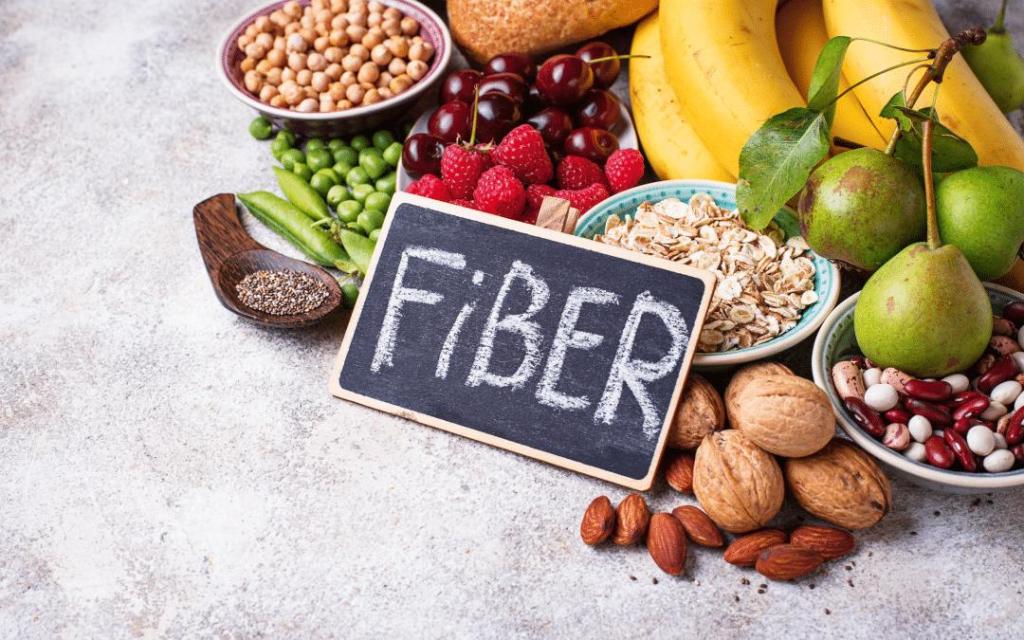
Soluble vs. Insoluble Fiber: What’s the Difference and Why Do You Need Both?

Key Takeaways

  • Soluble fibre dissolves in water and forms a gel-like substance that may help regulate blood sugar, support heart health, and improve digestion.
  • Insoluble fibre does not dissolve in water and helps promote regular bowel movements by adding bulk to stool.
  • Most plant-based foods contain a combination of both types of fibre.
  • Adults should aim for approximately 22–34 grams of fibre daily, depending on age and sex.
  • Eating a variety of fruits, vegetables, legumes, nuts, seeds, and whole grains is the easiest way to get enough fibre.

What Is Fibre?

Fibre is a type of carbohydrate found in plant foods that the body cannot fully digest. Unlike other carbohydrates that are broken down into sugar and absorbed into the bloodstream, fibre passes through much of the digestive system largely intact.

Although it isn’t digested, fibre plays a vital role in overall health. It supports digestion, helps regulate blood sugar, promotes healthy cholesterol levels, and may reduce the risk of several chronic diseases.

There are two primary types of dietary fibre:

Soluble Fiber

Soluble fibre dissolves in water and forms a gel-like substance in the digestive tract. This slows digestion and can help control blood sugar and cholesterol levels.

Insoluble Fiber

Insoluble fibre does not dissolve in water. Instead, it adds bulk to stool and helps food move more efficiently through the digestive system.

Most plant foods contain both types, although some foods provide higher amounts of one than the other.

Benefits of Dietary Fibre

A diet rich in fibre has been associated with numerous health benefits, including:

  • Supporting digestive health
  • Promoting regular bowel movements
  • Helping regulate blood sugar levels
  • Lowering LDL (“bad”) cholesterol
  • Supporting healthy weight management
  • Increasing feelings of fullness
  • Reducing inflammation
  • Supporting heart health
  • Potentially lowering the risk of certain cancers, including colorectal cancer

Benefits of Soluble Fibre

Soluble fibre is particularly known for its ability to absorb water and form a gel. This process may help:

Improve Blood Sugar Control

By slowing digestion, soluble fibre can reduce rapid spikes in blood glucose after meals. This can be particularly beneficial for people with insulin resistance or diabetes.

Lower Cholesterol Levels

Soluble fibre binds with cholesterol-containing compounds in the digestive tract, helping remove them from the body and potentially lowering LDL cholesterol.

Help Manage Diarrhoea

Because it absorbs water and adds consistency to stool, soluble fibre may help improve loose stools and diarrhoea.

Increase Fullness

The gel-forming effect of soluble fibre slows stomach emptying and may help control appetite.

Benefits of Insoluble Fibre

Insoluble fibre acts differently within the digestive tract.

Supports Regular Bowel Movements

By adding bulk to stool, insoluble fibre helps move waste through the intestines more efficiently.

Helps Prevent Constipation

Insoluble fibre attracts water into stool, making it easier to pass and reducing straining during bowel movements.

Supports Digestive Health

A healthy digestive system depends on regular movement through the gut. Insoluble fibre helps maintain this process and may contribute to long-term bowel health.

Soluble vs. Insoluble Fibre: Which Is Better?

Neither type is better than the other. They simply provide different benefits.

Health GoalSoluble FiberInsoluble Fiber
Relieve Diarrhea✓✓
Relieve Constipation✓✓
Lower Cholesterol✓✓
Improve Blood Sugar Control✓✓
Increase Fullness✓✓
Support Weight Management✓✓
Promote Regular Digestion✓✓

For optimal health, it’s best to consume a variety of foods that provide both types of fibre.

Best Sources of Soluble Fibre

Foods rich in soluble fibre include:

  • Oats and oat bran
  • Barley
  • Apples
  • Citrus fruits
  • Bananas
  • Pears
  • Carrots
  • Sweet potatoes
  • Brussels sprouts
  • Beans
  • Lentils
  • Chickpeas
  • Psyllium husk

Best Sources of Insoluble Fibre

Foods rich in insoluble fibre include:

  • Whole wheat
  • Wheat bran
  • Brown rice
  • Quinoa
  • Nuts
  • Seeds
  • Leafy greens
  • Broccoli
  • Cauliflower
  • Fruit skins and vegetable peels

How Much Fibre Do You Need?

General daily recommendations suggest:

GroupDaily Fibre Target
Women22–28 grams
Men28–34 grams

Unfortunately, many adults consume far less than recommended. Increasing intake gradually can help prevent digestive discomfort while allowing the body to adapt.

Can You Eat Too Much Fibre?

While fibre is beneficial, suddenly increasing intake can sometimes lead to:

  • Bloating
  • Gas
  • Abdominal discomfort
  • Cramping
  • Changes in bowel habits

These symptoms are more common when fibre intake increases rapidly or when adequate water intake is not maintained. Drinking plenty of fluids is essential when consuming a high-fibre diet.

People with certain digestive conditions, including active inflammatory bowel disease flare-ups, may need personalised guidance from a healthcare professional before significantly increasing fibre intake.

Frequently Asked Questions

Is soluble or insoluble fibre better?

Both are important. Soluble fibre supports cholesterol, blood sugar, and appetite regulation, while insoluble fibre helps maintain regular bowel movements and digestive health.

Which fibre helps with constipation?

Both can help, but insoluble fibre is particularly effective because it adds bulk to stool and promotes movement through the digestive tract.

Which fibre helps with diarrhoea?

Soluble fibre may help by absorbing excess water and improving stool consistency.

Do I need fibre supplements?

Whole foods should be your primary source of fibre. Supplements can be useful in certain situations but generally provide fewer nutritional benefits than fruits, vegetables, legumes, and whole grains.

Final Comments

Soluble and insoluble fibre each play unique roles in maintaining good health. Soluble fibre supports blood sugar control, cholesterol management, and digestive balance, while insoluble fibre promotes regular bowel movements and digestive efficiency.

Rather than focusing on one type over the other, aim to eat a wide range of plant-based foods every day. A varied diet rich in fruits, vegetables, legumes, nuts, seeds, and whole grains will naturally provide the balance of fibre your body needs to thrive.

Sd
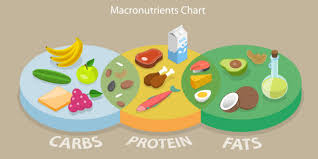
Macronutrients 101: Balancing Carbs, Proteins, and Fats

Welcome to the world of macronutrients—the essential building blocks of our diet that keep us energised, healthy, and functioning at our best. Whether you’re a fitness enthusiast, a health-conscious eater, or just someone trying to understand what makes up your meals, understanding macronutrients is key. In this guide, we’ll break down the three main types of macronutrients, their functions, benefits, and how you can balance them for optimal health. Ready to dive in? Let’s get started!

What Are Macronutrients?

Macronutrients are nutrients that our bodies require in large amounts to function properly. They provide the energy needed for all bodily functions and are vital for overall health. There are three primary macronutrients: carbohydrates, proteins, and fats. Each plays a unique role in our body and offers its own set of benefits.

1. Carbohydrates: The Body’s Main Energy Source

What Are They?
Carbohydrates are the body’s primary source of energy, especially for high-intensity activities. They break down into glucose, which fuels your muscles and brain.

Types of Carbs:

  • Simple Carbohydrates: Found in foods like fruits, milk, and sugar. These carbs are quickly digested and provide a fast energy boost.
  • Complex Carbohydrates: Found in whole grains, legumes, and vegetables. These carbs take longer to digest and provide sustained energy.

Functions of Carbs:

  • Energy Production: Carbs are the body’s preferred source of fuel, especially during exercise or strenuous activity.
  • Brain Function: Glucose, derived from carbs, is the brain’s main energy source.

Benefits:

  • Quick Energy: Simple carbs can quickly replenish energy levels, ideal for pre- or post-workout snacks.
  • Sustained Energy: Complex carbs keep blood sugar stable and help you feel fuller for longer.

Carb-Balancing Tips:

  • Opt for whole, unprocessed carbs like oats, quinoa, and sweet potatoes.
  • Limit sugary snacks and refined grains (e.g., white bread) that spike blood sugar levels.

2. Proteins: The Body’s Building Blocks

What Are They?
Proteins are essential for tissue repair, muscle growth, and the production of enzymes and hormones. They’re often called the “building blocks” of the body.

Types of Proteins:

  • Complete Proteins: Contain all nine essential amino acids and are found in animal products like meat, eggs, and dairy, as well as plant-based sources like quinoa and soy.
  • Incomplete Proteins: Lack one or more essential amino acids and are found in most plant-based foods, like beans, lentils, and nuts.

Functions of Protein:

  • Muscle Repair & Growth: Protein helps repair tissues and build muscle after exercise.
  • Enzyme Production: It also plays a role in producing enzymes for vital biochemical reactions.

Benefits:

  • Muscle Strength: Adequate protein intake supports muscle growth and recovery, making it crucial for athletes and fitness enthusiasts.
  • Satiety: Protein helps keep you feeling full, which can assist in weight management.

Protein-Balancing Tips:

  • Incorporate a variety of protein sources in your meals—lean meats, fish, dairy, legumes, and nuts.
  • Choose plant-based proteins if you’re following a vegan or vegetarian diet.
  • Example: A hearty meal might include a grilled chicken breast (complete protein), quinoa (carb), and sautéed veggies (fibre and nutrients).

3. Fats: Essential for Overall Health

What Are They?
Fats are a dense source of energy and are crucial for maintaining cell structures and producing hormones. They also help the body absorb fat-soluble vitamins.

Types of Fats:

  • Saturated Fats: Found in animal products and certain plant oils. While necessary, they should be consumed in moderation.
  • Unsaturated Fats: Found in foods like avocados, nuts, seeds, and olive oil. These fats are heart-healthy and reduce inflammation.
  • Trans Fats: Found in processed foods and should be avoided as they can increase the risk of heart disease.

Functions of Fats:

  • Energy Storage: Fats are stored in the body as an energy reserve.
  • Cell Structure & Hormone Production: Fats are essential for building cell membranes and producing vital hormones.

Benefits:

  • Heart Health: Omega-3 fatty acids (a type of unsaturated fat) help reduce inflammation and improve cardiovascular health.
  • Nutrient Absorption: Fats are crucial for the absorption of fat-soluble vitamins (A, D, E, and K).

Fat-Balancing Tips:

  • Prioritise unsaturated fats from foods like fish, nuts, seeds, and avocados.
  • Limit saturated fats by reducing processed foods and fatty meats.
  • Avoid trans fats found in most processed snacks and fast foods.

How to Balance Your Macronutrients for Optimal Health

Balancing your macronutrients is essential for maintaining a healthy diet and achieving your fitness and wellness goals. Here’s how you can get it right:

1. Assess Your Needs:
Your macronutrient needs depend on factors like age, sex, activity level, and health goals. For example, athletes may require higher protein intake, while those following a keto diet focus on increasing fats and reducing carbs. You can use a macro calculator or consult a nutritionist for personalised advice.

2. Meal Planning & Example Meal Combinations:

  • Breakfast: Scrambled eggs (protein), whole grain toast (carb), avocado (healthy fat).
  • Lunch: Grilled chicken (protein), quinoa (carb), mixed greens with olive oil dressing (healthy fat).
  • Dinner: Salmon (protein + omega-3 fat), sweet potatoes (carb), steamed broccoli (fibre).

3. Listen to Your Body:
Pay attention to how different macronutrient ratios affect your energy levels, mood, and overall health. Do you feel sluggish after a high-carb meal? Energised after a protein-packed snack? Adjust accordingly.

Diet-Specific Tips:

  • Keto Diet: Focus on higher fat, moderate protein, and very low carbs (e.g., avocado, cheese, eggs, and leafy greens).
  • Vegan Diet: Ensure adequate protein intake from plant-based sources (e.g., lentils, beans, tofu, and tempeh) and healthy fats from nuts, seeds, and oils.
  • Balanced Diet: Emphasise variety, including all macronutrients in every meal for sustained energy and well-being.

Final Thoughts: Your Path to a Healthier You

Understanding macronutrients and how they work can transform your approach to eating and health. By learning about the types, functions, and benefits of carbohydrates, proteins, and fats, you’ll be equipped to make informed food choices that align with your goals. Remember, balance is the key—and moderation is the secret to a diet that supports both happiness and health.

Ready to take control of your nutrition?
Start by evaluating your current diet, experimenting with macronutrient ratios, and observing how your body responds. You’ll feel more energised, stronger, and healthier in no time!

Engage with Us:
I’d love to hear your experiences with macronutrients. What meals or tips have worked for you? Leave a comment below and share your thoughts!

 Feel free to share this guide with friends and family who are curious about macronutrients.

Stay healthy, stay balanced, and happy eating!

Nourishing Your Body: How Nutrition Can Help with PCOS

Polycystic Ovary Syndrome (PCOS) is a common hormonal disorder affecting people of reproductive age, characterised by irregular periods, excess androgen levels, and polycystic ovaries. Beyond its reproductive implications, PCOS can also lead to various metabolic and cardiovascular complications. While there’s no cure for PCOS, adopting a well-balanced diet can significantly alleviate its symptoms and improve overall health. In this blog, we’ll delve into how nutrition plays a crucial role in managing PCOS and nourishing your body effectively.

Understanding PCOS and its Dietary Implications:

PCOS disrupts the normal balance of hormones in the body, leading to insulin resistance, which in turn affects how the body processes glucose and regulates blood sugar levels. Insulin resistance is often a key factor in the development of metabolic disturbances such as type 2 diabetes and obesity, both of which are commonly associated with PCOS.

Moreover, individuals with PCOS often have higher levels of androgens, such as testosterone, which can lead to symptoms like acne, excessive hair growth, and weight gain. These hormonal imbalances make it essential to adopt a diet that helps regulate insulin levels and manage weight effectively.

The Role of Nutrition in PCOS Management:

Balancing Carbohydrates: 

Opting for complex carbohydrates with a low glycemic index can help stabilise blood sugar levels and improve insulin sensitivity. Foods like whole grains, legumes, vegetables, and fruits are excellent choices as they provide sustained energy without causing sharp spikes in blood sugar.

Healthy Fats: 

Incorporating healthy fats, such as those found in nuts, seeds, avocados, and fatty fish, can aid in hormone regulation and reduce inflammation associated with PCOS. Omega-3 fatty acids, in particular, have been shown to have beneficial effects in managing symptoms of PCOS.

Protein-Rich Foods: 

Including lean sources of protein, such as poultry, fish, tofu, and legumes, can help promote satiety and stabilise blood sugar levels. Protein also plays a crucial role in muscle building and repair, which is beneficial for individuals with PCOS who may be trying to manage their weight.

Faber-Rich Foods: 

Fibre helps slow down the digestion of carbohydrates, preventing rapid spikes in blood sugar levels. Additionally, fibre promotes satiety and aids in digestion, which can be beneficial for weight management. Foods like vegetables, fruits, whole grains, and legumes are excellent sources of dietary fibre.

Limiting Processed Foods and Added Sugars: 

Processed foods and those high in added sugars can exacerbate insulin resistance and promote inflammation. Avoiding sugary beverages, desserts, and highly processed snacks is crucial for managing PCOS symptoms and maintaining overall health.

Mindful Eating: 

Practicing mindful eating techniques, such as paying attention to hunger and fullness cues, can help prevent overeating and promote a healthy relationship with food. Mindful eating can also reduce stress levels, which may positively impact hormone balance in individuals with PCOS.

Hydration: 

Staying hydrated is essential for overall health and can aid in hormone regulation and digestion. Opt for water as the primary beverage choice and limit intake of sugary drinks and alcohol.

While PCOS presents unique challenges, adopting a nutrient-dense diet can significantly improve symptoms and overall well-being. By focusing on whole, unprocessed foods and prioritising nutrient balance, individuals with PCOS can better manage their hormonal imbalances, insulin resistance, and weight. Consulting with a registered dietitian or healthcare provider can provide personalised guidance and support in developing a nutrition plan tailored to individual needs. Remember, nourishing your body with the right foods is a powerful tool in managing PCOS and optimising health for the long term.

How to Eat Healthy Without Breaking the Bank

In a world where the cost of living seems to constantly rise, maintaining a healthy diet can feel like a financial burden. However, ensuring you get your recommended “5 a day” of fruits and vegetables doesn’t have to break the bank. With a bit of planning, creativity, and smart shopping, it’s entirely possible to eat healthily on a budget. Let’s explore some strategies to help you achieve this goal.

1. Embrace Seasonal Produce

One of the simplest ways to save money on fruits and vegetables is to buy what’s in season. Seasonal produce tends to be more abundant, which often translates to lower prices. Visit your local farmer’s market or grocery store and look for fruits and vegetables that are in peak season. Not only will you save money, but you’ll also enjoy produce at its freshest and most flavourful.

2. Plan Your Meals

Meal planning is a game-changer when it comes to eating healthily on a budget. Take some time each week to plan out your meals, making sure to include plenty of fruits and vegetables. Look for recipes that utilise affordable ingredients and incorporate seasonal produce. By planning ahead, you can create a shopping list that helps you avoid impulse purchases and ensures you have everything you need for nutritious meals throughout the week.

3. Buy Frozen or Canned Produce

While fresh produce is fantastic, don’t overlook the value of frozen or canned options. Frozen fruits and vegetables are often just as nutritious as their fresh counterparts since they’re typically frozen at peak ripeness. Plus, they have the added benefit of a longer shelf life, reducing the risk of food waste. Canned fruits and vegetables are also budget-friendly and convenient, just be sure to choose options with no added sugars or excessive sodium.

4. Shop Smart

When shopping for fruits and vegetables, keep an eye out for sales, discounts, and bulk deals. Many grocery stores offer specials on produce, especially items that are in season or nearing their expiration date. Take advantage of these opportunities to stock up on your favourite fruits and vegetables at a lower cost. Additionally, consider joining a loyalty program or using coupons to save even more money on your grocery bill.

5. Get Creative in the Kitchen

Eating healthily on a budget doesn’t mean sacrificing flavour or variety. Get creative in the kitchen by experimenting with different recipes and cooking techniques. Look for budget-friendly meals that incorporate a variety of fruits and vegetables, such as stir-fries, salads, soups, and smoothies. Don’t be afraid to try new ingredients or substitutions to keep things interesting while sticking to your budget.

Getting your recommended “5 a day” of fruits and vegetables doesn’t have to be expensive. By embracing seasonal produce, planning your meals, opting for frozen or canned options when necessary, shopping smart, and getting creative in the kitchen, you can eat healthily without breaking the bank. With a little effort and mindfulness, you’ll be well on your way to achieving your health and budget goals simultaneously. So, the next time you’re grocery shopping, remember these tips and enjoy a nutritious and budget-friendly diet.

How to make your diet healthier

Maintaining a healthy diet is essential for overall well-being and vitality. However, the abundance of information on nutrition can be overwhelming. The good news is that adopting a healthier diet doesn’t have to be complicated. By making small, sustainable changes to your eating habits, you can significantly improve your overall health. Here are 25 ways to make your diet healthier.

  • Hydrate with Water:
  • Start your day by drinking a glass of water and aim to stay hydrated throughout the day. Water helps with digestion, nutrient absorption, and overall bodily functions.
  • Eat Colourful Fruits and Vegetables:
  • Include a variety of colourful fruits and vegetables in your meals. Different colours often indicate different nutrients, so a diverse palette ensures a range of health benefits.
  • Choose Whole Grains:
  • Opt for whole grains such as brown rice, quinoa, and whole wheat over refined grains. Whole grains are rich in fibre and nutrients, promoting better digestion.
  • Watch Portion Sizes:
  • Be mindful of portion sizes to avoid overeating. Using smaller plates can help trick your mind into feeling satisfied with smaller portions.
  • Prioritise Lean Proteins:
  • Include lean protein sources like poultry, fish, tofu, and legumes in your diet. Protein is essential for muscle health and overall body function.
  • Limit Processed Foods:
  • Cut down on processed foods high in added sugars, salt, and unhealthy fats. Opt for whole, natural foods whenever possible.
  • Cook at Home:
  • Prepare meals at home to have better control over ingredients and cooking methods. This also allows you to experiment with healthier recipes.
  • Snack Smart:
  • Choose nutritious snacks like fresh fruits, nuts, or yogurt instead of reaching for processed snacks. Healthy snacking can help maintain energy levels throughout the day.
  • Limit Added Sugars:
  • Read food labels to identify and reduce added sugars in your diet. Sugary beverages and sweets should be consumed in moderation.
  • Include Healthy Fats:
  • Incorporate sources of healthy fats, such as avocados, nuts, and olive oil. These fats are crucial for brain health and overall well-being.
  • Mindful Eating:
  • Practice mindful eating by savouring each bite and paying attention to hunger and fullness cues. This helps prevent overeating.
  • Experiment with Herbs and Spices:
  • Enhance the flavour of your dishes with herbs and spices instead of relying on salt. This adds variety and can have potential health benefits.
  • Limit Liquid Calories:
  • Be mindful of liquid calories from sugary drinks. Opt for water, herbal teas, or infused water to stay hydrated without unnecessary added sugars.
  • Eat Regularly:
  • Establish regular eating patterns to avoid excessive hunger, which can lead to poor food choices. Aim for balanced meals and snacks throughout the day.
  • Include Dairy or Dairy Alternatives:
  • Incorporate dairy or fortified dairy alternatives for a good source of calcium and vitamin D, crucial for bone health.
  • Read Food Labels:
  • Familiarise yourself with food labels to make informed choices. Look for products with simple, recognisable ingredients.
  • Plan Meals Ahead:
  • Plan your meals ahead of time to avoid last-minute unhealthy choices. This can also save time and make grocery shopping more efficient.
  • Limit Red and Processed Meats:
  • Reduce your intake of red and processed meats, as they have been associated with certain health risks. Opt for leaner protein sources.
  • Enjoy Treats in Moderation:
  • It’s okay to indulge in treats occasionally. The key is moderation – savour and enjoy special treats without overdoing it.
  • Faber-Rich Foods:
  • Increase your fibre intake with foods like whole grains, fruits, vegetables, and legumes. Fibre aids digestion and helps you feel full longer.
  • Be Cautious with Restaurant Portions:
  • When dining out, be aware of large portion sizes. Consider sharing dishes or packing half of your meal for later.
  • Stay Consistent:
  • Consistency is key to developing healthy eating habits. Small, sustainable changes over time are more likely to lead to lasting results.
  • Stay Physically Active:
  • Regular physical activity complements a healthy diet. Aim for a combination of cardiovascular exercise, strength training, and flexibility exercises.
  • Stay Informed:
  • Stay informed about nutrition trends and updates. The field of nutrition is continually evolving, and staying informed empowers you to make better choices.
  • Consult a Professional:
  • If you have specific dietary concerns or health conditions, consult a registered dietitian or healthcare professional. They can provide personalised guidance based on your needs.

Adopting a healthier diet doesn’t have to be a drastic overhaul of your eating habits. By incorporating these simple tips into your daily routine, you can make gradual, positive changes that contribute to improved overall health and well-being. Remember, small steps