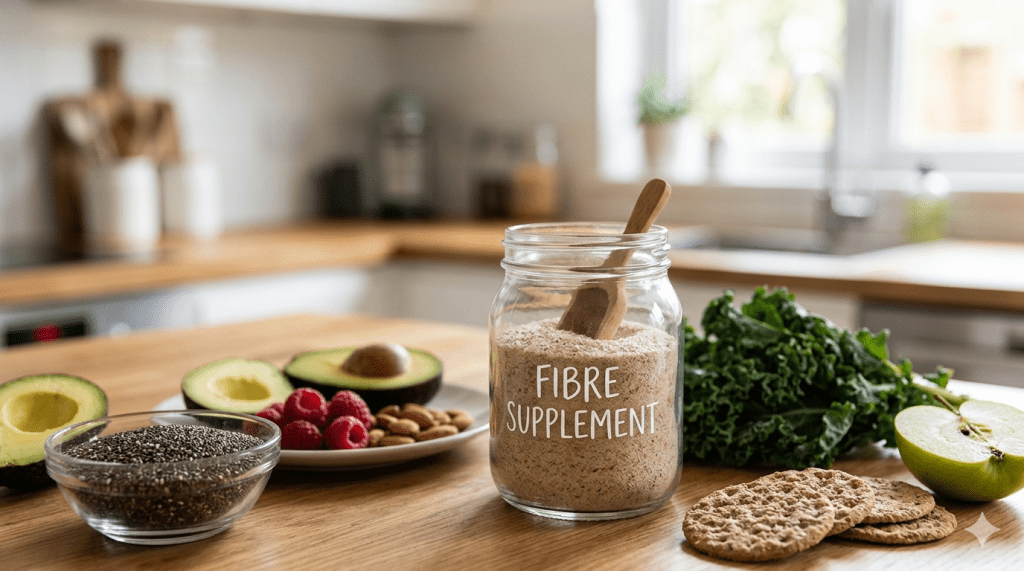
Do You Actually Need a Fibre Supplement? Here’s What You Should Know

We talk a lot about fibre in the wellness world and for good reason. It’s one of the most powerful, underrated tools we have for supporting digestion, blood sugar, mood, and even heart health.

But what happens when you’re not getting enough from food alone? That’s where fibre supplements come in 

Like most things in nutrition, the answer isn’t one-size-fits-all.

Who Might Actually Benefit From a Fibre Supplement?

The honest truth is that most of us aren’t getting enough fibre from our diets. In the UK, the recommended daily amount is 30g for all adults yet most of us are only getting around 20g a day. That’s a significant gap, and it has real consequences for our digestion, energy, and mood.

There are a few reasons this happens. Access to fresh, whole foods isn’t equal cost and location matter more than we like to admit. Some popular eating approaches, like the ketogenic diet, naturally reduce fibre-rich plant foods. And for others, certain health conditions like constipation, type 2 diabetes, or high blood pressure may genuinely benefit from supplementation.

If you’re unsure whether a supplement is right for you, it’s always worth speaking with your GP or a registered dietitian first. They can help you understand whether you’re getting enough from food and where a supplement might genuinely help.

Soluble vs. Insoluble Fibre What’s the Difference?

If you’ve been reading along on the blog, you’ll know we recently covered this in depth. But here’s the quick version:

Soluble fibre dissolves in water and forms a gel in your digestive tract. It helps regulate blood sugar, supports cholesterol levels, and can improve both constipation and diarrhoea.

Insoluble fibre doesn’t dissolve instead, it adds bulk to your stool and keeps things moving efficiently through your gut.

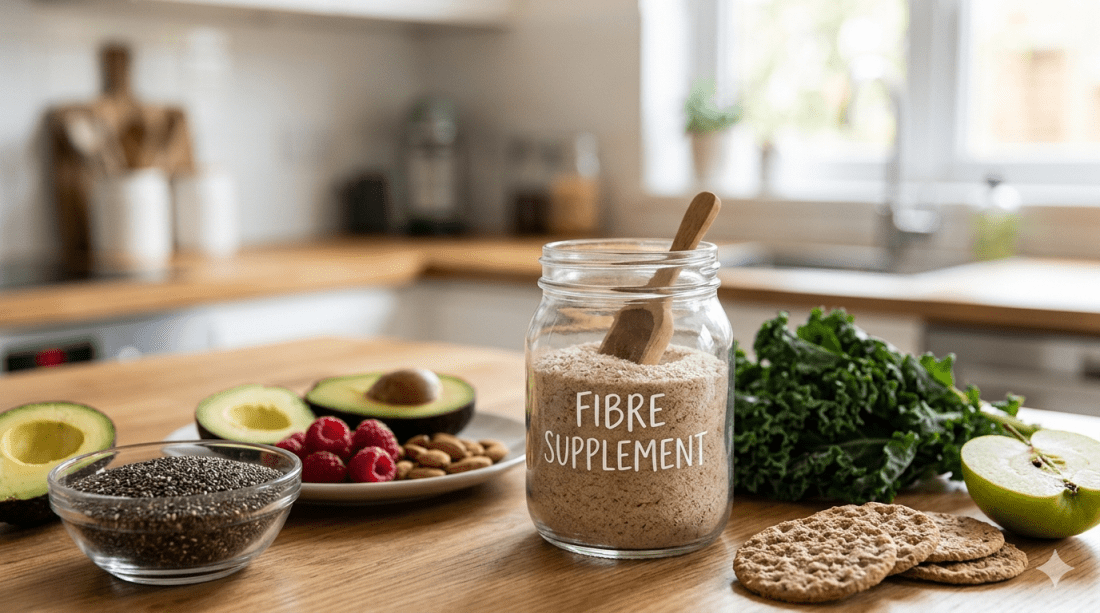
Most fibre supplements contain one type or a blend of both. When you’re reading labels, here’s what to look out for:

Soluble fibre sources include psyllium, inulin, and glucomannan. Insoluble sources include wheat bran and cellulose. Supplements come in powders, capsules, liquids, and gummies whichever form fits most easily into your daily routine is the right one for you.

Are Fibre Supplements Safe to Take Every Day?

Generally, yes.A  few things are worth keeping in mind:

Always drink plenty of water when taking a fibre supplement. Without adequate hydration, you may experience bloating, gas, or cramping — especially when you’re just starting out. If you’re new to a higher-fibre intake, increase gradually rather than all at once. Your gut needs time to adjust.

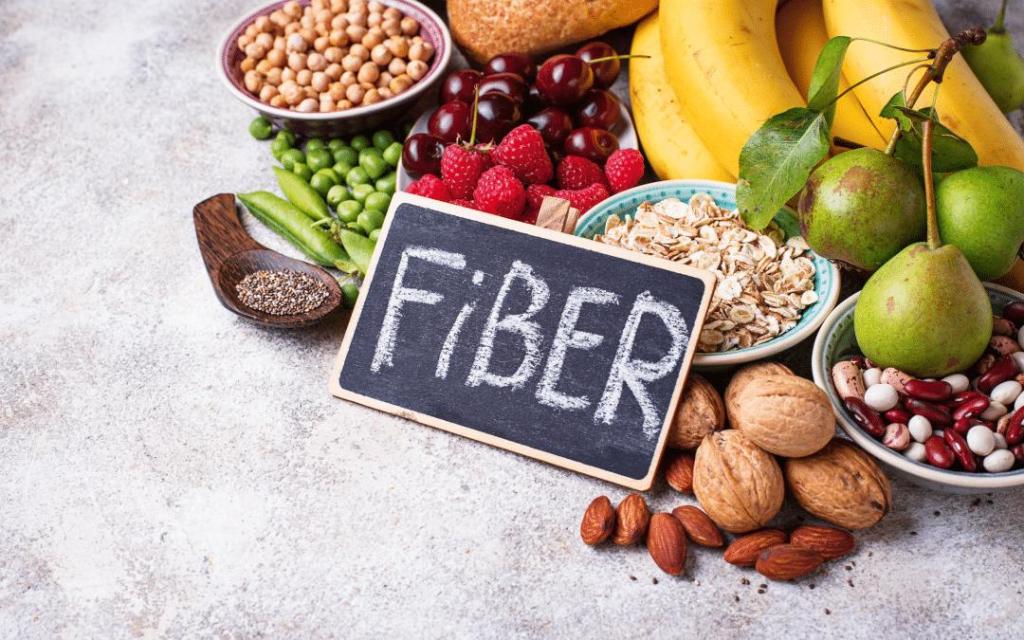
And while supplements can be genuinely helpful, they don’t replace the full nutritional benefit of whole foods. A handful of chickpeas, some berries, a bowl of oats these bring not just fibre but vitamins, minerals, antioxidants, and phytonutrients that a supplement simply can’t replicate.

When to Speak to a Professional First

Some people should be cautious with fibre supplements or avoid them entirely — including those with certain digestive conditions, people taking blood thinners or diabetes medications, and anyone with swallowing difficulties or known gut obstructions.

If your digestive symptoms are persistent or severe, please don’t rely on supplements alone. Chronic changes in bowel habits, bloating, or discomfort should always be assessed by a healthcare professional to rule out anything more serious.

The Inside Out View

Fibre is foundational. It feeds your gut bacteXria, supports your mood (remember — 90% of serotonin is made in the gut), stabilises your blood sugar, and keeps your digestion running smoothly.

The UK recommendation of 30g a day is achievable but it does require intention. Whole foods first, always. Think wholegrains, legumes, fruits, vegetables, nuts, and seeds at every meal. But if you’re genuinely struggling to meet your needs through diet alone, a good quality supplement — wisely can be a supportive addition to your routine.

As always, the goal isn’t perfection. It’s nourishment. 🌿

Have you ever tried a fibre supplement? I’d love to know your experience drop a comment below.

With warmth,

Leena 🌿
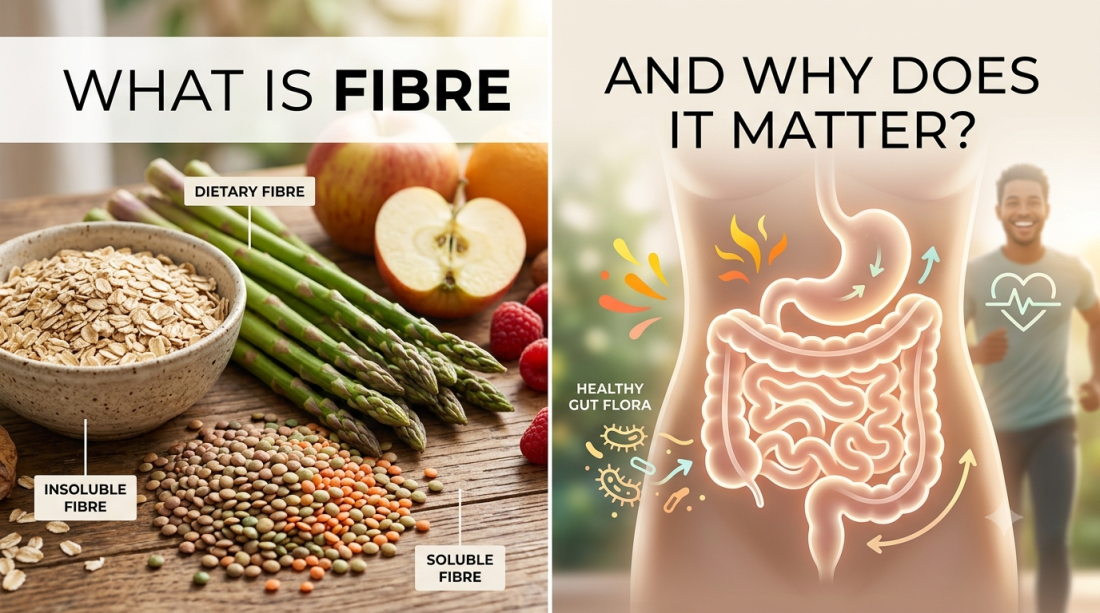
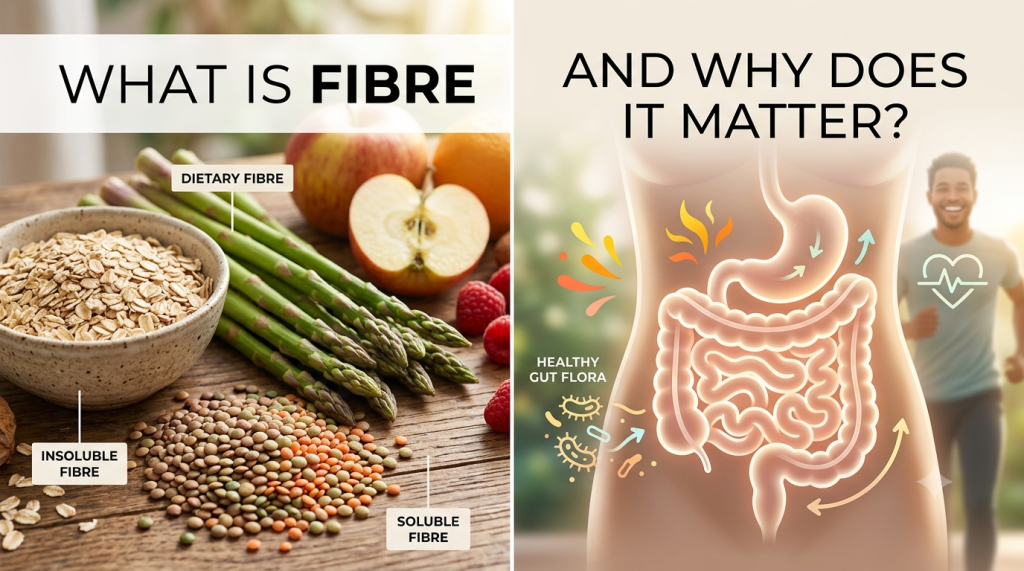
What Is Fibre and Why Does It Matter?

Fibre is the part of plant foods that your body cannot digest. That’s exactly what makes it so powerful.

While it passes through your digestive system largely intact, it does extraordinary things along the way feeding your beneficial gut bacteria, slowing the absorption of sugar into your bloodstream, keeping your bowels moving, and reducing inflammation throughout the body.

Fibre isn’t just a digestive aid. It directly influences your mood, your energy, your hormones, and your long-term health.

So How Much Do You Actually Need?

The NHS recommends 30g of fibre per day for adults. Most people in the UK are getting around 18g barely half of what their body needs.

To put 30g into perspective:

1 slice of wholegrain bread = roughly 2g

1 medium apple = roughly 4g

portion of broccoli = roughly 3g

1 tin of chickpeas = roughly 10g

1 tablespoon of chia seeds = roughly 5g

You can see how quickly the gap appears — especially if your diet includes a lot of processed or refined foods, which contain very little fibre at all.

What Happens When You Don’t Get Enough?

Low fibre intake is linked to:

Unstable blood sugar without fibre to slow things down, sugar hits your bloodstream fast, spiking cortisol and triggering that mid-morning anxiety or afternoon crash.

Poor gut health your beneficial gut bacteria literally feed on fibre. Without it, they starve, and your microbiome diversity drops. Since 90% of your serotonin is produced in your gut, this has a direct impact on your mood.

Sluggish digestion — constipation, bloating, and that heavy, uncomfortable feeling are classic signs of too little fibre.

Increased inflammation low fibre diets are associated with higher levels of chronic inflammation, which affects everything from your energy levels to your immune system.

5 Simple Ways to Eat More Fibre Every Day

You don’t need to overhaul your diet overnight. Small, consistent additions make a huge difference.

1Add seeds to everything

A tablespoon of chia seeds or ground flaxseed into your yoghurt, porridge, or smoothie adds 4–5g of fibre instantly. You won’t even taste it.

Choose whole grains over refined

Swap white bread for wholegrain, white rice for brown or wild rice. The fibre content can be two to three times higher.

Eat the skin

Leave the skin on your potatoes, apples, courgettes, and cucumbers. That’s where a significant portion of the fibre lives.

Add legumes to your meals

Chickpeas, lentils, black beans, and butter beans are fibre powerhouses. Add a handful to soups, salads, or stews  even one portion a day makes a noticeable difference.

Aim for variety, not just quantity

Different plants feed different strains of beneficial gut bacteria. Try to eat 30 different plant foods a week — this includes fruits, vegetables, wholegrains, nuts, seeds, herbs, and spices. It sounds like a lot, but a mixed salad alone can contain eight to ten.

One Important Thing to remember

If you’re currently eating very little fibre, increase it gradually. Adding too much too quickly can cause bloating and discomfort as your gut bacteria adjust. Increase slowly, drink plenty of water, and give your digestive system time to adapt.

The Bottom Line

Fibre is one of the most powerful and most underrated tools for your health. It stabilises your blood sugar, supports your mood, nourishes your gut, and protects your long-term wellbeing — all for the cost of a handful of seeds or an extra portion of vegetables.

Thirty grams a day. That’s your goal. And with small, intentional changes, it’s completely achievable.

💬 I’d love to hear from you

Do you think you’re hitting 30g a day? Or does this post make you realise the gap might be bigger than you thought?

Drop a comment below I read and reply to every single one. And if this was useful, please share it with someone who needs to hear it. You never know whose health you might change today. 🌿

With warmth,

Leena 🌿

Soluble vs. Insoluble Fiber: What’s the Difference and Why Do You Need Both?

Key Takeaways

  • Soluble fibre dissolves in water and forms a gel-like substance that may help regulate blood sugar, support heart health, and improve digestion.
  • Insoluble fibre does not dissolve in water and helps promote regular bowel movements by adding bulk to stool.
  • Most plant-based foods contain a combination of both types of fibre.
  • Adults should aim for approximately 22–34 grams of fibre daily, depending on age and sex.
  • Eating a variety of fruits, vegetables, legumes, nuts, seeds, and whole grains is the easiest way to get enough fibre.

What Is Fibre?

Fibre is a type of carbohydrate found in plant foods that the body cannot fully digest. Unlike other carbohydrates that are broken down into sugar and absorbed into the bloodstream, fibre passes through much of the digestive system largely intact.

Although it isn’t digested, fibre plays a vital role in overall health. It supports digestion, helps regulate blood sugar, promotes healthy cholesterol levels, and may reduce the risk of several chronic diseases.

There are two primary types of dietary fibre:

Soluble Fiber

Soluble fibre dissolves in water and forms a gel-like substance in the digestive tract. This slows digestion and can help control blood sugar and cholesterol levels.

Insoluble Fiber

Insoluble fibre does not dissolve in water. Instead, it adds bulk to stool and helps food move more efficiently through the digestive system.

Most plant foods contain both types, although some foods provide higher amounts of one than the other.

Benefits of Dietary Fibre

A diet rich in fibre has been associated with numerous health benefits, including:

  • Supporting digestive health
  • Promoting regular bowel movements
  • Helping regulate blood sugar levels
  • Lowering LDL (“bad”) cholesterol
  • Supporting healthy weight management
  • Increasing feelings of fullness
  • Reducing inflammation
  • Supporting heart health
  • Potentially lowering the risk of certain cancers, including colorectal cancer

Benefits of Soluble Fibre

Soluble fibre is particularly known for its ability to absorb water and form a gel. This process may help:

Improve Blood Sugar Control

By slowing digestion, soluble fibre can reduce rapid spikes in blood glucose after meals. This can be particularly beneficial for people with insulin resistance or diabetes.

Lower Cholesterol Levels

Soluble fibre binds with cholesterol-containing compounds in the digestive tract, helping remove them from the body and potentially lowering LDL cholesterol.

Help Manage Diarrhoea

Because it absorbs water and adds consistency to stool, soluble fibre may help improve loose stools and diarrhoea.

Increase Fullness

The gel-forming effect of soluble fibre slows stomach emptying and may help control appetite.

Benefits of Insoluble Fibre

Insoluble fibre acts differently within the digestive tract.

Supports Regular Bowel Movements

By adding bulk to stool, insoluble fibre helps move waste through the intestines more efficiently.

Helps Prevent Constipation

Insoluble fibre attracts water into stool, making it easier to pass and reducing straining during bowel movements.

Supports Digestive Health

A healthy digestive system depends on regular movement through the gut. Insoluble fibre helps maintain this process and may contribute to long-term bowel health.

Soluble vs. Insoluble Fibre: Which Is Better?

Neither type is better than the other. They simply provide different benefits.

Health GoalSoluble FiberInsoluble Fiber
Relieve Diarrhea✓✓
Relieve Constipation✓✓
Lower Cholesterol✓✓
Improve Blood Sugar Control✓✓
Increase Fullness✓✓
Support Weight Management✓✓
Promote Regular Digestion✓✓

For optimal health, it’s best to consume a variety of foods that provide both types of fibre.

Best Sources of Soluble Fibre

Foods rich in soluble fibre include:

  • Oats and oat bran
  • Barley
  • Apples
  • Citrus fruits
  • Bananas
  • Pears
  • Carrots
  • Sweet potatoes
  • Brussels sprouts
  • Beans
  • Lentils
  • Chickpeas
  • Psyllium husk

Best Sources of Insoluble Fibre

Foods rich in insoluble fibre include:

  • Whole wheat
  • Wheat bran
  • Brown rice
  • Quinoa
  • Nuts
  • Seeds
  • Leafy greens
  • Broccoli
  • Cauliflower
  • Fruit skins and vegetable peels

How Much Fibre Do You Need?

General daily recommendations suggest:

GroupDaily Fibre Target
Women22–28 grams
Men28–34 grams

Unfortunately, many adults consume far less than recommended. Increasing intake gradually can help prevent digestive discomfort while allowing the body to adapt.

Can You Eat Too Much Fibre?

While fibre is beneficial, suddenly increasing intake can sometimes lead to:

  • Bloating
  • Gas
  • Abdominal discomfort
  • Cramping
  • Changes in bowel habits

These symptoms are more common when fibre intake increases rapidly or when adequate water intake is not maintained. Drinking plenty of fluids is essential when consuming a high-fibre diet.

People with certain digestive conditions, including active inflammatory bowel disease flare-ups, may need personalised guidance from a healthcare professional before significantly increasing fibre intake.

Frequently Asked Questions

Is soluble or insoluble fibre better?

Both are important. Soluble fibre supports cholesterol, blood sugar, and appetite regulation, while insoluble fibre helps maintain regular bowel movements and digestive health.

Which fibre helps with constipation?

Both can help, but insoluble fibre is particularly effective because it adds bulk to stool and promotes movement through the digestive tract.

Which fibre helps with diarrhoea?

Soluble fibre may help by absorbing excess water and improving stool consistency.

Do I need fibre supplements?

Whole foods should be your primary source of fibre. Supplements can be useful in certain situations but generally provide fewer nutritional benefits than fruits, vegetables, legumes, and whole grains.

Final Comments

Soluble and insoluble fibre each play unique roles in maintaining good health. Soluble fibre supports blood sugar control, cholesterol management, and digestive balance, while insoluble fibre promotes regular bowel movements and digestive efficiency.

Rather than focusing on one type over the other, aim to eat a wide range of plant-based foods every day. A varied diet rich in fruits, vegetables, legumes, nuts, seeds, and whole grains will naturally provide the balance of fibre your body needs to thrive.

Sd

The Gut-Mental Health Connection: Why Your Stomach Holds the Key to Your Mood

Have you ever had a gut feeling about something? 

Felt butterflies before a big moment? Noticed your stomach tighten when you’re anxious, or felt nauseous when you’re scared?

That is not a coincidence. That is your gut and your brain in constant, real-time conversation and what’s happening in your digestive system has a profound effect on your mental health, your mood, and your ability to cope with stress.

Have you ever had a gut feeling about something? 

Felt butterflies before a big moment? Noticed your stomach tighten when you’re anxious, or felt nauseous when you’re scared?

That is not a coincidence. That is your gut and your brain in constant, real-time conversation and what’s happening in your digestive system has a profound effect on your mental health, your mood, and your ability to cope with stress.

This is one of the most exciting areas of nutrition science right now, and it could completely change how you think about your mental wellbeing.

Meet Your Second Brain

Your gut contains over 500 million neuron’s more than your spinal cord. Scientists now call it the “enteric nervous system” or your second brain, and it operates largely independently of the brain in your head.

But here’s the part that surprises most people: approximately 90% of your serotonin  your primary feel good neurotransmitter  is produced in your gut and not your brain.

This means that the health of your digestive system directly impacts your mood, your anxiety levels, your sleep, and your emotional resilience.

What Damages Your Gut-Mental Health Connection

Chronic stress: cortisol disrupts your gut microbiome, reducing the diversity of beneficial bacteria.

Ultra-processed foods:  sugar, artificial sweeteners, and refined carbs feed harmful bacteria and reduce serotonin production

Antibiotics  while sometimes necessary, they wipe out both harmful and beneficial gut bacteria

Not enough fibre: Your  beneficial gut bacteria feeds on fibre., without it, they would starve.

Eating too fast: your gut needs a calm, parasympathetic state to digest properly. Eating on the go or under stress impairs digestion significantly.

5 Ways to Nourish Your Gut for Better Mental Health.

Eat fermented foods daily; Yogurt, kefir, sauerkraut, kimchi, and miso are all rich in beneficial probiotics that support a healthy microbiome and better mood regulation.

Increase your fibre intake; Aim for a wide variety of plant foods  vegetables, fruits, legumes, wholegrains, nuts and seeds. Each different plant feeds a different strain of beneficial bacteria.

Reduce ultra-processed foods

This doesn’t mean perfection. It means gradually crowding out the processed foods with more whole, nourishing alternatives.

Eat slowly and mindfully

Chew your food properly. Sit down to eat. Take three deep breaths before your meal to shift your nervous system into rest and digest mode. Your gut absorbs nutrients far more effectively in a calm state.

Manage your stress

Since stress directly damages your gut microbiome, nervous system regulation isn’t just good for your mind  it’s essential for your gut health too.

The Beautiful Truth

You cannot separate mental health from physical health. They are the same conversation, happening in the same body.

When you nourish your gut, you nourish your mind. When you calm your nervous system, you improve your digestion. When you eat well, you feel better emotionally. Everything is connected  and that is genuinely good news, because it means every small positive choice you make ripples through your entire wellbeing.

💬 I’d Love to Hear From You

Did you know that 90% of serotonin is made in the gut? Does that change how you think about what you eat?

Leave a comment below 

 I’d love to know your thoughts. And if this post opened your eyes to the gut-brain connection, share it with someone who might need to hear it.

Hit subscribe at the bottom of the page to get every new post straight to your inbox.

With warmth,

Leena 🌿

Nutrition & Wellness Coach | Inside Out Wellbeing

Fuelling the Calm: How Protein and Fiber Stabilise Your Mood

Have you ever noticed how a sugary breakfast leaves you feeling “on edge” by 11:00 AM? Or how skipping lunch makes you feel irritable, anxious, and unable to focus?

In the world of Inside Out Wellbeing, we often talk about meditation and mindset to find peace. Today, I want to talk about the physical foundation of your zen: Blood Sugar Stability.

The Rollercoaster of Mood

When we eat refined sugars or simple carbs alone, our blood sugar spikes and then crashes. This crash triggers a stress response in the body, releasing cortisol and adrenaline. Physically, this feels like anxiety. Mentally, it feels like burnout.

To find your calm, you need two secret weapons: Protein and Fiber.

1. Protein: The Building Block of “Happy” Hormones

Protein isn’t just for muscles. It provides the amino acids (like tryptophan) that your brain needs to produce Serotonin your feel-good hormone.

• The Inside Out Tip: Aim for a palm-sized portion of protein with every meal to keep your brain chemistry balanced.

2. Fiber: The Slow-Release Valve

Think of fiber as the brake for your digestion. It slows down the absorption of sugar into your bloodstream, preventing those spikes and crashes that leave you feeling shaky or moody.

The Inside Out Tip: Add a handful of leafy greens or chia seeds to your plate to “anchor” your energy.

The Calm Plate Formula

Next time you sit down to eat, ask yourself: Where is my protein? Where is my fiber? When you feed your body stability, your mind follows suit. You aren’t just eating for fuel; you are eating for peace.

🧘🏽‍♀️ Mindful Minute Reset

Before you take your first bite of your next meal, try this 30-second ritual to move from “Fight or Flight” into Rest and Digest.

1. Acknowledge (10 seconds): Look at your plate. Identify one source of protein and one source of fiber. Tell yourself: “I am fueling my calm.”

2. Breathe (10 seconds): Take one deep breath in through your nose for 4 counts, and exhale slowly through your mouth for 6 counts. This “long exhale” tells your nervous system it is safe to eat.

3. Savor (10 seconds): Take your first bite and notice the texture and flavor before you swallow.

The Result: You aren’t just eating; you are communicating with your body.

Let me know how you get on, below in the comments.

Carbs: Whole vs. Refined – What’s the Difference?

In the world of nutrition, carbohydrates often get a bad rap. You’ve likely heard advice to cut carbs, but the truth is more nuanced: it’s about quality, not just quantity.

Understanding the difference between whole and refined carbohydrates is the secret to fueling your body without the energy crashes.

1. What Are Carbs, Anyway?
Carbohydrates are one of the three primary macronutrients (alongside protein and fat) that provide energy. When you eat carbs, your body breaks them down into glucose, the preferred fuel for your brain and muscles.
However, the speed at which that fuel enters your system depends entirely on the structure of the carb.

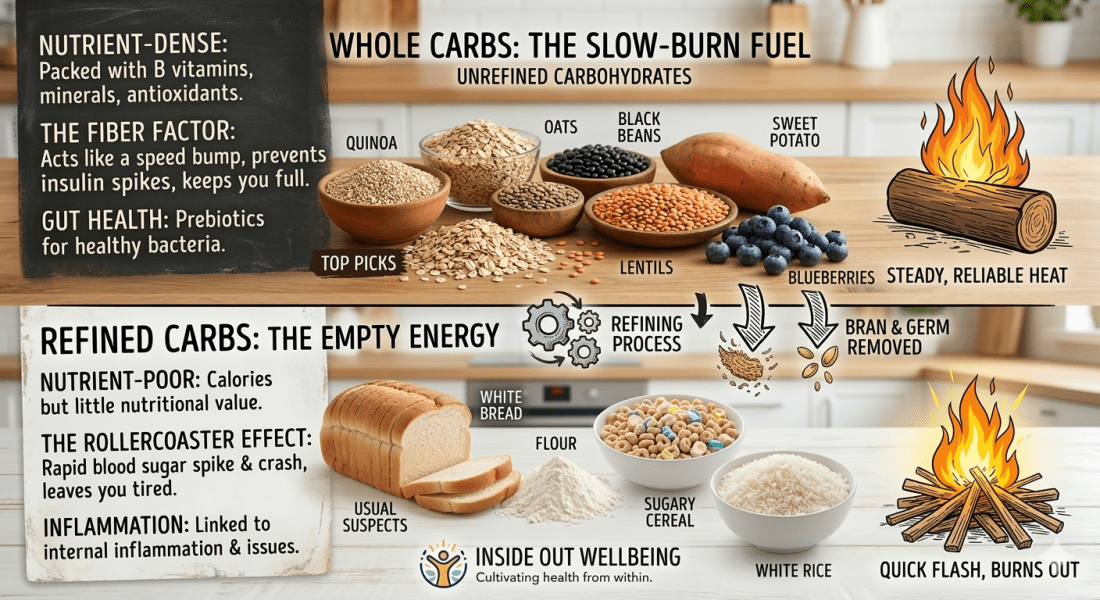
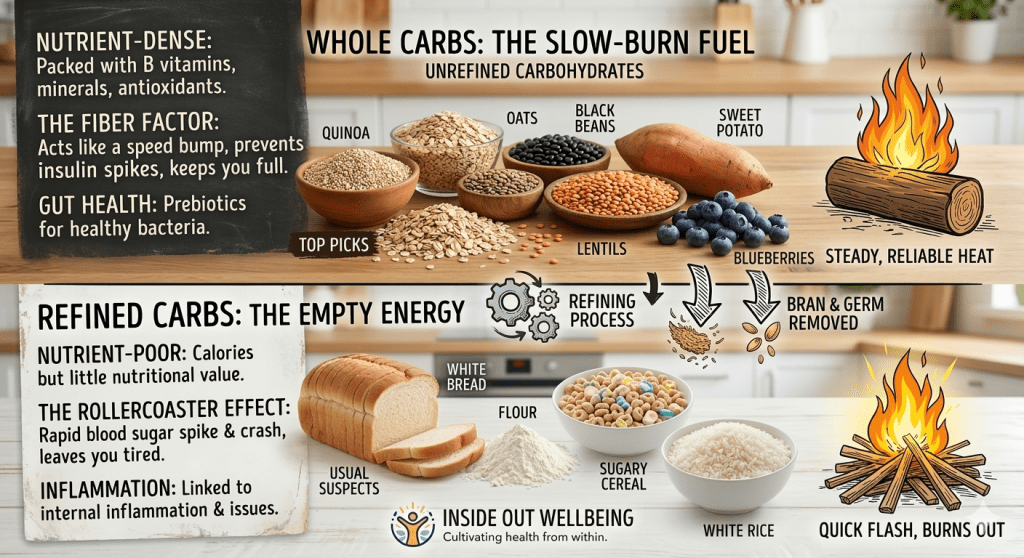
2. Whole Carbs: The Slow-Burn Fuel
Whole carbohydrates are minimally processed, meaning they arrive at your plate with their natural fiber and nutrients intact.

Nutrient-Dense: 
They are nature’s multivitamin, packed with B vitamins, minerals, and antioxidants.

The Fiber Factor: 
Fibre acts like a speed bump for your digestion. It slows down glucose absorption, preventing insulin spikes and keeping you satiated for hours.

Gut Health: 
The non-digestible fibers in whole carbs act as prebiotics—essentially “food” for the healthy bacteria in your microbiome.

Top Picks:
Grains: Quinoa, oats, buckwheat, and brown rice.
Legumes: Lentils, chickpeas, and black beans.
Produce: All fruits and starchy vegetables (like sweet potatoes).

Refined Carbs: The Empty Energy
Refined carbs have been milled a process that removes the bran (the fiber-rich outer layer) and the germ(the nutrient-rich core). What’s left is just the starchy endosperm.

Nutrient-Poor: Without the bran and germ, you’re left with calories but very little nutritional value.

The Rollercoaster Effect
aAs they lack fiber, these carbs hit your bloodstream almost instantly. This causes a rapid spike in blood sugar, followed by an inevitable “crash” that leaves you tired and reaching for more sugar.

Inflammation: Frequent consumption of highly refined carbs is linked to increased internal inflammation and metabolic issues.
The Usual Suspects:

White Flour Products: White bread, flour tortillas, and standard pasta.

Added Sugars: Soda, sugary cereals, and pastries.

Processed Grains: White rice and “instant snacks.

4. Easy Swaps for a Smarter Plate
Transitioning to whole carbs doesn’t require a kitchen overhaul.

For instance, replacing white rice with quinoa or farro not only introduces a pleasant, nutty texture to your meals but also increases your protein intake. You can transform your morning routine by trading sugary cereals for steel-cut oats, which provide the sustained fuel needed to keep you feeling full until lunch.

When it comes to wraps or tacos, opting for corn or whole wheat tortillas over standard flour varieties is an easy way to boost your fiber consumption. Even snack time offers an opportunity for a nutritional upgrade; swapping potato chips for air-popped popcorn gives you a satisfying, whole-grain crunch with much more volume and fewer empty calories.

Final thoughs
Think of Whole Carbs as a slow-burning log on a campfire providing steady, reliable heat. Think of Refined Carbs as kindling a bright flash of energy that burns out quickly.
By choosing whole more often, you aren’t just eating; you’re investing in steady energy, better digestion, and long-term health.
Next time you shop, look for “100% Whole Grain” on the label—your body will thank you!

The Power of B-Complex Vitamins

In the realm of vitamins, the B-complex family stands out as a powerhouse, offering a multitude of benefits for overall health and well-being. From bolstering energy levels to supporting nerve function, these essential nutrients play a crucial role in various bodily processes. However, like any supplement, understanding their benefits, potential side effects, and proper dosage is key to harnessing their full potential. 

What are B-Complex Vitamins?

B-complex vitamins comprise a group of eight water-soluble vitamins that are essential for various metabolic processes in the body. They include:

Vitamin B1 (Thiamine): Thiamine is crucial for energy metabolism and nerve function. It helps convert carbohydrates into energy and plays a role in the synthesis of neurotransmitters.

Vitamin B2 (Riboflavin): Riboflavin is involved in energy production, cell growth, and the metabolism of fats, drugs, and steroids. It also acts as an antioxidant, protecting cells from oxidative damage.

Vitamin B3 (Niacin): Niacin is essential for energy metabolism, DNA repair, and cell signalling. It helps lower cholesterol levels and has been used to treat conditions like high cholesterol and pellagra.

Vitamin B5 (Pantothenic Acid): Pantothenic acid is a component of coenzyme A, which plays a vital role in energy metabolism and the synthesis of fatty acids, cholesterol, and steroid hormones.

Vitamin B6 (Pyridoxine): Pyridoxine is involved in over 100 enzyme reactions, including those related to amino acid metabolism, neurotransmitter synthesis, and haemoglobin formation.

Vitamin B7 (Biotin): Biotin is essential for fatty acid synthesis, amino acid metabolism, and gluconeogenesis. It is often associated with promoting healthy skin, hair, and nails.

Vitamin B9 (Folate): Folate plays a crucial role in DNA synthesis and repair, cell division, and the formation of red blood cells. It is particularly important during pregnancy to prevent neural tube defects.

Vitamin B12 (Cobalamin): Vitamin B12 is essential for DNA synthesis, red blood cell formation, and neurological function. It also plays a role in energy metabolism and the breakdown of fatty acids and amino acids.

Benefits of B-Complex Vitamins:

Energy Boost: B-complex vitamins, particularly B1 (thiamine), B2 (riboflavin), B3 (niacin), B5 (pantothenic acid), and B6 (pyridoxine), play a pivotal role in converting food into energy. They participate in the metabolism of carbohydrates, fats, and proteins, providing the body with the fuel it needs to function optimally.

Nervous System Support: B-complex vitamins are essential for maintaining a healthy nervous system. Vitamin B12, in particular, is crucial for the production of myelin, a protective sheath that surrounds nerves, ensuring efficient transmission of nerve impulses. Deficiencies in B vitamins can lead to neurological symptoms like numbness, tingling, and even nerve damage.

Mood Regulation: Certain B vitamins, such as B6, B9 (folate), and B12, are involved in the synthesis of neurotransmitters like serotonin and dopamine, which play a key role in regulating mood. Adequate levels of these vitamins are essential for mental well-being and may help alleviate symptoms of depression and anxiety.

Heart Health: B-complex vitamins, particularly B6, B9, and B12, play a vital role in maintaining heart health. They help regulate homocysteine levels, an amino acid linked to an increased risk of heart disease when elevated. By keeping homocysteine levels in check, B-complex vitamins contribute to a healthy cardiovascular system.

Skin, Hair, and Nail Health: Biotin, a member of the B-complex family, is renowned for its role in promoting healthy skin, hair, and nails. It supports the production of keratin, a protein that forms the structural basis of these tissues, helping maintain their strength and integrity.

Side Effects of B-Complex Vitamins:

While B-complex vitamins offer numerous benefits, excessive intake can lead to potential side effects. It’s essential to be mindful of the following:

Nausea and Digestive Disturbances: High doses of certain B vitamins, particularly niacin (B3) and pyridoxine (B6), may cause nausea, vomiting, and digestive discomfort. These symptoms usually occur with doses well above the recommended daily intake.

Flushing: Niacin supplementation at high doses can cause a temporary flushing sensation, accompanied by redness and warmth of the skin. This side effect is more common with immediate-release niacin formulations.

Nerve Toxicity: Extremely high doses of vitamin B6 over an extended period can lead to nerve toxicity, resulting in sensory neuropathy characterised by numbness, tingling, and weakness in the limbs.

Dosage Recommendations:

Determining the appropriate dosage of B-complex vitamins depends on various factors, including age, sex, health status, and individual needs. Here are the recommended daily allowances (RDAs) for adults:

  • B1 (Thiamine): 1.1-1.2 mg
  • B2 (Riboflavin): 1.1-1.3 mg
  • B3 (Niacin): 14-16 mg NE (niacin equivalent)
  • B5 (Pantothenic Acid): 5 mg
  • B6 (Pyridoxine): 1.3-1.7 mg
  • B7 (Biotin): 30-35 mcg
  • B9 (Folate): 400-600 mcg DFE (dietary folate equivalents)
  • B12 (Cobalamin): 2.4 mcg

It’s essential to obtain B-complex vitamins from a balanced diet whenever possible, as food sources provide not only the vitamins themselves but also other essential nutrients and cofactors necessary for optimal absorption and utilisation.

B-complex vitamins are integral to overall health, offering a wide array of benefits ranging from energy metabolism to nervous system support and beyond. While supplementation may be necessary in certain cases, it’s crucial to approach it with caution, ensuring proper dosage and monitoring for any adverse effects. By understanding the benefits, potential side effects, and appropriate dosage of B-complex vitamins, individuals can harness their full potential and pave the way to enhanced well-being.

Gut Health Revolution: Probiotics and Prebiotics for a Happy Gut

In recent years, there has been a growing awareness of the importance of gut health and its impact on overall well-being. The gut, often referred to as the “second brain,” plays a crucial role in maintaining a healthy immune system, digestion, and even mental health. As we delve into the Gut Health Revolution, the spotlight is on probiotics and prebiotics – the dynamic duo that can transform your gut into a happy and thriving ecosystem.

The Gut Microbiome:

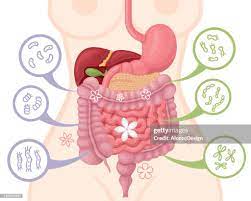
Before we explore the world of probiotics and prebiotics, let’s understand the gut microbiome. Trillions of microorganisms, including bacteria, fungi, and viruses, reside in our digestive tract, forming a complex ecosystem. This microbiome influences various aspects of our health, from nutrient absorption to immune system function.

Probiotics: The Friendly Bacteria:

Probiotics are live microorganisms that provide numerous health benefits when consumed in adequate amounts. These friendly bacteria help balance the gut microbiome by crowding out harmful pathogens and promoting a diverse microbial community.

Common sources of probiotics include yogurt, kefir, sauerkraut, kimchi, and certain supplements. These beneficial bacteria contribute to improved digestion, enhanced nutrient absorption, and strengthened immune function. Additionally, research suggests that probiotics may play a role in mental health by influencing the gut-brain axis.

Prebiotics: Nourishment for the Microbiome:

While probiotics are the heroes of gut health, prebiotics serve as their sidekicks. Prebiotics are non-digestible fibres that provide fuel for the beneficial bacteria in the gut. By nourishing these microbes, prebiotics help them flourish and maintain a healthy balance within the microbiome.

Excellent sources of prebiotics include fibre-rich foods like bananas, onions, garlic, asparagus, and whole grains. Including these foods in your diet not only supports the growth of beneficial bacteria but also aids in regulating bowel movements and preventing constipation.

The Symbiotic Connection:

For an even more powerful gut health boost, consider incorporating symbiotic into your routine. Symbiotic’s combine both probiotics and prebiotics, working synergistically to enhance their individual benefits. This combination promotes a harmonious environment in the gut, fostering the growth of beneficial bacteria while providing the necessary nutrients for their survival.

The Gut-Brain Connection:

Beyond digestive health, the gut has a profound impact on the brain, influencing mood, stress levels, and cognitive function. The communication between the gut and the brain, known as the gut-brain axis, highlights the interconnectedness of these two vital systems. Maintaining a balanced and diverse gut microbiome through the consumption of probiotics and prebiotics may contribute to mental well-being.

Probiotics:

  • Fermented Foods:
    • Sauerkraut: Fermented cabbage is rich in probiotics.
    • Kimchi: A Korean dish made from fermented vegetables, usually cabbage and radishes.
    • Pickles: Naturally fermented pickles, not those made with vinegar, can be a good source.
  • Non-Dairy Yogurts:
    • Look for yogurts made from coconut, almond, soy, or oat milk, which are fortified with probiotic cultures.
  • Tempeh:
    • A fermented soy product that contains beneficial bacteria. It’s also a good source of protein.
  • Miso:
    • A traditional Japanese seasoning made by fermenting soybeans with salt and koji (a type of fungus). It’s commonly used to make miso soup.
  • Probiotic Supplements:
    • There are vegan and vegetarian probiotic supplements available in various forms, including capsules, powders, and chewable. Look for those with a diverse range of strains.

Prebiotics:

  • Legumes:
    • Lentils, chickpeas, and beans are rich in prebiotic fibres.
  • Whole Grains:
    • Foods like quinoa, brown rice, and oats provide a good source of prebiotics.
  • Vegetables:
    • Garlic, onions, leeks, asparagus, and Jerusalem artichokes are known for their prebiotic content.
  • Fruits:
    • Bananas, apples, berries, and kiwi contain soluble fibres that act as prebiotics.
  • Nuts and Seeds:
    • Almonds, flaxseeds, and chia seeds are good sources of prebiotic fibres.
  • Root Vegetables:
    • Sweet potatoes and carrots contain prebiotic fibres and can be included in your diet.

As we embrace the Gut Health Revolution, prioritising the well-being of our gut microbiome becomes essential for overall health. Probiotics and prebiotics play pivotal roles in creating a happy gut, supporting digestion, immune function, and even mental health. By incorporating probiotic-rich foods, prebiotic fibres, and symbiotic combinations into our diets, we can embark on a journey towards a thriving and balanced gut ecosystem. So, let’s raise a toast to the gut – where health truly begins!

Fasting for Health: Exploring Different Types of Intermittent Fasting

In recent years, the practice of intermittent fasting has gained significant attention for its potential health benefits. From weight loss to improved metabolic health, proponents of intermittent fasting argue that it can be a powerful tool for enhancing overall well-being. In this blog, we’ll delve into the various types of intermittent fasting, exploring their unique approaches and potential health advantages.

Understanding Intermittent Fasting

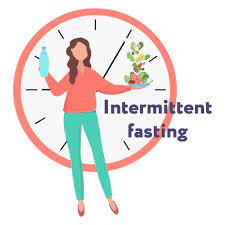
Intermittent fasting involves cycling between periods of eating and fasting, and it does not prescribe specific foods to eat or avoid. Instead, it focuses on when to eat. This approach is rooted in the idea that our bodies are well-adapted to periods of feast and famine, as our ancestors often experienced scarcity of food.

Different Types of Intermittent Fasting

The 16/8 Method (Time-Restricted Feeding):

  • How it works: This method involves daily fasting for 16 hours and restricting your eating to an 8-hour window.
  • Example: If you choose to eat between 12:00 pm and 8:00 pm, you would fast from 8:00 pm to 12:00 pm the next day.

The 5:2 Diet (Modified Fasting):

  • How it works: For two non-consecutive days of the week, calorie intake is limited to around 500-600 calories, while regular eating is maintained on the other days.
  • Example: Eating normally on Monday, Wednesday, Friday, and Sunday, while restricting calories on Tuesday and Thursday.

Eat-Stop-Eat:

  • How it works: This approach involves a complete 24-hour fast once or twice a week, with no food intake during the fasting period.
  • Example: Fasting from dinner on Monday to dinner on Tuesday.

Alternate-Day Fasting:

  • How it works: Alternating between days of regular eating and days of very low-calorie intake or complete fasting.
  • Example: Eating normally on Monday, fasting on Tuesday, eating normally on Wednesday, and so on.

Warrior Diet:

  • How it works: Involves eating small amounts of raw fruits and vegetables during the day and consuming one large meal at night within a 4-hour window.
  • Example: Eating small snacks like fruits and vegetables during the day and having a substantial dinner between 6:00 pm and 10:00 pm.

Health Benefits of Intermittent Fasting

  • Weight Loss:
    • Intermittent fasting may help reduce calorie intake, leading to weight loss.
    • Fasting periods promote the utilisation of stored fat for energy.

Improved Metabolic Health:

  • Intermittent fasting may enhance insulin sensitivity, lowering the risk of type 2 diabetes.
  • It may help regulate blood sugar levels and reduce inflammation.

Cellular Repair and Longevity:

  • Fasting triggers autophagy, a process where cells remove damaged components, promoting cellular repair.
  • Some studies suggest that intermittent fasting may contribute to increased lifespan.

Brain Health:

  • Intermittent fasting may support brain health by promoting the production of brain-derived neurotrophic factor (BDNF), a protein associated with cognitive function.
  • It may reduce the risk of neurodegenerative diseases like Alzheimer’s.

Intermittent fasting offers a flexible and diverse range of approaches, allowing individuals to choose a method that aligns with their lifestyle and preferences. While the health benefits are promising, it’s essential to approach intermittent fasting with caution and consult with a healthcare professional, especially for those with underlying health conditions. As with any lifestyle change, moderation and individualisation are key to reaping the potential rewards of intermittent fasting for improved health and well-being.

Let’s talk Gut Health 

Maintaining a healthy digestive system, particularly a balanced gut microbiome, is crucial for overall well-being, affecting both mental health and inflammation levels in the body. Numerous studies in the past decade have highlighted the significant impact of trillions of gut bacteria on the brain and their potential connection to various disorders. Emerging research suggests that these microbes might influence conditions like Parkinson’s disease, autism spectrum disorder, Alzheimer’s, and mental health issues such as depression. Scientists and companies are exploring therapies targeting the microbiome in human clinical trials, offering hope for prevention and treatment. The exciting aspect is that, unlike your genes, your microbiome can be modified.

A reliable indicator of digestive health is your bowel movements. Ideally, you should have one or two daily movements that occur easily and completely, without urgency or straining. If your bowel habits don’t align with these criteria, it’s essential to address your gut environment.

Many individuals experience bloating, especially after meals, and acid reflux or heartburn, which are signs of underlying digestive issues, not normal occurrences. Bloating often results from an imbalance in gut microbes. By following specific guidelines, beneficial microbes can be restored, improving digestive function and associated systems.

Typically, doctors provide diagnoses and symptom relief for digestive problems but rarely offer permanent solutions. Enhancing the gut lining, optimising digestive secretions such as stomach acid, enzymes, and bile, and supporting healthy gut bacteria can significantly improve overall function.

Here are practical steps to improve your digestive health:

 Mindful Eating:

  • Take deep breaths before eating.
  • Chew your food thoroughly and eat slowly, without distractions.
  • Put your utensils down between bites.

Hydration and Fiber:

  • Drink at least two litres of liquids daily.
  • Include soluble fibre in your diet from sources like apples, oats, nuts, beans, pulses, grains, and vegetables.
  • Soak chia seeds in milk overnight and add fruits and granola in the morning.

Fermented Foods:

  • Consume fermented foods like natural yogurt, kefir, sauerkraut, and raw apple cider vinegar to promote a healthy gut environment.
  • Start with small amounts and gradually increase intake.

 Stimulate the Vagus Nerve:

  • Practice regular gargling, singing loudly, and triggering the gag reflex to stimulate the vagus nerve, essential for good digestive function.

Soaked Bravely Apples:

  • Stewed cooking apples with skins have soothing properties. Add cinnamon and dark apricots and serve with yogurt and toppings.

Soaking for Improved Digestion:

  • Soak grains, pulses, nuts, and seeds overnight to reduce irritation and inflammation in the digestive tract.

Rest, Relaxation, and Sleep:

  • Manage stress through meditation or mindfulness.
  • Prioritise sufficient sleep and relaxation to support overall gut health.

Intermittent Fasting:

  • Incorporate regular intermittent fasting to allow the digestive system to rest and recover.

Taking care of your gut is not just about relieving digestive problems; it’s about ensuring your overall well-being. By making mindful choices in your diet and lifestyle, you can significantly improve your digestive health, paving the way for a healthier, more energetic you.