Carbs: Whole vs. Refined – What’s the Difference?

In the world of nutrition, carbohydrates often get a bad rap. You’ve likely heard advice to cut carbs, but the truth is more nuanced: it’s about quality, not just quantity.

Understanding the difference between whole and refined carbohydrates is the secret to fueling your body without the energy crashes.

1. What Are Carbs, Anyway?
Carbohydrates are one of the three primary macronutrients (alongside protein and fat) that provide energy. When you eat carbs, your body breaks them down into glucose, the preferred fuel for your brain and muscles.
However, the speed at which that fuel enters your system depends entirely on the structure of the carb.

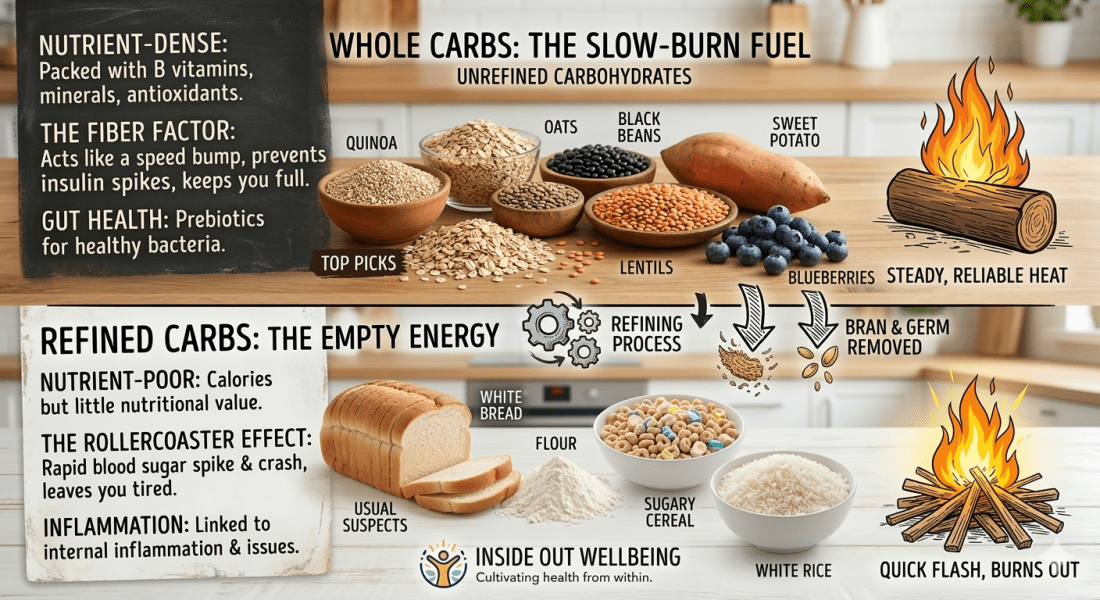
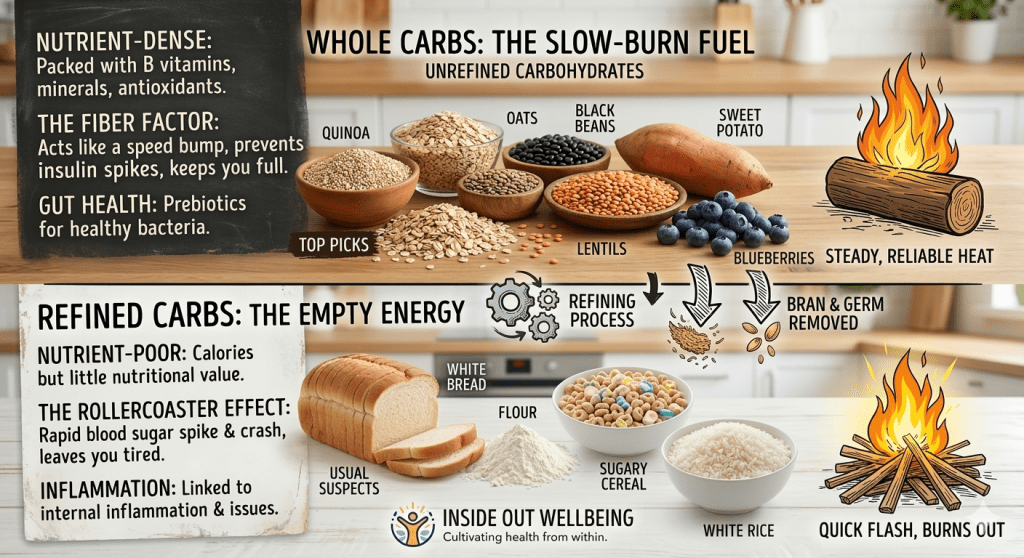
2. Whole Carbs: The Slow-Burn Fuel
Whole carbohydrates are minimally processed, meaning they arrive at your plate with their natural fiber and nutrients intact.

Nutrient-Dense: 
They are nature’s multivitamin, packed with B vitamins, minerals, and antioxidants.

The Fiber Factor: 
Fibre acts like a speed bump for your digestion. It slows down glucose absorption, preventing insulin spikes and keeping you satiated for hours.

Gut Health: 
The non-digestible fibers in whole carbs act as prebiotics—essentially “food” for the healthy bacteria in your microbiome.

Top Picks:
Grains: Quinoa, oats, buckwheat, and brown rice.
Legumes: Lentils, chickpeas, and black beans.
Produce: All fruits and starchy vegetables (like sweet potatoes).

Refined Carbs: The Empty Energy
Refined carbs have been milled a process that removes the bran (the fiber-rich outer layer) and the germ(the nutrient-rich core). What’s left is just the starchy endosperm.

Nutrient-Poor: Without the bran and germ, you’re left with calories but very little nutritional value.

The Rollercoaster Effect
aAs they lack fiber, these carbs hit your bloodstream almost instantly. This causes a rapid spike in blood sugar, followed by an inevitable “crash” that leaves you tired and reaching for more sugar.

Inflammation: Frequent consumption of highly refined carbs is linked to increased internal inflammation and metabolic issues.
The Usual Suspects:

White Flour Products: White bread, flour tortillas, and standard pasta.

Added Sugars: Soda, sugary cereals, and pastries.

Processed Grains: White rice and “instant snacks.

4. Easy Swaps for a Smarter Plate
Transitioning to whole carbs doesn’t require a kitchen overhaul.

For instance, replacing white rice with quinoa or farro not only introduces a pleasant, nutty texture to your meals but also increases your protein intake. You can transform your morning routine by trading sugary cereals for steel-cut oats, which provide the sustained fuel needed to keep you feeling full until lunch.

When it comes to wraps or tacos, opting for corn or whole wheat tortillas over standard flour varieties is an easy way to boost your fiber consumption. Even snack time offers an opportunity for a nutritional upgrade; swapping potato chips for air-popped popcorn gives you a satisfying, whole-grain crunch with much more volume and fewer empty calories.

Final thoughs
Think of Whole Carbs as a slow-burning log on a campfire providing steady, reliable heat. Think of Refined Carbs as kindling a bright flash of energy that burns out quickly.
By choosing whole more often, you aren’t just eating; you’re investing in steady energy, better digestion, and long-term health.
Next time you shop, look for “100% Whole Grain” on the label—your body will thank you!

Mastering Macronutrients: A Simple Guide to Counting Macros Correctly

Whether you’re a seasoned gym-goer, an athlete, or just beginning your wellness journey, understanding macronutrients can be a game changer for reaching your health goals.

If you’ve ever wondered how to break down your diet into protein, fats, and carbohydrates to maximise results, this guide will walk you through the process step by step.

Let’s get started.

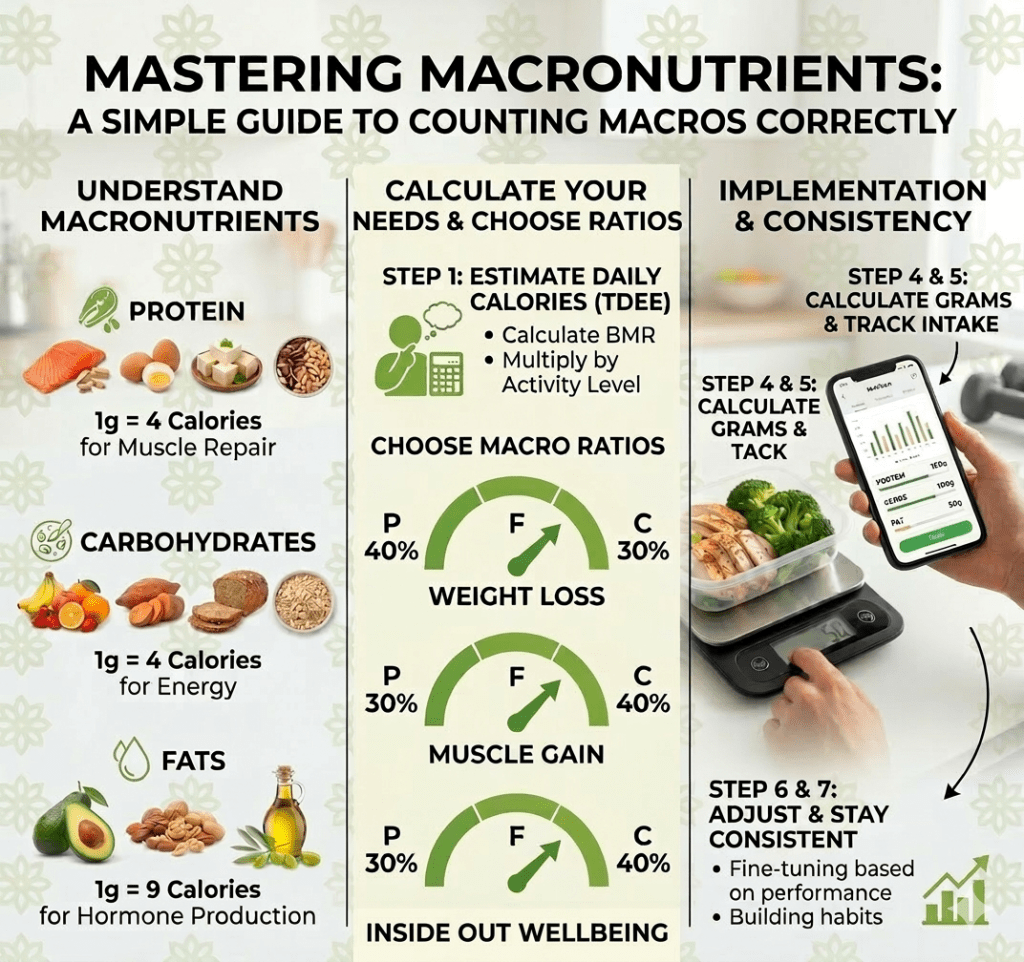
Step 1: Understand Macronutrients

Before you start counting macros, it’s important to know what they are and why they matter.

Protein

Protein is essential for muscle repair, growth, and overall body function.

1 gram of protein = 4 calories

Common sources include lean meats, fish, eggs, dairy, tofu, beans and legumes.

Fats

Healthy fats help with hormone production, brain health, and long-lasting energy.

1 gram of fat = 9 calories

Good sources include avocados, nuts, seeds, olive oil and fatty fish.

Carbohydrates

Carbohydrates are the body’s primary source of energy, especially for exercise and daily activity.

1 gram of carbohydrates = 4 calories

Healthy carbs include fruits, vegetables, whole grains and legumes.

Step 2: Calculate Your Daily Calorie Needs

To determine how many macros you should consume, you first need to estimate your daily calorie requirements.

This involves calculating your Basal Metabolic Rate (BMR) and Total Daily Energy Expenditure (TDEE).

1. Calculate Your BMR

BMR represents the calories your body needs to perform basic functions like breathing and circulation.

For men:

BMR = 88.362 + (13.397 × weight in kg) + (4.799 × height in cm) − (5.677 × age)

For women:

BMR = 447.593 + (9.247 × weight in kg) + (3.098 × height in cm) − (4.330 × age)

2. Calculate Your TDEE

Multiply your BMR by your activity level:

Activity Level Multiplier

Sedentary (little or no exercise) BMR × 1.2

Light activity (1–3 days/week) BMR × 1.375

Moderate activity (3–5 days/week) BMR × 1.55

Very active (6–7 days/week) BMR × 1.725

Extremely active (physical job/training twice daily) BMR × 1.9

Your TDEE gives you an estimate of how many calories you need each day.

Step 3: Choose Your Macronutrient Ratios

Your macro ratio depends on your health or fitness goal.

For Weight Loss

Protein: 40%

Fat: 30%

Carbohydrates: 30%

Higher protein helps maintain muscle and improves satiety.

For Muscle Gain

Protein: 30%

Fat: 30%

Carbohydrates: 40%

Extra carbs help fuel workouts and recovery.

For Maintenance

Protein: 30%

Fat: 30%

Carbohydrates: 40%

This balanced approach supports general health and energy levels.

Step 4: Convert Percentages into Grams

Once you know your daily calories and macro percentages, you can convert them into grams.

1. Calculate Calories per Macronutrient

Total Calories × Percentage

Example (2000 calories with 30% protein):

2000 × 0.30 = 600 calories from protein

2. Convert Calories into Grams

Use the calorie value of each macro:

Protein: Cal ÷ 4 Carbs: Calories ÷ 4

Fat: Calories ÷ 9

For example:

600 calories from protein ÷ 4 = 150g protein

Step 5: Track Your Food Intake

Tracking helps ensure you’re staying within your macro targets.

Use a Tracking App

Read Nutrition Labels

Check the macronutrient content per serving to track accurately.

Weigh Your Food

Using a kitchen scale ensures accurate portion sizes and macro tracking.

Step 6: Adjust and Fine-Tune

Your body is unique, so adjustments may be necessary.

Pay attention to:

Energy levels

Workout performance

Weight changes

Hunger levels

If your progress stalls, then tweak your calories or macro ratios accordingly.

Step 7: Stay Consistent

Consistency is the most important factor for long-term success.

Don’t worry about being perfect every day. Focus on building sustainable habits and finding a macro balance that works for your lifestyle.

Over time, tracking macros becomes easier and more intuitive.

Final Thoughts

Counting macronutrients might feel overwhelming at first, but with practice it becomes a powerful tool for improving your nutrition.

By understanding your calorie needs, choosing the right macro balance, and tracking your intake, you can fuel your body effectively and move closer to your health goals.

Remember: the goal isn’t perfection — it’s progress and consistency.

If you found this guide helpful, feel free to share it with friends and family who want to improve their nutrition. And if you have any tips or questions about macro tracking, drop them in the comments below!

Let’s talk Gut Health 

Maintaining a healthy digestive system, particularly a balanced gut microbiome, is crucial for overall well-being, affecting both mental health and inflammation levels in the body. Numerous studies in the past decade have highlighted the significant impact of trillions of gut bacteria on the brain and their potential connection to various disorders. Emerging research suggests that these microbes might influence conditions like Parkinson’s disease, autism spectrum disorder, Alzheimer’s, and mental health issues such as depression. Scientists and companies are exploring therapies targeting the microbiome in human clinical trials, offering hope for prevention and treatment. The exciting aspect is that, unlike your genes, your microbiome can be modified.

A reliable indicator of digestive health is your bowel movements. Ideally, you should have one or two daily movements that occur easily and completely, without urgency or straining. If your bowel habits don’t align with these criteria, it’s essential to address your gut environment.

Many individuals experience bloating, especially after meals, and acid reflux or heartburn, which are signs of underlying digestive issues, not normal occurrences. Bloating often results from an imbalance in gut microbes. By following specific guidelines, beneficial microbes can be restored, improving digestive function and associated systems.

Typically, doctors provide diagnoses and symptom relief for digestive problems but rarely offer permanent solutions. Enhancing the gut lining, optimising digestive secretions such as stomach acid, enzymes, and bile, and supporting healthy gut bacteria can significantly improve overall function.

Here are practical steps to improve your digestive health:

 Mindful Eating:

  • Take deep breaths before eating.
  • Chew your food thoroughly and eat slowly, without distractions.
  • Put your utensils down between bites.

Hydration and Fiber:

  • Drink at least two litres of liquids daily.
  • Include soluble fibre in your diet from sources like apples, oats, nuts, beans, pulses, grains, and vegetables.
  • Soak chia seeds in milk overnight and add fruits and granola in the morning.

Fermented Foods:

  • Consume fermented foods like natural yogurt, kefir, sauerkraut, and raw apple cider vinegar to promote a healthy gut environment.
  • Start with small amounts and gradually increase intake.

 Stimulate the Vagus Nerve:

  • Practice regular gargling, singing loudly, and triggering the gag reflex to stimulate the vagus nerve, essential for good digestive function.

Soaked Bravely Apples:

  • Stewed cooking apples with skins have soothing properties. Add cinnamon and dark apricots and serve with yogurt and toppings.

Soaking for Improved Digestion:

  • Soak grains, pulses, nuts, and seeds overnight to reduce irritation and inflammation in the digestive tract.

Rest, Relaxation, and Sleep:

  • Manage stress through meditation or mindfulness.
  • Prioritise sufficient sleep and relaxation to support overall gut health.

Intermittent Fasting:

  • Incorporate regular intermittent fasting to allow the digestive system to rest and recover.

Taking care of your gut is not just about relieving digestive problems; it’s about ensuring your overall well-being. By making mindful choices in your diet and lifestyle, you can significantly improve your digestive health, paving the way for a healthier, more energetic you.

Simple Steps to Kickstart Your Healthier Eating Journey

Embarking on a journey towards healthier eating may initially feel overwhelming, especially with the sea of confusing advice and intricate kale smoothie recipes out there. However, fear not, because adopting a healthier diet doesn’t have to be complicated; it can be both delicious and straightforward. Let’s delve into some uncomplicated steps to initiate your journey toward healthier eating within a week.

1. Embrace Fibre and Whole Foods

Adults require approximately 30g of fibre daily, yet the average intake hovers around 19g—a gap that many of us can work on closing. fibber, found in fruits, vegetables, grains, and legumes, is crucial for digestive health. It aids in maintaining smooth digestion, preventing constipation, and even reducing the risk of chronic diseases such as bowel cancer, heart disease, stroke, and type 2 diabetes.

Tips for increasing your fibber intake:

• Opt for wholegrain foods like brown bread and porridge over processed cereals.

• Snack on vegetables and fruits.

• Include beans, lentils, and nuts in your meals and snacks.

2. Aim for At Least 5 Servings of Fruits and Vegetables Daily

Variety is key when it comes to fruits and vegetables. They not only provide essential vitamins and minerals but also contribute to your daily fibre intake. Your diet should ideally consist of a third of fruits and vegetables, so strive for this balance with every meal.

Ways to increase your fruit and veg intake:

• Add fruits to your breakfast.

• Incorporate finely diced vegetables into main dishes.

• Roast vegetables with an array of herbs and spices.

• Blend vegetables into dips like red pepper and garlic hummus.

3. Diversify Your Protein Sources

Variety in protein sources is not only beneficial for your health but also for the planet. Opt for alternatives to red and processed meats, such as beans, lentils, nuts, and oily fish.

Creative protein choices to explore:

• Substitute half of your mince with beans or lentils.

• Snack on roasted nuts.

• Experiment with different beans for homemade hummus.

• Incorporate protein into your snacks to stay satisfied.

4. Stay Hydrated

Proper hydration is vital for overall well-being. The UK Eat Well Guide suggests consuming about 1.2-1.5 litres of water daily, with additional intake for exercise or sweat loss. Staying hydrated aids in mood stability, focus, digestion, and cellular function.

Tips to stay hydrated:

• Carry a reusable water bottle with your favourite infusions like lemon or mint.

• Create a hydration station at work with various mix-ins and cups.

• Enjoy warm hydration through herbal teas.

5. Indulge in Moderation

Healthy eating doesn’t mean forgoing indulgence entirely. It’s perfectly fine to treat yourself occasionally; in fact, it’s essential for mental balance. Whether it’s a slice of cake at a party or your favourite ice cream on a sunny day, savouring these moments can help curb cravings and maintain your sanity.

Tips for balanced indulgence:

• Limit treats to special occasions or once a week.

• Be mindful of alcohol consumption due to its lasting impact.

6. Plan Ahead

Planning your meals can save you from last-minute meal dilemmas. Spend a few minutes each week preparing a grocery list, prepping ingredients, and batch cooking if possible. Having healthy options readily available makes it easier to resist fast food temptations or office vending machines.

Effective meal planning strategies:

• Utilize the freezer to store prepared meals.

• Plan for healthier snacks to curb hunger.

• Remember, a balanced lifestyle is not an ‘all or nothing’ approach—be kind to yourself if plans don’t go as intended.

By incorporating these simple steps into your routine, you can kickstart your journey toward healthier eating without feeling overwhelmed. Start small, stay consistent, and celebrate your progress along the way!

Nutrient-Packed Carrot Smoothie

Are you looking for a delicious and nutritious way to start your day? Look no further than a carrot smoothie! Carrots are not only crunchy and flavourful but also incredibly healthy. Packed with vitamins, minerals, and antioxidants, carrots offer a wide range of benefits for your overall well-being. In this blog, we’ll explore a delightful carrot smoothie recipe that’s not only easy to make but also incredibly beneficial for your health.


Benefits of Carrots

Before we dive into the recipe, let’s take a closer look at the impressive health benefits of carrots:


Rich in Vitamins: Carrots are a great source of essential vitamins, including vitamin A, C, and K. Vitamin A is especially important for maintaining healthy vision, skin, and a robust immune system.


Mineral Powerhouse: Carrots provide vital minerals like potassium and fibre. These minerals help regulate blood pressure, aid in digestion, and promote heart health.


Antioxidant Properties: Carrots are loaded with antioxidants like beta-carotene. These compounds help fight free radicals in the body, reducing the risk of chronic diseases and aging.


Supports Digestion: The dietary fibre in carrots promotes healthy digestion by preventing constipation and promoting regular bowel movements.


Healthy Skin: Beta-carotene in carrots can contribute to a glowing complexion, as it’s converted into vitamin A, which is known for its skin-healing properties.


Boosts Immunity: The vitamins and antioxidants in carrots bolster your immune system, helping your body ward off infections and illnesses.


Now that we’ve highlighted some of the incredible benefits of carrots, let’s move on to a fantastic carrot smoothie recipe that combines their goodness with other nutritious ingredients.


Carrot Smoothie Recipe


Ingredients:

•           2 large carrots peeled and chopped.

•           1 ripe banana

•           1 cup Greek yogurt

•           1/2 cup orange juice

•           1/2 cup almond milk (or your preferred milk)

•           1 tablespoon honey (optional, for added sweetness)

•           1/2 teaspoon ground cinnamon

•           Ice cubes (optional)


Instructions:

Start by washing, peeling, and chopping the carrots into small pieces.

Place the chopped carrots in a blender.

Add the ripe banana, Greek yogurt, orange juice, almond milk, honey (if using), and ground cinnamon to the blender.

If you prefer a colder smoothie, add a handful of ice cubes.

Blend all the ingredients until smooth and creamy, adjusting the consistency with more milk if needed.

Taste the smoothie and adjust the sweetness with additional honey if desired.

Pour the carrot smoothie into glasses and garnish with a sprinkle of ground cinnamon or a carrot stick.

Incorporating carrots into your daily diet through a delicious carrot smoothie is a smart and tasty choice.

With their abundance of vitamins, minerals, and antioxidants, carrots offer a wide range of health benefits, from supporting your immune system to promoting healthy skin. So, why not give this simple and nutritious carrot smoothie recipe a try?

It’s the perfect way to kickstart your day with a burst of energy and nourishment for your body. Cheers to good health!

Nutrient-Packed Carrot Smoothie

Are you looking for a delicious and nutritious way to start your day? Look no further than a carrot smoothie! Carrots are not only crunchy and flavourful but also incredibly healthy. Packed with vitamins, minerals, and antioxidants, carrots offer a wide range of benefits for your overall well-being. In this blog, we’ll explore a delightful carrot smoothie recipe that’s not only easy to make but also incredibly beneficial for your health.


Benefits of Carrots

Before we dive into the recipe, let’s take a closer look at the impressive health benefits of carrots:


Rich in Vitamins: Carrots are a great source of essential vitamins, including vitamin A, C, and K. Vitamin A is especially important for maintaining healthy vision, skin, and a robust immune system.


Mineral Powerhouse: Carrots provide vital minerals like potassium and fibre. These minerals help regulate blood pressure, aid in digestion, and promote heart health.


Antioxidant Properties: Carrots are loaded with antioxidants like beta-carotene. These compounds help fight free radicals in the body, reducing the risk of chronic diseases and aging.


Supports Digestion: The dietary fibre in carrots promotes healthy digestion by preventing constipation and promoting regular bowel movements.


Healthy Skin: Beta-carotene in carrots can contribute to a glowing complexion, as it’s converted into vitamin A, which is known for its skin-healing properties.


Boosts Immunity: The vitamins and antioxidants in carrots bolster your immune system, helping your body ward off infections and illnesses.


Now that we’ve highlighted some of the incredible benefits of carrots, let’s move on to a fantastic carrot smoothie recipe that combines their goodness with other nutritious ingredients.


Carrot Smoothie Recipe


Ingredients:

•           2 large carrots peeled and chopped.

•           1 ripe banana

•           1 cup Greek yogurt

•           1/2 cup orange juice

•           1/2 cup almond milk (or your preferred milk)

•           1 tablespoon honey (optional, for added sweetness)

•           1/2 teaspoon ground cinnamon

•           Ice cubes (optional)


Instructions:

Start by washing, peeling, and chopping the carrots into small pieces.

Place the chopped carrots in a blender.

Add the ripe banana, Greek yogurt, orange juice, almond milk, honey (if using), and ground cinnamon to the blender.

If you prefer a colder smoothie, add a handful of ice cubes.

Blend all the ingredients until smooth and creamy, adjusting the consistency with more milk if needed.

Taste the smoothie and adjust the sweetness with additional honey if desired.

Pour the carrot smoothie into glasses and garnish with a sprinkle of ground cinnamon or a carrot stick.

Incorporating carrots into your daily diet through a delicious carrot smoothie is a smart and tasty choice.

With their abundance of vitamins, minerals, and antioxidants, carrots offer a wide range of health benefits, from supporting your immune system to promoting healthy skin. So, why not give this simple and nutritious carrot smoothie recipe a try?

It’s the perfect way to kickstart your day with a burst of energy and nourishment for your body. Cheers to good health!

Fuelling Your Day Right: Best Breakfast for Exercise

They say breakfast is the most important meal of the day, and when you’re planning to exercise, it’s even more critical. Whether you’re an early riser hitting the gym, a dedicated runner, or just looking to maintain a healthy lifestyle, what you eat for breakfast can significantly impact your workout performance. In this blog, we’ll explore the best breakfast options to help you power through your exercise routine and achieve your fitness goals.


Oatmeal Power

Start your day with a bowl of oatmeal, and you’ll be well on your way to a successful workout. Oats are rich in complex carbohydrates, which provide a steady release of energy, keeping you fuelled throughout your exercise session. They’re also an excellent source of fibre, promoting digestive health. Top your oatmeal with some berries and a drizzle of honey for added antioxidants and natural sweetness.


Greek Yogurt Parfait

Greek yogurt is a protein-packed breakfast option that’s great for muscle recovery and building. Pair it with some granola for carbohydrates and nuts or seeds for healthy fats and extra crunch. Add a few slices of fresh fruit for a natural sweetness that’ll give you the energy boost you need to power through your workout.


Whole Grain Toast with Nut Butter

Whole grain toast with almond, peanut, or cashew butter is a delicious and balanced breakfast option. The combination of complex carbohydrates from the bread and healthy fats and protein from the nut butter provides a sustained source of energy. Add some sliced bananas or strawberries on top for extra nutrients and flavour.


Scrambled Eggs with Veggies

Eggs are a fantastic source of high-quality protein and essential nutrients like choline and vitamin B12. Scramble them up with some colourful vegetables like spinach, bell peppers, and tomatoes for added vitamins, minerals, and fibre. This savoury breakfast will keep you full and energized for your morning workout.


Smoothie Sensation

If you’re short on time, a nutritious smoothie can be your go-to breakfast option. Blend together some spinach, frozen berries, a banana, Greek yogurt, and a scoop of protein powder for a quick and convenient pre-workout meal. The combination of carbohydrates, protein, and antioxidants will give you the energy and nutrients needed for your exercise routine.


Avocado Toast

Avocado toast has become a trendy breakfast choice for a reason – it’s packed with healthy fats, fibre, and essential nutrients. Spread mashed avocado on whole grain toast and top it with a sprinkle of salt, pepper, and red pepper flakes for a flavourful kick. This breakfast option provides long-lasting energy and keeps you feeling satisfied.


Quinoa Breakfast Bowl

Quinoa is a versatile grain that’s high in protein and complex carbohydrates. Cook it up and top it with your favourite breakfast toppings, such as sliced almonds, honey, and fresh fruit. This savoury and sweet combination is perfect for those who prefer a heartier breakfast before hitting the gym.


The right breakfast can make a world of difference in your exercise performance. Whether you prefer a quick and easy smoothie or a hearty quinoa bowl, choosing a balanced meal with a combination of carbohydrates, protein, and healthy fats will set you up for success in your workout routine. Remember to also stay hydrated by drinking water before and during your exercise, as proper hydration is essential for optimal performance. So, fuel your body right, and you’ll be well on your way to achieving your fitness goals.

The Bountiful Benefits: Healthiest Berries You Can Eat

Nature has bestowed upon us a treasure trove of delicious and nutrient-packed fruits, and among them, berries stand out as veritable superfoods. These tiny, colourful gems are not only a treat for the taste buds but also pack a powerful punch of health benefits. Bursting with vitamins, minerals, antioxidants, and fibre, berries have rightfully earned their reputation as some of the healthiest fruits on the planet. In this blog post, we’ll explore the healthiest berries you can eat and uncover the numerous reasons why you should incorporate them into your diet.

1. Blueberries: Antioxidant Powerhouses

Blueberries are often hailed as the “king of antioxidants” among berries. These small, round fruits are rich in vitamin C, vitamin K, and manganese. But what truly sets them apart is their sky-high anthocyanin content, the pigment responsible for their vibrant blue colour. Anthocyanin’s are potent antioxidants that neutralise harmful free radicals in the body, reducing oxidative stress and protecting against chronic diseases. Studies have shown that regular consumption of blueberries can improve cognitive function, aid in heart health, and even help manage blood sugar levels. Whether enjoyed fresh, frozen, or blended into smoothies, blueberries are a must-have addition to your diet.

2. Strawberries: Vitamin C Delight

Strawberries are not only pleasing to the eye and palate but also a rich source of essential nutrients. Just one cup of strawberries provides more than 100% of your daily recommended intake of vitamin C, which boosts the immune system, promotes skin health, and aids in collagen production. Moreover, strawberries are loaded with fibre, which aids in digestion and helps maintain a healthy weight. They also contain an array of antioxidants, including quercetin and elegiac acid, which contribute to their anti-inflammatory properties.

3. Raspberries: Fiber-Rich Wonder

Raspberries are exquisite little fruits that boast a high fibre content. Fibre is essential for digestive health, as it aids in regular bowel movements and can help prevent constipation. Additionally, raspberries contain several antioxidants, such as vitamin C and quercetin, which protect against cell damage and inflammation. Some studies suggest that raspberries may have a positive impact on heart health by reducing risk factors like high blood pressure and cholesterol levels. They are delicious on their own, sprinkled on oatmeal, or blended into a refreshing summer smoothie.

4. Blackberries: Anthocyanin-Rich Gems

Like their cousin, the blueberries, blackberries are also brimming with anthocyanin, contributing to their deep purple-black hue. These antioxidants offer numerous health benefits, including improved brain function and reduced risk of heart disease.

Blackberries are also an excellent source of vitamins C and K, as well as manganese. The combination of antioxidants and nutrients makes blackberries a valuable addition to any well-balanced diet.

5. Goji Berries: Superfood from the East

Hailing from Asia, goji berries have earned a reputation as a “superfood” due to their nutrient density and potential health benefits. These small, red berries are loaded with vitamins A and C, which are crucial for maintaining healthy skin, vision, and a robust immune system.

Goji berries are also rich in antioxidants like zeaxanthin and lycopene, which contribute to eye health and protect against cellular damage. They can be eaten on their own, sprinkled over salads, or blended into smoothies to harness their health-boosting potential.

When it comes to nutritious and delicious fruits, berries truly reign supreme. Incorporating these health-packed gems into your diet can have a profound impact on your overall well-being. From blueberries and strawberries to raspberries, blackberries, and goji berries, each one brings a unique set of benefits to the table. So, the next time you’re looking for a snack or a way to sweeten your meal naturally, reach for these delightful berries and let their natural goodness nourish your body and mind. Your taste buds and health will thank you!

The Most Effective Ayurvedic Remedies for Common Digestive Problems

Digestive issues can be a real hindrance to our overall well-being. From occasional indigestion to more chronic conditions like irritable bowel syndrome (IBS), these problems can significantly affect our quality of life. While modern medicine offers various solutions, Ayurveda, an ancient holistic healing system from India, provides time-tested remedies for common digestive problems. In this blog, we will explore some of the most effective Ayurvedic remedies that can help alleviate digestive issues and promote overall digestive health.

Triphala: The Three-Fruit Powerhouse

Triphala, a traditional Ayurvedic herbal formula, is one of the most popular remedies for digestive problems. It is a blend of three fruits: Amla (Indian Gooseberry), Haritaki (Chebulic Myrobalan), and Bibhitaki (Belleric Myrobalan). Triphala is known for its gentle laxative properties, which can help regulate bowel movements and cleanse the digestive system. It also aids in detoxification, improves digestion, and enhances nutrient absorption. To use Triphala, mix half a teaspoon of the powder with warm water and consume it before bedtime. Regular use can help maintain a healthy digestive system.

Ginger: Nature’s Digestive Aid

Ginger has been revered for centuries as a potent remedy for digestive issues. Its active compounds, gingerol, and shogaol, help stimulate saliva, bile, and gastric enzymes, which aid in the digestion process. Ginger also has anti-inflammatory properties that can reduce inflammation in the digestive tract. You can consume ginger in various forms, such as ginger tea, fresh ginger juice, or simply chewing on small pieces of raw ginger before meals. This will not only improve digestion but also relieve symptoms like bloating and gas.

Ajwain (Carom Seeds): A Quick Fix for Indigestion

Ajwain, commonly known as carom seeds, is a popular spice used in Indian cuisine and Ayurvedic remedies. Its powerful carminative properties help ease indigestion, gas, and bloating. Ajwain seeds also have antacid properties that can provide relief from acidity and heartburn. To use ajwain, dry-roast the seeds slightly and chew a small amount after meals. Alternatively, you can boil a teaspoon of ajwain seeds in a glass of water, strain, and drink the infused water for quick relief.

Aloe Vera: Soothing the Digestive Tract

Aloe vera, well-known for its skin-healing properties, also benefits the digestive system. It contains enzymes that aid in the breakdown of food and promote better nutrient absorption. Aloe vera also has a soothing effect on the stomach lining, making it helpful for conditions like gastritis and acid reflux. To harness its benefits, drink aloe vera juice (free of aloin) or gel before meals. However, pregnant women and those with specific medical conditions should consult a healthcare professional before using aloe vera internally.

Trikatu: The Ayurvedic Digestive Spice Blend

Trikatu is a blend of three potent spices – black pepper, long pepper, and ginger. This combination creates a powerful digestive stimulant that boosts metabolism and improves digestion. Trikatu helps increase gastric secretions and reduces bloating, making it an effective remedy for sluggish digestion. You can consume Trikatu in powdered form by mixing equal parts of black pepper, long pepper, and dried ginger. Take half a teaspoon with warm water or honey before meals for best results.

Ayurveda offers a treasure trove of natural remedies for common digestive problems. By incorporating these Ayurvedic remedies into your daily routine,

7 of the Most Powerful Herbs and Spices that Help You Fight Better

Nature has bestowed upon us an incredible array of herbs and spices, each brimming with unique properties that can significantly enhance our well-being. Beyond their culinary delights, many of these natural wonders contain potent compounds that can fortify our bodies and minds, empowering us to fight better in our daily battles against stress, illness, and fatigue. In this blog, we will explore seven of the most powerful herbs and spices that can bolster our resilience and overall health, enabling us to face life’s challenges with visor and vitality.

Turmeric – The Golden Wonder:

Turmeric, often referred to as the “Golden Spice of India,” is renowned for its active compound, curcumin. With powerful anti-inflammatory and antioxidant properties, curcumin aids in combating inflammation and oxidative stress, both of which are key contributors to various chronic diseases. Incorporating turmeric into your diet can help bolster your immune system, improve brain function, and support joint health, making it a valuable ally in your fight for better health.

Ashwagandha – The Adaptogen Champion:

Ashwagandha, an ancient Ayurvedic herb, is classified as an adaptogen, meaning it helps the body adapt to stress and maintain balance. It can reduce cortisol levels, which are associated with stress, and promote relaxation. Additionally, ashwagandha has been linked to improved stamina, enhanced cognitive function, and increased energy levels, making it an ideal companion in the quest for improved resilience.

Garlic – The Ailment Annihilator:

Garlic has been revered for centuries for its potential to bolster the immune system. Packed with allicin, a compound with potent antimicrobial and antiviral properties, garlic can help fend off infections and strengthen your body’s defences. Regular consumption of garlic may also support heart health by reducing cholesterol levels and regulating blood pressure, making it a vital fighter in the battle against cardiovascular issues.

Cinnamon – The Sweet Spice Warrior:

This fragrant spice not only enhances the taste of dishes but also offers numerous health benefits. Cinnamon contains powerful antioxidants that combat inflammation and promote overall well-being. Additionally, it has been shown to help regulate blood sugar levels, making it a valuable asset in the fight against diabetes and metabolic disorders.

Ginseng – The Vitality Enhancer:

Ginseng, a revered herb in traditional Chinese medicine, is well-known for its ability to boost energy levels and improve stamina. It helps the body handle physical and mental stress more effectively and may even enhance cognitive function. Regular consumption of ginseng can support the immune system, increase resilience, and improve overall vitality.

Ginger – The Zesty Defender:

Ginger is not just a spice that adds zest to your meals; it’s also a powerful fighter against inflammation and nausea. Its bioactive compounds, gingerols, have antioxidant and anti-inflammatory effects that can contribute to better joint health and alleviate muscle soreness after physical activity. Moreover, ginger can aid in digestion and improve gut health, providing a robust defence against gastrointestinal issues.

Holy Basil – The Stress Buster:

Also known as Tulsi, Holy Basil is revered for its adaptogenic properties, helping the body cope with stress and anxiety. This herb supports the adrenal glands, which are responsible for managing stress hormones. By incorporating Holy Basil into your daily routine, you can promote emotional well-being, mental clarity, and a stronger immune system.

Nature’s bountiful offering of herbs and spices provides us with powerful allies in our quest for better health and resilience. Incorporating turmeric, ashwagandha, garlic, cinnamon, ginseng, ginger, and holy basil into our diets can significantly enhance our body and health.