Carbs: Whole vs. Refined – What’s the Difference?

In the world of nutrition, carbohydrates often get a bad rap. You’ve likely heard advice to cut carbs, but the truth is more nuanced: it’s about quality, not just quantity.

Understanding the difference between whole and refined carbohydrates is the secret to fueling your body without the energy crashes.

1. What Are Carbs, Anyway?
Carbohydrates are one of the three primary macronutrients (alongside protein and fat) that provide energy. When you eat carbs, your body breaks them down into glucose, the preferred fuel for your brain and muscles.
However, the speed at which that fuel enters your system depends entirely on the structure of the carb.

2. Whole Carbs: The Slow-Burn Fuel
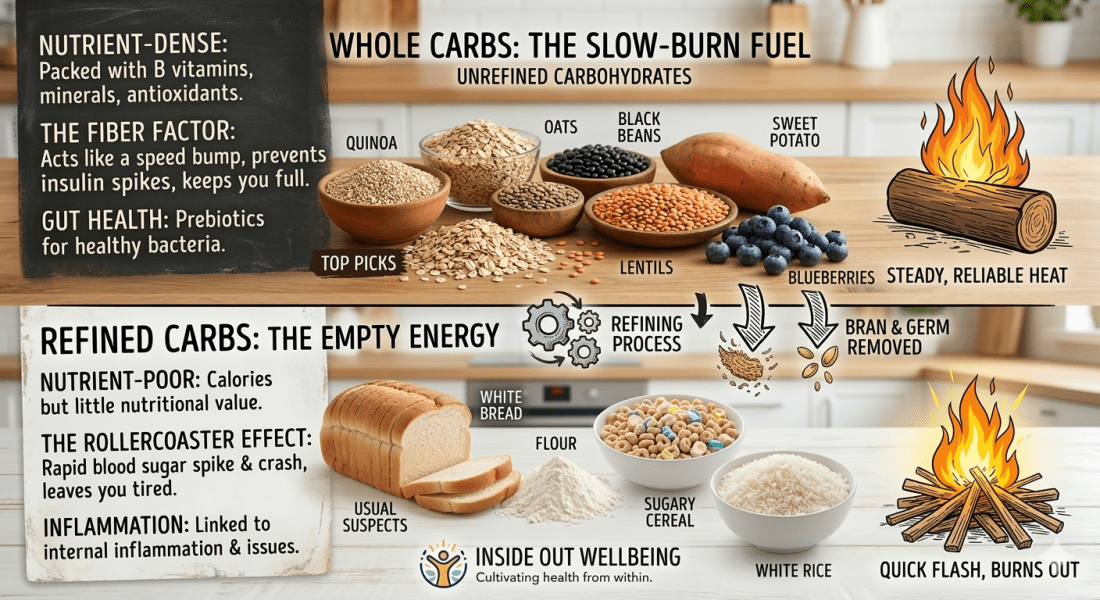
Whole carbohydrates are minimally processed, meaning they arrive at your plate with their natural fiber and nutrients intact.

Nutrient-Dense: 
They are nature’s multivitamin, packed with B vitamins, minerals, and antioxidants.

The Fiber Factor: 
Fibre acts like a speed bump for your digestion. It slows down glucose absorption, preventing insulin spikes and keeping you satiated for hours.

Gut Health: 
The non-digestible fibers in whole carbs act as prebiotics—essentially “food” for the healthy bacteria in your microbiome.

Top Picks:
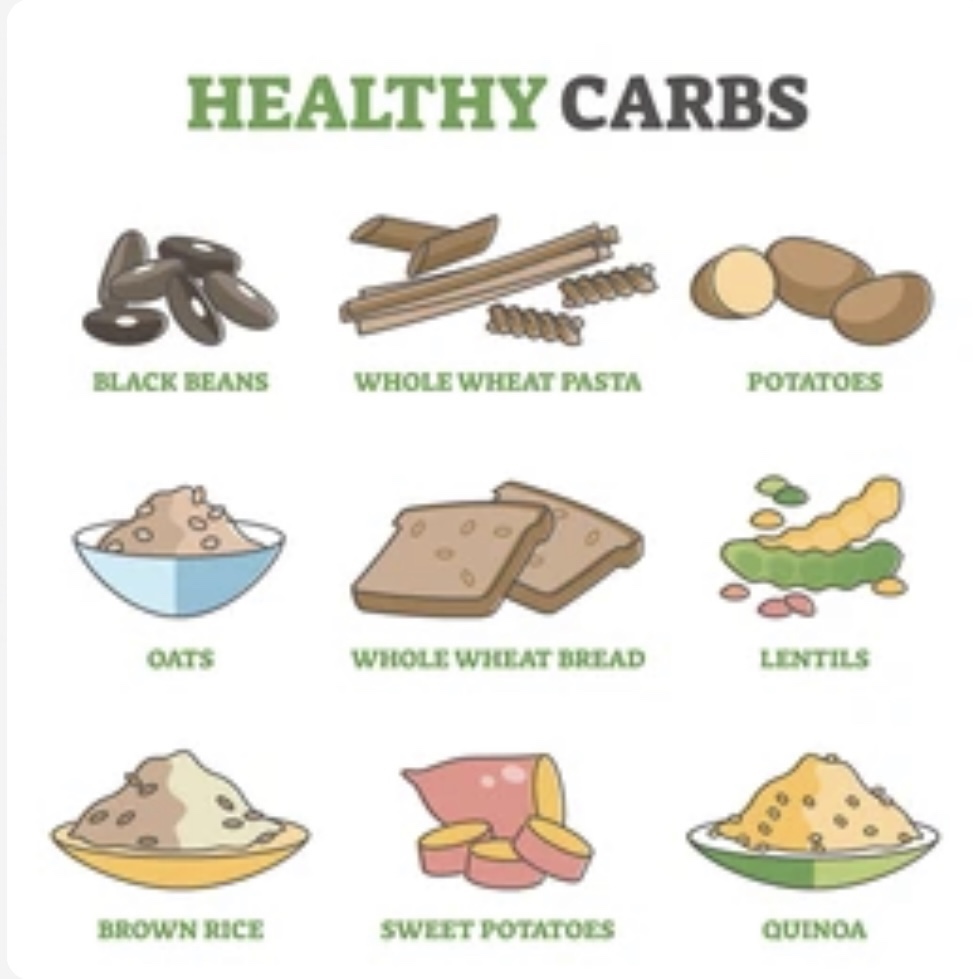
Grains: Quinoa, oats, buckwheat, and brown rice.
Legumes: Lentils, chickpeas, and black beans.
Produce: All fruits and starchy vegetables (like sweet potatoes).

Refined Carbs: The Empty Energy
Refined carbs have been milled a process that removes the bran (the fiber-rich outer layer) and the germ(the nutrient-rich core). What’s left is just the starchy endosperm.

Nutrient-Poor: Without the bran and germ, you’re left with calories but very little nutritional value.

The Rollercoaster Effect
aAs they lack fiber, these carbs hit your bloodstream almost instantly. This causes a rapid spike in blood sugar, followed by an inevitable “crash” that leaves you tired and reaching for more sugar.

Inflammation: Frequent consumption of highly refined carbs is linked to increased internal inflammation and metabolic issues.
The Usual Suspects:

White Flour Products: White bread, flour tortillas, and standard pasta.

Added Sugars: Soda, sugary cereals, and pastries.

Processed Grains: White rice and “instant snacks.

4. Easy Swaps for a Smarter Plate
Transitioning to whole carbs doesn’t require a kitchen overhaul.

For instance, replacing white rice with quinoa or farro not only introduces a pleasant, nutty texture to your meals but also increases your protein intake. You can transform your morning routine by trading sugary cereals for steel-cut oats, which provide the sustained fuel needed to keep you feeling full until lunch.

When it comes to wraps or tacos, opting for corn or whole wheat tortillas over standard flour varieties is an easy way to boost your fiber consumption. Even snack time offers an opportunity for a nutritional upgrade; swapping potato chips for air-popped popcorn gives you a satisfying, whole-grain crunch with much more volume and fewer empty calories.

Final thoughs
Think of Whole Carbs as a slow-burning log on a campfire providing steady, reliable heat. Think of Refined Carbs as kindling a bright flash of energy that burns out quickly.
By choosing whole more often, you aren’t just eating; you’re investing in steady energy, better digestion, and long-term health.
Next time you shop, look for “100% Whole Grain” on the label—your body will thank you!
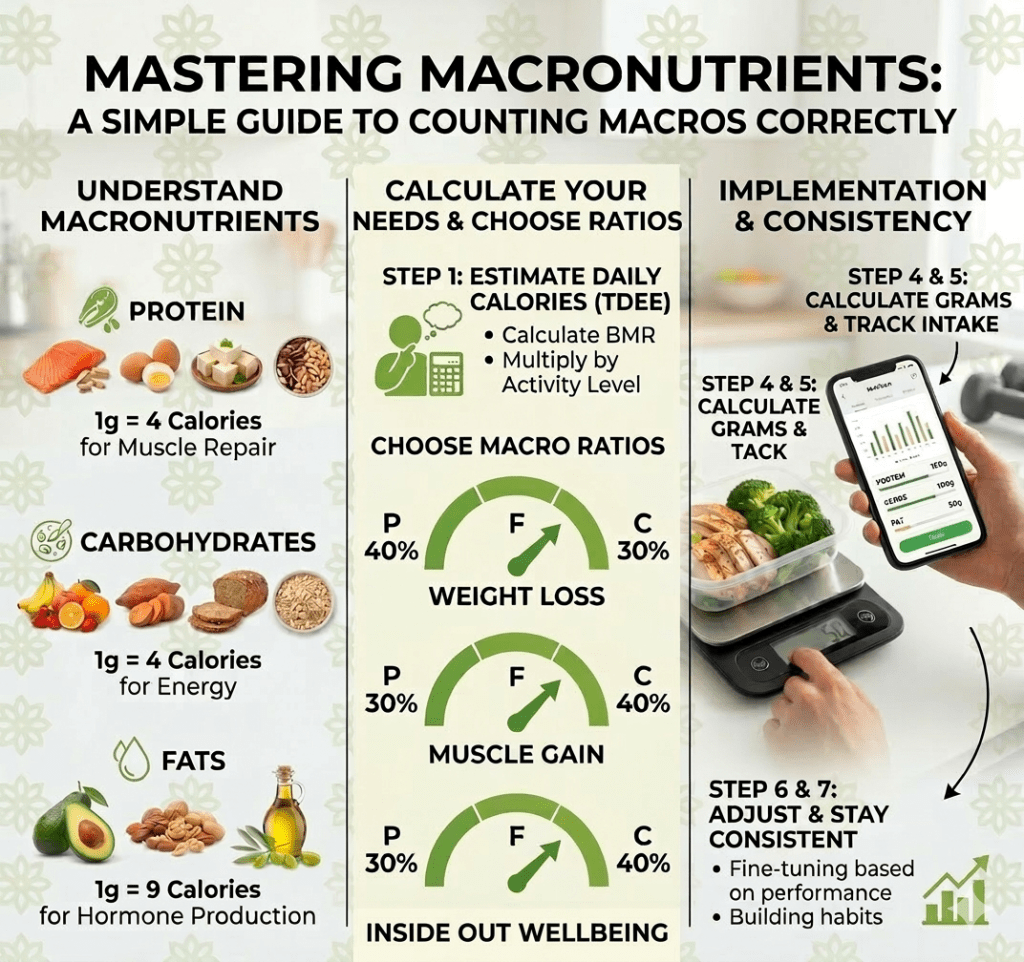
Mastering Macronutrients: A Simple Guide to Counting Macros Correctly

Whether you’re a seasoned gym-goer, an athlete, or just beginning your wellness journey, understanding macronutrients can be a game changer for reaching your health goals.

If you’ve ever wondered how to break down your diet into protein, fats, and carbohydrates to maximise results, this guide will walk you through the process step by step.

Let’s get started.

Step 1: Understand Macronutrients

Before you start counting macros, it’s important to know what they are and why they matter.

Protein

Protein is essential for muscle repair, growth, and overall body function.

1 gram of protein = 4 calories

Common sources include lean meats, fish, eggs, dairy, tofu, beans and legumes.

Fats

Healthy fats help with hormone production, brain health, and long-lasting energy.

1 gram of fat = 9 calories

Good sources include avocados, nuts, seeds, olive oil and fatty fish.

Carbohydrates

Carbohydrates are the body’s primary source of energy, especially for exercise and daily activity.

1 gram of carbohydrates = 4 calories

Healthy carbs include fruits, vegetables, whole grains and legumes.

Step 2: Calculate Your Daily Calorie Needs

To determine how many macros you should consume, you first need to estimate your daily calorie requirements.

This involves calculating your Basal Metabolic Rate (BMR) and Total Daily Energy Expenditure (TDEE).

1. Calculate Your BMR

BMR represents the calories your body needs to perform basic functions like breathing and circulation.

For men:

BMR = 88.362 + (13.397 × weight in kg) + (4.799 × height in cm) − (5.677 × age)

For women:

BMR = 447.593 + (9.247 × weight in kg) + (3.098 × height in cm) − (4.330 × age)

2. Calculate Your TDEE

Multiply your BMR by your activity level:

Activity Level Multiplier

Sedentary (little or no exercise) BMR × 1.2

Light activity (1–3 days/week) BMR × 1.375

Moderate activity (3–5 days/week) BMR × 1.55

Very active (6–7 days/week) BMR × 1.725

Extremely active (physical job/training twice daily) BMR × 1.9

Your TDEE gives you an estimate of how many calories you need each day.

Step 3: Choose Your Macronutrient Ratios

Your macro ratio depends on your health or fitness goal.

For Weight Loss

Protein: 40%

Fat: 30%

Carbohydrates: 30%

Higher protein helps maintain muscle and improves satiety.

For Muscle Gain

Protein: 30%

Fat: 30%

Carbohydrates: 40%

Extra carbs help fuel workouts and recovery.

For Maintenance

Protein: 30%

Fat: 30%

Carbohydrates: 40%

This balanced approach supports general health and energy levels.

Step 4: Convert Percentages into Grams

Once you know your daily calories and macro percentages, you can convert them into grams.

1. Calculate Calories per Macronutrient

Total Calories × Percentage

Example (2000 calories with 30% protein):

2000 × 0.30 = 600 calories from protein

2. Convert Calories into Grams

Use the calorie value of each macro:

Protein: Cal ÷ 4 Carbs: Calories ÷ 4

Fat: Calories ÷ 9

For example:

600 calories from protein ÷ 4 = 150g protein

Step 5: Track Your Food Intake

Tracking helps ensure you’re staying within your macro targets.

Use a Tracking App

Read Nutrition Labels

Check the macronutrient content per serving to track accurately.

Weigh Your Food

Using a kitchen scale ensures accurate portion sizes and macro tracking.

Step 6: Adjust and Fine-Tune

Your body is unique, so adjustments may be necessary.

Pay attention to:

Energy levels

Workout performance

Weight changes

Hunger levels

If your progress stalls, then tweak your calories or macro ratios accordingly.

Step 7: Stay Consistent

Consistency is the most important factor for long-term success.

Don’t worry about being perfect every day. Focus on building sustainable habits and finding a macro balance that works for your lifestyle.

Over time, tracking macros becomes easier and more intuitive.

Final Thoughts

Counting macronutrients might feel overwhelming at first, but with practice it becomes a powerful tool for improving your nutrition.

By understanding your calorie needs, choosing the right macro balance, and tracking your intake, you can fuel your body effectively and move closer to your health goals.

Remember: the goal isn’t perfection — it’s progress and consistency.

If you found this guide helpful, feel free to share it with friends and family who want to improve their nutrition. And if you have any tips or questions about macro tracking, drop them in the comments below!

Macronutrients 101: Balancing Carbs, Proteins, and Fats

Welcome to the world of macronutrients—the essential building blocks of our diet that keep us energised, healthy, and functioning at our best. Whether you’re a fitness enthusiast, a health-conscious eater, or just someone trying to understand what makes up your meals, understanding macronutrients is key. In this guide, we’ll break down the three main types of macronutrients, their functions, benefits, and how you can balance them for optimal health. Ready to dive in? Let’s get started!

What Are Macronutrients?

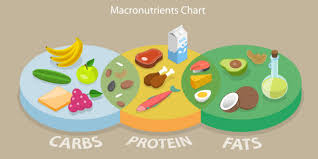
Macronutrients are nutrients that our bodies require in large amounts to function properly. They provide the energy needed for all bodily functions and are vital for overall health. There are three primary macronutrients: carbohydrates, proteins, and fats. Each plays a unique role in our body and offers its own set of benefits.

1. Carbohydrates: The Body’s Main Energy Source

What Are They?
Carbohydrates are the body’s primary source of energy, especially for high-intensity activities. They break down into glucose, which fuels your muscles and brain.

Types of Carbs:

  • Simple Carbohydrates: Found in foods like fruits, milk, and sugar. These carbs are quickly digested and provide a fast energy boost.
  • Complex Carbohydrates: Found in whole grains, legumes, and vegetables. These carbs take longer to digest and provide sustained energy.

Functions of Carbs:

  • Energy Production: Carbs are the body’s preferred source of fuel, especially during exercise or strenuous activity.
  • Brain Function: Glucose, derived from carbs, is the brain’s main energy source.

Benefits:

  • Quick Energy: Simple carbs can quickly replenish energy levels, ideal for pre- or post-workout snacks.
  • Sustained Energy: Complex carbs keep blood sugar stable and help you feel fuller for longer.

Carb-Balancing Tips:

  • Opt for whole, unprocessed carbs like oats, quinoa, and sweet potatoes.
  • Limit sugary snacks and refined grains (e.g., white bread) that spike blood sugar levels.

2. Proteins: The Body’s Building Blocks

What Are They?
Proteins are essential for tissue repair, muscle growth, and the production of enzymes and hormones. They’re often called the “building blocks” of the body.

Types of Proteins:

  • Complete Proteins: Contain all nine essential amino acids and are found in animal products like meat, eggs, and dairy, as well as plant-based sources like quinoa and soy.
  • Incomplete Proteins: Lack one or more essential amino acids and are found in most plant-based foods, like beans, lentils, and nuts.

Functions of Protein:

  • Muscle Repair & Growth: Protein helps repair tissues and build muscle after exercise.
  • Enzyme Production: It also plays a role in producing enzymes for vital biochemical reactions.

Benefits:

  • Muscle Strength: Adequate protein intake supports muscle growth and recovery, making it crucial for athletes and fitness enthusiasts.
  • Satiety: Protein helps keep you feeling full, which can assist in weight management.

Protein-Balancing Tips:

  • Incorporate a variety of protein sources in your meals—lean meats, fish, dairy, legumes, and nuts.
  • Choose plant-based proteins if you’re following a vegan or vegetarian diet.
  • Example: A hearty meal might include a grilled chicken breast (complete protein), quinoa (carb), and sautéed veggies (fibre and nutrients).

3. Fats: Essential for Overall Health

What Are They?
Fats are a dense source of energy and are crucial for maintaining cell structures and producing hormones. They also help the body absorb fat-soluble vitamins.

Types of Fats:

  • Saturated Fats: Found in animal products and certain plant oils. While necessary, they should be consumed in moderation.
  • Unsaturated Fats: Found in foods like avocados, nuts, seeds, and olive oil. These fats are heart-healthy and reduce inflammation.
  • Trans Fats: Found in processed foods and should be avoided as they can increase the risk of heart disease.

Functions of Fats:

  • Energy Storage: Fats are stored in the body as an energy reserve.
  • Cell Structure & Hormone Production: Fats are essential for building cell membranes and producing vital hormones.

Benefits:

  • Heart Health: Omega-3 fatty acids (a type of unsaturated fat) help reduce inflammation and improve cardiovascular health.
  • Nutrient Absorption: Fats are crucial for the absorption of fat-soluble vitamins (A, D, E, and K).

Fat-Balancing Tips:

  • Prioritise unsaturated fats from foods like fish, nuts, seeds, and avocados.
  • Limit saturated fats by reducing processed foods and fatty meats.
  • Avoid trans fats found in most processed snacks and fast foods.

How to Balance Your Macronutrients for Optimal Health

Balancing your macronutrients is essential for maintaining a healthy diet and achieving your fitness and wellness goals. Here’s how you can get it right:

1. Assess Your Needs:
Your macronutrient needs depend on factors like age, sex, activity level, and health goals. For example, athletes may require higher protein intake, while those following a keto diet focus on increasing fats and reducing carbs. You can use a macro calculator or consult a nutritionist for personalised advice.

2. Meal Planning & Example Meal Combinations:

  • Breakfast: Scrambled eggs (protein), whole grain toast (carb), avocado (healthy fat).
  • Lunch: Grilled chicken (protein), quinoa (carb), mixed greens with olive oil dressing (healthy fat).
  • Dinner: Salmon (protein + omega-3 fat), sweet potatoes (carb), steamed broccoli (fibre).

3. Listen to Your Body:
Pay attention to how different macronutrient ratios affect your energy levels, mood, and overall health. Do you feel sluggish after a high-carb meal? Energised after a protein-packed snack? Adjust accordingly.

Diet-Specific Tips:

  • Keto Diet: Focus on higher fat, moderate protein, and very low carbs (e.g., avocado, cheese, eggs, and leafy greens).
  • Vegan Diet: Ensure adequate protein intake from plant-based sources (e.g., lentils, beans, tofu, and tempeh) and healthy fats from nuts, seeds, and oils.
  • Balanced Diet: Emphasise variety, including all macronutrients in every meal for sustained energy and well-being.

Final Thoughts: Your Path to a Healthier You

Understanding macronutrients and how they work can transform your approach to eating and health. By learning about the types, functions, and benefits of carbohydrates, proteins, and fats, you’ll be equipped to make informed food choices that align with your goals. Remember, balance is the key—and moderation is the secret to a diet that supports both happiness and health.

Ready to take control of your nutrition?
Start by evaluating your current diet, experimenting with macronutrient ratios, and observing how your body responds. You’ll feel more energised, stronger, and healthier in no time!

Engage with Us:
I’d love to hear your experiences with macronutrients. What meals or tips have worked for you? Leave a comment below and share your thoughts!

 Feel free to share this guide with friends and family who are curious about macronutrients.

Stay healthy, stay balanced, and happy eating!

Fuelling Your Day Right: Best Breakfast for Exercise

They say breakfast is the most important meal of the day, and when you’re planning to exercise, it’s even more critical. Whether you’re an early riser hitting the gym, a dedicated runner, or just looking to maintain a healthy lifestyle, what you eat for breakfast can significantly impact your workout performance. In this blog, we’ll explore the best breakfast options to help you power through your exercise routine and achieve your fitness goals.


Oatmeal Power

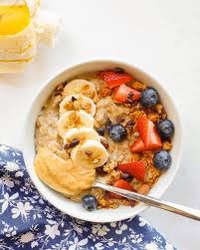
Start your day with a bowl of oatmeal, and you’ll be well on your way to a successful workout. Oats are rich in complex carbohydrates, which provide a steady release of energy, keeping you fuelled throughout your exercise session. They’re also an excellent source of fibre, promoting digestive health. Top your oatmeal with some berries and a drizzle of honey for added antioxidants and natural sweetness.


Greek Yogurt Parfait

Greek yogurt is a protein-packed breakfast option that’s great for muscle recovery and building. Pair it with some granola for carbohydrates and nuts or seeds for healthy fats and extra crunch. Add a few slices of fresh fruit for a natural sweetness that’ll give you the energy boost you need to power through your workout.


Whole Grain Toast with Nut Butter

Whole grain toast with almond, peanut, or cashew butter is a delicious and balanced breakfast option. The combination of complex carbohydrates from the bread and healthy fats and protein from the nut butter provides a sustained source of energy. Add some sliced bananas or strawberries on top for extra nutrients and flavour.


Scrambled Eggs with Veggies

Eggs are a fantastic source of high-quality protein and essential nutrients like choline and vitamin B12. Scramble them up with some colourful vegetables like spinach, bell peppers, and tomatoes for added vitamins, minerals, and fibre. This savoury breakfast will keep you full and energized for your morning workout.


Smoothie Sensation

If you’re short on time, a nutritious smoothie can be your go-to breakfast option. Blend together some spinach, frozen berries, a banana, Greek yogurt, and a scoop of protein powder for a quick and convenient pre-workout meal. The combination of carbohydrates, protein, and antioxidants will give you the energy and nutrients needed for your exercise routine.


Avocado Toast

Avocado toast has become a trendy breakfast choice for a reason – it’s packed with healthy fats, fibre, and essential nutrients. Spread mashed avocado on whole grain toast and top it with a sprinkle of salt, pepper, and red pepper flakes for a flavourful kick. This breakfast option provides long-lasting energy and keeps you feeling satisfied.


Quinoa Breakfast Bowl

Quinoa is a versatile grain that’s high in protein and complex carbohydrates. Cook it up and top it with your favourite breakfast toppings, such as sliced almonds, honey, and fresh fruit. This savoury and sweet combination is perfect for those who prefer a heartier breakfast before hitting the gym.


The right breakfast can make a world of difference in your exercise performance. Whether you prefer a quick and easy smoothie or a hearty quinoa bowl, choosing a balanced meal with a combination of carbohydrates, protein, and healthy fats will set you up for success in your workout routine. Remember to also stay hydrated by drinking water before and during your exercise, as proper hydration is essential for optimal performance. So, fuel your body right, and you’ll be well on your way to achieving your fitness goals.

How to Recover From DOMS:

Delayed Onset Muscle Soreness, commonly known as DOMS, is a familiar sensation for anyone who has ever embarked on a new exercise routine or intensified their workouts. While it can be uncomfortable, DOMS is a natural response to the stress placed on your muscles during physical activity. The good news is that there are effective ways to alleviate this soreness and accelerate your recovery. In this blog, we’ll explore how to recover from DOMS and get back to your fitness routine feeling refreshed and ready to go.

Understanding DOMS


DOMS typically manifests as muscle stiffness, tenderness, and pain that peaks 24 to 48 hours after strenuous exercise. It is believed to result from microscopic damage to muscle fibres, inflammation, and the accumulation of waste products in the muscles. Although it can be uncomfortable, it’s a sign that your body is adapting and becoming stronger. However, it’s essential to manage DOMS to ensure you can continue exercising without risking injury or burnout.


Here’s a step-by-step guide to help you recover from DOMS:


Rest and Recovery

The first and most crucial step in recovering from DOMS is to give your body the rest it needs. Avoid overtraining and allow your muscles to repair themselves. While complete rest may not be necessary, you should prioritize lighter activities such as walking or gentle stretching during the initial soreness period.


Hydrate and Nutrition

Proper nutrition plays a vital role in muscle recovery. Make sure to stay well-hydrated and consume a balanced diet rich in protein, complex carbohydrates, and healthy fats. Protein is essential for muscle repair and growth. Consider incorporating post-workout protein shakes or meals to aid recovery.


Gentle Stretching and Mobility Work

Engage in light stretching and mobility exercises to improve blood circulation and reduce muscle tension. Focus on the affected muscles and perform gentle stretches, holding each position for 15-30 seconds. Yoga or foam rolling can also help alleviate muscle tightness.


Ice and Heat Therapy

Alternating between ice and heat can be beneficial for reducing inflammation and soothing sore muscles. Apply ice packs to the affected areas for 20 minutes, followed by a warm compress for another 20 minutes. This contrast therapy can help improve blood flow and reduce pain.


Over-the-Counter Pain Relief

Non-prescription pain relievers like ibuprofen or acetaminophen can be used in moderation to alleviate pain and inflammation. However, consult a healthcare professional before using any medication, especially if you have underlying health conditions or are taking other medications.


Massage Therapy

Professional massages or self-massage with a foam roller can be effective in easing muscle tension and improving circulation. Focus on the sore muscles and use slow, deliberate strokes to target knots and tightness.


Active Recovery

Once the initial soreness has subsided, gradually reintroduce low-intensity exercises like walking, cycling, or swimming. This helps promote blood flow and aids in the recovery process. Avoid high-intensity workouts until your muscles feel fully recovered.


Sleep

Adequate sleep is essential for muscle repair and overall recovery. Aim for 7-9 hours of quality sleep each night, as this is when your body repairs and regenerates muscle tissue.


Stay Consistent

To prevent future bouts of DOMS, gradually increase the intensity and duration of your workouts. Consistency in your exercise routine allows your muscles to adapt and become less susceptible to soreness.


Conclusion

Recovering from DOMS is a natural part of the fitness journey. By following these steps, you can minimize discomfort, promote muscle repair, and expedite your recovery process. Remember that everyone’s body is unique, and it may take some trial and error to find the best combination of strategies that work for you. The key is to listen to your body, prioritize self-care, and stay committed to your fitness goals. With time and patience, you’ll be back in the gym, feeling stronger than ever.

12 High Carb Foods That Are Incredibly Healthy


When it comes to carbohydrates, they have gained an undeserved reputation for being unhealthy and contributing to weight gain. However, not all carbs are created equal. In fact, some high-carb foods are incredibly healthy and play a vital role in providing essential nutrients and energy to our bodies. Let’s explore 12 high-carb foods that are not only nutritious but also beneficial for overall health:

1. Sweet Potatoes: Packed with vitamins A and C, potassium, and dietary fibre, sweet potatoes are a nutrient-dense high-carb option. They have a lower glycemic index than regular potatoes, making them a better choice for maintaining stable blood sugar levels.

2. Quinoa: As a complete protein source, quinoa is a versatile grain that contains all nine essential amino acids. Additionally, it is rich in fibre, iron, magnesium, and phosphorus, making it a highly nutritious high-carb food.

3. Oats: A breakfast staple, oats are loaded with soluble fibre, which helps lower cholesterol levels and improve heart health. They also provide a steady source of energy and keep you feeling full for longer.

4. Bananas: An excellent source of potassium, vitamin B6, and vitamin C, bananas are a convenient and healthy high-carb fruit. They are great for replenishing energy after workouts and promoting digestive health.

5. Legumes: Foods like lentils, chickpeas, and black beans are rich in both carbohydrates and protein. They also contain essential minerals, fibre, and antioxidants, making them an excellent choice for a balanced diet.

6. Brown Rice: Compared to white rice, brown rice retains its bran and germ layers, making it a more nutritious option. It’s a good source of 

fibre, B vitamins, and essential minerals like magnesium and selenium.

7. Whole Grain Bread: When choosing bread, opt for whole grain varieties that offer more fiber vitamins, and minerals compared to refined white bread. They provide sustained energy and better digestion.

8. Beetroots: These vibrant root vegetables are high in carbohydrates and also contain beneficial compounds like nitrates, which improve blood flow and exercise performance.

9. Dates: A natural sweetener, dates are not only high in carbs but also provide essential minerals like potassium, magnesium, and copper. They are a perfect alternative to processed sugars in various recipes.

10. Oranges: Known for their high vitamin C content, oranges are also a great source of healthy carbs, providing a quick and refreshing energy boost.

11. Pumpkin: Low in calories but high in healthy carbohydrates, pumpkin is rich in vitamin A, antioxidants, and dietary fibre, making it a nutrient powerhouse.

12. Quinoa: Known as a pseudocereal, quinoa is rich in complex carbohydrates, protein, and essential nutrients like iron, magnesium, and zinc. It’s a perfect option for vegans and vegetarians looking for complete protein sources.

Remember, portion control is essential when incorporating high-carb foods into your diet. It’s crucial to choose whole and minimally processed sources to reap the maximum benefits while maintaining a balanced and healthy lifestyle. By including these 12 high-carb foods in your meals, you can enjoy their nutritional advantages while supporting your overall well-being.

Always consult with a healthcare professional or a registered dietitian to tailor a diet plan that suits your individual health needs and goals. Happy eating!

One Pot Red Lentil Pasta

One Pot Red Lentil Pasta

This is my go to recipe on a busy day, it only takes 5-10mins to make and is a nutritionally balanced meal.

Lentil pasta is an excellent alternative as it’s high in fiber and protein. Lentils are aslo loaded with folate, iron, phosphorus and potassium. Lentil pasta is rich in fiber. Fiber intake helps reduce the risk of developing heart disease, diabetes and stroke.

Ingredients

1 can of tomato tin

1 small bowl of pasta

I small bowl of diced onion

5 cloves of minced garlic

1 tsp thyme

1 tsp oregano

500 ml veg broth

Salt and pepper to tatse

Fresh Basil

Chesse (optional)

In a large pan add in the red lentil pasta, tin tomato, diced onion and minced garlic, spices and the veg broth. Mix together, then add in salt and pepper.

Let it simmer on a slow gas till most of the liquid is absorbed.

Then add in fresh basil and mix well. After a few minutes turn of the heat.

Place is a serving bowl, add more fresh basil, chesse and enjoy.

Importance of Carbohydrates

Let’s talk about carbs

There is a wde perception that carbs are the enemy when it come to weight loss peopletend to cut out carbs from their diet to achieve weight loss and follow low carb diet.

Let me start by dismissing this notion.. carbs are not the Enemy. Of course you should reduce processed and sugary carbohydrates from the diet, for weigh loss and to maintain a healthy lifestyle.

The healthier sources of carbs such as wholegrains, fruit, vegetables and pulses are an important integral part of a healthy, balanced diet and ones that will help with weight loss.

Another important point to make is that Carbohydrates are the body’s main source of energy: They fuel the brain, kidneys, heart muscles, and central nervous system.

Priary functions of carbohydrates

💪 Energy production.

💪 Energy storage.
Building

💪 macromolecules.

💪 Sparing protein.

💪 Assit with lipid metabolism.

Side effects of not eat enough carbs. Limiting Carbs from the diet can cause the body to break down fat into ketones for energy. This is called ketosis. Ketosis can cause side effects such as bad breath, headache, fatigue and weakness