


Do You Actually Need a Fibre Supplement? Here’s What You Should Know

We talk a lot about fibre in the wellness world and for good reason. It’s one of the most powerful, underrated tools we have for supporting digestion, blood sugar, mood, and even heart health.

But what happens when you’re not getting enough from food alone? That’s where fibre supplements come in 

Like most things in nutrition, the answer isn’t one-size-fits-all.

Who Might Actually Benefit From a Fibre Supplement?

The honest truth is that most of us aren’t getting enough fibre from our diets. In the UK, the recommended daily amount is 30g for all adults yet most of us are only getting around 20g a day. That’s a significant gap, and it has real consequences for our digestion, energy, and mood.

There are a few reasons this happens. Access to fresh, whole foods isn’t equal cost and location matter more than we like to admit. Some popular eating approaches, like the ketogenic diet, naturally reduce fibre-rich plant foods. And for others, certain health conditions like constipation, type 2 diabetes, or high blood pressure may genuinely benefit from supplementation.

If you’re unsure whether a supplement is right for you, it’s always worth speaking with your GP or a registered dietitian first. They can help you understand whether you’re getting enough from food and where a supplement might genuinely help.

Soluble vs. Insoluble Fibre What’s the Difference?

If you’ve been reading along on the blog, you’ll know we recently covered this in depth. But here’s the quick version:

Soluble fibre dissolves in water and forms a gel in your digestive tract. It helps regulate blood sugar, supports cholesterol levels, and can improve both constipation and diarrhoea.

Insoluble fibre doesn’t dissolve instead, it adds bulk to your stool and keeps things moving efficiently through your gut.

Most fibre supplements contain one type or a blend of both. When you’re reading labels, here’s what to look out for:

Soluble fibre sources include psyllium, inulin, and glucomannan. Insoluble sources include wheat bran and cellulose. Supplements come in powders, capsules, liquids, and gummies whichever form fits most easily into your daily routine is the right one for you.

Are Fibre Supplements Safe to Take Every Day?

Generally, yes.A  few things are worth keeping in mind:

Always drink plenty of water when taking a fibre supplement. Without adequate hydration, you may experience bloating, gas, or cramping — especially when you’re just starting out. If you’re new to a higher-fibre intake, increase gradually rather than all at once. Your gut needs time to adjust.

And while supplements can be genuinely helpful, they don’t replace the full nutritional benefit of whole foods. A handful of chickpeas, some berries, a bowl of oats these bring not just fibre but vitamins, minerals, antioxidants, and phytonutrients that a supplement simply can’t replicate.

When to Speak to a Professional First

Some people should be cautious with fibre supplements or avoid them entirely — including those with certain digestive conditions, people taking blood thinners or diabetes medications, and anyone with swallowing difficulties or known gut obstructions.

If your digestive symptoms are persistent or severe, please don’t rely on supplements alone. Chronic changes in bowel habits, bloating, or discomfort should always be assessed by a healthcare professional to rule out anything more serious.

The Inside Out View

Fibre is foundational. It feeds your gut bacteXria, supports your mood (remember — 90% of serotonin is made in the gut), stabilises your blood sugar, and keeps your digestion running smoothly.

The UK recommendation of 30g a day is achievable but it does require intention. Whole foods first, always. Think wholegrains, legumes, fruits, vegetables, nuts, and seeds at every meal. But if you’re genuinely struggling to meet your needs through diet alone, a good quality supplement — wisely can be a supportive addition to your routine.

As always, the goal isn’t perfection. It’s nourishment. 🌿

Have you ever tried a fibre supplement? I’d love to know your experience drop a comment below.

With warmth,

Leena 🌿
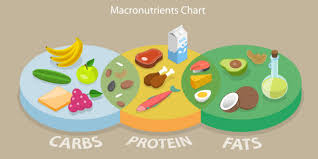
Macronutrients 101: Balancing Carbs, Proteins, and Fats

Welcome to the world of macronutrients—the essential building blocks of our diet that keep us energised, healthy, and functioning at our best. Whether you’re a fitness enthusiast, a health-conscious eater, or just someone trying to understand what makes up your meals, understanding macronutrients is key. In this guide, we’ll break down the three main types of macronutrients, their functions, benefits, and how you can balance them for optimal health. Ready to dive in? Let’s get started!

What Are Macronutrients?

Macronutrients are nutrients that our bodies require in large amounts to function properly. They provide the energy needed for all bodily functions and are vital for overall health. There are three primary macronutrients: carbohydrates, proteins, and fats. Each plays a unique role in our body and offers its own set of benefits.

1. Carbohydrates: The Body’s Main Energy Source

What Are They?
Carbohydrates are the body’s primary source of energy, especially for high-intensity activities. They break down into glucose, which fuels your muscles and brain.

Types of Carbs:

  • Simple Carbohydrates: Found in foods like fruits, milk, and sugar. These carbs are quickly digested and provide a fast energy boost.
  • Complex Carbohydrates: Found in whole grains, legumes, and vegetables. These carbs take longer to digest and provide sustained energy.

Functions of Carbs:

  • Energy Production: Carbs are the body’s preferred source of fuel, especially during exercise or strenuous activity.
  • Brain Function: Glucose, derived from carbs, is the brain’s main energy source.

Benefits:

  • Quick Energy: Simple carbs can quickly replenish energy levels, ideal for pre- or post-workout snacks.
  • Sustained Energy: Complex carbs keep blood sugar stable and help you feel fuller for longer.

Carb-Balancing Tips:

  • Opt for whole, unprocessed carbs like oats, quinoa, and sweet potatoes.
  • Limit sugary snacks and refined grains (e.g., white bread) that spike blood sugar levels.

2. Proteins: The Body’s Building Blocks

What Are They?
Proteins are essential for tissue repair, muscle growth, and the production of enzymes and hormones. They’re often called the “building blocks” of the body.

Types of Proteins:

  • Complete Proteins: Contain all nine essential amino acids and are found in animal products like meat, eggs, and dairy, as well as plant-based sources like quinoa and soy.
  • Incomplete Proteins: Lack one or more essential amino acids and are found in most plant-based foods, like beans, lentils, and nuts.

Functions of Protein:

  • Muscle Repair & Growth: Protein helps repair tissues and build muscle after exercise.
  • Enzyme Production: It also plays a role in producing enzymes for vital biochemical reactions.

Benefits:

  • Muscle Strength: Adequate protein intake supports muscle growth and recovery, making it crucial for athletes and fitness enthusiasts.
  • Satiety: Protein helps keep you feeling full, which can assist in weight management.

Protein-Balancing Tips:

  • Incorporate a variety of protein sources in your meals—lean meats, fish, dairy, legumes, and nuts.
  • Choose plant-based proteins if you’re following a vegan or vegetarian diet.
  • Example: A hearty meal might include a grilled chicken breast (complete protein), quinoa (carb), and sautéed veggies (fibre and nutrients).

3. Fats: Essential for Overall Health

What Are They?
Fats are a dense source of energy and are crucial for maintaining cell structures and producing hormones. They also help the body absorb fat-soluble vitamins.

Types of Fats:

  • Saturated Fats: Found in animal products and certain plant oils. While necessary, they should be consumed in moderation.
  • Unsaturated Fats: Found in foods like avocados, nuts, seeds, and olive oil. These fats are heart-healthy and reduce inflammation.
  • Trans Fats: Found in processed foods and should be avoided as they can increase the risk of heart disease.

Functions of Fats:

  • Energy Storage: Fats are stored in the body as an energy reserve.
  • Cell Structure & Hormone Production: Fats are essential for building cell membranes and producing vital hormones.

Benefits:

  • Heart Health: Omega-3 fatty acids (a type of unsaturated fat) help reduce inflammation and improve cardiovascular health.
  • Nutrient Absorption: Fats are crucial for the absorption of fat-soluble vitamins (A, D, E, and K).

Fat-Balancing Tips:

  • Prioritise unsaturated fats from foods like fish, nuts, seeds, and avocados.
  • Limit saturated fats by reducing processed foods and fatty meats.
  • Avoid trans fats found in most processed snacks and fast foods.

How to Balance Your Macronutrients for Optimal Health

Balancing your macronutrients is essential for maintaining a healthy diet and achieving your fitness and wellness goals. Here’s how you can get it right:

1. Assess Your Needs:
Your macronutrient needs depend on factors like age, sex, activity level, and health goals. For example, athletes may require higher protein intake, while those following a keto diet focus on increasing fats and reducing carbs. You can use a macro calculator or consult a nutritionist for personalised advice.

2. Meal Planning & Example Meal Combinations:

  • Breakfast: Scrambled eggs (protein), whole grain toast (carb), avocado (healthy fat).
  • Lunch: Grilled chicken (protein), quinoa (carb), mixed greens with olive oil dressing (healthy fat).
  • Dinner: Salmon (protein + omega-3 fat), sweet potatoes (carb), steamed broccoli (fibre).

3. Listen to Your Body:
Pay attention to how different macronutrient ratios affect your energy levels, mood, and overall health. Do you feel sluggish after a high-carb meal? Energised after a protein-packed snack? Adjust accordingly.

Diet-Specific Tips:

  • Keto Diet: Focus on higher fat, moderate protein, and very low carbs (e.g., avocado, cheese, eggs, and leafy greens).
  • Vegan Diet: Ensure adequate protein intake from plant-based sources (e.g., lentils, beans, tofu, and tempeh) and healthy fats from nuts, seeds, and oils.
  • Balanced Diet: Emphasise variety, including all macronutrients in every meal for sustained energy and well-being.

Final Thoughts: Your Path to a Healthier You

Understanding macronutrients and how they work can transform your approach to eating and health. By learning about the types, functions, and benefits of carbohydrates, proteins, and fats, you’ll be equipped to make informed food choices that align with your goals. Remember, balance is the key—and moderation is the secret to a diet that supports both happiness and health.

Ready to take control of your nutrition?
Start by evaluating your current diet, experimenting with macronutrient ratios, and observing how your body responds. You’ll feel more energised, stronger, and healthier in no time!

Engage with Us:
I’d love to hear your experiences with macronutrients. What meals or tips have worked for you? Leave a comment below and share your thoughts!

 Feel free to share this guide with friends and family who are curious about macronutrients.

Stay healthy, stay balanced, and happy eating!