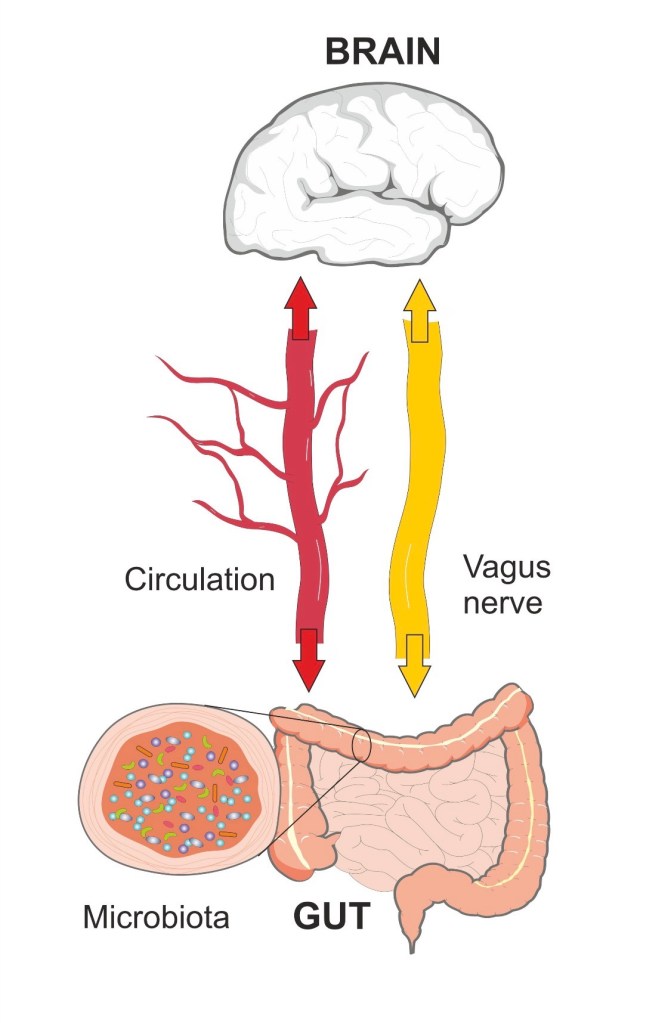
Have you ever had butterflies in your stomach before a big presentation? Or perhaps you’ve noticed that during a particularly hectic week at work, your digestion feels off, no matter how many salads you eat.
This isn’t a coincidence. It’s the Gut-Brain axis in action.
As a Nutrition and Wellness coach, I often see clients doing everything that’s right on paper like: tracking macros, eating whole grains, and staying hydrating. Yet they still feel bloated, sluggish, or unsatisfied. Often, the missing link isn’t on their plate; it’s in their nervous system.
The Science: Rest & Digest vs. Fight or Flight
Our bodies have two main settings for the nervous system:
1. Sympathetic (Fight or Flight): Designed for survival. When you’re stressed, your body diverts energy away from non-essential functions like digestion and sends it to your limbs so you can run or fight.
2. Parasympathetic (Rest and Digest): This is where the magic happens. In this state, your body produces digestive enzymes, moves food efficiently through the gut, and absorbs nutrients effectively.
The Problem: In our modern world, we are often stuck in a low-grade Fight or Flight mode. When you eat while stressed, scrolling through emails or rushing out the door, your body physically cannot prioritize breaking down that healthy meal.
How Stress Alters Your Nutrition
When chronic stress takes the wheel, several things happen inside:
Reduced Nutrient Absorption: Stress can decrease blood flow to the digestive tract, meaning you aren’t getting the full benefit of the vitamins and minerals you’re consuming.
Inflammation: High cortisol (the stress hormone) can irritate the gut lining, potentially leading to bloating and sensitivities.
• The Speed of Digestion: Stress can either slow things down leading to constipation or speed them up too much (leading to malabsorption).
The Solution: Meditation as a Digestive Aid
This is where the Inside Out approach becomes your secret weapon. You don’t need an hour of silence to fix your digestion; you just need to signal to your brain that you are safe.
The Mindful Minute Practice:
Before your next meal, try this:
1. Sit down (don’t eat standing up!).
2. Take three deep, belly breaths. Exhale longer than you inhale.
3. Look at your food and acknowledge the colors and smells.
This simple act of mindfulness flips the switch from Sympathetic to Parasympathetic. You aren’t just eating; you’re nourishing.
In the world of nutrition, carbohydrates often get a bad rap. You’ve likely heard advice to cut carbs, but the truth is more nuanced: it’s about quality, not just quantity.
Understanding the difference between whole and refined carbohydrates is the secret to fueling your body without the energy crashes.
1. What Are Carbs, Anyway? Carbohydrates are one of the three primary macronutrients (alongside protein and fat) that provide energy. When you eat carbs, your body breaks them down into glucose, the preferred fuel for your brain and muscles. However, the speed at which that fuel enters your system depends entirely on the structure of the carb.
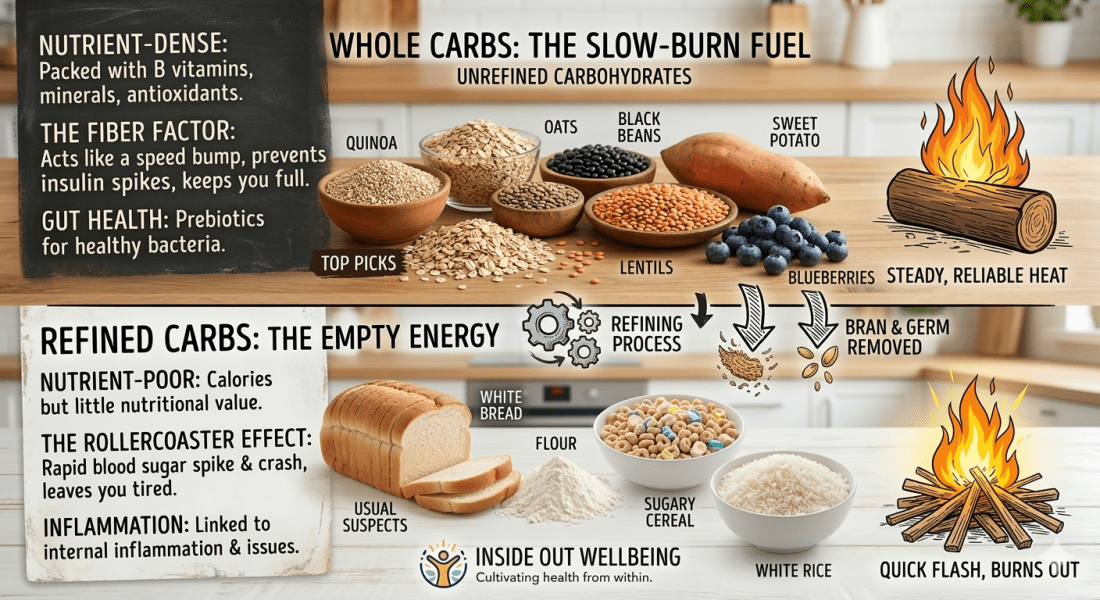
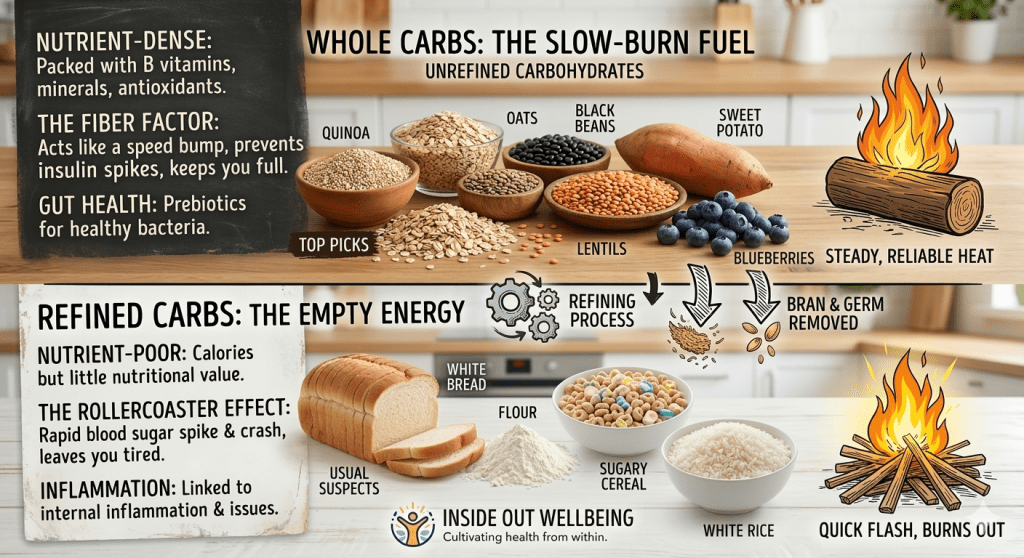
2. Whole Carbs: The Slow-Burn Fuel Whole carbohydrates are minimally processed, meaning they arrive at your plate with their natural fiber and nutrients intact.
Nutrient-Dense: They are nature’s multivitamin, packed with B vitamins, minerals, and antioxidants.
The Fiber Factor: Fibre acts like a speed bump for your digestion. It slows down glucose absorption, preventing insulin spikes and keeping you satiated for hours.
Gut Health: The non-digestible fibers in whole carbs act as prebiotics—essentially “food” for the healthy bacteria in your microbiome.
Top Picks: Grains: Quinoa, oats, buckwheat, and brown rice. Legumes: Lentils, chickpeas, and black beans. Produce: All fruits and starchy vegetables (like sweet potatoes).
Refined Carbs: The Empty Energy Refined carbs have been milled a process that removes the bran (the fiber-rich outer layer) and the germ(the nutrient-rich core). What’s left is just the starchy endosperm.
Nutrient-Poor: Without the bran and germ, you’re left with calories but very little nutritional value.
The Rollercoaster Effect aAs they lack fiber, these carbs hit your bloodstream almost instantly. This causes a rapid spike in blood sugar, followed by an inevitable “crash” that leaves you tired and reaching for more sugar.
Inflammation: Frequent consumption of highly refined carbs is linked to increased internal inflammation and metabolic issues. The Usual Suspects:
White Flour Products: White bread, flour tortillas, and standard pasta.
Added Sugars: Soda, sugary cereals, and pastries.
Processed Grains: White rice and “instant snacks.
4. Easy Swaps for a Smarter Plate Transitioning to whole carbs doesn’t require a kitchen overhaul.
For instance, replacing white rice with quinoa or farro not only introduces a pleasant, nutty texture to your meals but also increases your protein intake. You can transform your morning routine by trading sugary cereals for steel-cut oats, which provide the sustained fuel needed to keep you feeling full until lunch.
When it comes to wraps or tacos, opting for corn or whole wheat tortillas over standard flour varieties is an easy way to boost your fiber consumption. Even snack time offers an opportunity for a nutritional upgrade; swapping potato chips for air-popped popcorn gives you a satisfying, whole-grain crunch with much more volume and fewer empty calories.
Final thoughs Think of Whole Carbs as a slow-burning log on a campfire providing steady, reliable heat. Think of Refined Carbs as kindling a bright flash of energy that burns out quickly. By choosing whole more often, you aren’t just eating; you’re investing in steady energy, better digestion, and long-term health. Next time you shop, look for “100% Whole Grain” on the label—your body will thank you!
A New Chapter Rooted in Health, Nourishment & Inner Calm
If you’ve been part of my journey for a while, you’ll remember my blog Lena’s Kitchen Veggie Lena a space filled with plant-based inspiration, wholesome recipes, and a love for nourishing food.
That chapter will always be special to me.
But as I’ve grown personally and professionally so has my vision. I’m so excited to officially welcome you to Inside Out Wellbeing.
Why the Rebrand?
Over the years, my work has expanded far beyond the kitchen.
As a qualified Nutrition Coach and Health & Wellness Coach, I’ve had the privilege of supporting people not just with what’s on their plate, but with how they feel in their bodies, how they manage stress, how they nourish their minds, and how they reconnect with themselves.
Food is powerful but true wellbeing goes deeper.
I wanted a space that reflects the full picture:
Nourishing nutrition
Holistic health
Meditation & mindfulness
lifestyle habits
Inside Out Wellbeing represents what I truly believe:
Real health starts from within.
When we support our inner world our thoughts, stress levels, emotional health, gut health, nervous system everything on the outside begins to shift.
What You Can Expect Here
This new space is about whole-person wellbeing.
You’ll still find nutrition guidance and realistic, nourishing food ideas. But you’ll also see more:
Practical wellness tools you can actually implement.
Mindset shifts for sustainable change.
Simple ways to reduce stress and feel calmer.
Meditation guidance
(including my online course)
Honest conversations about balance
This isn’t about extremes.
It isn’t about restriction.
It isn’t about chasing ideal health.
It’s about creating wellbeing that feels good, sustainable, and aligned with your real life.
Why “Inside Out”?
Because no amount of green smoothies can compensate for chronic stress.
No perfect meal plan replaces self-awareness.
No external routine creates lasting change without inner alignment.
When we:
regulate our nervous system
build supportive habits
nourish our bodies properly
create space to breathe
We transform from the inside out. That’s the work I’m most passionate about now.
Thank You for Growing With Me
If you’ve been here since the Veggie Lena days — thank you.
If you’re new here — welcome.
Inside Out Wellbeing is more than a blog. It’s a space for grounded, realistic health. A space for women who want to feel energised, calm, strong, and connected without overwhelm.
This rebrand isn’t about starting over. It’s about stepping fully into who I am now.
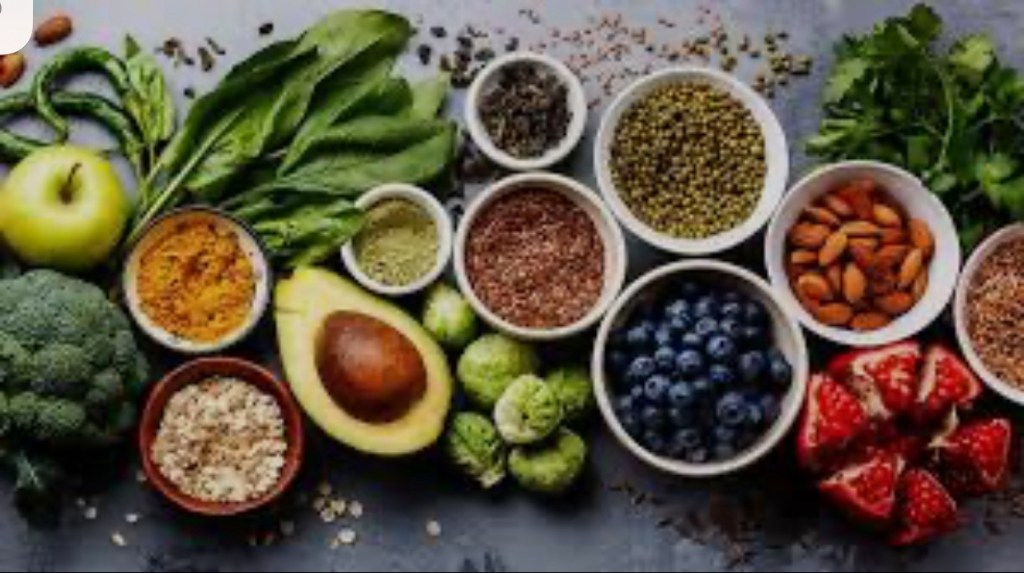
in a world where health and wellness are more important than ever people are turning to plant-based diets for their myriad benefits. But with all the options out there, how do you know which vegan foods are the most nutrient-dense? We’ve got you covered! This blog is your ultimate guide to the most powerful plant-based foods that pack a nutritional punch.
1. Kale: The King of Greens
Kale has earned its crown as one of the most nutrient-dense foods on the planet. Rich in vitamins A, C, and K, kale is a powerhouse of antioxidants and anti-inflammatory compounds. Just one cup provides more than your daily requirement of vitamin K, which is crucial for bone health and blood clotting. Whether you blend it into a smoothie, toss it in a salad, or bake it into crispy chips, kale is a must-have in your diet.
2. Chia Seeds: Tiny but Mighty
Don’t be fooled by their size—chia seeds are a nutritional powerhouse. These tiny seeds are loaded with fibre, omega-3 fatty acids, protein, and essential minerals like calcium and magnesium. Just two tablespoons of chia seeds contain about 10 grams of fibre, making them a terrific addition to smoothies, oatmeal, or even as a vegan egg substitute in baking.
3. Sweet Potatoes: Nature’s Candy
Sweet potatoes are not only delicious but also incredibly nutritious. They are packed with beta-carotene, which your body converts into vitamin A, vital for maintaining healthy vision and a strong immune system. They also provide a good amount of fibre, vitamin C, and potassium. Roast them, mash them, or turn them into fries—sweet potatoes are a versatile and nutrient-rich addition to any meal.
4. Quinoa: The Complete Protein Grain
Quinoa is one of the few plant-based foods that provide all nine essential amino acids, making it a complete protein. This gluten-free grain is also high in fibre, iron, magnesium, and B-vitamins. Quinoa’s nutty flavour and fluffy texture make it a great base for salads, bowls, and even breakfast porridge.
5. Spinach: The Iron-Clad Leafy Green
Spinach is a leafy green that’s packed with iron, especially important for those on a plant-based diet. It’s also high in vitamins A and C, calcium, and folate, making it a nutrient-dense addition to any meal. Enjoy it raw in salads, sautéed as a side dish, or blended into smoothies for an extra nutrient boost.
6. Lentils: The Protein-Packed Legume
Lentils are an excellent source of plant-based protein, fibre, and essential nutrients like folate, iron, and manganese. They’re also incredibly versatile and can be used in soups, stews, salads, or even as a meat substitute in burgers. Lentils are particularly beneficial for heart health, as they help lower cholesterol and stabilize blood sugar levels.
7. Broccoli: The Detox Dynamo
Broccoli is another cruciferous vegetable that’s incredibly nutrient-dense. It’s high in vitamins C and K, fibre, and potassium, and it also contains sulforaphane, a compound that may help with detoxification and cancer prevention. Whether steamed, roasted, or raw, broccoli is a vegetable that should be on your plate.
8. Flaxseeds: The Omega-3 Booster
Flaxseeds are one of the best plant-based sources of alpha-linolenic acid (ALA), a type of omega-3 fatty acid that supports heart health. They are also high in lignans, which have antioxidant properties, and fibre. Ground flaxseeds can be added to smoothies, oatmeal, or used as an egg replacement in baking.
9. Avocado: The Creamy Nutrient Bomb
Avocados are rich in healthy monounsaturated fats, which are great for your heart. They’re also loaded with fibre, potassium, and vitamins C, E, K, and B-6. The creamy texture of avocados makes them perfect for spreading on toast, adding to salads, or blending into smoothies.
10. Seaweed: The Ocean’s Superfood
Seaweed is a nutrient-dense food that’s rich in iodine, which is essential for thyroid function. It’s also high in calcium, magnesium, and vitamins, including A, C, E, and K. Seaweed can be eaten as snacks, used in soups, or added to salads and sushi for a mineral boost.
How to Incorporate These Nutrient-Dense Foods into Your Diet
Now that you know which vegan foods are the most nutrient-dense, it’s time to start incorporating them into your daily meals. Here are simple tips:
Start your day with a green smoothie: Blend kale or spinach with fruits, chia seeds, and flaxseeds for a nutrient-packed breakfast.
Make nutrient-dense bowls: Combine quinoa or lentils with roasted sweet potatoes, broccoli, and avocado for a hearty, healthy meal.
Snack smart: Munch on seaweed snacks or add a sprinkle of chia or flaxseeds to your yogurt or oatmeal.
Power up your salads: Add a mix of leafy greens, avocado, and a sprinkle of nuts or seeds for a filling and nutritious salad.
Final Thoughts
Eating a nutrient-dense vegan diet is easier than you might think. By incorporating these superfoods into your meals, you’ll be fuelling your body with the vitamins, minerals, and antioxidants it needs to thrive. Whether you’re a seasoned vegan or just starting your plant-based journey, these foods are sure to elevate your health and wellbeing.
So, what are you waiting for? Start adding these nutrient-dense powerhouses to your plate today and feel the difference!
Join the conversation: What is your favourite nutrient-dense vegan foods? Share your thoughts and recipes in the comments below!
Embarking on a journey towards healthier eating may initially feel overwhelming, especially with the sea of confusing advice and intricate kale smoothie recipes out there. However, fear not, because adopting a healthier diet doesn’t have to be complicated; it can be both delicious and straightforward. Let’s delve into some uncomplicated steps to initiate your journey toward healthier eating within a week.
1. Embrace Fibre and Whole Foods
Adults require approximately 30g of fibre daily, yet the average intake hovers around 19g—a gap that many of us can work on closing. fibber, found in fruits, vegetables, grains, and legumes, is crucial for digestive health. It aids in maintaining smooth digestion, preventing constipation, and even reducing the risk of chronic diseases such as bowel cancer, heart disease, stroke, and type 2 diabetes.
Tips for increasing your fibber intake:
• Opt for wholegrain foods like brown bread and porridge over processed cereals.
• Snack on vegetables and fruits.
• Include beans, lentils, and nuts in your meals and snacks.
2. Aim for At Least 5 Servings of Fruits and Vegetables Daily
Variety is key when it comes to fruits and vegetables. They not only provide essential vitamins and minerals but also contribute to your daily fibre intake. Your diet should ideally consist of a third of fruits and vegetables, so strive for this balance with every meal.
Ways to increase your fruit and veg intake:
• Add fruits to your breakfast.
• Incorporate finely diced vegetables into main dishes.
• Roast vegetables with an array of herbs and spices.
• Blend vegetables into dips like red pepper and garlic hummus.
3. Diversify Your Protein Sources
Variety in protein sources is not only beneficial for your health but also for the planet. Opt for alternatives to red and processed meats, such as beans, lentils, nuts, and oily fish.
Creative protein choices to explore:
• Substitute half of your mince with beans or lentils.
• Snack on roasted nuts.
• Experiment with different beans for homemade hummus.
• Incorporate protein into your snacks to stay satisfied.
4. Stay Hydrated
Proper hydration is vital for overall well-being. The UK Eat Well Guide suggests consuming about 1.2-1.5 litres of water daily, with additional intake for exercise or sweat loss. Staying hydrated aids in mood stability, focus, digestion, and cellular function.
Tips to stay hydrated:
• Carry a reusable water bottle with your favourite infusions like lemon or mint.
• Create a hydration station at work with various mix-ins and cups.
• Enjoy warm hydration through herbal teas.
5. Indulge in Moderation
Healthy eating doesn’t mean forgoing indulgence entirely. It’s perfectly fine to treat yourself occasionally; in fact, it’s essential for mental balance. Whether it’s a slice of cake at a party or your favourite ice cream on a sunny day, savouring these moments can help curb cravings and maintain your sanity.
Tips for balanced indulgence:
• Limit treats to special occasions or once a week.
• Be mindful of alcohol consumption due to its lasting impact.
6. Plan Ahead
Planning your meals can save you from last-minute meal dilemmas. Spend a few minutes each week preparing a grocery list, prepping ingredients, and batch cooking if possible. Having healthy options readily available makes it easier to resist fast food temptations or office vending machines.
Effective meal planning strategies:
• Utilize the freezer to store prepared meals.
• Plan for healthier snacks to curb hunger.
• Remember, a balanced lifestyle is not an ‘all or nothing’ approach—be kind to yourself if plans don’t go as intended.
By incorporating these simple steps into your routine, you can kickstart your journey toward healthier eating without feeling overwhelmed. Start small, stay consistent, and celebrate your progress along the way!
They say breakfast is the most important meal of the day, and when you’re planning to exercise, it’s even more critical. Whether you’re an early riser hitting the gym, a dedicated runner, or just looking to maintain a healthy lifestyle, what you eat for breakfast can significantly impact your workout performance. In this blog, we’ll explore the best breakfast options to help you power through your exercise routine and achieve your fitness goals.
Oatmeal Power
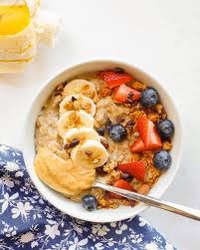
Start your day with a bowl of oatmeal, and you’ll be well on your way to a successful workout. Oats are rich in complex carbohydrates, which provide a steady release of energy, keeping you fuelled throughout your exercise session. They’re also an excellent source of fibre, promoting digestive health. Top your oatmeal with some berries and a drizzle of honey for added antioxidants and natural sweetness.
Greek Yogurt Parfait
Greek yogurt is a protein-packed breakfast option that’s great for muscle recovery and building. Pair it with some granola for carbohydrates and nuts or seeds for healthy fats and extra crunch. Add a few slices of fresh fruit for a natural sweetness that’ll give you the energy boost you need to power through your workout.
Whole Grain Toast with Nut Butter
Whole grain toast with almond, peanut, or cashew butter is a delicious and balanced breakfast option. The combination of complex carbohydrates from the bread and healthy fats and protein from the nut butter provides a sustained source of energy. Add some sliced bananas or strawberries on top for extra nutrients and flavour.
Scrambled Eggs with Veggies
Eggs are a fantastic source of high-quality protein and essential nutrients like choline and vitamin B12. Scramble them up with some colourful vegetables like spinach, bell peppers, and tomatoes for added vitamins, minerals, and fibre. This savoury breakfast will keep you full and energized for your morning workout.
Smoothie Sensation
If you’re short on time, a nutritious smoothie can be your go-to breakfast option. Blend together some spinach, frozen berries, a banana, Greek yogurt, and a scoop of protein powder for a quick and convenient pre-workout meal. The combination of carbohydrates, protein, and antioxidants will give you the energy and nutrients needed for your exercise routine.
Avocado Toast
Avocado toast has become a trendy breakfast choice for a reason – it’s packed with healthy fats, fibre, and essential nutrients. Spread mashed avocado on whole grain toast and top it with a sprinkle of salt, pepper, and red pepper flakes for a flavourful kick. This breakfast option provides long-lasting energy and keeps you feeling satisfied.
Quinoa Breakfast Bowl
Quinoa is a versatile grain that’s high in protein and complex carbohydrates. Cook it up and top it with your favourite breakfast toppings, such as sliced almonds, honey, and fresh fruit. This savoury and sweet combination is perfect for those who prefer a heartier breakfast before hitting the gym.
The right breakfast can make a world of difference in your exercise performance. Whether you prefer a quick and easy smoothie or a hearty quinoa bowl, choosing a balanced meal with a combination of carbohydrates, protein, and healthy fats will set you up for success in your workout routine. Remember to also stay hydrated by drinking water before and during your exercise, as proper hydration is essential for optimal performance. So, fuel your body right, and you’ll be well on your way to achieving your fitness goals.
Quick and Nutritious Gluten-Free Snacks for a Healthy Lifestyle
Maintaining a gluten-free diet doesn’t mean compromising on taste or sacrificing nutrition. In fact, there is an array of delicious and wholesome gluten-free snacks available that can satisfy your cravings while keeping you energised throughout the day. Whether you’re dealing with celiac disease, gluten sensitivity, or simply choosing a gluten-free lifestyle, these 21 quick and nutritious gluten-free snacks will become your go-to options for a healthy and happy you.
Fresh Fruit Salad
Start with the classic – a refreshing fruit salad made with your favourite seasonal fruits. Packed with vitamins, minerals, and natural sugars, this snack is both delicious and nourishing.
Veggie Sticks with Hummus
Chop up some crunchy veggies like carrots, cucumbers, and bell peppers, and pair them with a creamy gluten-free hummus for a satisfying snack that’s rich in fibre and protein.
Rice Cakes with Nut Butter
Spread some almond or peanut butter over gluten-free rice cakes for a delightful combination of protein and healthy fats that will keep you fuelled.
Greek Yogurt with Berries
Enjoy a bowl of creamy Greek yogurt topped with antioxidant-rich berries for a protein-packed and delightful gluten-free snack.
Popcorn
Opt for plain, air-popped popcorn seasoned with a sprinkle of your favourite herbs or nutritional yeast for a tasty gluten-free treat.
Rice Paper Rolls
Create delicious rice paper rolls with fresh veggies, shrimp, or tofu, and dip them in a gluten-free dipping sauce for a light and flavourful snack.
Trail Mix
Mix together your preferred nuts, seeds, and dried fruits for a customised gluten-free trail mix that’s perfect for on-the-go snacking.
Quinoa Salad
Whip up a quinoa salad with colourful vegetables, herbs, and a zesty dressing to enjoy a satisfying and gluten-free lunchtime snack.
Edamame
Boil a bowl of edamame and sprinkle some sea salt for a protein-rich and gluten-free snack that’s as tasty as it is nutritious.
Chia Seed Pudding
Make a delightful chia seed pudding by mixing chia seeds with almond milk and a touch of natural sweetener. Refrigerate it overnight and top it with fresh fruits before serving.
Rice Crackers with Guacamole
Dip gluten-free rice crackers into creamy guacamole for a delightful and satisfying combination of healthy fats and satisfying crunch.
Smoothie Bowl
Blend your favourite fruits, vegetables, and a splash of coconut milk for a vibrant and nutrient-packed smoothie bowl topped with gluten-free granola.
Roasted Chickpeas
Toss cooked chickpeas in olive oil and seasonings of your choice before roasting them in the oven for a crunchy and protein-rich gluten-free snack.
Rice Noodles with Peanut Sauce
Cook gluten-free rice noodles and toss them in a delectable peanut sauce for a mouthwatering and satisfying snack option.
Baked Sweet Potato Fries
Cut sweet potatoes into fries, drizzle with olive oil, and bake until crispy for a nutrient-dense and gluten-free alternative to traditional fries.
Cottage Cheese with Pineapple
Pair cottage cheese with fresh pineapple chunks for a protein-rich and tropical gluten-free snack.
Veggie Chips
Bake or air-fry thinly sliced vegetables like zucchini, kale, or beetroot for a crunchy and nutritious gluten-free snacking option.
Apple Slices with Cinnamon
Slice fresh apples and sprinkle them with a dash of cinnamon for a sweet and wholesome gluten-free snack.
Sliced Avocado with Lime
Enjoy the buttery goodness of avocado slices drizzled with lime juice for a simple yet satisfying gluten-free snack.
Seaweed Snacks
Indulge in crispy seaweed snacks that are low in calories and high in essential minerals and vitamins.
Dark Chocolate
End your day with a guilt-free treat of dark chocolate, ensuring it’s labeled gluten-free, for a delicious and antioxidant-rich snack.
With these 21 quick and nutritious gluten-free snacks, you’ll never have to compromise on taste or health while adhering to your gluten-free lifestyle. From fresh fruits and veggies to wholesome nuts and seeds, these delightful options will keep you nourished and satisfied throughout the day. Embrace the gluten-free journey and explore the endless possibilities of delicious snacking for a healthier and happier you!
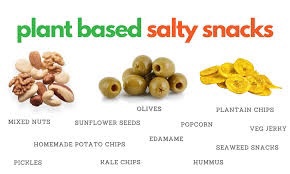
The 16 Healthiest Veggie-Infused Salty Snacks for Guilt-Free Munching
Snacking is an integral part of our modern lifestyle, but too often, it involves reaching for unhealthy options that are loaded with empty calories and unhealthy fats. However, there’s good news for those who crave salty snacks but want to maintain a healthy lifestyle. Incorporating vegetables into your favourite munchies can elevate their nutritional profile and provide you with essential vitamins, minerals, and fibre. In this blog post, we’ll explore the 16 healthiest veggie-infused salty snacks that will satisfy your cravings while nourishing your body.
Baked Zucchini Chips:
Thinly sliced zucchini, seasoned with a pinch of salt and baked until crisp, make for a delectable and healthier alternative to traditional potato chips.
Roasted Chickpeas:
Spice up canned chickpeas with your favourite seasonings and roast them in the oven for a crunchy, protein-packed snack that will keep you feeling full and satisfied.
Carrot Sticks with Hummus:
Carrots provide a satisfying crunch while hummus adds a creamy and flavourful element, creating a perfectly balanced and nutritious snack.
Seaweed Snacks:
Rich in minerals and low in calories, roasted seaweed snacks are a fantastic alternative to traditional potato chips, offering a unique umami flavour.
Kale Chips:
Kale, a powerhouse of nutrients, becomes a crispy and addictive treat when baked with a drizzle of olive oil and a sprinkle of sea salt.
Cucumber and Cottage Cheese:
Slice cucumbers into rounds and top them with a dollop of low-fat cottage cheese for a refreshing and protein-packed snack.
Edamame:
Boiled edamame sprinkled with a touch of sea salt is not only a delicious snack but also a great source of plant-based protein and fibre.
Beet Chips:
Beets’ natural sweetness shines through when they are thinly sliced and baked into chips, making them a vibrant and wholesome alternative to
Sweet Potato Fries:
Swap regular fries for sweet potato fries, and you’ll benefit from a higher content of fibre, vitamins, and antioxidants.
Bell Pepper Slices with Guacamole:
Colourful bell pepper slices dipped in guacamole create a nutrient-rich and satisfying snack that is full of flavour.
Snap Peas with Greek Yogurt Dip:
Snap peas are crunchy and delightful when paired with a creamy Greek yogurt dip, delivering a satisfying protein boost.
Jicama Sticks:
Jicama’s mild, refreshing taste and crisp texture make it an excellent choice for a guilt-free, hydrating snack.
Broccoli and Cheese Bites:
Steam broccoli florets and dip them in melted cheese for a savoury, nutrient-dense snack that won’t disappoint.
Baked Parmesan Tomatoes:
Halved cherry tomatoes sprinkled with grated parmesan cheese and baked create a mouthwatering snack that’s rich in vitamins and calcium.
Popcorn with Nutritional Yeast:
Sprinkle air-popped popcorn with nutritional yeast for a cheesy, savoury twist that’s much healthier than butter-laden alternatives.
Spinach and Feta Stuffed Mushrooms:
Portobello mushrooms filled with a mixture of spinach and feta cheese make for a delicious and nutritious bite-sized snack.
Indulging in salty snacks doesn’t have to mean compromising your health goals. By incorporating nutrient-packed vegetables into your munchies, you can enjoy delicious, guilt-free treats that provide essential vitamins, minerals, and fibre. Whether you’re craving something crunchy, savoury, or creamy, the 16 veggie-infused salty snacks mentioned above will keep your taste buds happy while nourishing your body. So, the next time you’re looking for a satisfying snack, skip the processed options and reach for one of these wholesome alternatives. Your body will thank you!
In recent years, the interest in plant-based diets has surged, driven by concerns about health, sustainability, and animal welfare. As a result, the demand for plant-based protein sources has also risen significantly. Whether you’re a vegan, vegetarian, or simply looking to reduce your meat consumption, understanding the world of plant-based protein can be vital for maintaining a balanced and nutritious diet. In this blog post, we will explore the best, the worst, and everything in between when it comes to plant-based protein sources.
The Best Plant-based Protein Sources
Legumes – Lentils, chickpeas, black beans, and peas are excellent sources of protein. They are also rich in fiber, iron, and various essential vitamins and minerals.
Soy – Soybeans and soy-based products like tofu and tempeh are complete proteins, meaning they contain all nine essential amino acids needed by the human body.
Quinoa – Often referred to as a “superfood,” quinoa is not only a good source of protein but also provides all the essential amino acids and is gluten-free.
Nuts and Seeds – Almonds, chia seeds, pumpkin seeds, and hemp seeds are packed with protein and healthy fats, making them a great addition to any plant-based diet.
Edamame – These young soybeans are a delicious and nutritious snack, offering a significant amount of protein per serving.
The Worst Plant-based Protein Sources
While most plant-based foods contain some amount of protein, certain sources may not be as high in protein content or may lack certain essential amino acids. These foods can still contribute to a balanced diet but should be complemented with other protein sources to meet daily protein requirements.
White Bread and Refined Grains – These foods are often low in protein and essential nutrients compared to their whole grain counterparts.
Fruits – While fruits provide many health benefits, they are not significant sources of protein.
Vegetables – While vegetables are crucial for a balanced diet, their protein content is generally lower compared to other plant-based sources.
Potato Chips and Snack Foods – These processed foods may be vegan-friendly, but they offer minimal nutritional value, including protein.
The Protein Powerhouses: Combining Plant-based Proteins
To maximise the nutritional benefits of a plant-based diet, it’s essential to combine various protein sources to ensure you get all the essential amino acids your body needs. This process is known as protein complementation. By mixing different protein-rich foods, you can create a complete protein profile that rivals that of animal-based sources.
For example, combining beans and rice, hummus with whole-grain pita, or peanut butter with whole-grain bread can create complete protein sources, ensuring that you receive all the necessary amino acids.
The Protein Myth: Plant-based Protein Is Incomplete
A common misconception about plant-based diets is that they lack complete proteins. While it’s true that some individual plant foods may not contain all nine essential amino acids, the body can efficiently use the amino acids from different sources when consumed throughout the day.
As long as you maintain a diverse and balanced diet, meeting protein needs on a plant-based diet is entirely achievable.
Plant-based protein offers a plethora of options for individuals looking to adopt a more sustainable, ethical, and health-conscious lifestyle. By incorporating a variety of legumes, soy-based products, grains, nuts, and seeds, you can easily meet your protein requirements while enjoying a delicious and diverse array of meals.
Remember, a well-planned plant-based diet can provide all the necessary nutrients your body needs to thrive.
Nature has provided us with a vast array of herbs and plants that have been utilised for centuries to support our health and well-being. One such herb that has gained significant attention in recent years is Ashwagandha, an adaptogenic herb deeply rooted in traditional Ayurvedic medicine. Renowned for its rejuvenating and restorative properties, Ashwagandha is now garnering recognition worldwide due to its numerous health benefits, supported by scientific research. In this article, we will delve into the compelling scientific evidence that sheds light on the remarkable health benefits of Ashwagandha.
Stress Reduction and Improved Mental Well-being In today’s fast-paced world, stress has become a common affliction. Ashwagandha has been widely studied for its stress-reducing properties. Research suggests that its active compounds, including withanolides, interact with the hypothalamic-pituitary-adrenal (HPA) axis, leading to a reduction in stress hormones like cortisol. By modulating the body’s stress response, Ashwagandha helps promote a sense of calmness and relaxation, alleviating anxiety and improving overall mental well-being.
Enhanced Cognitive Function and Memory Ashwagandha has also been found to positively impact cognitive function and memory. Studies have revealed its ability to support neuroprotection and boost antioxidant activity in the brain, combating oxidative stress and reducing the risk of neurodegenerative diseases. Furthermore, Ashwagandha has been associated with improved attention, information processing, and overall cognitive performance, making it a promising natural supplement for individuals seeking cognitive enhancement.
Immune System Support A robust immune system is vital for maintaining optimal health and protecting against various illnesses. Ashwagandha exhibits immunomodulatory effects, stimulating immune cells such as lymphocytes and macrophages, which play crucial roles in defending the body against pathogens. Additionally, research suggests that Ashwagandha possesses antimicrobial properties, making it a potential ally in fighting infections caused by bacteria, viruses, and fungi.
Anti-Inflammatory Properties Chronic inflammation has been linked to a wide range of health issues, including cardiovascular disease, arthritis, and autoimmune disorders. Ashwagandha contains bioactive compounds that possess potent anti-inflammatory properties. Studies have demonstrated its ability to inhibit the production of pro-inflammatory molecules, thereby reducing inflammation in the body. By modulating the immune response and dampening excessive inflammation, Ashwagandha holds promise as a natural approach to managing inflammatory conditions.
Hormonal Balance and Sexual Health Ashwagandha has long been utilised as an aphrodisiac and tonic for reproductive health in Ayurvedic medicine. Research supports its traditional use, revealing that Ashwagandha supplementation may enhance fertility in both men and women by improving sperm quality, testosterone levels, and semen parameters. Additionally, it has shown potential in reducing stress-related sexual dysfunction and improving sexual performance and satisfaction.
Ashwagandha, an ancient herb rooted in Ayurvedic medicine, has gained significant attention for its remarkable health benefits, backed by scientific research. From reducing stress and improving mental well-being to supporting immune function, cognitive health, and hormonal balance, Ashwagandha offers a multitude of advantages. As with any herbal supplement, it is essential to consult with a healthcare professional before incorporating Ashwagandha into your routine, especially if you have any underlying health conditions or are taking medications. Nevertheless, with its rich historical use and growing scientific evidence, Ashwagandha holds great promise as a natural and holistic approach to supporting overall health and well-being.



 Nourishing nutrition
 Holistic health
 Meditation & mindfulness
 lifestyle habits



 Inside Out Wellbeing