
Whether you’re a seasoned gym-goer, an athlete, or just beginning your wellness journey, understanding macronutrients can be a game changer for reaching your health goals.
If you’ve ever wondered how to break down your diet into protein, fats, and carbohydrates to maximise results, this guide will walk you through the process step by step.
Let’s get started.
Step 1: Understand Macronutrients
Before you start counting macros, it’s important to know what they are and why they matter.
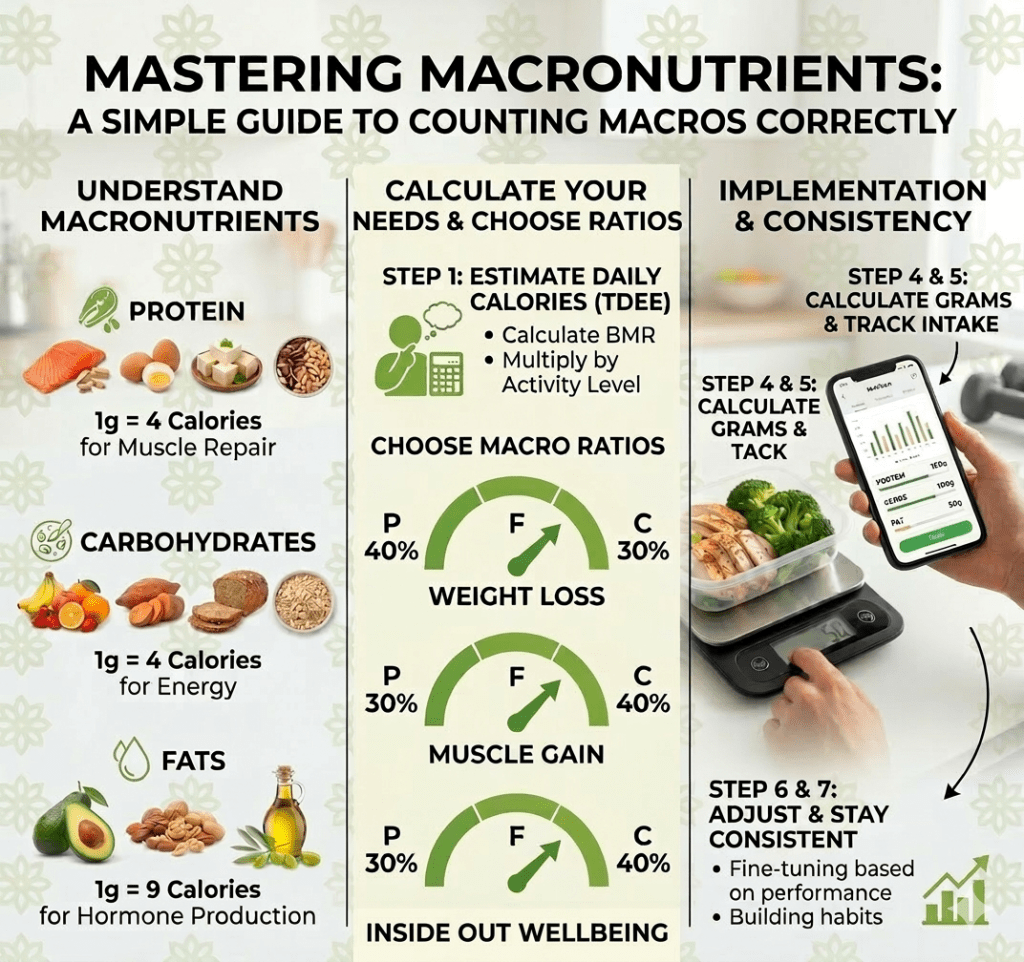
Protein
Protein is essential for muscle repair, growth, and overall body function.
1 gram of protein = 4 calories
Common sources include lean meats, fish, eggs, dairy, tofu, beans and legumes.
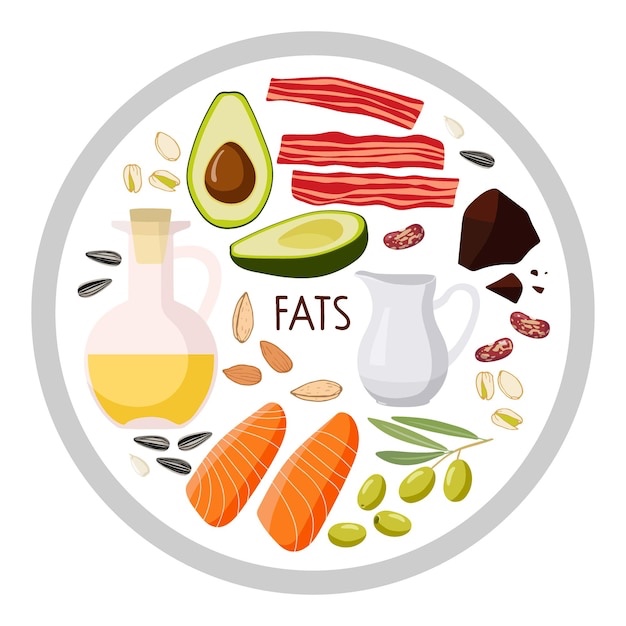
Fats
Healthy fats help with hormone production, brain health, and long-lasting energy.
1 gram of fat = 9 calories
Good sources include avocados, nuts, seeds, olive oil and fatty fish.
Carbohydrates
Carbohydrates are the body’s primary source of energy, especially for exercise and daily activity.
1 gram of carbohydrates = 4 calories
Healthy carbs include fruits, vegetables, whole grains and legumes.
Step 2: Calculate Your Daily Calorie Needs
To determine how many macros you should consume, you first need to estimate your daily calorie requirements.
This involves calculating your Basal Metabolic Rate (BMR) and Total Daily Energy Expenditure (TDEE).
1. Calculate Your BMR
BMR represents the calories your body needs to perform basic functions like breathing and circulation.
For men:
BMR = 88.362 + (13.397 × weight in kg) + (4.799 × height in cm) − (5.677 × age)
For women:
BMR = 447.593 + (9.247 × weight in kg) + (3.098 × height in cm) − (4.330 × age)
2. Calculate Your TDEE
Multiply your BMR by your activity level:
Activity Level Multiplier
Sedentary (little or no exercise) BMR × 1.2
Light activity (1–3 days/week) BMR × 1.375
Moderate activity (3–5 days/week) BMR × 1.55
Very active (6–7 days/week) BMR × 1.725
Extremely active (physical job/training twice daily) BMR × 1.9
Your TDEE gives you an estimate of how many calories you need each day.
Step 3: Choose Your Macronutrient Ratios
Your macro ratio depends on your health or fitness goal.
For Weight Loss
Protein: 40%
Fat: 30%
Carbohydrates: 30%
Higher protein helps maintain muscle and improves satiety.
For Muscle Gain
Protein: 30%
Fat: 30%
Carbohydrates: 40%
Extra carbs help fuel workouts and recovery.
For Maintenance
Protein: 30%
Fat: 30%
Carbohydrates: 40%
This balanced approach supports general health and energy levels.
Step 4: Convert Percentages into Grams
Once you know your daily calories and macro percentages, you can convert them into grams.
1. Calculate Calories per Macronutrient
Total Calories × Percentage
Example (2000 calories with 30% protein):
2000 × 0.30 = 600 calories from protein
2. Convert Calories into Grams
Use the calorie value of each macro:
Protein: Cal ÷ 4 Carbs: Calories ÷ 4
Fat: Calories ÷ 9
For example:
600 calories from protein ÷ 4 = 150g protein
Step 5: Track Your Food Intake
Tracking helps ensure you’re staying within your macro targets.
Use a Tracking App
Read Nutrition Labels
Check the macronutrient content per serving to track accurately.
Weigh Your Food
Using a kitchen scale ensures accurate portion sizes and macro tracking.
Step 6: Adjust and Fine-Tune
Your body is unique, so adjustments may be necessary.
Pay attention to:
Energy levels
Workout performance
Weight changes
Hunger levels
If your progress stalls, then tweak your calories or macro ratios accordingly.
Step 7: Stay Consistent
Consistency is the most important factor for long-term success.
Don’t worry about being perfect every day. Focus on building sustainable habits and finding a macro balance that works for your lifestyle.
Over time, tracking macros becomes easier and more intuitive.
Final Thoughts
Counting macronutrients might feel overwhelming at first, but with practice it becomes a powerful tool for improving your nutrition.
By understanding your calorie needs, choosing the right macro balance, and tracking your intake, you can fuel your body effectively and move closer to your health goals.
Remember: the goal isn’t perfection — it’s progress and consistency.
If you found this guide helpful, feel free to share it with friends and family who want to improve their nutrition. And if you have any tips or questions about macro tracking, drop them in the comments below!

 Inside Out Wellbeing