Unlocking the Secrets to Lowering Cholesterol: Expert Nutrition Coach

Cholesterol is a waxy substance found in our blood and plays a crucial role in maintaining our body’s overall health. However, high levels of cholesterol, especially the “bad” LDL cholesterol, can increase the risk of heart disease and other cardiovascular issues. Thankfully, through simple dietary changes and lifestyle modifications, we can take control of our cholesterol levels and promote a healthier heart.

In this blog, we will explore valuable insights from a registered dietitian on how to lower cholesterol effectively. By incorporating these expert tips into your daily routine, you can achieve better heart health and overall well-being.

Embrace a Heart-Healthy Diet:

The foundation of reducing cholesterol lies in adopting a heart-healthy diet. Focus on consuming foods that are rich in soluble fiber, such as oats, beans, lentils, fruits, and vegetables. Soluble fiber helps reduce LDL cholesterol by binding to it in the digestive system and facilitating its excretion from the body. Incorporate more sources of healthy fats, like those found in avocados, nuts, seeds, and olive oil. These unsaturated fats can help raise the levels of HDL cholesterol, the “good” cholesterol, which assists in removing LDL cholesterol from the bloodstream.

Limit Saturated and Trans Fats:

Saturated and trans fats are major contributors to elevated cholesterol levels. Reduce your intake of saturated fats found in red meat, full-fat dairy products, and tropical oils. Similarly, avoid trans fats often present in processed and fried foods, as they not only raise LDL cholesterol but also lower HDL cholesterol.

Opt for lean proteins like poultry, fish, and legumes while using healthier cooking methods, such as grilling, baking, or steaming.

Choose Smart Carbohydrates:

Selecting the right carbohydrates is crucial in managing cholesterol levels. Focus on whole grains like brown rice, quinoa, whole wheat, and oats, as they contain beneficial nutrients and dietary fiber that aid in cholesterol regulation.

Avoid refined carbohydrates like white bread, sugary snacks, and processed cereals, as they can lead to weight gain and negatively impact cholesterol levels.

Integrate Plant Sterols and Stanols:

Plant sterols and stanols are naturally occurring compounds found in plants that have been shown to lower LDL cholesterol. They work by blocking the absorption of cholesterol in the intestines, effectively reducing its levels in the blood.

Some foods are fortified with plant sterols and stanols, such as certain margarines and orange juice. However, it’s essential to consult with a registered dietitian or healthcare professional before incorporating these into your diet.

Stay Physically Active:

Regular exercise has numerous health benefits, including aiding in cholesterol management. Engaging in aerobic activities like walking, jogging, swimming, or cycling can help raise HDL cholesterol levels and lower LDL cholesterol.

Aim for at least 150 minutes of moderate-intensity exercise or 75 minutes of vigorous-intensity exercise per week, as recommended by health authorities.

Manage Your Weight:

Maintaining a healthy weight is vital for controlling cholesterol levels. Excess body fat, especially around the waistline, is associated with higher LDL cholesterol and triglyceride levels, as well as lower HDL cholesterol.

By adopting a balanced diet and regular exercise routine, you can shed excess weight and improve your cholesterol profile.

Unlocking the secrets to lowering cholesterol involves making conscious dietary and lifestyle choices. By embracing a heart-healthy diet, limiting unhealthy fats, choosing smart carbohydrates, and integrating plant sterols, along with regular exercise and weight management, you can effectively manage your cholesterol levels and promote better heart health.

Remember that individual responses to dietary changes may vary, so it’s essential to work closely with a qualified Nutrition coach or health professional to create a personalised plan that suits your specific needs and health goals. With dedication and perseverance, you can achieve a healthier cholesterol profile and a stronger heart for a longer, happier life.


The Most Effective Ayurvedic Remedies for Common Digestive Problems

Digestive issues can be a real hindrance to our overall well-being. From occasional indigestion to more chronic conditions like irritable bowel syndrome (IBS), these problems can significantly affect our quality of life. While modern medicine offers various solutions, Ayurveda, an ancient holistic healing system from India, provides time-tested remedies for common digestive problems. In this blog, we will explore some of the most effective Ayurvedic remedies that can help alleviate digestive issues and promote overall digestive health.

Triphala: The Three-Fruit Powerhouse

Triphala, a traditional Ayurvedic herbal formula, is one of the most popular remedies for digestive problems. It is a blend of three fruits: Amla (Indian Gooseberry), Haritaki (Chebulic Myrobalan), and Bibhitaki (Belleric Myrobalan). Triphala is known for its gentle laxative properties, which can help regulate bowel movements and cleanse the digestive system. It also aids in detoxification, improves digestion, and enhances nutrient absorption. To use Triphala, mix half a teaspoon of the powder with warm water and consume it before bedtime. Regular use can help maintain a healthy digestive system.

Ginger: Nature’s Digestive Aid

Ginger has been revered for centuries as a potent remedy for digestive issues. Its active compounds, gingerol, and shogaol, help stimulate saliva, bile, and gastric enzymes, which aid in the digestion process. Ginger also has anti-inflammatory properties that can reduce inflammation in the digestive tract. You can consume ginger in various forms, such as ginger tea, fresh ginger juice, or simply chewing on small pieces of raw ginger before meals. This will not only improve digestion but also relieve symptoms like bloating and gas.

Ajwain (Carom Seeds): A Quick Fix for Indigestion

Ajwain, commonly known as carom seeds, is a popular spice used in Indian cuisine and Ayurvedic remedies. Its powerful carminative properties help ease indigestion, gas, and bloating. Ajwain seeds also have antacid properties that can provide relief from acidity and heartburn. To use ajwain, dry-roast the seeds slightly and chew a small amount after meals. Alternatively, you can boil a teaspoon of ajwain seeds in a glass of water, strain, and drink the infused water for quick relief.

Aloe Vera: Soothing the Digestive Tract

Aloe vera, well-known for its skin-healing properties, also benefits the digestive system. It contains enzymes that aid in the breakdown of food and promote better nutrient absorption. Aloe vera also has a soothing effect on the stomach lining, making it helpful for conditions like gastritis and acid reflux. To harness its benefits, drink aloe vera juice (free of aloin) or gel before meals. However, pregnant women and those with specific medical conditions should consult a healthcare professional before using aloe vera internally.

Trikatu: The Ayurvedic Digestive Spice Blend

Trikatu is a blend of three potent spices – black pepper, long pepper, and ginger. This combination creates a powerful digestive stimulant that boosts metabolism and improves digestion. Trikatu helps increase gastric secretions and reduces bloating, making it an effective remedy for sluggish digestion. You can consume Trikatu in powdered form by mixing equal parts of black pepper, long pepper, and dried ginger. Take half a teaspoon with warm water or honey before meals for best results.

Ayurveda offers a treasure trove of natural remedies for common digestive problems. By incorporating these Ayurvedic remedies into your daily routine,

7 of the Most Powerful Herbs and Spices that Help You Fight Better

Nature has bestowed upon us an incredible array of herbs and spices, each brimming with unique properties that can significantly enhance our well-being. Beyond their culinary delights, many of these natural wonders contain potent compounds that can fortify our bodies and minds, empowering us to fight better in our daily battles against stress, illness, and fatigue. In this blog, we will explore seven of the most powerful herbs and spices that can bolster our resilience and overall health, enabling us to face life’s challenges with visor and vitality.

Turmeric – The Golden Wonder:

Turmeric, often referred to as the “Golden Spice of India,” is renowned for its active compound, curcumin. With powerful anti-inflammatory and antioxidant properties, curcumin aids in combating inflammation and oxidative stress, both of which are key contributors to various chronic diseases. Incorporating turmeric into your diet can help bolster your immune system, improve brain function, and support joint health, making it a valuable ally in your fight for better health.

Ashwagandha – The Adaptogen Champion:

Ashwagandha, an ancient Ayurvedic herb, is classified as an adaptogen, meaning it helps the body adapt to stress and maintain balance. It can reduce cortisol levels, which are associated with stress, and promote relaxation. Additionally, ashwagandha has been linked to improved stamina, enhanced cognitive function, and increased energy levels, making it an ideal companion in the quest for improved resilience.

Garlic – The Ailment Annihilator:

Garlic has been revered for centuries for its potential to bolster the immune system. Packed with allicin, a compound with potent antimicrobial and antiviral properties, garlic can help fend off infections and strengthen your body’s defences. Regular consumption of garlic may also support heart health by reducing cholesterol levels and regulating blood pressure, making it a vital fighter in the battle against cardiovascular issues.

Cinnamon – The Sweet Spice Warrior:

This fragrant spice not only enhances the taste of dishes but also offers numerous health benefits. Cinnamon contains powerful antioxidants that combat inflammation and promote overall well-being. Additionally, it has been shown to help regulate blood sugar levels, making it a valuable asset in the fight against diabetes and metabolic disorders.

Ginseng – The Vitality Enhancer:

Ginseng, a revered herb in traditional Chinese medicine, is well-known for its ability to boost energy levels and improve stamina. It helps the body handle physical and mental stress more effectively and may even enhance cognitive function. Regular consumption of ginseng can support the immune system, increase resilience, and improve overall vitality.

Ginger – The Zesty Defender:

Ginger is not just a spice that adds zest to your meals; it’s also a powerful fighter against inflammation and nausea. Its bioactive compounds, gingerols, have antioxidant and anti-inflammatory effects that can contribute to better joint health and alleviate muscle soreness after physical activity. Moreover, ginger can aid in digestion and improve gut health, providing a robust defence against gastrointestinal issues.

Holy Basil – The Stress Buster:

Also known as Tulsi, Holy Basil is revered for its adaptogenic properties, helping the body cope with stress and anxiety. This herb supports the adrenal glands, which are responsible for managing stress hormones. By incorporating Holy Basil into your daily routine, you can promote emotional well-being, mental clarity, and a stronger immune system.

Nature’s bountiful offering of herbs and spices provides us with powerful allies in our quest for better health and resilience. Incorporating turmeric, ashwagandha, garlic, cinnamon, ginseng, ginger, and holy basil into our diets can significantly enhance our body and health.

10 Tips for Joyful, Balanced Eating from an Ayurvedic Kitchen

n a world where fad diets and quick-fix solutions abound, Ayurveda stands out as a holistic and time-tested approach to achieving balance and wellness through food. Ayurvedic principles are rooted in ancient Indian wisdom and focus on nourishing both the body and mind. By adopting Ayurvedic practices in your kitchen, you can cultivate a deeper connection with your body, savor the joy of eating, and achieve a harmonious balance between nutrition and well-being. In this blog, we’ll explore 10 essential tips from an Ayurvedic perspective to make your eating experience joyful and balanced.

Embrace Mindful Eating:

In Ayurveda, eating is not just about filling the stomach; it is a sacred ritual that demands attention and mindfulness. Sit down to eat without distractions, savor each bite, and appreciate the flavours, textures, and aromas of your meal. Chew your food thoroughly, as proper digestion begins in the mouth. Mindful eating allows you to connect with your body’s signals, leading to improved digestion and a more satisfying culinary experience.

Follow the Rhythms of Nature:

Ayurveda emphasises aligning our eating patterns with the natural rhythms of the day. Consume your main meals when the sun is at its peak, as this is when your digestive fire (agni) is strongest. Avoid heavy meals during the evening when your digestive capacity is naturally lower. Listening to your body’s internal clock helps optimise digestion and energy levels.

Respect Your Dosha:

According to Ayurveda, each individual has a unique constitution, or dosha, which influences their physical and emotional characteristics. The three doshas are Vata (air and space), Pitta (fire and water), and Kapha (earth and water). Understanding your dominant dosha can guide your dietary choices to maintain balance. For example, Vata types benefit from warming and grounding foods, while Pitta individuals thrive on cooling and hydrating foods.

Prioritise Fresh, Seasonal Foods:

Ayurveda advocates for consuming fresh, seasonal, and locally sourced foods. These foods contain the vital life force (prana) and align with the changing needs of our bodies throughout the year. Seasonal foods are also easier to digest and provide the essential nutrients required to maintain balance in specific weather conditions.

Include the Six Tastes:

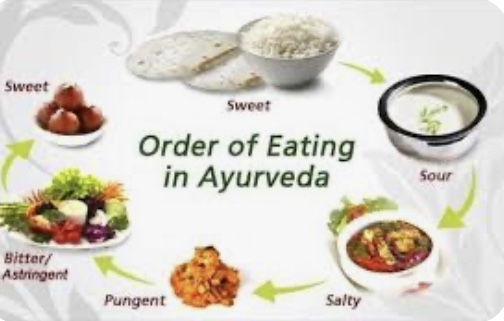
Ayurveda categorises food into six tastes: sweet, sour, salty, bitter, pungent, and astringent. Each taste corresponds to different elements and has specific effects on the body and mind. To ensure a well-rounded diet, include a variety of tastes in your meals. For example, bitter foods detoxify the body, while sweet foods nourish and promote a sense of satisfaction.

Spice Up Your Life:

Herbs and spices play a significant role in Ayurvedic cooking, not just for enhancing flavours but also for their therapeutic properties. Turmeric, cumin, coriander, ginger, and cinnamon are among the many spices used in Ayurvedic recipes. Spices aid digestion, boost metabolism, and offer a myriad of health benefits. Experiment with different spice blends to create dishes tailored to your dosha and seasonal needs.

Say No to Ice-Cold Beverages:

In Ayurveda, ice-cold beverages are considered detrimental to digestion as they dampen the digestive fire. Opt for warm or room temperature water instead, as it aids digestion and keeps your body in balance. Herbal teas, infused water, or warm spiced milk are great options to stay hydrated without compromising your agni.

Mind the Quantity:

Ayurveda advises against overeating, as it can overwhelm the digestive system and lead to imbalances. Instead of filling your plate to the brim, aim to eat until you are about 75% full. This practice allows your body to focus on proper digestion and assimilation of nutrients.

Practice Food Combining:

Proper food combining is a fundamental aspect of Ayurvedic eating. Different foods digest at different rates and require distinct digestive enzymes. To support optimal digestion, avoid combining foods with conflicting qualities. For example, avoid consuming fruits with other foods or mixing milk with sour or salty items.

End with Gratitude:

In the Ayurvedic tradition, expressing gratitude for the food you receive is essential. Before and after each meal, take a moment to acknowledge the effort that went into growing, preparing, and serving your food. Cultivating a sense of gratitude can elevate your eating experience and promote a harmonious relationship with your body and the world around you.

Ayurveda teaches us that eating is not solely about fuelling our bodies but an opportunity to nourish our entire being. By incorporating these Ayurvedic principles into your kitchen and dining routine, you can embark on a journey of joyful, balanced eating. Embrace mindfulness, honour your dosha, and choose wholesome, seasonal foods to support your well-being and foster a deeper connection with the food you consume. By adopting these ten tips, you can not only improve your digestion and energy levels but also foster a profound sense of joy and gratitude for the nourishment that sustains you. Happy and balanced eating!

Herbs and Spices That Fight Inflammation

Inflammation is a natural response of the body to injury or infection. However, when inflammation becomes chronic, it can contribute to various health issues such as arthritis, heart disease, and even cancer. While there are medications available to manage inflammation, incorporating herbs and spices into your diet can provide a natural and flavourful way to combat inflammation. In this article, we will explore nine herbs and spices that have been scientifically shown to possess powerful anti-inflammatory properties.

  1. Turmeric is a vibrant yellow spice commonly used in Indian and Asian cuisines. Curcumin, its active compound, has been extensively studied for its potent anti-inflammatory effects. Turmeric helps to reduce inflammation by inhibiting the activity of inflammatory enzymes and molecules in the body. Incorporating turmeric into your diet is as simple as adding it to curries, stir-fries, smoothies, or even golden milk.
  2. Ginger: is well-known for its ability to soothe digestive issues, but it also possesses strong anti-inflammatory properties. Ginger, the primary bioactive compound in ginger, has been shown to reduce inflammation by inhibiting certain inflammatory pathways in the body. You can enjoy ginger by adding it to teas, stir-fries, soups, or even grated into salad dressings.
  3. Cinnamon not only adds warmth and flavour to dishes but also possesses anti-inflammatory properties. It contains compounds such as cinnamaldehyde, which has been shown to reduce inflammation and lower the risk of chronic diseases. Sprinkle cinnamon on oatmeal, yogurt, or include it in baked goods to enjoy its health benefits.
  4. Garlic: is a staple in many culinary traditions and has been used for centuries for its medicinal properties. It contains sulphur compounds, such as allicin, which have been found to possess anti-inflammatory and antioxidant effects. Adding garlic to your dishes not only enhances their flavour but also boosts their anti-inflammatory potential.
  5. Rosemary is an aromatic herb that not only adds delightful flavour to dishes but also offers anti-inflammatory benefits. It contains rosmarinic acid, a compound known for its anti-inflammatory properties. Incorporate rosemary into your cooking by using it as a seasoning for roasted vegetables, grilled meats, or homemade salad dressings.
  6. Basil: a popular herb in Mediterranean cuisine, is not only fragrant but also possesses anti-inflammatory properties. Its essential oils, such as eugenol, have been shown to inhibit inflammation in the body. Fresh basil leaves can be added to pasta dishes, soups, salads, or used to make pesto sauce.
  7. Cloves: are dried flower buds with a strong, aromatic flavour. They are rich in compounds like eugenol and flavonoids, which possess anti-inflammatory properties. Ground cloves can be added to spice blends, baked goods, or used to infuse flavour into beverages like chai tea.
  8. Sage is an herb that has been used for centuries due to its medicinal properties. It contains rosmarinic acid and other compounds that possess anti-inflammatory and antioxidant effects. Sage can be added to savoury dishes, used as a flavouring for roasted meats, or brewed into a refreshing tea.
  9. Oregano is a popular herb in Mediterranean and Mexican cuisines, known for its robust flavour. It contains compounds like rosmarinic acid and carvacrol, which have been shown to possess anti-inflammatory properties. Sprinkle dried oregano onto pizzas, pasta sauces, or roasted vegetables to enjoy its flavour and anti-inflammatory benefits.

Nature provides us with a vast array of herbs and spices that not only enhance the taste of our meals but also possess remarkable anti-inflammatory properties. Incorporating these herbs and spices into your diet can help combat chronic inflammation and contribute to overall health and well-being. So, spice up your meals with these flavourful additions and embrace the natural power of herbs and spices to fight inflammation and promote a healthier life.

Health Benefits of Ashwagandha:

Nature has provided us with a vast array of herbs and plants that have been utilised for centuries to support our health and well-being. One such herb that has gained significant attention in recent years is Ashwagandha, an adaptogenic herb deeply rooted in traditional Ayurvedic medicine. Renowned for its rejuvenating and restorative properties, Ashwagandha is now garnering recognition worldwide due to its numerous health benefits, supported by scientific research. In this article, we will delve into the compelling scientific evidence that sheds light on the remarkable health benefits of Ashwagandha.

Stress Reduction and Improved Mental Well-being
In today’s fast-paced world, stress has become a common affliction. Ashwagandha has been widely studied for its stress-reducing properties. Research suggests that its active compounds, including withanolides, interact with the hypothalamic-pituitary-adrenal (HPA) axis, leading to a reduction in stress hormones like cortisol. By modulating the body’s stress response, Ashwagandha helps promote a sense of calmness and relaxation, alleviating anxiety and improving overall mental well-being.

Enhanced Cognitive Function and Memory
Ashwagandha has also been found to positively impact cognitive function and memory. Studies have revealed its ability to support neuroprotection and boost antioxidant activity in the brain, combating oxidative stress and reducing the risk of neurodegenerative diseases. Furthermore, Ashwagandha has been associated with improved attention, information processing, and overall cognitive performance, making it a promising natural supplement for individuals seeking cognitive enhancement.

Immune System Support
A robust immune system is vital for maintaining optimal health and protecting against various illnesses. Ashwagandha exhibits immunomodulatory effects, stimulating immune cells such as lymphocytes and macrophages, which play crucial roles in defending the body against pathogens. Additionally, research suggests that Ashwagandha possesses antimicrobial properties, making it a potential ally in fighting infections caused by bacteria, viruses, and fungi.

Anti-Inflammatory Properties
Chronic inflammation has been linked to a wide range of health issues, including cardiovascular disease, arthritis, and autoimmune disorders. Ashwagandha contains bioactive compounds that possess potent anti-inflammatory properties. Studies have demonstrated its ability to inhibit the production of pro-inflammatory molecules, thereby reducing inflammation in the body. By modulating the immune response and dampening excessive inflammation, Ashwagandha holds promise as a natural approach to managing inflammatory conditions.

Hormonal Balance and Sexual Health
Ashwagandha has long been utilised as an aphrodisiac and tonic for reproductive health in Ayurvedic medicine. Research supports its traditional use, revealing that Ashwagandha supplementation may enhance fertility in both men and women by improving sperm quality, testosterone levels, and semen parameters. Additionally, it has shown potential in reducing stress-related sexual dysfunction and improving sexual performance and satisfaction.

Ashwagandha, an ancient herb rooted in Ayurvedic medicine, has gained significant attention for its remarkable health benefits, backed by scientific research. From reducing stress and improving mental well-being to supporting immune function, cognitive health, and hormonal balance, Ashwagandha offers a multitude of advantages. As with any herbal supplement, it is essential to consult with a healthcare professional before incorporating Ashwagandha into your routine, especially if you have any underlying health conditions or are taking medications. Nevertheless, with its rich historical use and growing scientific evidence, Ashwagandha holds great promise as a natural and holistic approach to supporting overall health and well-being.

Ghee/ healthier then butty?

In recent years, there has been a growing interest in ghee as a potential alternative to butter. Originating in ancient India, ghee has gained popularity in various cuisines around the world. With its rich aroma and distinct flavour, ghee has become a staple ingredient in many households. But how does it compare to butter in terms of health benefits? In this article, we will explore the nutritional profile of ghee and butter to determine if ghee can be considered a healthier option.

Understanding Ghee and Butter
Ghee and butter both originate from milk, but they undergo different preparation processes. Butter is made by churning cream or milk until the fat separates from the liquid, resulting in a semi-solid product. Ghee, on the other hand, is clarified butter. It involves simmering butter until the water content evaporates, leaving behind only the pure butterfat.

Nutritional Comparison

When it comes to comparing the nutritional content of ghee and butter, it’s important to note that they are both high in saturated fat. However, ghee has some distinct advantages:

  1. Lactose and Casein-Free: During the clarification process, the milk solids and water in butter are removed, which means that ghee is virtually lactose and casein-free. This makes it a suitable option for individuals with lactose intolerance or dairy allergies.
  2. Rich in Fat-Soluble Vitamins: Ghee contains significant amounts of fat-soluble vitamins such as vitamins A, D, E, and K. These vitamins play essential roles in various bodily functions, including vision, bone health, and immune system support.
  3. Higher Smoke Point: Ghee has a higher smoke point compared to butter, which means it can be heated to higher temperatures without breaking down and producing harmful compounds. This makes ghee more suitable for cooking methods that require high heat, such as frying and sautéing.
  4. Rich in Conjugated Linoleum Acid (CLA): Ghee contains higher levels of conjugated linoleum acid (CLA) compared to butter. CLA is a type of fatty acid that has been associated with potential health benefits, including anti-inflammatory and anti-cancer properties.

On the other hand, butter has a slightly different nutritional profile:

  1. Rich in Omega-3 Fatty Acids: Butter sourced from grass-fed cows is a good source of omega-3 fatty acids, which are beneficial for heart health and brain function.
  2. Contains Butyrate: Butter contains butyrate, a short-chain fatty acid that has been linked to improved gut health and reduced inflammation.

Moderation and Individual Needs
While ghee offers certain advantages over butter, it’s important to remember that both ghee and butter are calorie-dense and high in saturated fat. Therefore, moderation is key when consuming these fats. It’s recommended to limit overall saturated fat intake to maintain a healthy diet and reduce the risk of cardiovascular diseases.
It’s also important to consider individual dietary needs and preferences. For individuals who are lactose intolerant or have dairy allergies, ghee may be a suitable alternative. However, those seeking a source of omega-3 fatty acids or butyrate may prefer grass-fed butter.

Ghee and butter each have their own unique qualities and nutritional profiles. While ghee is lactose and casein-free, rich in fat-soluble vitamins, and has a higher smoke point, butter provides omega-3 fatty acids and butyrate. Both options should be consumed in moderation due to their high saturated fat content.
Ultimately, the choice between ghee and butter comes down to personal preference and dietary needs. It’s always advisable to consult with a healthcare professional or registered dietitian to determine the best option for your individual circumstances.

Benefits of Bee Propolis.

Exploring the Natural Wonder: Propolis – Nature’s Healing Secret

Nature has always amazed us with its vast array of medicinal treasures, and one such marvel is propolis. Often referred to as “nature’s antibiotic,” propolis is a resinous substance created by honeybees by collecting resin from trees and combining it with beeswax and enzymes. This extraordinary compound possesses numerous health benefits and has been used for centuries in traditional medicine. Join us as we delve into the world of propolis and uncover its incredible properties. 

Origins and Composition

Derived from the Greek words’ “pro” (meaning “in defence of”) and “polis” (meaning “city”), propolis is aptly named as it serves as a protective shield within the beehive. Bees collect resin from various plant sources, such as tree buds, sap flows, and botanical exudates, to create propolis. Common sources include poplar, birch, and conifer trees. The composition of propolis can vary depending on the geographic location and the plant sources available to the bees. However, it typically contains a rich mixture of polyphenols, flavonoids, essential oils, vitamins, minerals, amino acids, and enzymes. This diverse combination is what gives propolis its potent medicinal properties.

Health Benefits

Immune-Boosting Properties: Propolis is renowned for its immunomodulatory effects, meaning it helps regulate and strengthen the immune system. Its various components, such as flavonoids and polyphenols, possess antioxidant and anti-inflammatory properties, which can help protect the body against infections and diseases.

Antimicrobial and Antibacterial Action: Propolis has shown impressive antimicrobial and antibacterial properties. It exhibits broad-spectrum activity against various pathogens, including bacteria, viruses, fungi, and parasites. This natural defence mechanism of the bees helps to maintain the hygiene and integrity of the hive.

Wound Healing Abilities: Due to its antimicrobial properties and the presence of bioactive compounds, propolis has been used to promote wound healing for centuries. It can accelerate tissue regeneration, reduce inflammation, and protect against infection, making it a valuable natural remedy for minor cuts, burns, and skin irritations. 

Oral Health Benefits: Propolis is commonly utilized in oral care products due to its potent antibacterial and anti-inflammatory properties. It can help combat dental plaque, gum diseases, and oral infections. Some studies suggest that propolis may even aid in the prevention of cavities and promote overall oral health.

Antioxidant Potential: The high concentration of antioxidants in propolis helps neutralize harmful free radicals in the body, reducing oxidative stress and potential damage to cells. This antioxidant activity contributes to its anti-aging effects and its potential protective role against chronic diseases.

How to use propolis 

Propolis is available in various forms, including tinctures, capsules, creams, and lozenges. It can also be found as an ingredient in natural health products, toothpaste, and mouthwashes. When using propolis, it is essential to follow the recommended dosage and instructions provided by the manufacturer or consult a healthcare professional for guidance.

Propolis is truly a gift from nature, showcasing its remarkable healing powers through the diligent work of honeybees. With its immune-boosting, antimicrobial, wound-healing, and antioxidant properties, propolis has rightfully earned its place as a valuable natural remedy. While propolis has been used for centuries in traditional medicine, it is essential to consult healthcare professionals for personalized advice and guidance on incorporating propolis into your wellness routine.

As we continue to explore the world of natural remedies, let us not forget the humble bees and their exceptional creation, propolis—an extraordinary substance that continues to captivate.

Side effects of Pre-workout supplements

re-workout supplements are popular among individuals looking to enhance their performance and energy levels during exercise. While they can provide benefits, it’s important to be aware of potential side effects. Here are five possible side effects of pre-workout supplements:

  1. Insomnia and Sleep Disturbances: Many pre-workout supplements contain stimulants like caffeine or other energy-boosting ingredients. These substances can interfere with your sleep patterns, leading to insomnia or disrupted sleep. It’s recommended to avoid consuming pre-workout supplements too close to bedtime to minimize sleep disturbances.
  2. Increased Heart Rate and Blood Pressure: Stimulants present in pre-workout supplements can cause an increase in heart rate and blood pressure. While this effect can provide a temporary energy boost during exercise, it may pose risks for individuals with underlying heart conditions or hypertension. It’s crucial to consult with a healthcare professional if you have any cardiovascular concerns.
  3. Gastrointestinal Issues: Some individuals may experience digestive problems after taking pre-workout supplements. Ingredients like creatine, beta-alanine, or high doses of caffeine can cause stomach discomfort, diarrhea, or nausea. These side effects can vary from person to person, and it’s advisable to start with a lower dosage to assess your tolerance.
  4. Dehydration: Pre-workout supplements may contain diuretic ingredients or caffeine, which can contribute to increased urine production and fluid loss. This can potentially lead to dehydration, especially if you’re engaged in intense physical activity without adequately replacing lost fluids. It’s essential to stay hydrated by drinking plenty of water when using pre-workout supplements.
  5. Dependency and Tolerance: Regular use of pre-workout supplements can lead to dependency and tolerance over time. Your body may become accustomed to the stimulants, and you might need higher doses to experience the same effects. This can lead to a cycle of reliance on these supplements and potential withdrawal symptoms when discontinuing their use. It’s advisable to use pre-workout supplements in moderation and take breaks to avoid dependency.

Remember, individual experiences with pre-workout supplements can vary, and not everyone will experience these side effects. It’s crucial to read product labels, follow recommended dosages, and consult with a healthcare professional before incorporating any new supplements into your routine, especially if you have underlying health conditions.

Pea Protein Powder: Nutrition, Benefits, and Side Effects

Protein powders have gained immense popularity in the health and fitness industry as a convenient and effective way to supplement one’s daily protein intake. Among the various protein powder options available, pea protein powder has emerged as a popular choice for many individuals, particularly those following plant-based or vegetarian diets. In this blog post, we will explore the nutrition, benefits, and potential side effects of pea protein powder.

Nutrition Profile of Pea Protein Powder:

Pea protein powder is derived from yellow peas, also known as Pisum sativum, and is produced by drying and grinding the peas into a fine powder. It offers an excellent nutritional profile, making it a viable alternative to other protein sources. Here are some key nutritional aspects of pea protein powder:

Protein Content: Pea protein powder is known for its high protein content. It typically contains around 20 to 25 grams of protein per serving, making it a suitable choice for individuals looking to increase their protein intake.

Essential Amino Acids: Pea protein powder is rich in essential amino acids, which are the building blocks of protein. It contains all nine essential amino acids, including lysine, isoleucine, leucine, valine, methionine, phenylalanine, threonine, histidine, and tryptophan.

Low in Carbohydrates and Fat: Pea protein powder is relatively low in carbohydrates and fat, making it a favourable option for those watching their macronutrient intake.

Benefits of Pea Protein Powder:

  1. Muscle Building and Recovery: Pea protein powder is an excellent choice for individuals engaged in strength training or physical activity that requires muscle repair and recovery. Its rich amino acid profile, especially the branched-chain amino acids (BCAAs), supports muscle protein synthesis, aiding in muscle growth and repair.
  2. Plant-Based and Vegan-Friendly: Pea protein powder is a valuable resource for individuals following a plant-based or vegan lifestyle. It offers a sustainable and cruelty-free protein source, allowing them to meet their daily protein requirements without relying on animal-based products.
  3. Digestive Health: Unlike other protein powders like whey, pea protein powder is lactose-free and easier to digest. It is a suitable option for individuals with lactose intolerance or sensitive digestive systems.
  4. Satiety and Weight Management: Protein is known to promote feelings of fullness and reduce appetite. Incorporating pea protein powder into meals or snacks can help control hunger and aid in weight management goals.

Potential Side Effects and Considerations:

While pea protein powder is generally safe for consumption, individuals should be aware of potential side effects and take necessary precautions:

  1. Allergies: Pea protein is derived from legumes, and individuals with legume allergies may experience adverse reactions. It is important to consult with a healthcare professional before incorporating pea protein powder if you have known allergies or sensitivities.
  2. Digestive Sensitivity: Some individuals may experience digestive issues, such as bloating, gas, or stomach discomfort, when consuming pea protein powder. Adjusting the serving size or trying different brands may help alleviate these symptoms.
  3. Heavy Metals: As with any plant-based protein powder, there is a potential risk of heavy metal contamination. It is advisable to choose pea protein powder from reputable brands that undergo thorough testing for purity and safety.

Pea protein powder offers a valuable plant-based protein source with numerous nutritional benefits. With its high protein content, essential amino acids, and suitability for various dietary needs, it has become a popular choice among fitness enthusiasts and individuals following plant-based diets. However, it is crucial to be mindful of potential allergies, digestive sensitivities, and the quality of