These are signs of a poor gut health – acidity, abnormal stomach acid, H.pylori,, recurring bloating, and constipation
Below are some tips on what messes our gut health and how to improve gut health with sfood and lifestyle changes.
What messes up your gut health?
👉 Having a diet of Junk and processed foods.
👉 Living a Sedentary lifestyle.
👉 Chronic emotional stress.
👉 Sleep deprivation.
👉 Self-medicating yourself
👉 Overdosing & taking antibiotics without probiotics or vitamin B complex.
How to heal your gut.
👉 Eat a rainbow of fruit & veg.
👉 Cut down on refind sugars.
👉 Inculde more Whole grains into your diet.
👉 Don’t do to fat diets for extreme lose weight.
Other gut-friendly foods
✅ unsalted nuts (almonds and pistachios are best)
✅ Yogurt is an natural probiotic to populate your gut.
✅ Mushrooms are rich in beta-glucan and excellent for the gut.
✅ Over night soaked oats are the best, they are an excellent sources of beta-glucan and high in fibre that promotes gut health and keeps fuller for a longer time.
✅ Lean protein is an excellent source for someone that has poor gut health. like chicken, fish.
✅ For severe gut problems, following a plant-based diet for a month will reduce inflammation, repair thr gut and then slowly
✅ Triphala is more then a lexative. It is amazing for the gut while allowing to pass motions easily.
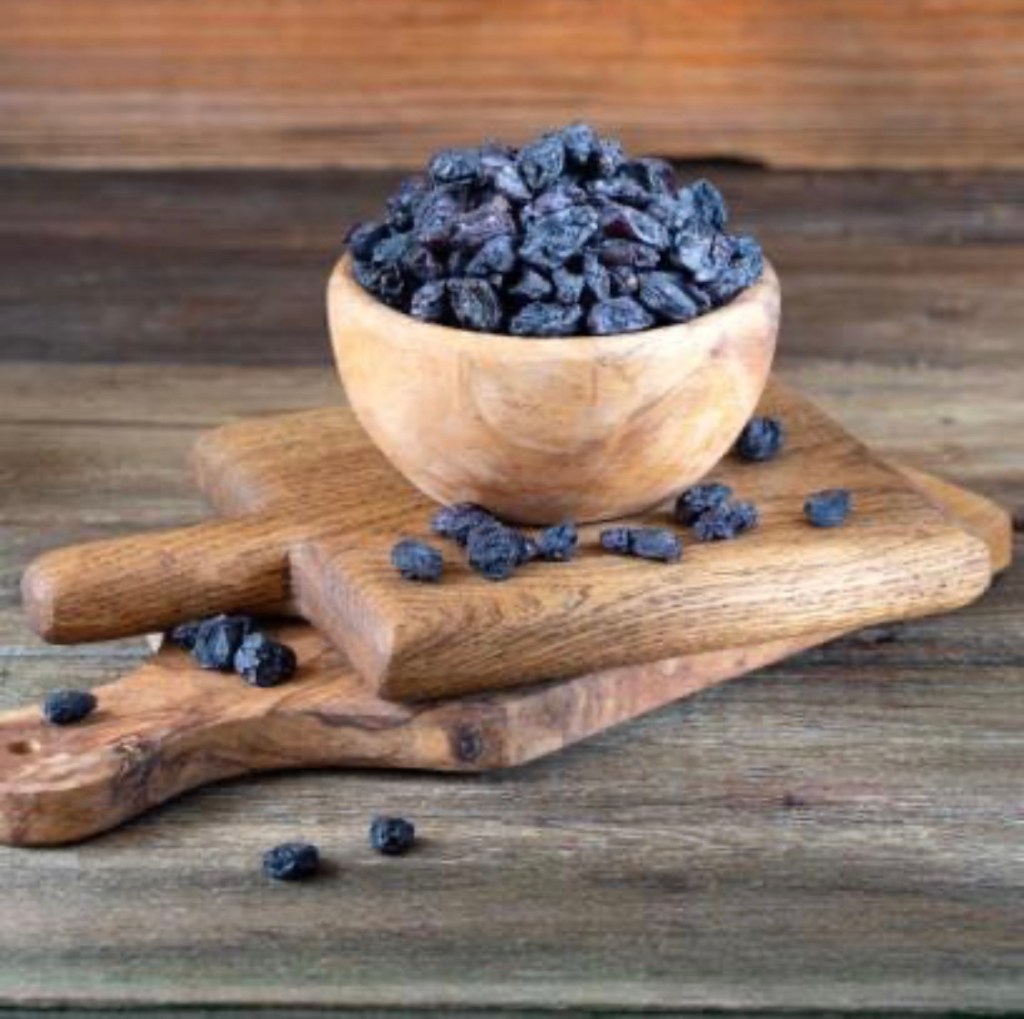
Learn how eating 11 overnight soaked black raisins daily can heal the body naturally from the insideout.
All you have to do is soak 11 black raisins overnight. In the morning eat the soaked raisins on an empty stomach.
By soaking dried black raisins, it enhances the bioavailability of the raisins nutrients and antioxidants. This allows the bobdy to absorb the better.
Health benefits of eating Overnight soaked raisins:
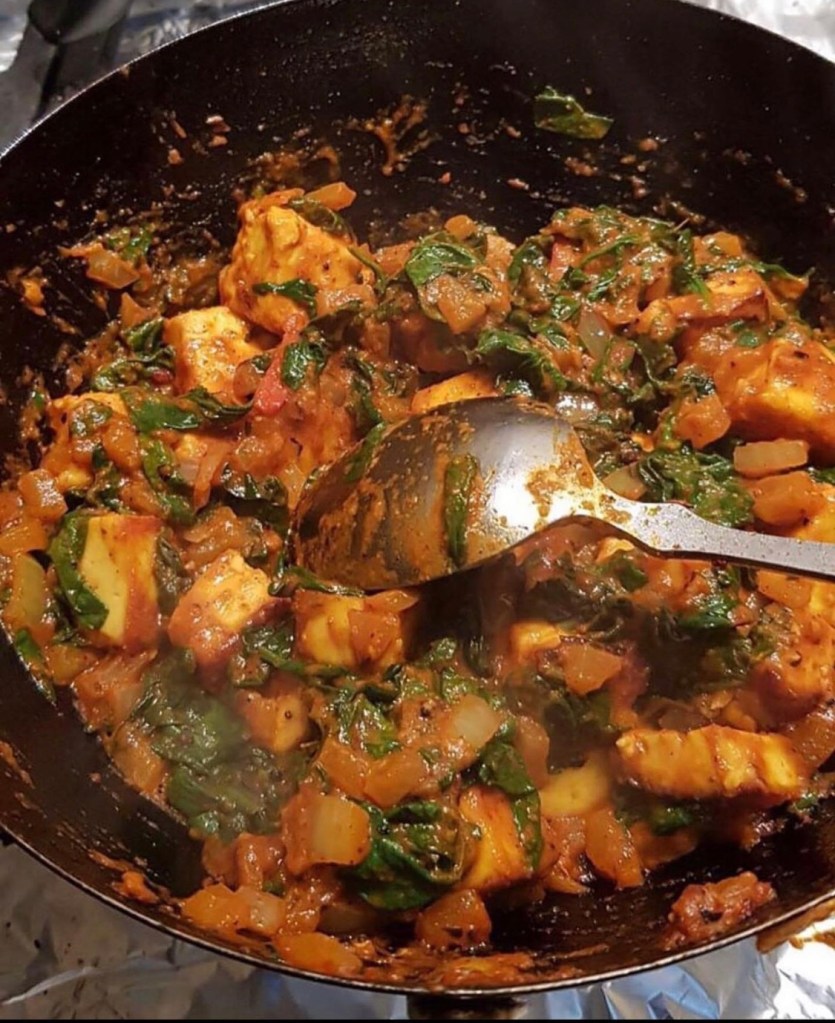
Sagg paneer/ sagg tofu is very popular in northern India and originates from the Migdalia cuisine.
Saag tofu is my healthy variation of saag paneer. This is a healthier, low fat version, but Still delicious and full of taste. I prefer to use tofu instead of paneer when making this curry, as tofu contains last calories and fat then paneer. If you prefer to use paneer, please do so.
Tofu paneer is really easy to make, it takes me about 25 minutes to make. It’s a really simple but tasty curry to make, as it only needs a few ingredients. Sagg Tofu is best served with rice, chapati or naan bread.
Ingredients
6 ounces of tofu & cut it into 1 inch cubes
1 bag of spinach chopped up.
2 tbs olive oil
Tomato puree
1 tsp ground turmeric
1 tsp ground cumin
1 tsb garam masala
1tsp ground coriander
2 tsp salt
1 medium onion chopped
2 garlic cloves (mashed)
1 tsb of fresh mashed ginger
1 cup low-fat plain yogurt
Instructions
• In a large pan, heat the oil and add in the onion and tofu.
• Let it cook for 10mins on a medium heat (the onion should be soft and brown and tofu golden brown.)
• Now add in the the spices garlic, salt and ginger. Let it cook for 2-3mins till the spices mix together.
• Now add in the tomato puree & chopped spinach.
• Mix it well and let it cook for a further 5-7 mins.
• Lower the heat, stir through the yoghurt.
• Now remove from the heat & garish with fresh coriander.
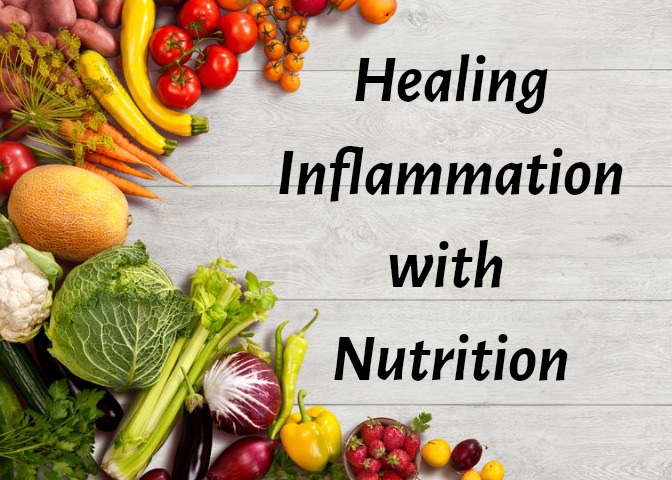
Food has the power to heal. It’s a potent tool to treat and prevent illnesses.
Inflammation & Nutrition. Inflammation acts like the body’s defense mechanism. The immune system recognises harmful and foreign stimuli and starts to elimate it from the body so it can start the healing process .
Food has power to heal. It’s a potent tool to treat & prevent Illnesses.
There are 2 types of inflammation:
Chronic inflammation: Is referred to as a slow, long-term inflammation lasting for prolonged time in the body. It’s mainly connected to the environment around us, our dietary choices, stress levels and general health. It can be harmful and may increase the risk of several diseases.
Acute inflammation occurs when our body sees harm coming like an infection, and starts to fight in a short period. Thus, known as a normal response for the body ans immune stern to promote the healing process.
Nutrition & inflammation. Our daily diet choices can help to keep both our body and immune system healthy and strong.
Plant based protein. Research over time has shown us that consuming high intake of red meat and dairy products in our diet can increase high level of inflammation in our body. Where as Plant bases proteins such as lentils and beans have a lower levels of inflammation levels. They consist of high fibre levels and anyhocyanin.
Herbs and spices. Herbs and spice have high levels of antioxidants and phytonutrients and have many anti-inflammatory properties. They can help to flavour our meals without adding excess salt and fats. Turmeric, Cardamom, Rosemary, Black pepper and Cinnamon are antiinflammatory herb and spices and should be included in our diet to naturally lower inflammation.
Dietary Choices. Eating a high intake of rainbow colour of fruits and vegetables can help to fight inflammation and strengthen our immune health. Fruits such as cranberries, blackberries, and blueberries are known as anti- inflammatory foods. Anti inflammatory veg includes brocli, cabbage and leafy green vegetables.
Garlic consist of organosulfur compounds and flavonoids. These are known to help with fighting inflammation, infections and cardiovascular diseases.
Ginger is packed with antioxidants and contains gingerols. Gingerols has proven to fight inflammation and with high levels of antioxidants, ginger is able to prevent free radical production anti inflammatory disease.
Onions Onions has a flavonoid called quercetin, which is know as the following Anti- carcinogenic, Anti- inflammatory, Antiviral
Other factors that can help with fighting inflammation.
Vitamin D Research has shown that having low levels of vitamin D in the body can cause inflammation. It always good to check Vitamin D levels and correct them if needed to.
Sleep. A good sleeping pattern is vital for optimal health. Disturbed sleep patterns has been associated weak immune system and increased inflammation levels in the body.
Managing stress Excessive stress levels can have an effect on our physical and emotional health. This also contribute to high level of inflammation in the body. The best techniques for stress management at home is to practice meditation daily and simple breathing exercises. Alway consualt a healthcare professional for ongoing support is advised if needed.
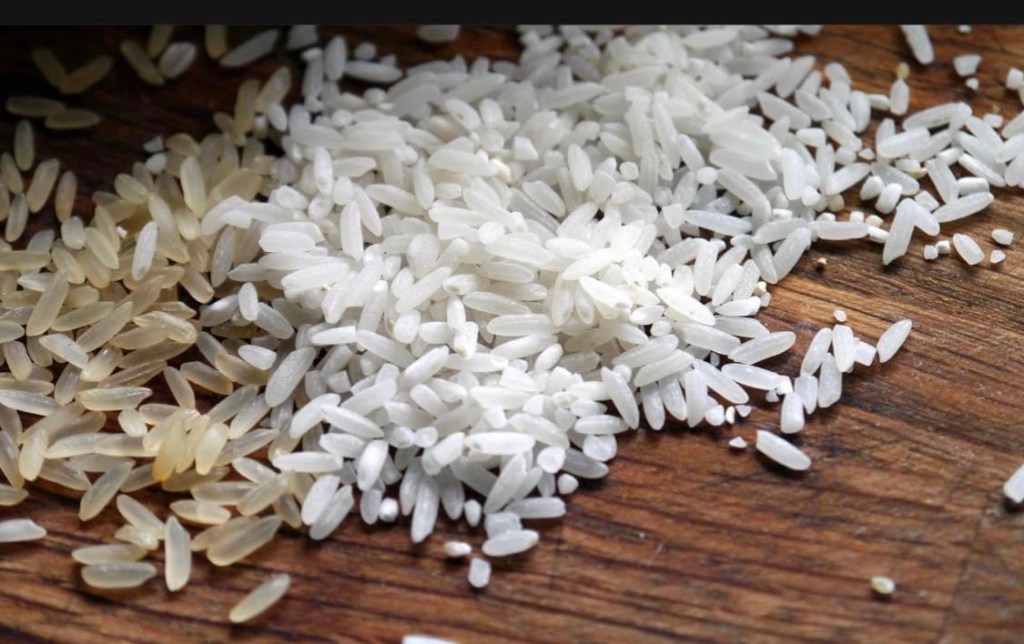
Boil the rice in water until it’s cooked. Now wash the peas in warm water to remove ice.
In a frying pan heat oil and add in cumin seeds. Once they have coloured & start to crackle slightly, add in the peas and cook for 2 mins. Now add in turmeric, salt & mix well. Remove from the heat.
Once the rice is cooked drained out the water and add it to the pea pan.
Using a fork mix it well through and add salt to taste.
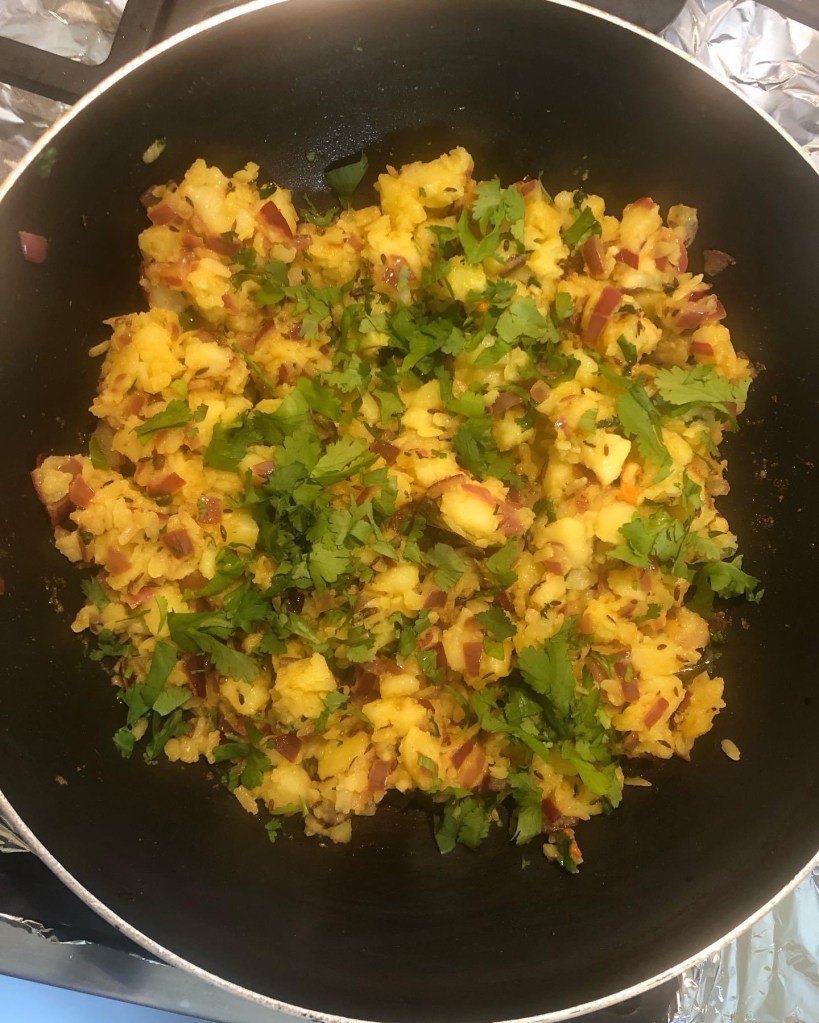
Batata Poha is popular and traditional South Indian breakfast recipe. In Maharashtra it’s know as Pohe and in Gujarat as Poha.
Batata Poha Is easy to make and is low in calories. It has aprox 76.9% of carbs and 23% fat, making it an ideal choice for a quick healthy meal. It’s also packed with iron, and ranked low on the glycemic index.
Preparation Time: 10 minutes
Cooking Time: 15 minutes
Serves: 3 servings
Ingredients
2 cups thick Poha (rice flakes)
1 medium potatoe chopped
1 large onion chopped finely
8 curry leaves
1 tsp Cumin Seeds
1 tsp mustard seeds
1 tsp Asafoetida
1 tsp Turmeric Powder
Salt to taste
1 Lemon
2 tbs oil
1 cup of finely chopped fresh Coriander
Method
Put the poha in a strainer.
Wash the poha throughly and gently. Drain the excess water through a strainer.
In a large wok heat 2 tbs of oil. Add in the mustard seeds, once the seeds start to splut, add in the asafoetida, cumin seeds, green chilies and curry leaves.
Allow the spices to cook for 45- 50 seconds.
Now add in the chopped onions and sauté for 1-2 minutes.
Add in the boiled chopped potatoes and mix well and let it cook for 2mins. Stir to prevent sticking.
Add in the salt and turmeric powder. mix it and leave it for a minute.
Now add the soaked poha and mix well and let it cook for 3-4 minutes.
Add fresh lemon juice, and chopped coriander leaves.
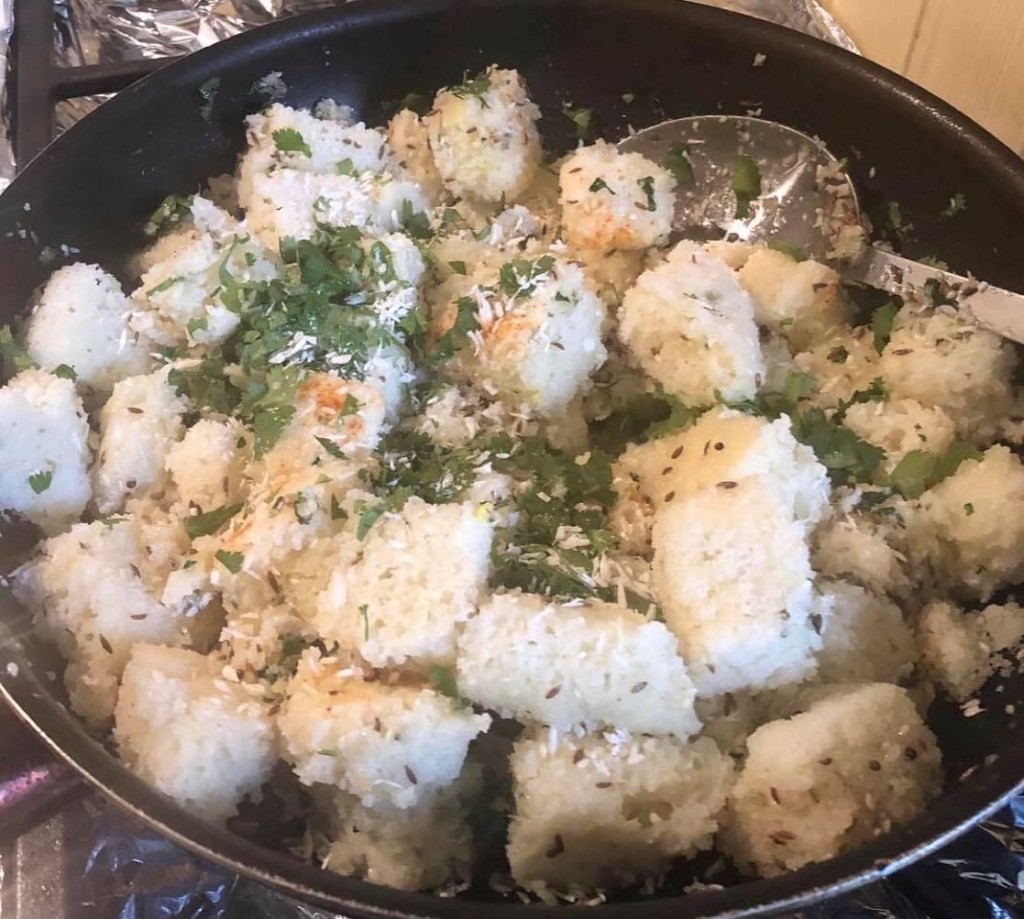
White Dhokla is a popular Gujarati snack. Dhoklas is a healthy and light snack. Easy to make and tastes delicious. It only a needs a few ingredients that are available from the kitchen pantry
Prep Time 35 minutes Cook Time 20 minutes Serves 4
Ingredients
2 cup Rice Flour
2 tbs semolina
1 cup Yoghurt
1 tsp Asafoetida
2 tbs White Sesame Seeds
2 tsp Mustard Seeds
2 tablespoon Suji
Few Curry Leaves
2 tsp Eno
1 tsp fresh Ginger chili paste
Cup of Fresh Coriander Leaves
Salt to taste
Oil as needed
Instructions
In a bowl add In the rice flour, yoghurt, semolina.
Add in 1tsp Asafoetida, 2 tsp oil, pea size of ginger & green chilli paste and 1 tsp of salt .
Now whisk to a lump free smooth batter.
Leave the batter to rest for half an hour.
Check after 30mins, if the batter has become thick, add in a little bit of water & adjust.
Add water to the steamer and turn it on.
Grease the baking tin throughly and keep it ready.
Add 2 tsp of ENO to the batter and mix it quickly and well.
The batter will start to bubble and puff.
Pour the batter mixture in the greased tin and place it in the steamer.
Cover the steamer with lid and and let it cook for 10mins
After 10 mins, check with a toothpick, it come out clean then shut the steamer off.
Remove the cake tin and leave to cool.
Cut the dhokla into squares and remove from the tin.
Tempering method
In a wok heat 2 tbs of oil on a medium flame.
Add in the Asafoetida, mustard seeds, white sesame seeds & curry leaves.
Once Let the mustard seeds have crackled & the curry leaves are fried.
Add in the dhoklas and give it a good mix.
Take of heat & garnish with fresh coriander leaves.




 Inside Out Wellbeing