Health Benefits of Ashwagandha:

Nature has provided us with a vast array of herbs and plants that have been utilised for centuries to support our health and well-being. One such herb that has gained significant attention in recent years is Ashwagandha, an adaptogenic herb deeply rooted in traditional Ayurvedic medicine. Renowned for its rejuvenating and restorative properties, Ashwagandha is now garnering recognition worldwide due to its numerous health benefits, supported by scientific research. In this article, we will delve into the compelling scientific evidence that sheds light on the remarkable health benefits of Ashwagandha.

Stress Reduction and Improved Mental Well-being
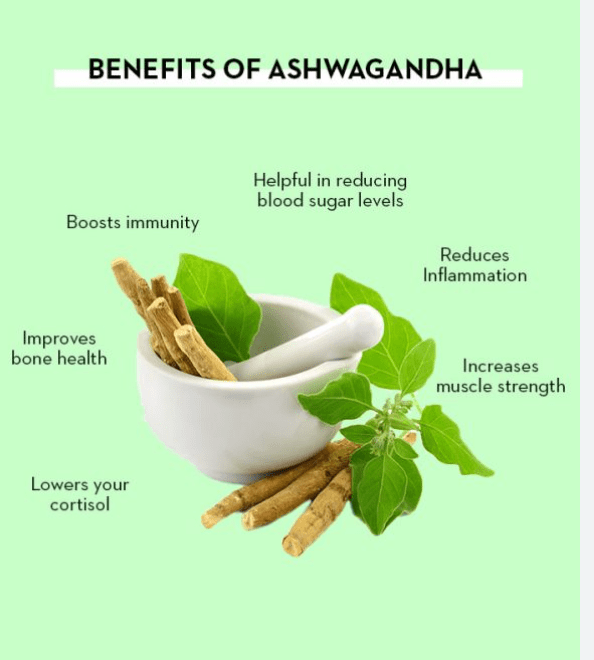
In today’s fast-paced world, stress has become a common affliction. Ashwagandha has been widely studied for its stress-reducing properties. Research suggests that its active compounds, including withanolides, interact with the hypothalamic-pituitary-adrenal (HPA) axis, leading to a reduction in stress hormones like cortisol. By modulating the body’s stress response, Ashwagandha helps promote a sense of calmness and relaxation, alleviating anxiety and improving overall mental well-being.

Enhanced Cognitive Function and Memory
Ashwagandha has also been found to positively impact cognitive function and memory. Studies have revealed its ability to support neuroprotection and boost antioxidant activity in the brain, combating oxidative stress and reducing the risk of neurodegenerative diseases. Furthermore, Ashwagandha has been associated with improved attention, information processing, and overall cognitive performance, making it a promising natural supplement for individuals seeking cognitive enhancement.

Immune System Support
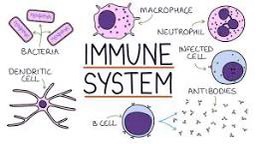
A robust immune system is vital for maintaining optimal health and protecting against various illnesses. Ashwagandha exhibits immunomodulatory effects, stimulating immune cells such as lymphocytes and macrophages, which play crucial roles in defending the body against pathogens. Additionally, research suggests that Ashwagandha possesses antimicrobial properties, making it a potential ally in fighting infections caused by bacteria, viruses, and fungi.

Anti-Inflammatory Properties
Chronic inflammation has been linked to a wide range of health issues, including cardiovascular disease, arthritis, and autoimmune disorders. Ashwagandha contains bioactive compounds that possess potent anti-inflammatory properties. Studies have demonstrated its ability to inhibit the production of pro-inflammatory molecules, thereby reducing inflammation in the body. By modulating the immune response and dampening excessive inflammation, Ashwagandha holds promise as a natural approach to managing inflammatory conditions.

Hormonal Balance and Sexual Health
Ashwagandha has long been utilised as an aphrodisiac and tonic for reproductive health in Ayurvedic medicine. Research supports its traditional use, revealing that Ashwagandha supplementation may enhance fertility in both men and women by improving sperm quality, testosterone levels, and semen parameters. Additionally, it has shown potential in reducing stress-related sexual dysfunction and improving sexual performance and satisfaction.

Ashwagandha, an ancient herb rooted in Ayurvedic medicine, has gained significant attention for its remarkable health benefits, backed by scientific research. From reducing stress and improving mental well-being to supporting immune function, cognitive health, and hormonal balance, Ashwagandha offers a multitude of advantages. As with any herbal supplement, it is essential to consult with a healthcare professional before incorporating Ashwagandha into your routine, especially if you have any underlying health conditions or are taking medications. Nevertheless, with its rich historical use and growing scientific evidence, Ashwagandha holds great promise as a natural and holistic approach to supporting overall health and well-being.


Benefit & side effects of drinking Ginger water.

What Are the Benefits and Side Effects of Ginger Water?

Ginger has been used for centuries as a spice and traditional medicine due to its numerous health benefits. One popular way to consume ginger is by infusing it in water to make ginger water. This refreshing drink not only quenches your thirst but also offers a range of potential benefits for your overall well-being. In this article, we will explore the advantages of ginger water, as well as any potential side effects you should be aware of.

Benefits of Ginger Water

  1. Aids Digestion: Ginger is known to stimulate the production of digestive enzymes, promoting better digestion and reducing symptoms such as bloating, gas, and indigestion. Ginger water can be especially helpful when consumed before or after meals, as it may improve nutrient absorption and alleviate discomfort.
  2. Relieves Nausea: Ginger has long been used to relieve nausea and vomiting associated with motion sickness, pregnancy, and chemotherapy. Ginger water, when sipped slowly, can help calm an upset stomach and reduce feelings of nausea. It may also be beneficial for individuals prone to morning sickness.
  3. Reduces Inflammation: Ginger possesses potent anti-inflammatory properties. Regular consumption of ginger water can help reduce inflammation in the body, which is linked to various chronic conditions such as arthritis, heart disease, and certain types of cancer. By combating inflammation, ginger water may contribute to overall health and well-being.

  4. Boosts Immune System: Ginger contains antioxidants that help strengthen the immune system, protecting the body against infections and diseases. By drinking ginger water regularly, you may support your immune system and enhance your body’s ability to fight off common illnesses.
  5. Weight Management: If you are looking to shed a few pounds, ginger water can be a valuable addition to your weight loss journey. Ginger aids in boosting metabolism, reducing appetite, and increasing fat burning. By incorporating ginger water into a healthy diet and exercise regimen, it may help support your weight management goals.
  6. Enhances Brain Function: Some research suggests that the antioxidants and bioactive compounds present in ginger may have neuroprotective properties. Regular consumption of ginger water might help improve cognitive function, memory, and attention span. While more studies are needed in this area, the potential brain-boosting benefits of ginger are promising.

Side Effects and Precautions

While ginger water is generally considered safe for most people, it’s important to be aware of potential side effects and take precautions:

  1. Digestive Issues: Consuming excessive amounts of ginger or ginger water may cause digestive issues such as heartburn, diarrhoea, or stomach discomfort in some individuals. Start with small quantities and monitor your body’s response to ginger water.
  2. Blood-Thinning Effects: Ginger possesses mild blood-thinning properties, which can be beneficial for some individuals but may pose risks for others. If you are taking blood-thinning medications or have a bleeding disorder, consult your healthcare provider before regularly consuming ginger water.
  3. Allergies: While rare, some individuals may be allergic to ginger. If you experience symptoms such as itching, hives, swelling, or difficulty breathing after consuming ginger water, discontinue use and seek medical attention.
  4. Interactions with Medications: Ginger may interact with certain medications, including blood thinners, diabetes medications, and high blood pressure drugs. If you take any prescription medications, it’s advisable to consult your healthcare provider before incorporating ginger water into your routine.

Ginger water can be a refreshing and beneficial addition to your daily routine. It offers a range of potential advantages, including aiding digestion, relieving nausea, reducing inflammation, boosting the immune system, supporting weight management, and enhancing brain function. However, it’s important to be aware of potential side effects and take necessary precautions, especially if

Ghee/ healthier then butty?

In recent years, there has been a growing interest in ghee as a potential alternative to butter. Originating in ancient India, ghee has gained popularity in various cuisines around the world. With its rich aroma and distinct flavour, ghee has become a staple ingredient in many households. But how does it compare to butter in terms of health benefits? In this article, we will explore the nutritional profile of ghee and butter to determine if ghee can be considered a healthier option.

Understanding Ghee and Butter
Ghee and butter both originate from milk, but they undergo different preparation processes. Butter is made by churning cream or milk until the fat separates from the liquid, resulting in a semi-solid product. Ghee, on the other hand, is clarified butter. It involves simmering butter until the water content evaporates, leaving behind only the pure butterfat.

Nutritional Comparison

When it comes to comparing the nutritional content of ghee and butter, it’s important to note that they are both high in saturated fat. However, ghee has some distinct advantages:

  1. Lactose and Casein-Free: During the clarification process, the milk solids and water in butter are removed, which means that ghee is virtually lactose and casein-free. This makes it a suitable option for individuals with lactose intolerance or dairy allergies.
  2. Rich in Fat-Soluble Vitamins: Ghee contains significant amounts of fat-soluble vitamins such as vitamins A, D, E, and K. These vitamins play essential roles in various bodily functions, including vision, bone health, and immune system support.
  3. Higher Smoke Point: Ghee has a higher smoke point compared to butter, which means it can be heated to higher temperatures without breaking down and producing harmful compounds. This makes ghee more suitable for cooking methods that require high heat, such as frying and sautéing.
  4. Rich in Conjugated Linoleum Acid (CLA): Ghee contains higher levels of conjugated linoleum acid (CLA) compared to butter. CLA is a type of fatty acid that has been associated with potential health benefits, including anti-inflammatory and anti-cancer properties.

On the other hand, butter has a slightly different nutritional profile:

  1. Rich in Omega-3 Fatty Acids: Butter sourced from grass-fed cows is a good source of omega-3 fatty acids, which are beneficial for heart health and brain function.
  2. Contains Butyrate: Butter contains butyrate, a short-chain fatty acid that has been linked to improved gut health and reduced inflammation.

Moderation and Individual Needs
While ghee offers certain advantages over butter, it’s important to remember that both ghee and butter are calorie-dense and high in saturated fat. Therefore, moderation is key when consuming these fats. It’s recommended to limit overall saturated fat intake to maintain a healthy diet and reduce the risk of cardiovascular diseases.
It’s also important to consider individual dietary needs and preferences. For individuals who are lactose intolerant or have dairy allergies, ghee may be a suitable alternative. However, those seeking a source of omega-3 fatty acids or butyrate may prefer grass-fed butter.

Ghee and butter each have their own unique qualities and nutritional profiles. While ghee is lactose and casein-free, rich in fat-soluble vitamins, and has a higher smoke point, butter provides omega-3 fatty acids and butyrate. Both options should be consumed in moderation due to their high saturated fat content.
Ultimately, the choice between ghee and butter comes down to personal preference and dietary needs. It’s always advisable to consult with a healthcare professional or registered dietitian to determine the best option for your individual circumstances.

Benefits of Bee Propolis.

Exploring the Natural Wonder: Propolis – Nature’s Healing Secret

Nature has always amazed us with its vast array of medicinal treasures, and one such marvel is propolis. Often referred to as “nature’s antibiotic,” propolis is a resinous substance created by honeybees by collecting resin from trees and combining it with beeswax and enzymes. This extraordinary compound possesses numerous health benefits and has been used for centuries in traditional medicine. Join us as we delve into the world of propolis and uncover its incredible properties. 

Origins and Composition

Derived from the Greek words’ “pro” (meaning “in defence of”) and “polis” (meaning “city”), propolis is aptly named as it serves as a protective shield within the beehive. Bees collect resin from various plant sources, such as tree buds, sap flows, and botanical exudates, to create propolis. Common sources include poplar, birch, and conifer trees. The composition of propolis can vary depending on the geographic location and the plant sources available to the bees. However, it typically contains a rich mixture of polyphenols, flavonoids, essential oils, vitamins, minerals, amino acids, and enzymes. This diverse combination is what gives propolis its potent medicinal properties.

Health Benefits

Immune-Boosting Properties: Propolis is renowned for its immunomodulatory effects, meaning it helps regulate and strengthen the immune system. Its various components, such as flavonoids and polyphenols, possess antioxidant and anti-inflammatory properties, which can help protect the body against infections and diseases.

Antimicrobial and Antibacterial Action: Propolis has shown impressive antimicrobial and antibacterial properties. It exhibits broad-spectrum activity against various pathogens, including bacteria, viruses, fungi, and parasites. This natural defence mechanism of the bees helps to maintain the hygiene and integrity of the hive.

Wound Healing Abilities: Due to its antimicrobial properties and the presence of bioactive compounds, propolis has been used to promote wound healing for centuries. It can accelerate tissue regeneration, reduce inflammation, and protect against infection, making it a valuable natural remedy for minor cuts, burns, and skin irritations. 

Oral Health Benefits: Propolis is commonly utilized in oral care products due to its potent antibacterial and anti-inflammatory properties. It can help combat dental plaque, gum diseases, and oral infections. Some studies suggest that propolis may even aid in the prevention of cavities and promote overall oral health.

Antioxidant Potential: The high concentration of antioxidants in propolis helps neutralize harmful free radicals in the body, reducing oxidative stress and potential damage to cells. This antioxidant activity contributes to its anti-aging effects and its potential protective role against chronic diseases.

How to use propolis 

Propolis is available in various forms, including tinctures, capsules, creams, and lozenges. It can also be found as an ingredient in natural health products, toothpaste, and mouthwashes. When using propolis, it is essential to follow the recommended dosage and instructions provided by the manufacturer or consult a healthcare professional for guidance.

Propolis is truly a gift from nature, showcasing its remarkable healing powers through the diligent work of honeybees. With its immune-boosting, antimicrobial, wound-healing, and antioxidant properties, propolis has rightfully earned its place as a valuable natural remedy. While propolis has been used for centuries in traditional medicine, it is essential to consult healthcare professionals for personalized advice and guidance on incorporating propolis into your wellness routine.

As we continue to explore the world of natural remedies, let us not forget the humble bees and their exceptional creation, propolis—an extraordinary substance that continues to captivate.

Side effects of Pre-workout supplements

re-workout supplements are popular among individuals looking to enhance their performance and energy levels during exercise. While they can provide benefits, it’s important to be aware of potential side effects. Here are five possible side effects of pre-workout supplements:

  1. Insomnia and Sleep Disturbances: Many pre-workout supplements contain stimulants like caffeine or other energy-boosting ingredients. These substances can interfere with your sleep patterns, leading to insomnia or disrupted sleep. It’s recommended to avoid consuming pre-workout supplements too close to bedtime to minimize sleep disturbances.
  2. Increased Heart Rate and Blood Pressure: Stimulants present in pre-workout supplements can cause an increase in heart rate and blood pressure. While this effect can provide a temporary energy boost during exercise, it may pose risks for individuals with underlying heart conditions or hypertension. It’s crucial to consult with a healthcare professional if you have any cardiovascular concerns.
  3. Gastrointestinal Issues: Some individuals may experience digestive problems after taking pre-workout supplements. Ingredients like creatine, beta-alanine, or high doses of caffeine can cause stomach discomfort, diarrhea, or nausea. These side effects can vary from person to person, and it’s advisable to start with a lower dosage to assess your tolerance.
  4. Dehydration: Pre-workout supplements may contain diuretic ingredients or caffeine, which can contribute to increased urine production and fluid loss. This can potentially lead to dehydration, especially if you’re engaged in intense physical activity without adequately replacing lost fluids. It’s essential to stay hydrated by drinking plenty of water when using pre-workout supplements.
  5. Dependency and Tolerance: Regular use of pre-workout supplements can lead to dependency and tolerance over time. Your body may become accustomed to the stimulants, and you might need higher doses to experience the same effects. This can lead to a cycle of reliance on these supplements and potential withdrawal symptoms when discontinuing their use. It’s advisable to use pre-workout supplements in moderation and take breaks to avoid dependency.

Remember, individual experiences with pre-workout supplements can vary, and not everyone will experience these side effects. It’s crucial to read product labels, follow recommended dosages, and consult with a healthcare professional before incorporating any new supplements into your routine, especially if you have underlying health conditions.

Pea Protein Powder: Nutrition, Benefits, and Side Effects

Protein powders have gained immense popularity in the health and fitness industry as a convenient and effective way to supplement one’s daily protein intake. Among the various protein powder options available, pea protein powder has emerged as a popular choice for many individuals, particularly those following plant-based or vegetarian diets. In this blog post, we will explore the nutrition, benefits, and potential side effects of pea protein powder.

Nutrition Profile of Pea Protein Powder:

Pea protein powder is derived from yellow peas, also known as Pisum sativum, and is produced by drying and grinding the peas into a fine powder. It offers an excellent nutritional profile, making it a viable alternative to other protein sources. Here are some key nutritional aspects of pea protein powder:

Protein Content: Pea protein powder is known for its high protein content. It typically contains around 20 to 25 grams of protein per serving, making it a suitable choice for individuals looking to increase their protein intake.

Essential Amino Acids: Pea protein powder is rich in essential amino acids, which are the building blocks of protein. It contains all nine essential amino acids, including lysine, isoleucine, leucine, valine, methionine, phenylalanine, threonine, histidine, and tryptophan.

Low in Carbohydrates and Fat: Pea protein powder is relatively low in carbohydrates and fat, making it a favourable option for those watching their macronutrient intake.

Benefits of Pea Protein Powder:

  1. Muscle Building and Recovery: Pea protein powder is an excellent choice for individuals engaged in strength training or physical activity that requires muscle repair and recovery. Its rich amino acid profile, especially the branched-chain amino acids (BCAAs), supports muscle protein synthesis, aiding in muscle growth and repair.
  2. Plant-Based and Vegan-Friendly: Pea protein powder is a valuable resource for individuals following a plant-based or vegan lifestyle. It offers a sustainable and cruelty-free protein source, allowing them to meet their daily protein requirements without relying on animal-based products.
  3. Digestive Health: Unlike other protein powders like whey, pea protein powder is lactose-free and easier to digest. It is a suitable option for individuals with lactose intolerance or sensitive digestive systems.
  4. Satiety and Weight Management: Protein is known to promote feelings of fullness and reduce appetite. Incorporating pea protein powder into meals or snacks can help control hunger and aid in weight management goals.

Potential Side Effects and Considerations:

While pea protein powder is generally safe for consumption, individuals should be aware of potential side effects and take necessary precautions:

  1. Allergies: Pea protein is derived from legumes, and individuals with legume allergies may experience adverse reactions. It is important to consult with a healthcare professional before incorporating pea protein powder if you have known allergies or sensitivities.
  2. Digestive Sensitivity: Some individuals may experience digestive issues, such as bloating, gas, or stomach discomfort, when consuming pea protein powder. Adjusting the serving size or trying different brands may help alleviate these symptoms.
  3. Heavy Metals: As with any plant-based protein powder, there is a potential risk of heavy metal contamination. It is advisable to choose pea protein powder from reputable brands that undergo thorough testing for purity and safety.

Pea protein powder offers a valuable plant-based protein source with numerous nutritional benefits. With its high protein content, essential amino acids, and suitability for various dietary needs, it has become a popular choice among fitness enthusiasts and individuals following plant-based diets. However, it is crucial to be mindful of potential allergies, digestive sensitivities, and the quality of

Foods That May Weaken Your Immune System

Maintaining a strong and robust immune system is crucial for our overall health and well-being. It acts as a defense mechanism, protecting our bodies from harmful pathogens and infections. While several factors contribute to a healthy immune system, including adequate sleep, exercise, and stress management, our diet plays a significant role as well. Certain foods can weaken our immune system and make us more susceptible to illnesses. In this blog post, we will explore some common foods that may have a negative impact on our immune health.

Sugar and Artificial Sweeteners:
 Excessive consumption of sugar and artificial sweeteners can significantly impair immune function. Studies have shown that high sugar intake can suppress immune response and reduce the effectiveness of white blood cells in fighting off bacteria. Furthermore, it can lead to inflammation and contribute to chronic conditions such as obesity and diabetes, which also weaken the immune system. Limiting your intake of sugary beverages, processed snacks, and desserts is essential for maintaining a strong immune system.

Processed Foods:
 Processed foods, including fast food, frozen meals, and packaged snacks, are often high in unhealthy fats, sodium, and artificial additives. These foods lack essential nutrients and are often stripped of their natural immune-boosting properties. Additionally, the high levels of sodium found in processed foods can cause water retention, leading to dehydration, which can negatively affect immune function. Opting for whole, unprocessed foods like fruits, vegetables, whole grains, and lean proteins can help strengthen your immune system.

Saturated and Trans Fats:

Saturated and trans fats, commonly found in fried foods, fatty cuts of meat, and processed snacks, have been linked to an increased risk of heart disease and other chronic conditions. These unhealthy fats can trigger inflammation in the body, impair immune response, and decrease the production of infection-fighting antibodies. Choosing healthier fat sources like avocados, nuts, seeds, and olive oil can provide the body with essential nutrients and support a strong immune system.

Alcohol:
Excessive alcohol consumption can have detrimental effects on the immune system. Alcohol is known to suppress immune activity, making the body more susceptible to infections and illnesses. It can impair the function of white blood cells, decrease the production of antibodies, and disrupt the balance of gut bacteria, which plays a vital role in immune health. Moderation is key when it comes to alcohol consumption, and it’s important to stay within recommended limits for optimal immune function.

High-Caffeine Beverages:
 While moderate consumption of caffeine can have some health benefits, excessive intake can have a negative impact on immune function. High caffeine beverages like energy drinks and excessive amounts of coffee can disrupt sleep patterns, increase stress levels, and lead to dehydration. Lack of quality sleep and increased stress weaken the immune system, making us more vulnerable to infections. Opting for herbal teas or limiting caffeine intake to moderate levels can help maintain a healthy immune system.

A healthy and balanced diet is vital for supporting a strong immune system. By avoiding or limiting the consumption of foods that can weaken our immune function, such as sugar, processed foods, unhealthy fats, alcohol, and high-caffeine beverages, we can enhance our body’s ability to fight off infections and maintain optimal health. Instead, focusing on a diet rich in whole, unprocessed foods, fruits, vegetables, lean proteins, and healthy fats will provide the nutrients necessary to support a robust immune system. Remember, small changes in your dietary habits can have a significant impact on your overall well-being.

5 Natural Sweeteners That Are Good for Your Health


We all have a sweet tooth, but consuming excessive amounts of refined sugar can have detrimental effects on our health. Fortunately, there are several natural alternatives available that not only satisfy our cravings but also provide additional health benefits. In this blog post, we will explore five natural sweeteners that are not only delicious but also good for your overall well-being.


Raw Honey: Raw honey is a sweet and flavourful liquid produced by bees from the nectar of flowers. Unlike processed honey, raw honey is unfiltered and unpasteurized, which means it retains its natural enzymes, antioxidants, and trace minerals. It has antimicrobial properties and can help soothe a sore throat, support digestive health, and provide a natural energy boost. However, it’s important to consume honey in moderation due to its high fructose content.


Maple Syrup: Maple syrup is a popular natural sweetener derived from the sap of maple trees. It contains essential minerals like manganese and zinc, as well as antioxidants that can help reduce inflammation in the body. Maple syrup also has a lower glycaemic index than regular sugar, meaning it causes a slower rise in blood sugar levels. Its distinct flavour makes it a delightful addition to pancakes, waffles, and baked goods.


Stevia: Stevia is a zero-calorie sweetener extracted from the leaves of the stevia plant. It is an excellent choice for individuals watching their sugar intake or managing diabetes since it doesn’t raise blood sugar levels. Stevia is incredibly sweet, so only a small amount is needed to achieve the desired sweetness. It is available in powdered or liquid form and can be used in beverages, desserts, and even homemade sauces.


Coconut Sugar: Coconut sugar, also known as coconut palm sugar, is derived from the sap of coconut palm trees. It has a rich flavour like brown sugar, making it a fantastic alternative in baking recipes. Coconut sugar contains nutrients such as potassium, iron, zinc, and B vitamins, along with inulin, a type of fibre that supports gut health. However, it’s still important to use coconut sugar in moderation as it contains calories and fructose.


Date Paste: Date paste is made by blending dates with water until smooth, creating a thick, sweet paste. Dates are a natural source of fiber, potassium, and antioxidants. This sweetener works well in baking recipes, smoothies, and raw desserts. Since dates are high in natural sugars, it’s advisable to use date paste sparingly and balance it with other ingredients to maintain a healthy intake of sugars.


Date Paste: Date paste is made by blending dates with water until smooth, creating a thick, sweet paste. Dates are a natural source of fiber, potassium, and antioxidants. This sweetener works well in baking recipes, smoothies, and raw desserts. Since dates are high in natural sugars, it’s advisable to use date paste sparingly and balance it with other ingredients to maintain a healthy intake of sugars.


Conclusion: Reducing our consumption of refined sugar is a step towards a healthier lifestyle. Incorporating these natural sweeteners into our diets provides a better alternative to satisfy our sweet cravings while also offering additional health benefits. From the rich flavours of raw honey and maple syrup to the zero-calorie sweetness of stevia, there are plenty of options to choose from. Experiment with these natural sweeteners and enjoy the journey of discovering healthier and delicious ways to indulge your sweet tooth. Remember, moderation is key to maintaining a well-balanced diet.

Dahi Sev Puri Recipe

Dahi Batata sev Puri is a popular Indian street food where puri (golgappa) is topped with various chutneys, masalas, boiled potatoes, fine sev, and yogurt. Make this Indian chaat using this simple

Ingredients

250 grams chilled plain yogurt

100 grams finely chopped boiled potatoes

80grams boiled whole green moong


80grams boiled black chickpeas

0.5 teaspoon salt

10-12 golgappa puri (pani puri)

0.5 tsp chaat masala

80 grams nylon sev

0.5 tsp roasted cumin powder

0.25 tsp red chili powder

50 grams coriander chutney

60 grams sweet tamarind chutney

2 tablespoons chopped fresh coriander

Instructions:

Prepare The Yogurt

Place the yogurt in medium bowl. Add in the salt, chaat masala, cumin powder, and red chili powder and mix well.

Assemble The Dahi Puri:

Place 10-12 golgappa on a small serving plate.

make a small hole in each golgappa.

Fill the golgappa with sev, boiled potatoes, cooked black gram, and cooked whole moong.

Pour the yogurt mixture all over the golgappas

Drizzle the coriander and tamarind chutney all over the golaappas.

Finally sprinkle fresh cilantro and Serve immediately.

One Pot Red Lentil Pasta

One Pot Red Lentil Pasta

This is my go to recipe on a busy day, it only takes 5-10mins to make and is a nutritionally balanced meal.

Lentil pasta is an excellent alternative as it’s high in fiber and protein. Lentils are aslo loaded with folate, iron, phosphorus and potassium. Lentil pasta is rich in fiber. Fiber intake helps reduce the risk of developing heart disease, diabetes and stroke.

Ingredients

1 can of tomato tin

1 small bowl of pasta

I small bowl of diced onion

5 cloves of minced garlic

1 tsp thyme

1 tsp oregano

500 ml veg broth

Salt and pepper to tatse

Fresh Basil

Chesse (optional)

In a large pan add in the red lentil pasta, tin tomato, diced onion and minced garlic, spices and the veg broth. Mix together, then add in salt and pepper.

Let it simmer on a slow gas till most of the liquid is absorbed.

Then add in fresh basil and mix well. After a few minutes turn of the heat.

Place is a serving bowl, add more fresh basil, chesse and enjoy.