
The Gut-Brain Axis: A Guide to Mindful Eating for Better Health

Have you ever had butterflies in your stomach before a big presentation? Or perhaps you’ve noticed that during a particularly hectic week at work, your digestion feels off, no matter how many salads you eat.

This isn’t a coincidence. It’s the Gut-Brain axis in action.

As a Nutrition and Wellness coach, I often see clients doing everything that’s right on paper like: tracking macros, eating whole grains, and staying hydrating. Yet they still feel bloated, sluggish, or unsatisfied. Often, the missing link isn’t on their plate; it’s in their nervous system.
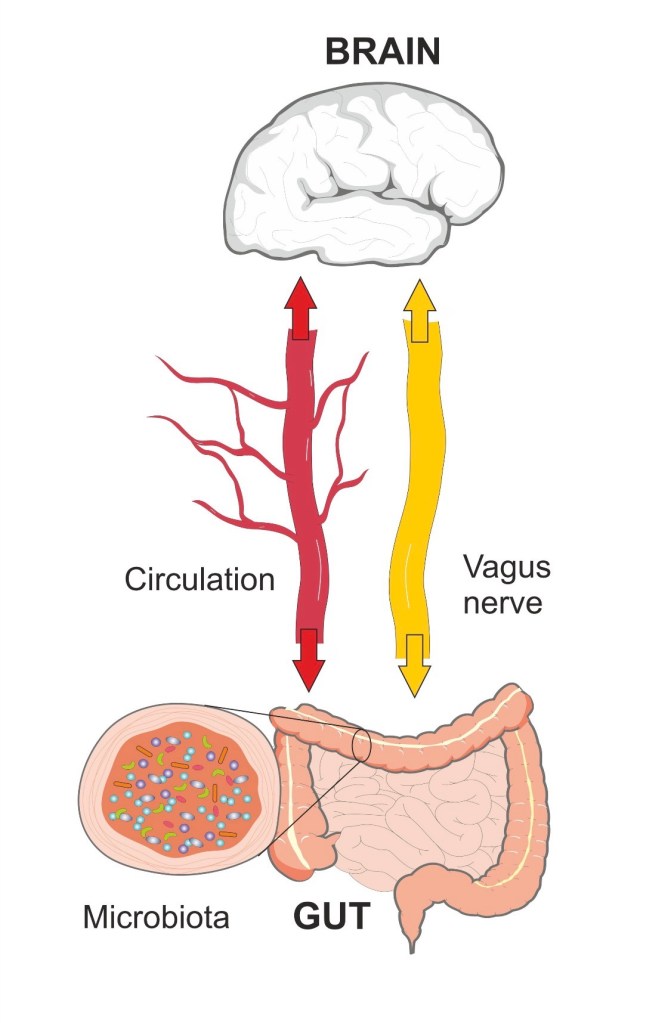
The Science: Rest & Digest vs. Fight or Flight

Our bodies have two main settings for the nervous system:

1. Sympathetic (Fight or Flight): Designed for survival. When you’re stressed, your body diverts energy away from non-essential functions like digestion and sends it to your limbs so you can run or fight.

2. Parasympathetic (Rest and Digest): This is where the magic happens. In this state, your body produces digestive enzymes, moves food efficiently through the gut, and absorbs nutrients effectively.

The Problem: In our modern world, we are often stuck in a low-grade Fight or Flight mode. When you eat while stressed, scrolling through emails or rushing out the door, your body physically cannot prioritize breaking down that healthy meal.

How Stress Alters Your Nutrition

When chronic stress takes the wheel, several things happen inside:

Reduced Nutrient Absorption: Stress can decrease blood flow to the digestive tract, meaning you aren’t getting the full benefit of the vitamins and minerals you’re consuming.

Inflammation: High cortisol (the stress hormone) can irritate the gut lining, potentially leading to bloating and sensitivities.

• The Speed of Digestion: Stress can either slow things down leading to constipation or speed them up too much (leading to malabsorption).

The Solution: Meditation as a Digestive Aid

This is where the Inside Out approach becomes your secret weapon. You don’t need an hour of silence to fix your digestion; you just need to signal to your brain that you are safe.

The Mindful Minute Practice:

Before your next meal, try this:

1. Sit down (don’t eat standing up!).

2. Take three deep, belly breaths. Exhale longer than you inhale.

3. Look at your food and acknowledge the colors and smells.

This simple act of mindfulness flips the switch from Sympathetic to Parasympathetic. You aren’t just eating; you’re nourishing.

How to Beat Post-Work Tiredness with Nutrition: Your Guide to Lasting Energy

In today’s fast-paced world, the demands of work often leave us feeling drained and exhausted by the end of the day. Post-work tiredness is a common issue faced by many, but the good news is that there are natural ways to combat this fatigue and boost your energy levels. One of the most effective methods is through proper nutrition. In this blog post, we will explore how you can beat post-work tiredness with the right food choices, ensuring you have the energy to enjoy your evenings and live your best life.

 Stay Hydrated

First and foremost, it’s essential to stay hydrated throughout the day. Dehydration can cause fatigue and make you feel more tired than you actually are. Make sure to drink plenty of water, and consider incorporating hydrating foods like cucumbers, watermelon, and oranges into your diet.

Fuel Your Body with Complex Carbohydrates

Complex carbohydrates, found in foods like whole grains, brown rice, and sweet potatoes, are excellent sources of sustained energy. Unlike simple carbohydrates (sugars) which cause energy spikes and crashes, complex carbs provide a steady release of energy, keeping you energised throughout the evening. They also contain fibre, aiding in digestion and preventing energy dips.

Include Protein in Your Meals

Protein is essential for repairing and building tissues, including muscles. Incorporate lean protein sources such as chicken, fish, tofu, and beans into your dinner. Protein-rich foods help stabilise your blood sugar levels, preventing energy crashes and keeping you feeling fuller for longer.

Embrace Healthy Fats

Healthy fats, like those found in avocados, nuts, and olive oil, are crucial for brain health and provide a long-lasting source of energy. They also help in absorbing essential nutrients from other foods. Including these fats in your evening meal can enhance your overall energy levels and improve your mood.

Don’t Skip Vegetables

Vegetables are powerhouses of vitamins, minerals, and antioxidants, all of which contribute to your overall well-being and energy levels. Aim to fill half your plate with colourful vegetables. These nutrients help your body function efficiently, keeping fatigue at bay.

Moderate Caffeine Intake

While caffeine can provide a temporary energy boost, excessive consumption, especially in the evening, can disrupt your sleep patterns. Opt for herbal teas like chamomile or peppermint, which not only hydrate you but also promote relaxation, ensuring you get a good night’s rest.

Mindful Eating

Practicing mindful eating can make a significant difference in your energy levels. Slow down, savour your food, and pay attention to your body’s signals of hunger and fullness. Chewing your food thoroughly aids digestion and allows your body to extract maximum energy from the nutrients you consume.

Beating post-work tiredness with nutrition is not just about what you eat; it’s also about how you eat. By making conscious choices about the foods you consume and adopting mindful eating habits, you can sustain your energy levels throughout the evening. Remember, every person is different, so it’s essential to pay attention to how your body responds to different foods and adjust your diet accordingly. With the right nutrition and a mindful approach to eating, you can say goodbye to post-work tiredness and embrace a more energised and vibrant life.