The Gut-Mental Health Connection: Why Your Stomach Holds the Key to Your Mood

Have you ever had a gut feeling about something? 

Felt butterflies before a big moment? Noticed your stomach tighten when you’re anxious, or felt nauseous when you’re scared?

That is not a coincidence. That is your gut and your brain in constant, real-time conversation and what’s happening in your digestive system has a profound effect on your mental health, your mood, and your ability to cope with stress.

Have you ever had a gut feeling about something? 

Felt butterflies before a big moment? Noticed your stomach tighten when you’re anxious, or felt nauseous when you’re scared?

That is not a coincidence. That is your gut and your brain in constant, real-time conversation and what’s happening in your digestive system has a profound effect on your mental health, your mood, and your ability to cope with stress.

This is one of the most exciting areas of nutrition science right now, and it could completely change how you think about your mental wellbeing.

Meet Your Second Brain

Your gut contains over 500 million neuron’s more than your spinal cord. Scientists now call it the “enteric nervous system” or your second brain, and it operates largely independently of the brain in your head.

But here’s the part that surprises most people: approximately 90% of your serotonin  your primary feel good neurotransmitter  is produced in your gut and not your brain.

This means that the health of your digestive system directly impacts your mood, your anxiety levels, your sleep, and your emotional resilience.

What Damages Your Gut-Mental Health Connection

Chronic stress: cortisol disrupts your gut microbiome, reducing the diversity of beneficial bacteria.

Ultra-processed foods:  sugar, artificial sweeteners, and refined carbs feed harmful bacteria and reduce serotonin production

Antibiotics  while sometimes necessary, they wipe out both harmful and beneficial gut bacteria

Not enough fibre: Your  beneficial gut bacteria feeds on fibre., without it, they would starve.

Eating too fast: your gut needs a calm, parasympathetic state to digest properly. Eating on the go or under stress impairs digestion significantly.

5 Ways to Nourish Your Gut for Better Mental Health.

Eat fermented foods daily; Yogurt, kefir, sauerkraut, kimchi, and miso are all rich in beneficial probiotics that support a healthy microbiome and better mood regulation.

Increase your fibre intake; Aim for a wide variety of plant foods  vegetables, fruits, legumes, wholegrains, nuts and seeds. Each different plant feeds a different strain of beneficial bacteria.

Reduce ultra-processed foods

This doesn’t mean perfection. It means gradually crowding out the processed foods with more whole, nourishing alternatives.

Eat slowly and mindfully

Chew your food properly. Sit down to eat. Take three deep breaths before your meal to shift your nervous system into rest and digest mode. Your gut absorbs nutrients far more effectively in a calm state.

Manage your stress

Since stress directly damages your gut microbiome, nervous system regulation isn’t just good for your mind  it’s essential for your gut health too.

The Beautiful Truth

You cannot separate mental health from physical health. They are the same conversation, happening in the same body.

When you nourish your gut, you nourish your mind. When you calm your nervous system, you improve your digestion. When you eat well, you feel better emotionally. Everything is connected  and that is genuinely good news, because it means every small positive choice you make ripples through your entire wellbeing.

💬 I’d Love to Hear From You

Did you know that 90% of serotonin is made in the gut? Does that change how you think about what you eat?

Leave a comment below 

 I’d love to know your thoughts. And if this post opened your eyes to the gut-brain connection, share it with someone who might need to hear it.

Hit subscribe at the bottom of the page to get every new post straight to your inbox.

With warmth,

Leena 🌿

Nutrition & Wellness Coach | Inside Out Wellbeing

Why you’re always tired? It’s not because you need more sleep.

You’re getting 7, 8, maybe even 9 hours of sleep. Yet  every single morning you wake up exhausted.

Sound familiar?

Here’s what most people don’t realise: tiredness isn’t always about sleep. In fact, for many of the women I work with, sleep isn’t the problem at all. The problem is what’s happening inside their nervous system  and their body is using exhaustion as the only way it knows how to ask for help.

Let me explain.

Your Body Is Running on empty  not  Sleep deprived. When we’re chronically stressed, our bodies produce high levels of cortisol our primary stress hormone. In small doses, cortisol is helpful. It gets us out of bed, helps us focus, and keeps us alert.

When cortisol is elevated day after day  from work pressure, emotional stress, poor nutrition, or simply never switching off your body starts to burn through its reserves at an alarming rate.

The result is a deep, bone-level exhaustion that no amount of sleep can fix.

4 Real reasons you are exhausted that has nothing to do with sleep.

Your blood sugar is on a rollercoaster skipping meals, eating refined carbs alone, or relying on caffeine to get through the day sends your blood sugar crashing and every crash triggers a cortisol spike. This cycle is quietly draining your energy all day long.

Your nervous system never fully switches off, If you’re checking your phone last thing at night, sleeping with notifications on, or mentally running through tomorrow’s to-do list in bed your nervous system is never getting the deep rest it needs. Your body may be asleep but your brain is still on duty.

You’re not eating enough magnesium

Magnesium is essential for energy production at a cellular level and most of us are deficient. Low magnesium means low energy, poor sleep quality, and higher anxiety. Dark leafy greens, pumpkin seeds, and dark chocolate are your friends here.

Your emotions are exhausting you

Emotional labour l the constant managing of feelings, relationships, and other people’s needs  is genuinely physically draining. If you’re an empath, a people pleaser, or someone who carries everyone else’s stress, your tiredness has an emotional root that needs addressing too.

What Actually Helps

Eat breakfast within 90 minutes of waking up. Make it high in  protein and fibre to stabilise blood sugar

No screens for the last 30 minutes before bed

Add magnesium rich foods daily to your diet dark chocolate, spinach and pumpkin seeds.

Build one moment of genuine stillness into your day.

Move your body gently every day  even a 10 minute walk will help.

You’re Not Lazy. You’re Depleted.

There is a difference and once you understand that difference, everything changes.

Your exhaustion is not a character flaw it’s  your body asking you for something different. Small consistent changes you nourish and regulate your nervous system and your energy will return.

💬 I’d Love to Hear From You

 Which of these 4 reasons resonates most with you right now?

Drop a comment below. I read and reply to every single one. If this post helped you feel less alone, please share it with someone who needs to hear it today. 🌿

Hit subscribe at the bottom of the page for more posts like this straight to your inbox.

With warmth,

Leena 🌿

Are You Mentally Exhausted? 7 Gentle Ways to Feel Like Yourself Again

Let me ask you something.

When was the last time you felt truly, genuinely okay?

Not just “getting through the day” okay. Not “I’ll rest at the weekend” okay. But actually calm, present, and like yourself?

If you had to think about it for a while  this post is for you.

Mental exhaustion is one of the most common things I hear about from women I speak to. And yet it’s one of the least talked about. We normalise the tiredness. We push through the anxiety. We tell ourselves everyone feels this way.

But they don’t have to and  neither do you.

Here are seven gentle, realistic ways to start feeling like yourself again — no dramatic life overhaul required.

Stop Calling It “Just Stress”

The first step to feeling better is taking your mental exhaustion seriously.

Stress is not just a feeling. It is a full-body physiological response that affects your hormones, your immune system, your digestion, and your sleep. When we dismiss it as “just stress” we stop ourselves from getting the support we actually need.

Give yourself permission to say: *“I am not okay right now, and that matters.”

That one shift changes. everything.

Breathe Before You Reach for Your Phone

Most of us wake up and immediately check our phones  flooding our nervous system with news, notifications, and other people’s lives before we’ve even had a glass of water.

Tomorrow morning, try this instead: before you pick up your phone, take five slow deep breaths. Inhale for 4 counts, exhale for 7. It takes 60 seconds and it sets your entire nervous system up for a calmer day.

Small habit. Big difference.

Eat Something Before 10am

When we’re mentally exhausted, eating is often the first thing to go. We skip breakfast, grab coffee on the run, and wonder why we feel anxious and foggy by mid-morning.

Low blood sugar triggers a cortisol spike  which feels identical to anxiety. Something as simple as eating a protein-rich breakfast before 10am can noticeably reduce anxiety levels throughout the day.

Try Greek yogurt, or even a handful of nuts. Your brain will thank you.

Say No to One Thing This Week

Mental exhaustion often comes from a life that has too much in it and not enough rest between.

You do not need to justify saying no. You do not need a reason good enough for other people. “I don’t have the capacity right now” is a complete sentence.

Pick one thing on your list this week that you can cancel, delegate, or simply let go of. Notice how it feels.

Go Outside for 10 Minutes  Without Your Phone

Nature is not a luxury. It is a genuine, research-backed tool for mental health. Even 10 minutes outside  without scrolling  lowers cortisol, reduces anxiety, and improves mood.

You don’t need a park or a forest. A garden, a street, a patch of sky. Just step outside, leave your phone behind, and let your nervous system breathe.

Talk to Someone  Anyone

One of the cruelest things about mental exhaustion is that it makes us want to isolate at exactly the moment we need connection most.

You don’t need to have a deep conversation. You don’t need to explain everything. Simply being in the presence of someone who makes you feel safe  a friend, a family member, a coach  is enough to regulate your nervous system and remind you that you are not alone.

If you don’t feel you have that person right now, I want you to know: that is more common than you think, and it is something that can change.

Give Yourself One Moment of Joy Today  On Purpose

When we are burnt out we stop doing the things that light us up. We tell ourselves we’ll do them when we have more time, more energy, more of everything.

But joy is not a reward for getting through the hard stuff. It is part of what gets you through.

Today, on purpose, do one small thing that makes you feel like you again. A walk. A favourite meal. A song you love. A chapter of a book. Ten minutes of nothing at all.

You are allowed to feel good. Even now. Especially now.

 You Are Not Too Far Gone

Whatever you are carrying right now  however long you have been running on empty I want you to know that it is possible to feel better. Not perfectly. Not all at once. But genuinely, sustainably better.

Your nervous system wants to heal. Your body wants to rest. You just need to give it permission.

 💬 I’d Love to Hear From You

Which of these seven things do you need most right now?**

Drop a comment below and let me know — I read and reply to every single one. And if this resonated with you, please share it with someone who needs to hear it today. You never know whose week you might change. 

If you’d like to read more about stress, nutrition, and nervous system health, hit subscribe at the bottom of the page to get every new post straight to your inbox.

With warmth,

Leena 🌿

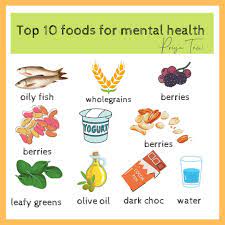
Mindful Munching: 10 Foods That Can Boost Your Mental Well-being

In a world that often moves at a breakneck pace, taking a moment to savour the flavours and textures of our food can be a powerful act of mindfulness. Beyond just satisfying hunger, the foods we choose to consume play a significant role in our overall well-being, including our mental health. Let’s explore the concept of mindful munching and discover 10 foods that can contribute to a positive impact on your mental well-being.

Dark Chocolate: The Ultimate Mood Booster

Indulging in a square of dark chocolate can do more than just satisfy your sweet tooth. Dark chocolate contains flavonoids, which have been linked to enhanced cognitive function and improved mood. Additionally, it stimulates the production of endorphins, the “feel-good” hormones.

Fatty Fish: Omega-3s for Brain Health

Salmon, mackerel, and trout are rich in omega-3 fatty acids, essential for brain health. These healthy fats contribute to improved cognitive function and can help alleviate symptoms of depression and anxiety. Aim to include fatty fish in your diet at least twice a week.

Berries: Antioxidant Powerhouses

Blueberries, strawberries, and raspberries are not only delicious but also packed with antioxidants. Antioxidants help combat oxidative stress and inflammation in the brain, potentially reducing the risk of cognitive decline and supporting overall mental health.

Leafy Greens: Fuel for Your Brain

Spinach, kale, and other leafy greens are abundant in nutrients like folate, vitamin K, and beta-carotene. These nutrients have been linked to a lower risk of cognitive decline. Incorporating a variety of leafy greens into your diet can provide your brain with the essential nutrients it needs.

Nuts and Seeds: Snack Smart for Mental Wellness

Almonds, walnuts, chia seeds, and flaxseeds are rich in nutrients such as omega-3 fatty acids, magnesium, and zinc. These elements play a role in regulating mood, reducing anxiety, and supporting overall brain function. Keep a small stash of nuts and seeds for a quick and nutritious snack.

Turmeric: A Spice for the Mind

Curcumin, the active compound in turmeric, has potent anti-inflammatory and antioxidant properties. Research suggests that turmeric may have neuroprotective effects, potentially aiding in the prevention of neurodegenerative diseases. Sprinkle this golden spice into your meals for a flavourful boost.

Greek Yogurt: Probiotics for Gut-Brain Connection

The gut-brain connection is a hot topic in mental health, and maintaining a healthy gut flora is crucial. Greek yogurt, rich in probiotics, supports a balanced gut microbiome, which may positively influence mood and mental well-being. Pair it with your favourite fruits for a tasty and wholesome snack.

Whole Grains: Sustained Energy for the Brain

Whole grains like quinoa, brown rice, and oats provide a steady release of glucose to the brain, offering sustained energy. This can help improve concentration and focus, preventing the energy crashes associated with refined carbohydrates. Opt for whole grains to fuel both your body and mind.

Avocado: Creamy Brain Fuel

Avocados are not only delicious but also loaded with monounsaturated fats, which contribute to healthy blood flow. Improved blood flow to the brain ensures a steady supply of oxygen and nutrients, supporting optimal cognitive function. Add slices of avocado to salads or enjoy it as a spread on whole-grain toast.

Green Tea: Calm the Mind with Antioxidants

Swap your regular cup of coffee for green tea to enjoy a lower-caffeine alternative that contains L-theanine, an amino acid known for its calming effects. Green tea is also rich in antioxidants, promoting overall brain health and potentially reducing the risk of cognitive decline.

Mindful munching involves more than just paying attention to what’s on your plate; it’s about nourishing your body and mind with foods that promote overall well-being. By incorporating these 10 brain-boosting foods into your diet, you can take a proactive approach to supporting your mental health and savouring the joys of mindful eating. Remember, a well-nourished mind is a resilient mind.