You don’t need a complete lifestyle overhaul to start feeling better. Sometimes the smallest shifts make the biggest difference especially when your nervous system is running on empty.
Here are five gentle things you can do this morning, right now, wherever you are.
Drink a glass of water before anything else. Before the coffee, before the phone, before the to-do list. Just water. Your body has been fasting all night and hydration is one of the simplest ways to support your energy and your mood from the very first moment of your day.
Take five slow breaths
Inhale for four counts and exhale for seven. Do this five times before you get out of bed. This simple breathing pattern activates your parasympathetic nervous system, your body’s rest and digest mode and sets a calmer tone for your entire morning.
Eat something within 90 minutes of waking; I know, I know you might not feel hungry. Skipping breakfast sends your blood sugar crashing, which triggers a cortisol spike, which feels a lot like anxiety. A handful of nuts, some Greek yoghurt, or a piece of fruit with nut butter is all you need to stabilise your energy and your mood.
Step outside for ten minutes without your phone. Just you and some fresh air and a patch of sky. Nature genuinely lowers cortisol levels. It isn’t a luxury, it’s medicine.
Write down one thing you’re not going to worry about today
Not a gratitude list or a to-do list. Just one thing you are consciously choosing to set down for today. One thing that can wait. Give yourself that gift.
These five things take less than thirty minutes combined. And yet they speak directly to your nervous system, your blood sugar, and your emotional wellbeing. The three things that most determine how you feel on any given day. You don’t have to do all five. Start with one. See how it feels.
With warmth,
Leena 🌿
Which of these feels most doable for you this morning?
Drop a comment below, I read and reply to every single one.
You’re getting 7, 8, maybe even 9 hours of sleep. Yet every single morning you wake up exhausted.
Sound familiar?
Here’s what most people don’t realise: tiredness isn’t always about sleep. In fact, for many of the women I work with, sleep isn’t the problem at all. The problem is what’s happening inside their nervous system and their body is using exhaustion as the only way it knows how to ask for help.
Let me explain.
Your Body Is Running on empty not Sleep deprived. When we’re chronically stressed, our bodies produce high levels of cortisol our primary stress hormone. In small doses, cortisol is helpful. It gets us out of bed, helps us focus, and keeps us alert.
When cortisol is elevated day after day from work pressure, emotional stress, poor nutrition, or simply never switching off your body starts to burn through its reserves at an alarming rate.
The result is a deep, bone-level exhaustion that no amount of sleep can fix.
4 Real reasons you are exhausted that has nothing to do with sleep.
Your blood sugar is on a rollercoaster skipping meals, eating refined carbs alone, or relying on caffeine to get through the day sends your blood sugar crashing and every crash triggers a cortisol spike. This cycle is quietly draining your energy all day long.
Your nervous system never fully switches off, If you’re checking your phone last thing at night, sleeping with notifications on, or mentally running through tomorrow’s to-do list in bed your nervous system is never getting the deep rest it needs. Your body may be asleep but your brain is still on duty.
You’re not eating enough magnesium
Magnesium is essential for energy production at a cellular level and most of us are deficient. Low magnesium means low energy, poor sleep quality, and higher anxiety. Dark leafy greens, pumpkin seeds, and dark chocolate are your friends here.
Your emotions are exhausting you
Emotional labour l the constant managing of feelings, relationships, and other people’s needs is genuinely physically draining. If you’re an empath, a people pleaser, or someone who carries everyone else’s stress, your tiredness has an emotional root that needs addressing too.
What Actually Helps
Eat breakfast within 90 minutes of waking up. Make it high in protein and fibre to stabilise blood sugar
No screens for the last 30 minutes before bed
Add magnesium rich foods daily to your diet dark chocolate, spinach and pumpkin seeds.
Build one moment of genuine stillness into your day.
Move your body gently every day even a 10 minute walk will help.
You’re Not Lazy. You’re Depleted.
There is a difference and once you understand that difference, everything changes.
Your exhaustion is not a character flaw it’s your body asking you for something different. Small consistent changes you nourish and regulate your nervous system and your energy will return.
💬 I’d Love to Hear From You
Which of these 4 reasons resonates most with you right now?
Drop a comment below. I read and reply to every single one. If this post helped you feel less alone, please share it with someone who needs to hear it today. 🌿
Hit subscribe at the bottom of the page for more posts like this straight to your inbox.
In the realm of vitamins, the B-complex family stands out as a powerhouse, offering a multitude of benefits for overall health and well-being. From bolstering energy levels to supporting nerve function, these essential nutrients play a crucial role in various bodily processes. However, like any supplement, understanding their benefits, potential side effects, and proper dosage is key to harnessing their full potential.
What are B-Complex Vitamins?
B-complex vitamins comprise a group of eight water-soluble vitamins that are essential for various metabolic processes in the body. They include:
Vitamin B1 (Thiamine): Thiamine is crucial for energy metabolism and nerve function. It helps convert carbohydrates into energy and plays a role in the synthesis of neurotransmitters.
Vitamin B2 (Riboflavin): Riboflavin is involved in energy production, cell growth, and the metabolism of fats, drugs, and steroids. It also acts as an antioxidant, protecting cells from oxidative damage.
Vitamin B3 (Niacin): Niacin is essential for energy metabolism, DNA repair, and cell signalling. It helps lower cholesterol levels and has been used to treat conditions like high cholesterol and pellagra.
Vitamin B5 (Pantothenic Acid): Pantothenic acid is a component of coenzyme A, which plays a vital role in energy metabolism and the synthesis of fatty acids, cholesterol, and steroid hormones.
Vitamin B6 (Pyridoxine): Pyridoxine is involved in over 100 enzyme reactions, including those related to amino acid metabolism, neurotransmitter synthesis, and haemoglobin formation.
Vitamin B7 (Biotin): Biotin is essential for fatty acid synthesis, amino acid metabolism, and gluconeogenesis. It is often associated with promoting healthy skin, hair, and nails.
Vitamin B9 (Folate): Folate plays a crucial role in DNA synthesis and repair, cell division, and the formation of red blood cells. It is particularly important during pregnancy to prevent neural tube defects.
Vitamin B12 (Cobalamin): Vitamin B12 is essential for DNA synthesis, red blood cell formation, and neurological function. It also plays a role in energy metabolism and the breakdown of fatty acids and amino acids.
Benefits of B-Complex Vitamins:
Energy Boost: B-complex vitamins, particularly B1 (thiamine), B2 (riboflavin), B3 (niacin), B5 (pantothenic acid), and B6 (pyridoxine), play a pivotal role in converting food into energy. They participate in the metabolism of carbohydrates, fats, and proteins, providing the body with the fuel it needs to function optimally.
Nervous System Support: B-complex vitamins are essential for maintaining a healthy nervous system. Vitamin B12, in particular, is crucial for the production of myelin, a protective sheath that surrounds nerves, ensuring efficient transmission of nerve impulses. Deficiencies in B vitamins can lead to neurological symptoms like numbness, tingling, and even nerve damage.
Mood Regulation: Certain B vitamins, such as B6, B9 (folate), and B12, are involved in the synthesis of neurotransmitters like serotonin and dopamine, which play a key role in regulating mood. Adequate levels of these vitamins are essential for mental well-being and may help alleviate symptoms of depression and anxiety.
Heart Health: B-complex vitamins, particularly B6, B9, and B12, play a vital role in maintaining heart health. They help regulate homocysteine levels, an amino acid linked to an increased risk of heart disease when elevated. By keeping homocysteine levels in check, B-complex vitamins contribute to a healthy cardiovascular system.
Skin, Hair, and Nail Health: Biotin, a member of the B-complex family, is renowned for its role in promoting healthy skin, hair, and nails. It supports the production of keratin, a protein that forms the structural basis of these tissues, helping maintain their strength and integrity.
Side Effects of B-Complex Vitamins:
While B-complex vitamins offer numerous benefits, excessive intake can lead to potential side effects. It’s essential to be mindful of the following:
Nausea and Digestive Disturbances: High doses of certain B vitamins, particularly niacin (B3) and pyridoxine (B6), may cause nausea, vomiting, and digestive discomfort. These symptoms usually occur with doses well above the recommended daily intake.
Flushing: Niacin supplementation at high doses can cause a temporary flushing sensation, accompanied by redness and warmth of the skin. This side effect is more common with immediate-release niacin formulations.
Nerve Toxicity: Extremely high doses of vitamin B6 over an extended period can lead to nerve toxicity, resulting in sensory neuropathy characterised by numbness, tingling, and weakness in the limbs.
Dosage Recommendations:
Determining the appropriate dosage of B-complex vitamins depends on various factors, including age, sex, health status, and individual needs. Here are the recommended daily allowances (RDAs) for adults:
B1 (Thiamine): 1.1-1.2 mg
B2 (Riboflavin): 1.1-1.3 mg
B3 (Niacin): 14-16 mg NE (niacin equivalent)
B5 (Pantothenic Acid): 5 mg
B6 (Pyridoxine): 1.3-1.7 mg
B7 (Biotin): 30-35 mcg
B9 (Folate): 400-600 mcg DFE (dietary folate equivalents)
B12 (Cobalamin): 2.4 mcg
It’s essential to obtain B-complex vitamins from a balanced diet whenever possible, as food sources provide not only the vitamins themselves but also other essential nutrients and cofactors necessary for optimal absorption and utilisation.
B-complex vitamins are integral to overall health, offering a wide array of benefits ranging from energy metabolism to nervous system support and beyond. While supplementation may be necessary in certain cases, it’s crucial to approach it with caution, ensuring proper dosage and monitoring for any adverse effects. By understanding the benefits, potential side effects, and appropriate dosage of B-complex vitamins, individuals can harness their full potential and pave the way to enhanced well-being.
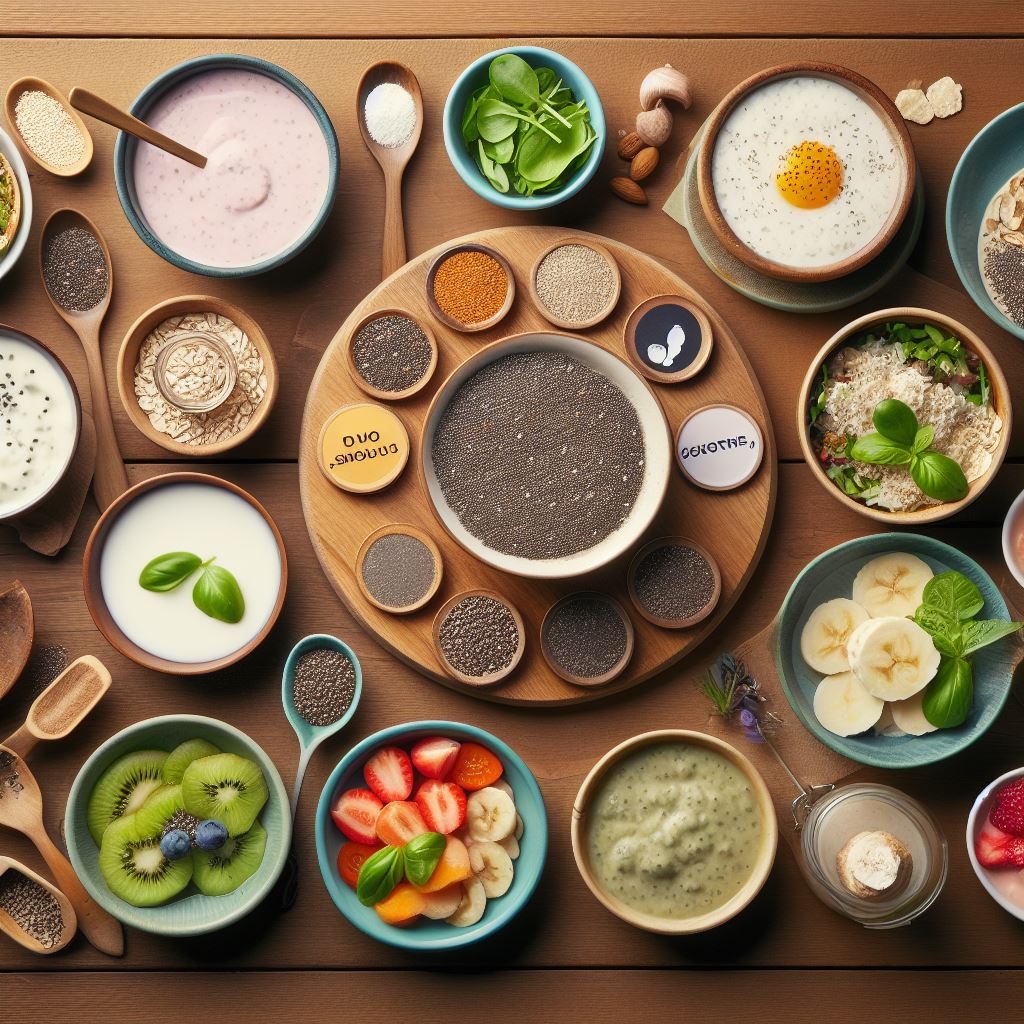
Chia seeds, derived from the plant Salvia hispanica, have gained immense popularity in recent years due to their impressive nutritional profile. Packed with fibre, protein, healthy fats, and various micronutrients, these tiny seeds are a powerhouse of energy. Not only are they good for you, but they can also add an interesting texture and flavour to your meals. If you’re wondering how to incorporate chia seeds into your diet in a fun and delicious way, look no further. Here are 10 creative and enjoyable ways to eat chia seeds:
1.Chia Seed Pudding:
One of the most popular ways to enjoy chia seeds is by making a chia seed pudding. Simply mix chia seeds with your favourite milk (almond, coconut, or regular dairy) and let them soak overnight. In the morning, you’ll have a delightful pudding-like texture. Add fruits, nuts, and a drizzle of honey for a tasty breakfast or snack.
2. Chia Seed Smoothies:
Boost the nutritional content of your smoothies by adding a spoonful of chia seeds. They not only provide a delightful crunch but also thicken the smoothie, making it more filling and satisfying. Combine them with your favourite fruits, yogurt, and a handful of spinach for a refreshing drink.
3. Chia Seed Jam:
Make a healthier version of jam by mixing chia seeds with mashed berries and a touch of sweetener. Let the mixture sit for a few hours, and you’ll have a delicious, homemade jam perfect for spreading on toast or mixing into yogurt.
4. Chia Seed Oatmeal:
Upgrade your morning oatmeal by sprinkling chia seeds on top. They add a nutty flavour and a chewy texture, making your breakfast not only healthier but also more interesting.
5. Chia Seed Energy Bars:
Create your own energy bars at home by combining chia seeds with nuts, dried fruits, honey, and oats. Press the mixture into a pan, refrigerate until firm, and then cut into bars. These homemade energy bars are perfect for a quick, nutritious snack on the go.
6. Chia Seed Salad Dressing:
Blend chia seeds with olive oil, lemon juice, garlic, and your favourite herbs to create a healthy and flavourful salad dressing. The chia seeds help thicken the dressing while adding a boost of nutrition to your salads.
7. Chia Seed Crackers:
Mix chia seeds with water, spices, and whole wheat flour to create a dough. Roll it out thinly, cut into small squares, and bake until crispy. These homemade chia seed crackers are great for dipping into hummus, guacamole, or salsa.
8. Chia Seed Muffins:
Add chia seeds to your favourite muffin recipe for an extra crunch and a nutritional boost. Whether it’s blueberry, banana, or chocolate chip muffins, chia seeds can easily be incorporated into the batter.
9. Chia Seed Yogurt Parfait:
Layer chia seed pudding with yogurt and fresh fruits to create a delightful parfait. The combination of creamy yogurt, chewy chia seeds, and sweet fruits makes for a satisfying and visually appealing dessert.
10. Chia Seed Ice Cream:
Blend frozen bananas with a splash of milk and chia seeds to create a creamy and healthy ice cream alternative. The chia seeds add a fun texture to the ice cream, making it a hit with both kids and adults.
Incorporating chia seeds into your diet can be both nutritious and enjoyable. These versatile seeds can be used in various recipes, adding a nutritional punch and an interesting texture to your meals and snacks. So, go ahead and experiment with these fun ways to eat chia seeds, and enjoy the health benefits along with the delicious flavours!





 Inside Out Wellbeing