Ghee/ healthier then butty?

In recent years, there has been a growing interest in ghee as a potential alternative to butter. Originating in ancient India, ghee has gained popularity in various cuisines around the world. With its rich aroma and distinct flavour, ghee has become a staple ingredient in many households. But how does it compare to butter in terms of health benefits? In this article, we will explore the nutritional profile of ghee and butter to determine if ghee can be considered a healthier option.

Understanding Ghee and Butter
Ghee and butter both originate from milk, but they undergo different preparation processes. Butter is made by churning cream or milk until the fat separates from the liquid, resulting in a semi-solid product. Ghee, on the other hand, is clarified butter. It involves simmering butter until the water content evaporates, leaving behind only the pure butterfat.

Nutritional Comparison

When it comes to comparing the nutritional content of ghee and butter, it’s important to note that they are both high in saturated fat. However, ghee has some distinct advantages:

  1. Lactose and Casein-Free: During the clarification process, the milk solids and water in butter are removed, which means that ghee is virtually lactose and casein-free. This makes it a suitable option for individuals with lactose intolerance or dairy allergies.
  2. Rich in Fat-Soluble Vitamins: Ghee contains significant amounts of fat-soluble vitamins such as vitamins A, D, E, and K. These vitamins play essential roles in various bodily functions, including vision, bone health, and immune system support.
  3. Higher Smoke Point: Ghee has a higher smoke point compared to butter, which means it can be heated to higher temperatures without breaking down and producing harmful compounds. This makes ghee more suitable for cooking methods that require high heat, such as frying and sautéing.
  4. Rich in Conjugated Linoleum Acid (CLA): Ghee contains higher levels of conjugated linoleum acid (CLA) compared to butter. CLA is a type of fatty acid that has been associated with potential health benefits, including anti-inflammatory and anti-cancer properties.

On the other hand, butter has a slightly different nutritional profile:

  1. Rich in Omega-3 Fatty Acids: Butter sourced from grass-fed cows is a good source of omega-3 fatty acids, which are beneficial for heart health and brain function.
  2. Contains Butyrate: Butter contains butyrate, a short-chain fatty acid that has been linked to improved gut health and reduced inflammation.

Moderation and Individual Needs
While ghee offers certain advantages over butter, it’s important to remember that both ghee and butter are calorie-dense and high in saturated fat. Therefore, moderation is key when consuming these fats. It’s recommended to limit overall saturated fat intake to maintain a healthy diet and reduce the risk of cardiovascular diseases.
It’s also important to consider individual dietary needs and preferences. For individuals who are lactose intolerant or have dairy allergies, ghee may be a suitable alternative. However, those seeking a source of omega-3 fatty acids or butyrate may prefer grass-fed butter.

Ghee and butter each have their own unique qualities and nutritional profiles. While ghee is lactose and casein-free, rich in fat-soluble vitamins, and has a higher smoke point, butter provides omega-3 fatty acids and butyrate. Both options should be consumed in moderation due to their high saturated fat content.
Ultimately, the choice between ghee and butter comes down to personal preference and dietary needs. It’s always advisable to consult with a healthcare professional or registered dietitian to determine the best option for your individual circumstances.

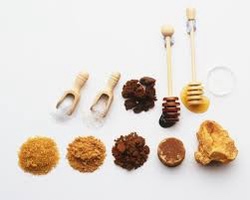
Benefits of Bee Propolis.

Exploring the Natural Wonder: Propolis – Nature’s Healing Secret

Nature has always amazed us with its vast array of medicinal treasures, and one such marvel is propolis. Often referred to as “nature’s antibiotic,” propolis is a resinous substance created by honeybees by collecting resin from trees and combining it with beeswax and enzymes. This extraordinary compound possesses numerous health benefits and has been used for centuries in traditional medicine. Join us as we delve into the world of propolis and uncover its incredible properties. 

Origins and Composition

Derived from the Greek words’ “pro” (meaning “in defence of”) and “polis” (meaning “city”), propolis is aptly named as it serves as a protective shield within the beehive. Bees collect resin from various plant sources, such as tree buds, sap flows, and botanical exudates, to create propolis. Common sources include poplar, birch, and conifer trees. The composition of propolis can vary depending on the geographic location and the plant sources available to the bees. However, it typically contains a rich mixture of polyphenols, flavonoids, essential oils, vitamins, minerals, amino acids, and enzymes. This diverse combination is what gives propolis its potent medicinal properties.

Health Benefits

Immune-Boosting Properties: Propolis is renowned for its immunomodulatory effects, meaning it helps regulate and strengthen the immune system. Its various components, such as flavonoids and polyphenols, possess antioxidant and anti-inflammatory properties, which can help protect the body against infections and diseases.

Antimicrobial and Antibacterial Action: Propolis has shown impressive antimicrobial and antibacterial properties. It exhibits broad-spectrum activity against various pathogens, including bacteria, viruses, fungi, and parasites. This natural defence mechanism of the bees helps to maintain the hygiene and integrity of the hive.

Wound Healing Abilities: Due to its antimicrobial properties and the presence of bioactive compounds, propolis has been used to promote wound healing for centuries. It can accelerate tissue regeneration, reduce inflammation, and protect against infection, making it a valuable natural remedy for minor cuts, burns, and skin irritations. 

Oral Health Benefits: Propolis is commonly utilized in oral care products due to its potent antibacterial and anti-inflammatory properties. It can help combat dental plaque, gum diseases, and oral infections. Some studies suggest that propolis may even aid in the prevention of cavities and promote overall oral health.

Antioxidant Potential: The high concentration of antioxidants in propolis helps neutralize harmful free radicals in the body, reducing oxidative stress and potential damage to cells. This antioxidant activity contributes to its anti-aging effects and its potential protective role against chronic diseases.

How to use propolis 

Propolis is available in various forms, including tinctures, capsules, creams, and lozenges. It can also be found as an ingredient in natural health products, toothpaste, and mouthwashes. When using propolis, it is essential to follow the recommended dosage and instructions provided by the manufacturer or consult a healthcare professional for guidance.

Propolis is truly a gift from nature, showcasing its remarkable healing powers through the diligent work of honeybees. With its immune-boosting, antimicrobial, wound-healing, and antioxidant properties, propolis has rightfully earned its place as a valuable natural remedy. While propolis has been used for centuries in traditional medicine, it is essential to consult healthcare professionals for personalized advice and guidance on incorporating propolis into your wellness routine.

As we continue to explore the world of natural remedies, let us not forget the humble bees and their exceptional creation, propolis—an extraordinary substance that continues to captivate.

5 Natural Sweeteners That Are Good for Your Health


We all have a sweet tooth, but consuming excessive amounts of refined sugar can have detrimental effects on our health. Fortunately, there are several natural alternatives available that not only satisfy our cravings but also provide additional health benefits. In this blog post, we will explore five natural sweeteners that are not only delicious but also good for your overall well-being.


Raw Honey: Raw honey is a sweet and flavourful liquid produced by bees from the nectar of flowers. Unlike processed honey, raw honey is unfiltered and unpasteurized, which means it retains its natural enzymes, antioxidants, and trace minerals. It has antimicrobial properties and can help soothe a sore throat, support digestive health, and provide a natural energy boost. However, it’s important to consume honey in moderation due to its high fructose content.


Maple Syrup: Maple syrup is a popular natural sweetener derived from the sap of maple trees. It contains essential minerals like manganese and zinc, as well as antioxidants that can help reduce inflammation in the body. Maple syrup also has a lower glycaemic index than regular sugar, meaning it causes a slower rise in blood sugar levels. Its distinct flavour makes it a delightful addition to pancakes, waffles, and baked goods.


Stevia: Stevia is a zero-calorie sweetener extracted from the leaves of the stevia plant. It is an excellent choice for individuals watching their sugar intake or managing diabetes since it doesn’t raise blood sugar levels. Stevia is incredibly sweet, so only a small amount is needed to achieve the desired sweetness. It is available in powdered or liquid form and can be used in beverages, desserts, and even homemade sauces.


Coconut Sugar: Coconut sugar, also known as coconut palm sugar, is derived from the sap of coconut palm trees. It has a rich flavour like brown sugar, making it a fantastic alternative in baking recipes. Coconut sugar contains nutrients such as potassium, iron, zinc, and B vitamins, along with inulin, a type of fibre that supports gut health. However, it’s still important to use coconut sugar in moderation as it contains calories and fructose.


Date Paste: Date paste is made by blending dates with water until smooth, creating a thick, sweet paste. Dates are a natural source of fiber, potassium, and antioxidants. This sweetener works well in baking recipes, smoothies, and raw desserts. Since dates are high in natural sugars, it’s advisable to use date paste sparingly and balance it with other ingredients to maintain a healthy intake of sugars.


Date Paste: Date paste is made by blending dates with water until smooth, creating a thick, sweet paste. Dates are a natural source of fiber, potassium, and antioxidants. This sweetener works well in baking recipes, smoothies, and raw desserts. Since dates are high in natural sugars, it’s advisable to use date paste sparingly and balance it with other ingredients to maintain a healthy intake of sugars.


Conclusion: Reducing our consumption of refined sugar is a step towards a healthier lifestyle. Incorporating these natural sweeteners into our diets provides a better alternative to satisfy our sweet cravings while also offering additional health benefits. From the rich flavours of raw honey and maple syrup to the zero-calorie sweetness of stevia, there are plenty of options to choose from. Experiment with these natural sweeteners and enjoy the journey of discovering healthier and delicious ways to indulge your sweet tooth. Remember, moderation is key to maintaining a well-balanced diet.

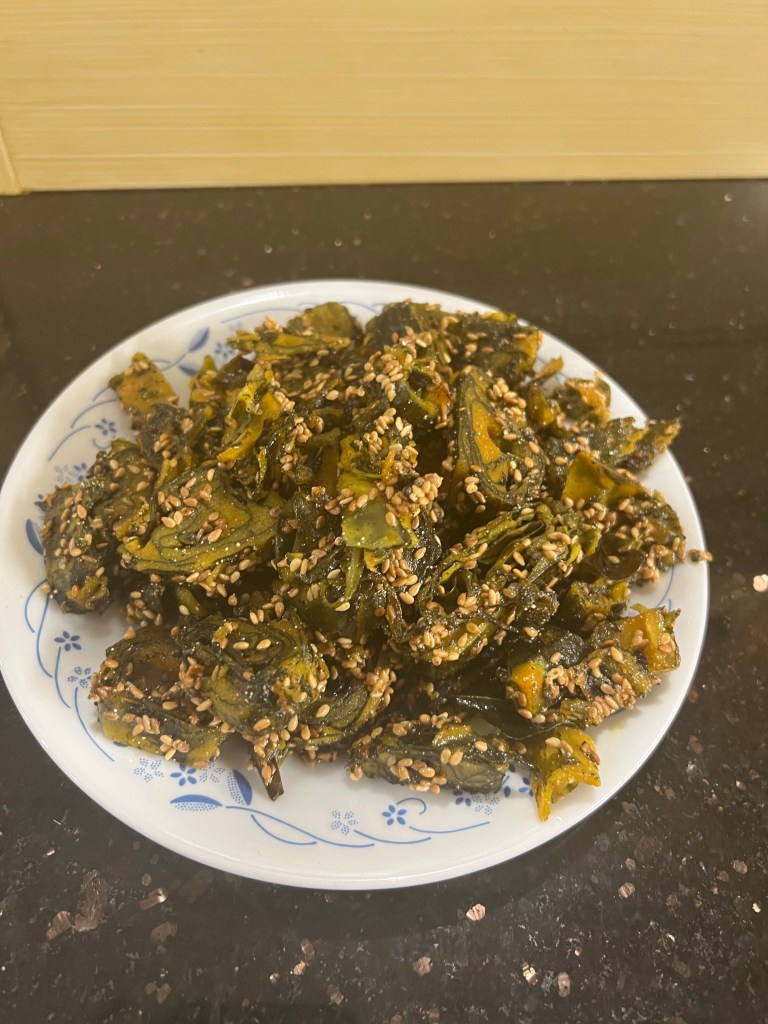
Patra Pinwheels

Alu Wadi also known as Patra in Gujarati, are a traditional Maharashtrian-Gujarati appetizer and can be enjoyed at any time of the day. A tasty delicacy that is made with gram flour, ginger-chilli paste and a selection of spices. Easy to make, that can be served in under an hour.

Ingredients

6 washed and dried Colocasia Leaves

For the Paste

1 tsp Turmeric powder            

1 tbs Jaggery                                  

1 tsp Coriander Powder      

1/2 tsp Red Chilli powder

1/2 tsp Asafoetida

2 cups Gram flour

2 tsp finely chopped ginger

2 tbs yoghurt

1/2 cup Tamarind Water

1 tbs Oil

Salt

For the Seasoning 

1 tsp Cumin seeds

1 tsp Mustard seeds

1 tbs oil

1/4 tsp Asafoetida

2 tsp Sesame seeds

3 Curry leaves

2 tbs grated coconut.

Method

To make the patra paste, place all the ingredients that I have listed for the paste in the ingredients section into a large mixing bowl, to that add a little bit little water to help make a thick paste in a bowl. 

After adding the water, mix everything together properly till it turns into a paste.

Take the 6 large colocasia leaves, wash them and dry them with kitchen roll. Then gently remove the thick veins of the leaves with a knife.

Now smear the besan paste evenly on the Colocasia leaf and a little bit of the besan mixture on another leaf, place it on the first leaf with the tip pointing in the opposite direction.

Keep doing this until there is 4 layers with 4 leaves, then fold the left and right-side inwards and keep smearing the besan paste while rolling to make a log.

Now Preheat the steamer, grease the steamer plates with oil and place the patra log in the steamer and cover it.

Steam for about 10 minutes, then remove it from the steamer and allow it to cool down for around 10 mins.

Once it has cooled down, cut the log into slim pinwheels.

How to make the seasoning.

Heat oil In a large wok on a medium heat, then add in the mustard seeds, cumin seeds, sesame seeds and let them crackle.

Once crackled, add in the asafoetida and curry leaves. Cook for about 30 seconds, then add in the patra pinwheels, let them cook on a low heat till they turn golden in colour.

Then take them of the heat and place them onto a platter and garnish with grated coconut and fresh and serve.

One Pot Red Lentil Pasta

One Pot Red Lentil Pasta

This is my go to recipe on a busy day, it only takes 5-10mins to make and is a nutritionally balanced meal.

Lentil pasta is an excellent alternative as it’s high in fiber and protein. Lentils are aslo loaded with folate, iron, phosphorus and potassium. Lentil pasta is rich in fiber. Fiber intake helps reduce the risk of developing heart disease, diabetes and stroke.

Ingredients

1 can of tomato tin

1 small bowl of pasta

I small bowl of diced onion

5 cloves of minced garlic

1 tsp thyme

1 tsp oregano

500 ml veg broth

Salt and pepper to tatse

Fresh Basil

Chesse (optional)

In a large pan add in the red lentil pasta, tin tomato, diced onion and minced garlic, spices and the veg broth. Mix together, then add in salt and pepper.

Let it simmer on a slow gas till most of the liquid is absorbed.

Then add in fresh basil and mix well. After a few minutes turn of the heat.

Place is a serving bowl, add more fresh basil, chesse and enjoy.

Roasted Chickpea & Tortilla chips Salad

Chickpeas is superfood, as well as being an excellent source of plant-based protein and high in fiber. Chikpeas are filling and very beneficial for digestion and gut health.

A cooked cup of chickpeas contains 12.5 grams of fiber and 14.5 grams of protein. With only 268 calories.

Adding a rainbow salad salad to your diet help to decreases inflammation in prevent cancer. Keeps our immune system strong and our skin healthy, as well as good vision.• Keeps our bones, teeth and nails strong and also prevents blood clots.

Tortilla chips adds a crunch to the sald and thry are low in fat.

Ingredients

1 can of chickpeas

Half bag of Tortilla chips

1 tsp red chilli

Cilantro

1 tsp oinion powder

1 tsp garlic powder

1 tsp cumin powder

1 tsp salt

2 tbs lemon juice

2 tbs olive oil

Romaine lettuce

Red cabbage,

Tomatos

Sweetcorn

Avocado

Method

Drain the can of chickpeas, wash and dry them. Then place thr chikpeas in a large mixing bowl.

In a small bowl add all the spices, lemon juice and olive oil and mix together to make a smooth paste.

Preheat the oven to 400°F (200°C).

Add the spice paste to the chickpea bowl and mix well. Place the coated chickpeas in to a baking tray and roast in thr oven.

How to make the dressing:

In a blender add 1 chopped shallot, bunch of cilantro, pinch of salt, black pepper, 2 minced garlic cloves, half a lemon jucice and olive oil. Blitz till smooth and pour into a serving cup.

In a serving bowl place Romaine lettuce, red cabbage, tomatoes, sweetcorn, avocado, cilantro. Then add in the roasted chickpeas and strips of tortillas chips.

Drizzle the the dressing and mix well and serve.

Fermented Food

Let’s talk about Fermented Foods.

What is Fermented Food?

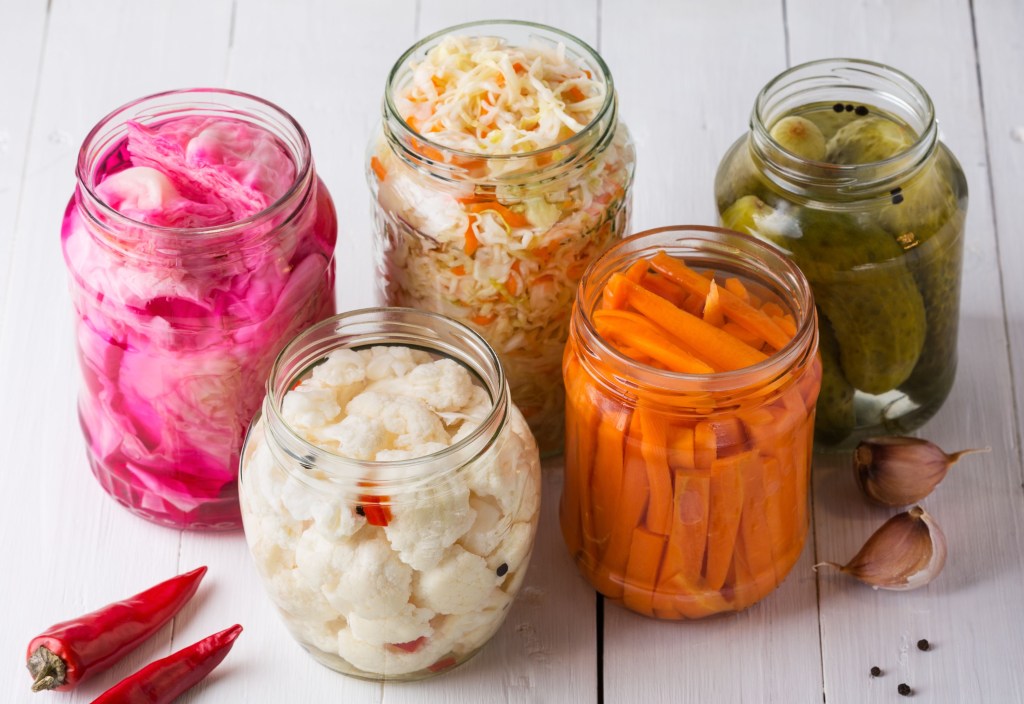
Fermented foods undergone controlled microbial growth and fermentation. Fermentation is an anaerobic process in which microorganisms like yeast and bacteria break down food components (e.g. sugars such as glucose) into other products (e.g. organic acids, gases or alcohol). This gives fermented foods their unique and desirable taste, aroma, texture and appearance.

Vegetarian & Vegan friendly fermented foods

👉 Sauerkraut.

👉 Plain Yogurt.

👉 Dry Curd Cottage Cheese or Farmer’s Cheese, or fermented cottage cheese.

👉 Certain aged cheeses (check label for live and active cultures)

👉 Kimchi.

👉 Pickled vegetables – cucumbers, carrots, radishes, green beans, cauliflower,

👉 Kombucha.

👉 Water kefir.

👉 Tempeh.

👉 Sourdough bread.

👉 Miso.

👉 Mangos.

👉 Apples.

👉 Blueberries.

👉 Strawberries.

👉 Raspberries.

👉 Blackberries.

👉 Peaches.

👉 Fortified dairy alternatives

👉 Supplements

Health benefits:

💪🏽 Improved Gut Health: Fermented foods contain probiotics, which are beneficial b bacteria that help improve the balance of good bacteria in the gut. This can help improve digestive health and boost immunity.

💪🏽 Better Absorption of Nutrients: Fermented foods are often easier to digest, which can help improve the absorption of essential vitamins and minerals from food.

💪🏽 Boosted Immune System: Probiotics can help strengthen the immune system and reduce the risk of illness.

💪🏽 Reduced Inflammation: Some fermented foods contain anti-inflammatory properties, which can help reduce inflammation in the body and protect against chronic diseases.

💪🏽 Improved Mental Health: Probiotics have been linked to improved mood and cognitive function, making fermented foods a great option for those looking to maintain good mental health.

💪🏽 Increased Antioxidant Content: Fermented foods often contain higher levels of antioxidants, which help protect the body from harmful free radicals and oxidative stress.

💪🏽 Better Weight Management: Some fermented foods have been linked to improved weight management, including increased feelings of fullness and reduced calorie intake.

💪🏽 Reduced Risk of Certain Diseases: Fermented foods have been linked to a reduced risk of certain diseases, including heart disease, type 2 diabetes, and certain types of cancer.

Spicy Roasted Chickpeas

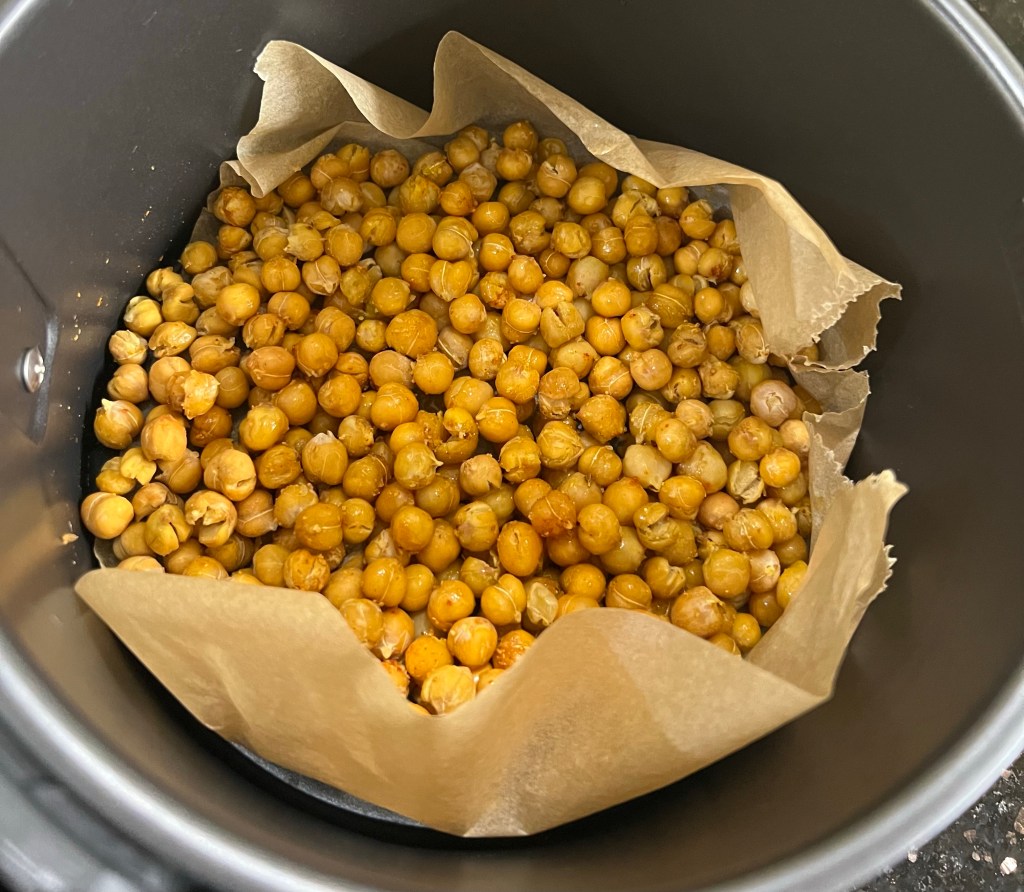
Roasted Spiced Chickpeas are so simple to make and full of taste. They make an excellent snack.

Chickpeas is superfood, as well as being an excellent source of plant-based protein and high in fiber. Chikpeas are filling and very beneficial for digestion and gut health.

A cooked cup of chickpeas contains 12.5 grams of fiber and 14.5 grams of protein. With only 268 calories.

Ingredients

Serves 1

1 Chickpea can, drained and rinsed.

1 tablespoon olive oil

1 teaspoon ground cumin

1 teaspoon turmeric powder

1 teaspoon chilli powder

1 teaspoon salt

1 teaspoon coriander powder

Method

Preheat the oven to 400°F (200°C).

Drain, rinse and dry the chickpeas.

More drier the chickpeas are the more crunchier they will become once cooked.

Spread the chickpeas out on a parchment paper-lined baking sheet.

Add olive oil, cumin, turmeric, chilli powder, coriander powder and salt to the chickpeas and toss well till coated evenly.

Roast the chickpeas for 20-25 minutes for oruntil browned.

Let then to cool for 5 minutes and serve.

Carrot Fries

👉 A Powerful Antioxidants.

👉 This powerful & nutritious root vegetable is rich in antioxidants including lycopene, vitamin C, Zeaxanthin, and lutein.

👉 help fight inflammation, viruses, harmful bacteria, free radical damage, and various diseases.

Ingredients

4 large carrots

3 tbsp olive oil

For seasoning

Salt and pepper to taste

2 tsp paprika powder

1 tsp chilli powder

2 tsp oregano

2 tsp basil

Method

Preheat the oven to 350F/180C

Start with peeling and cutting the carrots lengthwise & then half agin.

Place the carrots in a bowl and add in the olive oil and spices and herbs. Mix well till the carrots are well covered.

Spread the carrots evenly on a lined baking sheet.

Bake the carrot fries in the oven for 20-30mins or till crispy and serve.

Chia pudding Bowl.

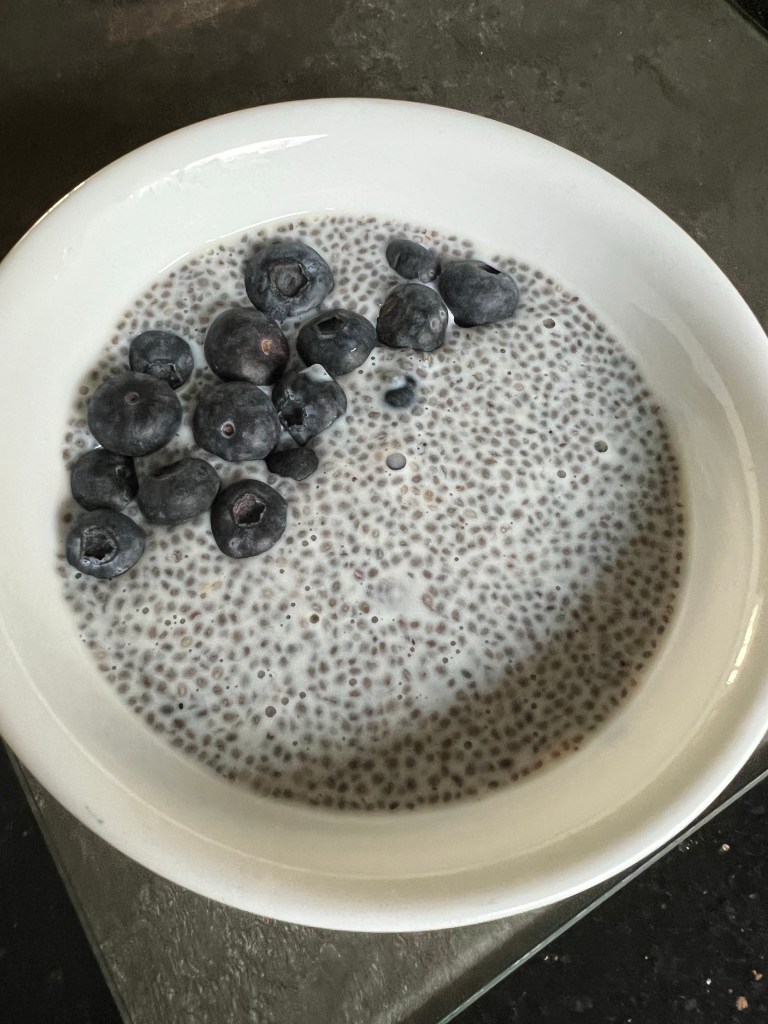
Chia pudding blowl is a dense and filling breakfast. Chia seeds is a super food. They are high in fibre, antioxidants,, protien and omega3 fatty acids.

Ingredients

200ml plant base milk

2 tbsp Chia seeds

1 tsp vanilla extract

1 tsp maple syrup

A dash of cinnamon

Method

Toppings

Blueberries

Kiwi

Seeds

Method

Place all the ingredients into a mason jar, close it tightly and shake it.

Place thr jar in the refrigerator overnight.

Next day, emptty the puddibg into a bowl and stir well as the chia seeds will expand.

Add toppings of your choice and enjoy.