Herbs and Spices That Fight Inflammation

Inflammation is a natural response of the body to injury or infection. However, when inflammation becomes chronic, it can contribute to various health issues such as arthritis, heart disease, and even cancer. While there are medications available to manage inflammation, incorporating herbs and spices into your diet can provide a natural and flavourful way to combat inflammation. In this article, we will explore nine herbs and spices that have been scientifically shown to possess powerful anti-inflammatory properties.

  1. Turmeric is a vibrant yellow spice commonly used in Indian and Asian cuisines. Curcumin, its active compound, has been extensively studied for its potent anti-inflammatory effects. Turmeric helps to reduce inflammation by inhibiting the activity of inflammatory enzymes and molecules in the body. Incorporating turmeric into your diet is as simple as adding it to curries, stir-fries, smoothies, or even golden milk.
  2. Ginger: is well-known for its ability to soothe digestive issues, but it also possesses strong anti-inflammatory properties. Ginger, the primary bioactive compound in ginger, has been shown to reduce inflammation by inhibiting certain inflammatory pathways in the body. You can enjoy ginger by adding it to teas, stir-fries, soups, or even grated into salad dressings.
  3. Cinnamon not only adds warmth and flavour to dishes but also possesses anti-inflammatory properties. It contains compounds such as cinnamaldehyde, which has been shown to reduce inflammation and lower the risk of chronic diseases. Sprinkle cinnamon on oatmeal, yogurt, or include it in baked goods to enjoy its health benefits.
  4. Garlic: is a staple in many culinary traditions and has been used for centuries for its medicinal properties. It contains sulphur compounds, such as allicin, which have been found to possess anti-inflammatory and antioxidant effects. Adding garlic to your dishes not only enhances their flavour but also boosts their anti-inflammatory potential.
  5. Rosemary is an aromatic herb that not only adds delightful flavour to dishes but also offers anti-inflammatory benefits. It contains rosmarinic acid, a compound known for its anti-inflammatory properties. Incorporate rosemary into your cooking by using it as a seasoning for roasted vegetables, grilled meats, or homemade salad dressings.
  6. Basil: a popular herb in Mediterranean cuisine, is not only fragrant but also possesses anti-inflammatory properties. Its essential oils, such as eugenol, have been shown to inhibit inflammation in the body. Fresh basil leaves can be added to pasta dishes, soups, salads, or used to make pesto sauce.
  7. Cloves: are dried flower buds with a strong, aromatic flavour. They are rich in compounds like eugenol and flavonoids, which possess anti-inflammatory properties. Ground cloves can be added to spice blends, baked goods, or used to infuse flavour into beverages like chai tea.
  8. Sage is an herb that has been used for centuries due to its medicinal properties. It contains rosmarinic acid and other compounds that possess anti-inflammatory and antioxidant effects. Sage can be added to savoury dishes, used as a flavouring for roasted meats, or brewed into a refreshing tea.
  9. Oregano is a popular herb in Mediterranean and Mexican cuisines, known for its robust flavour. It contains compounds like rosmarinic acid and carvacrol, which have been shown to possess anti-inflammatory properties. Sprinkle dried oregano onto pizzas, pasta sauces, or roasted vegetables to enjoy its flavour and anti-inflammatory benefits.

Nature provides us with a vast array of herbs and spices that not only enhance the taste of our meals but also possess remarkable anti-inflammatory properties. Incorporating these herbs and spices into your diet can help combat chronic inflammation and contribute to overall health and well-being. So, spice up your meals with these flavourful additions and embrace the natural power of herbs and spices to fight inflammation and promote a healthier life.

Ghee/ healthier then butty?

In recent years, there has been a growing interest in ghee as a potential alternative to butter. Originating in ancient India, ghee has gained popularity in various cuisines around the world. With its rich aroma and distinct flavour, ghee has become a staple ingredient in many households. But how does it compare to butter in terms of health benefits? In this article, we will explore the nutritional profile of ghee and butter to determine if ghee can be considered a healthier option.

Understanding Ghee and Butter
Ghee and butter both originate from milk, but they undergo different preparation processes. Butter is made by churning cream or milk until the fat separates from the liquid, resulting in a semi-solid product. Ghee, on the other hand, is clarified butter. It involves simmering butter until the water content evaporates, leaving behind only the pure butterfat.

Nutritional Comparison

When it comes to comparing the nutritional content of ghee and butter, it’s important to note that they are both high in saturated fat. However, ghee has some distinct advantages:

  1. Lactose and Casein-Free: During the clarification process, the milk solids and water in butter are removed, which means that ghee is virtually lactose and casein-free. This makes it a suitable option for individuals with lactose intolerance or dairy allergies.
  2. Rich in Fat-Soluble Vitamins: Ghee contains significant amounts of fat-soluble vitamins such as vitamins A, D, E, and K. These vitamins play essential roles in various bodily functions, including vision, bone health, and immune system support.
  3. Higher Smoke Point: Ghee has a higher smoke point compared to butter, which means it can be heated to higher temperatures without breaking down and producing harmful compounds. This makes ghee more suitable for cooking methods that require high heat, such as frying and sautéing.
  4. Rich in Conjugated Linoleum Acid (CLA): Ghee contains higher levels of conjugated linoleum acid (CLA) compared to butter. CLA is a type of fatty acid that has been associated with potential health benefits, including anti-inflammatory and anti-cancer properties.

On the other hand, butter has a slightly different nutritional profile:

  1. Rich in Omega-3 Fatty Acids: Butter sourced from grass-fed cows is a good source of omega-3 fatty acids, which are beneficial for heart health and brain function.
  2. Contains Butyrate: Butter contains butyrate, a short-chain fatty acid that has been linked to improved gut health and reduced inflammation.

Moderation and Individual Needs
While ghee offers certain advantages over butter, it’s important to remember that both ghee and butter are calorie-dense and high in saturated fat. Therefore, moderation is key when consuming these fats. It’s recommended to limit overall saturated fat intake to maintain a healthy diet and reduce the risk of cardiovascular diseases.
It’s also important to consider individual dietary needs and preferences. For individuals who are lactose intolerant or have dairy allergies, ghee may be a suitable alternative. However, those seeking a source of omega-3 fatty acids or butyrate may prefer grass-fed butter.

Ghee and butter each have their own unique qualities and nutritional profiles. While ghee is lactose and casein-free, rich in fat-soluble vitamins, and has a higher smoke point, butter provides omega-3 fatty acids and butyrate. Both options should be consumed in moderation due to their high saturated fat content.
Ultimately, the choice between ghee and butter comes down to personal preference and dietary needs. It’s always advisable to consult with a healthcare professional or registered dietitian to determine the best option for your individual circumstances.

Pea Protein Powder: Nutrition, Benefits, and Side Effects

Protein powders have gained immense popularity in the health and fitness industry as a convenient and effective way to supplement one’s daily protein intake. Among the various protein powder options available, pea protein powder has emerged as a popular choice for many individuals, particularly those following plant-based or vegetarian diets. In this blog post, we will explore the nutrition, benefits, and potential side effects of pea protein powder.

Nutrition Profile of Pea Protein Powder:

Pea protein powder is derived from yellow peas, also known as Pisum sativum, and is produced by drying and grinding the peas into a fine powder. It offers an excellent nutritional profile, making it a viable alternative to other protein sources. Here are some key nutritional aspects of pea protein powder:

Protein Content: Pea protein powder is known for its high protein content. It typically contains around 20 to 25 grams of protein per serving, making it a suitable choice for individuals looking to increase their protein intake.

Essential Amino Acids: Pea protein powder is rich in essential amino acids, which are the building blocks of protein. It contains all nine essential amino acids, including lysine, isoleucine, leucine, valine, methionine, phenylalanine, threonine, histidine, and tryptophan.

Low in Carbohydrates and Fat: Pea protein powder is relatively low in carbohydrates and fat, making it a favourable option for those watching their macronutrient intake.

Benefits of Pea Protein Powder:

  1. Muscle Building and Recovery: Pea protein powder is an excellent choice for individuals engaged in strength training or physical activity that requires muscle repair and recovery. Its rich amino acid profile, especially the branched-chain amino acids (BCAAs), supports muscle protein synthesis, aiding in muscle growth and repair.
  2. Plant-Based and Vegan-Friendly: Pea protein powder is a valuable resource for individuals following a plant-based or vegan lifestyle. It offers a sustainable and cruelty-free protein source, allowing them to meet their daily protein requirements without relying on animal-based products.
  3. Digestive Health: Unlike other protein powders like whey, pea protein powder is lactose-free and easier to digest. It is a suitable option for individuals with lactose intolerance or sensitive digestive systems.
  4. Satiety and Weight Management: Protein is known to promote feelings of fullness and reduce appetite. Incorporating pea protein powder into meals or snacks can help control hunger and aid in weight management goals.

Potential Side Effects and Considerations:

While pea protein powder is generally safe for consumption, individuals should be aware of potential side effects and take necessary precautions:

  1. Allergies: Pea protein is derived from legumes, and individuals with legume allergies may experience adverse reactions. It is important to consult with a healthcare professional before incorporating pea protein powder if you have known allergies or sensitivities.
  2. Digestive Sensitivity: Some individuals may experience digestive issues, such as bloating, gas, or stomach discomfort, when consuming pea protein powder. Adjusting the serving size or trying different brands may help alleviate these symptoms.
  3. Heavy Metals: As with any plant-based protein powder, there is a potential risk of heavy metal contamination. It is advisable to choose pea protein powder from reputable brands that undergo thorough testing for purity and safety.

Pea protein powder offers a valuable plant-based protein source with numerous nutritional benefits. With its high protein content, essential amino acids, and suitability for various dietary needs, it has become a popular choice among fitness enthusiasts and individuals following plant-based diets. However, it is crucial to be mindful of potential allergies, digestive sensitivities, and the quality of

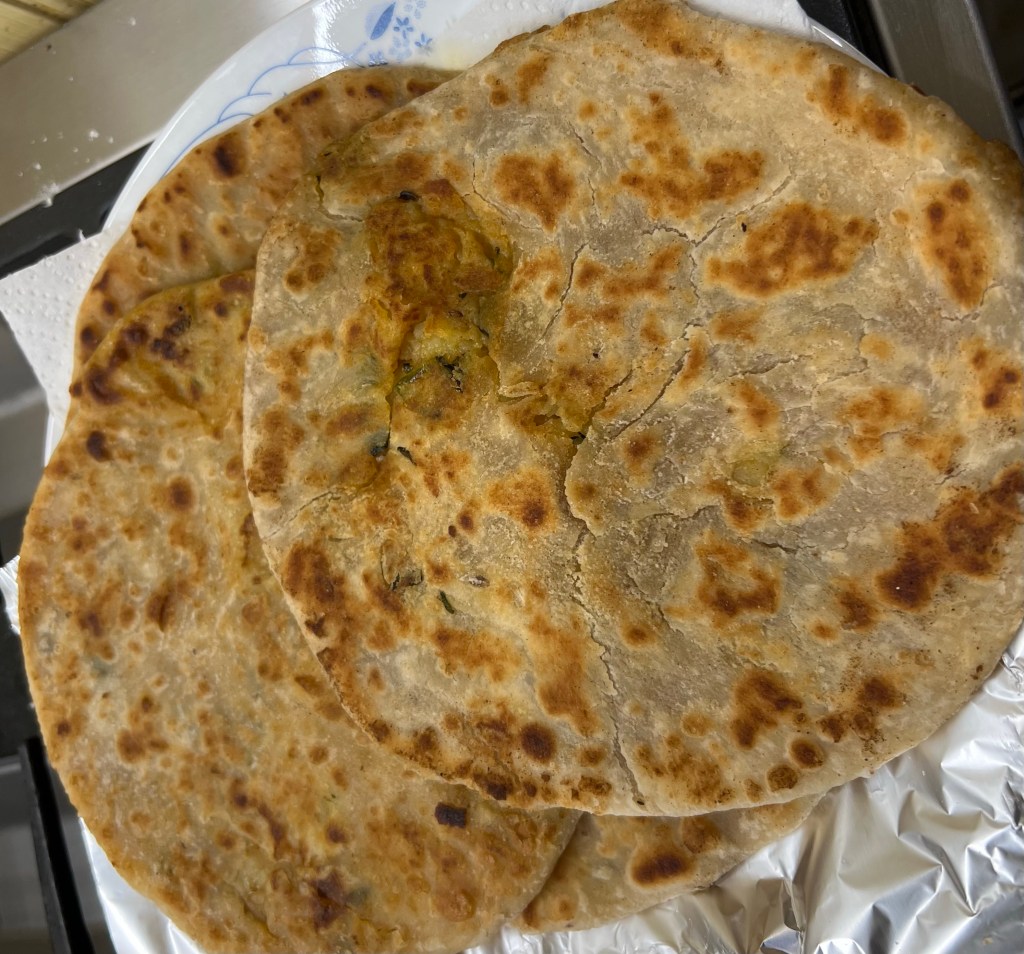
ALoo (potato) Paratha

ALoo (potato) Paratha

ALoo (potato) Paratha is an thick, soft and flaky Indian flatbread, that can be enjoyed at any time of the day. It originates from North India and a staple in many North Indian homes, Dhabas & restaurants. It is made with whole wheat flour, boiled potatoes, spices & herbsand served with Pickle and Yogurt.

Ingredients

For dough:

5 cup wheat flour

1 tsp salt

water (for kneading)

4 tbsp oil

for stuffing:

6 medium potatoes (boiled & mashed)

3 tsp chilli powder

1 tsp ajwain

3 tsp amchur

2 tsp cumin powder

2 tsp garam masala 

2 tsp salt

1.5 tsp coriander seeds

5 green chillies finely chopped.

4 tsp of fresh ginger paste

5 tbsp coriander finely chopped.

INSTRUCTIONS 

how to make dough 

Add 2 cups of wheat flour and 2 tsp salt to a large mixing bowl and mix well.

Add in water as needed and start to knead, then add in 2 tbsp oil and knead well to make a smooth and soft dough.

Cover the dough and leave for 10 mins.

how to make aloo stuffing for paratha:

In a large bowl place, the mashed potato, spices, green chillies and mix well ensuring all the ingredients are well combined.

how to make aloo paratha:

Get a ball sized dough and roll it out in 5 inches in diameter.

In the centre place a ball sized of the potato a stuffing and then take the edges of the dough and start pleating together and secure tight pinching off excess dough.Then sprinkle wheat flour and rollout the paratha, slightly thick.

Place the Paratha on a hot frying pan and cook the base for a minute and then flip it over to cook the other side. Keep flip the paratha once or twice more till both the sides are cooked properly.

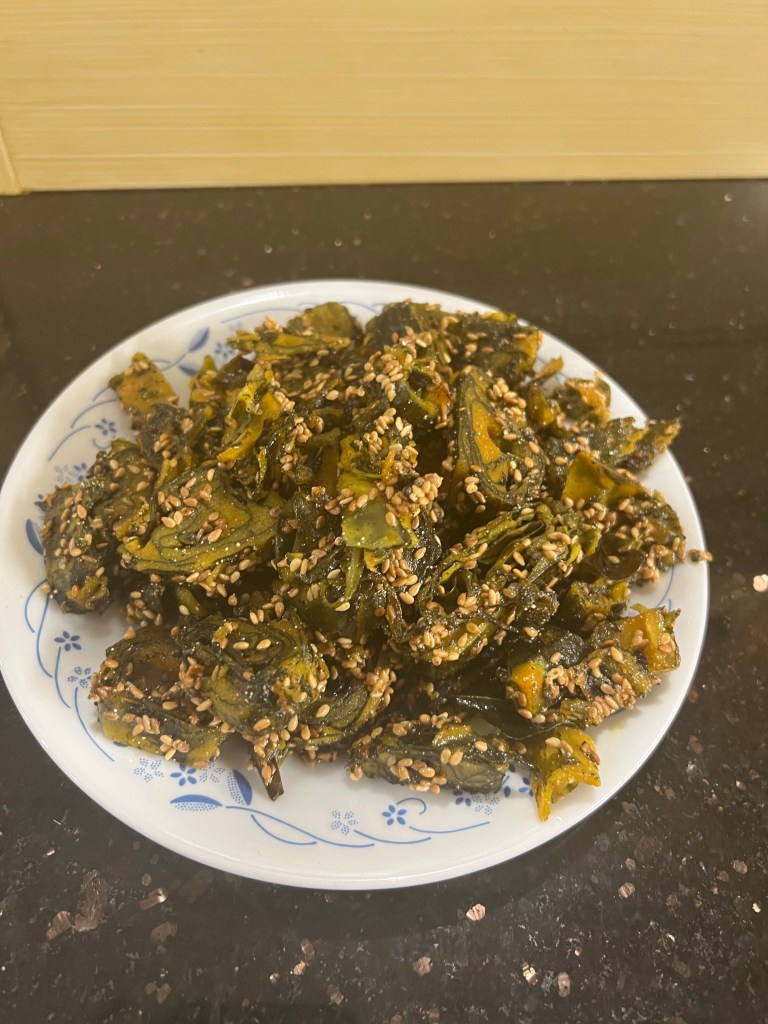
Patra Pinwheels

Alu Wadi also known as Patra in Gujarati, are a traditional Maharashtrian-Gujarati appetizer and can be enjoyed at any time of the day. A tasty delicacy that is made with gram flour, ginger-chilli paste and a selection of spices. Easy to make, that can be served in under an hour.

Ingredients

6 washed and dried Colocasia Leaves

For the Paste

1 tsp Turmeric powder            

1 tbs Jaggery                                  

1 tsp Coriander Powder      

1/2 tsp Red Chilli powder

1/2 tsp Asafoetida

2 cups Gram flour

2 tsp finely chopped ginger

2 tbs yoghurt

1/2 cup Tamarind Water

1 tbs Oil

Salt

For the Seasoning 

1 tsp Cumin seeds

1 tsp Mustard seeds

1 tbs oil

1/4 tsp Asafoetida

2 tsp Sesame seeds

3 Curry leaves

2 tbs grated coconut.

Method

To make the patra paste, place all the ingredients that I have listed for the paste in the ingredients section into a large mixing bowl, to that add a little bit little water to help make a thick paste in a bowl. 

After adding the water, mix everything together properly till it turns into a paste.

Take the 6 large colocasia leaves, wash them and dry them with kitchen roll. Then gently remove the thick veins of the leaves with a knife.

Now smear the besan paste evenly on the Colocasia leaf and a little bit of the besan mixture on another leaf, place it on the first leaf with the tip pointing in the opposite direction.

Keep doing this until there is 4 layers with 4 leaves, then fold the left and right-side inwards and keep smearing the besan paste while rolling to make a log.

Now Preheat the steamer, grease the steamer plates with oil and place the patra log in the steamer and cover it.

Steam for about 10 minutes, then remove it from the steamer and allow it to cool down for around 10 mins.

Once it has cooled down, cut the log into slim pinwheels.

How to make the seasoning.

Heat oil In a large wok on a medium heat, then add in the mustard seeds, cumin seeds, sesame seeds and let them crackle.

Once crackled, add in the asafoetida and curry leaves. Cook for about 30 seconds, then add in the patra pinwheels, let them cook on a low heat till they turn golden in colour.

Then take them of the heat and place them onto a platter and garnish with grated coconut and fresh and serve.

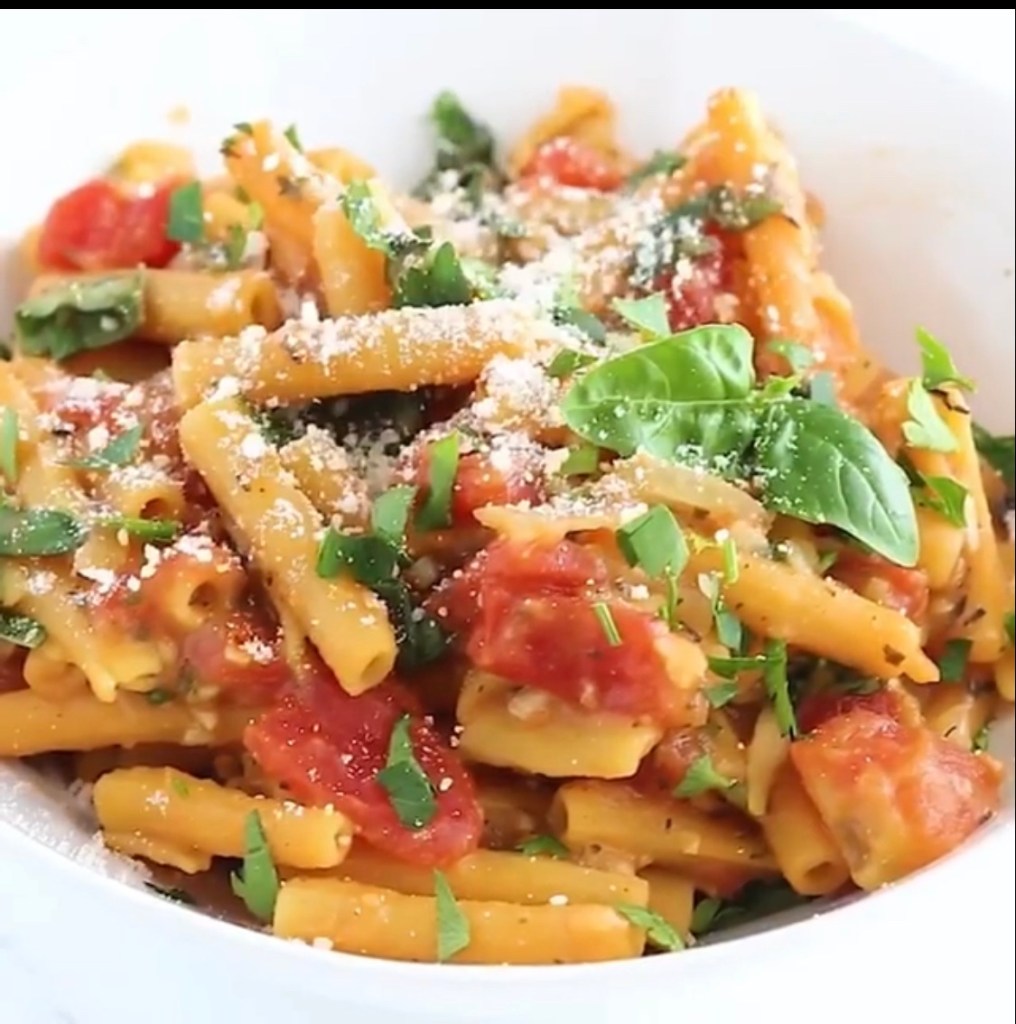
One Pot Red Lentil Pasta

One Pot Red Lentil Pasta

This is my go to recipe on a busy day, it only takes 5-10mins to make and is a nutritionally balanced meal.

Lentil pasta is an excellent alternative as it’s high in fiber and protein. Lentils are aslo loaded with folate, iron, phosphorus and potassium. Lentil pasta is rich in fiber. Fiber intake helps reduce the risk of developing heart disease, diabetes and stroke.

Ingredients

1 can of tomato tin

1 small bowl of pasta

I small bowl of diced onion

5 cloves of minced garlic

1 tsp thyme

1 tsp oregano

500 ml veg broth

Salt and pepper to tatse

Fresh Basil

Chesse (optional)

In a large pan add in the red lentil pasta, tin tomato, diced onion and minced garlic, spices and the veg broth. Mix together, then add in salt and pepper.

Let it simmer on a slow gas till most of the liquid is absorbed.

Then add in fresh basil and mix well. After a few minutes turn of the heat.

Place is a serving bowl, add more fresh basil, chesse and enjoy.

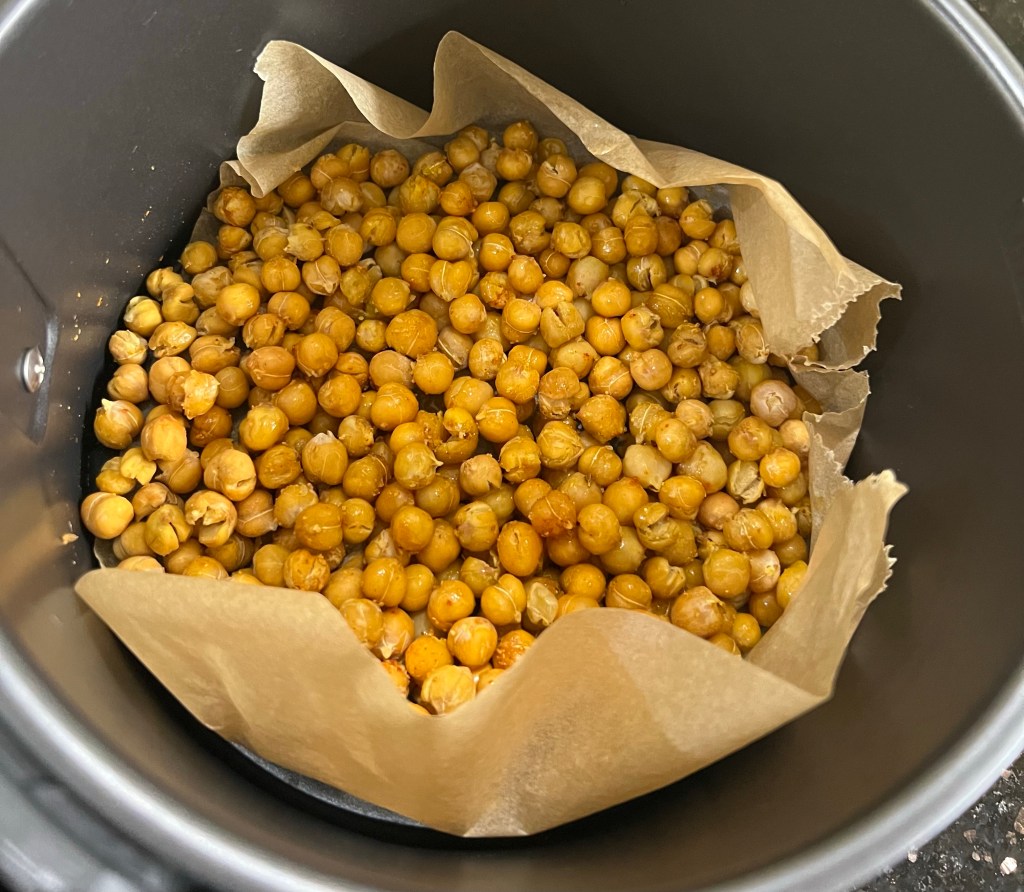
Spicy Roasted Chickpeas

Roasted Spiced Chickpeas are so simple to make and full of taste. They make an excellent snack.

Chickpeas is superfood, as well as being an excellent source of plant-based protein and high in fiber. Chikpeas are filling and very beneficial for digestion and gut health.

A cooked cup of chickpeas contains 12.5 grams of fiber and 14.5 grams of protein. With only 268 calories.

Ingredients

Serves 1

1 Chickpea can, drained and rinsed.

1 tablespoon olive oil

1 teaspoon ground cumin

1 teaspoon turmeric powder

1 teaspoon chilli powder

1 teaspoon salt

1 teaspoon coriander powder

Method

Preheat the oven to 400°F (200°C).

Drain, rinse and dry the chickpeas.

More drier the chickpeas are the more crunchier they will become once cooked.

Spread the chickpeas out on a parchment paper-lined baking sheet.

Add olive oil, cumin, turmeric, chilli powder, coriander powder and salt to the chickpeas and toss well till coated evenly.

Roast the chickpeas for 20-25 minutes for oruntil browned.

Let then to cool for 5 minutes and serve.

Carrot Fries

👉 A Powerful Antioxidants.

👉 This powerful & nutritious root vegetable is rich in antioxidants including lycopene, vitamin C, Zeaxanthin, and lutein.

👉 help fight inflammation, viruses, harmful bacteria, free radical damage, and various diseases.

Ingredients

4 large carrots

3 tbsp olive oil

For seasoning

Salt and pepper to taste

2 tsp paprika powder

1 tsp chilli powder

2 tsp oregano

2 tsp basil

Method

Preheat the oven to 350F/180C

Start with peeling and cutting the carrots lengthwise & then half agin.

Place the carrots in a bowl and add in the olive oil and spices and herbs. Mix well till the carrots are well covered.

Spread the carrots evenly on a lined baking sheet.

Bake the carrot fries in the oven for 20-30mins or till crispy and serve.

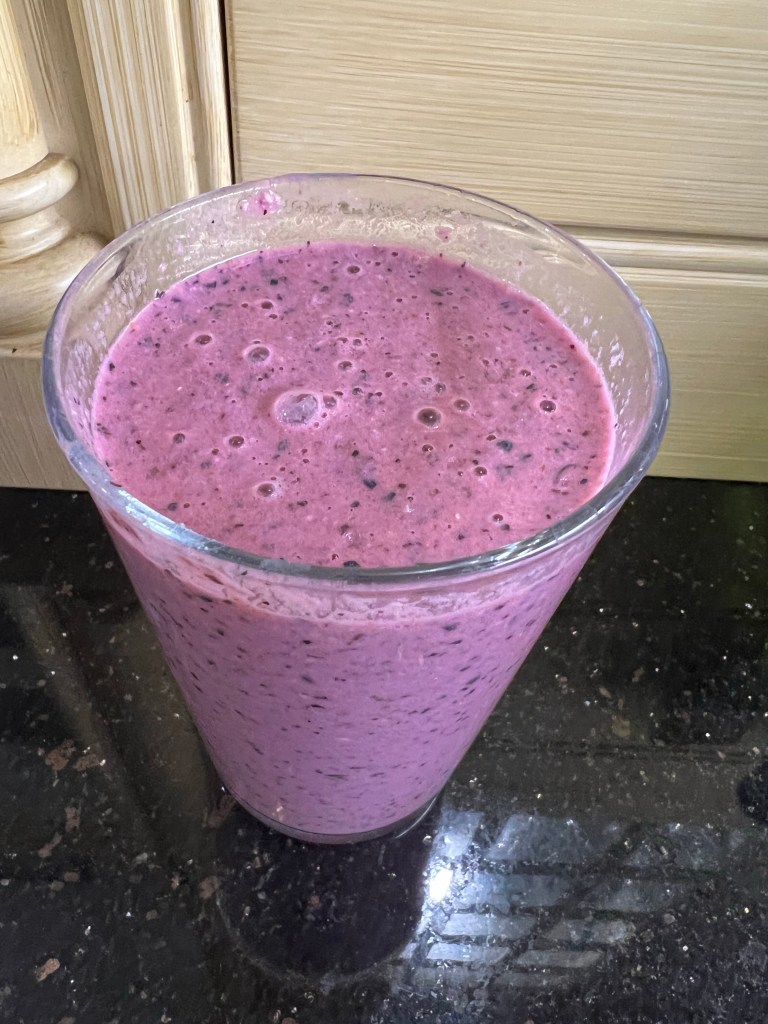
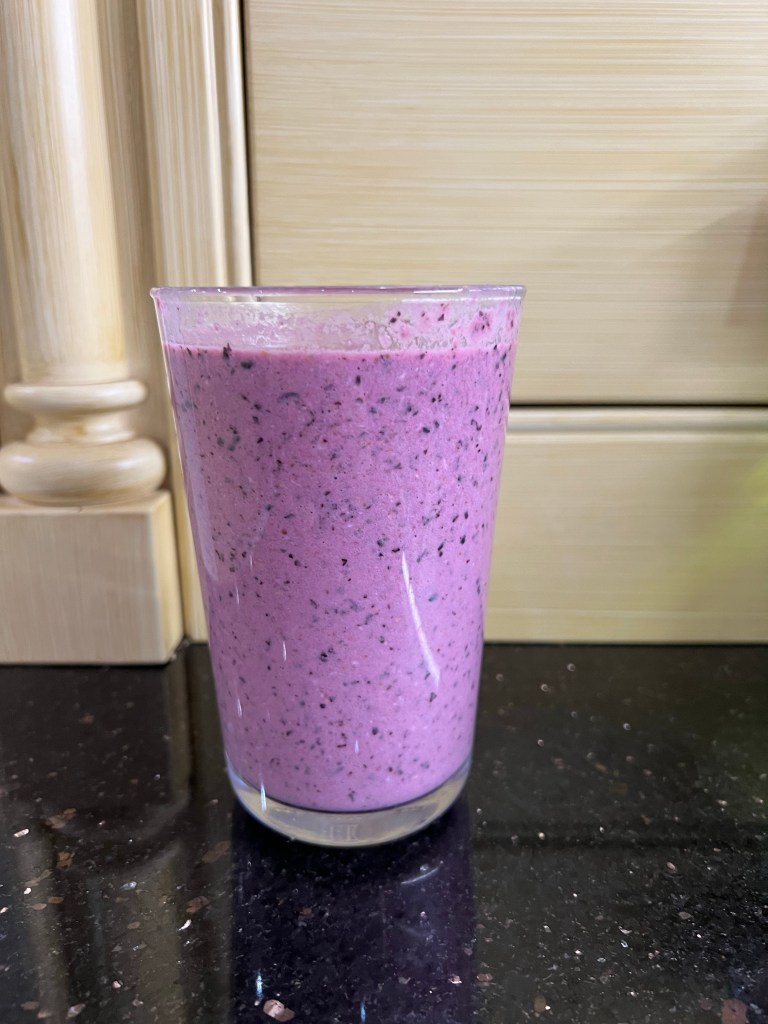
Blueberry & Oat Breakfast smoothie

This is a delicious low fat high protein smoothie, making it an ideal healthy breakfast idea. It is so simple to make and filling to keep you going till lunch time.

Ingredients

100g blueberries

40g oats

1 tbsp chia seeds

200ml plant base milk

100g yogurt

Method

Start with placing all the ingredients into a blender.

Now blitz till smooth, pour the smoothie into a glass and enjoy.

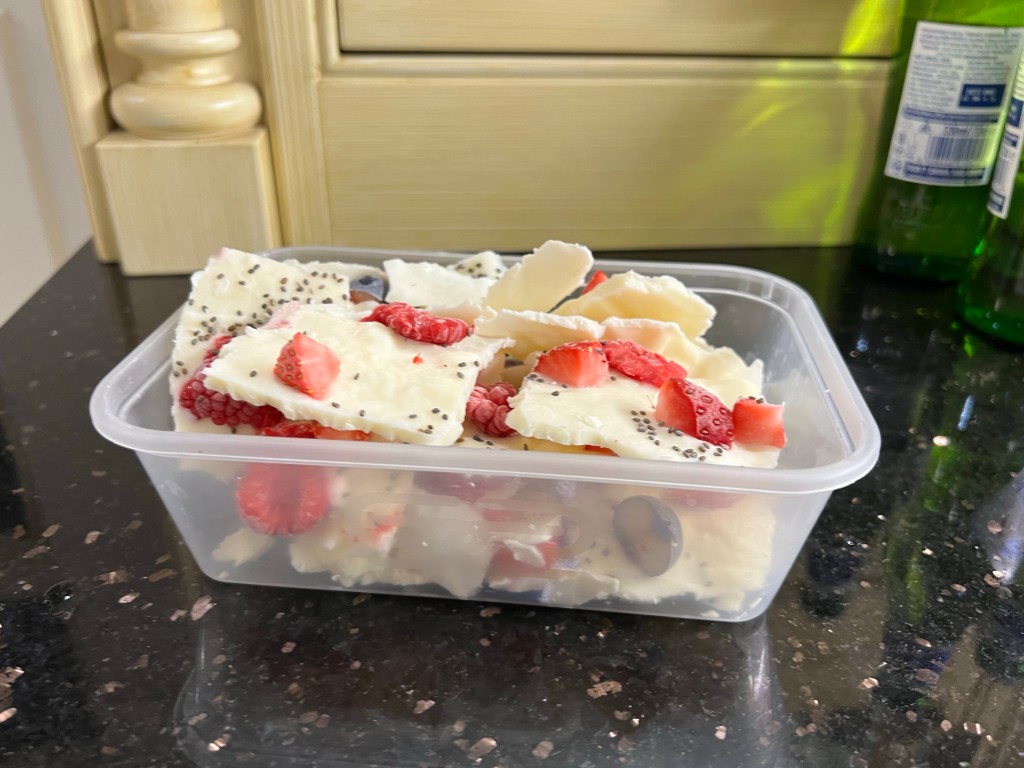
Yoghurt Bark

Frozen yogurt bark with fruit toppings is the perfect healthy protien snack. This recipe is so simple to make.

Ingredients

500g greek yogurt

3 tbsp honey

5 fresh blueberries

5 fresh strawberries

5 fresh Raspberries

Method

Start by mixing the yogurt and honey together.

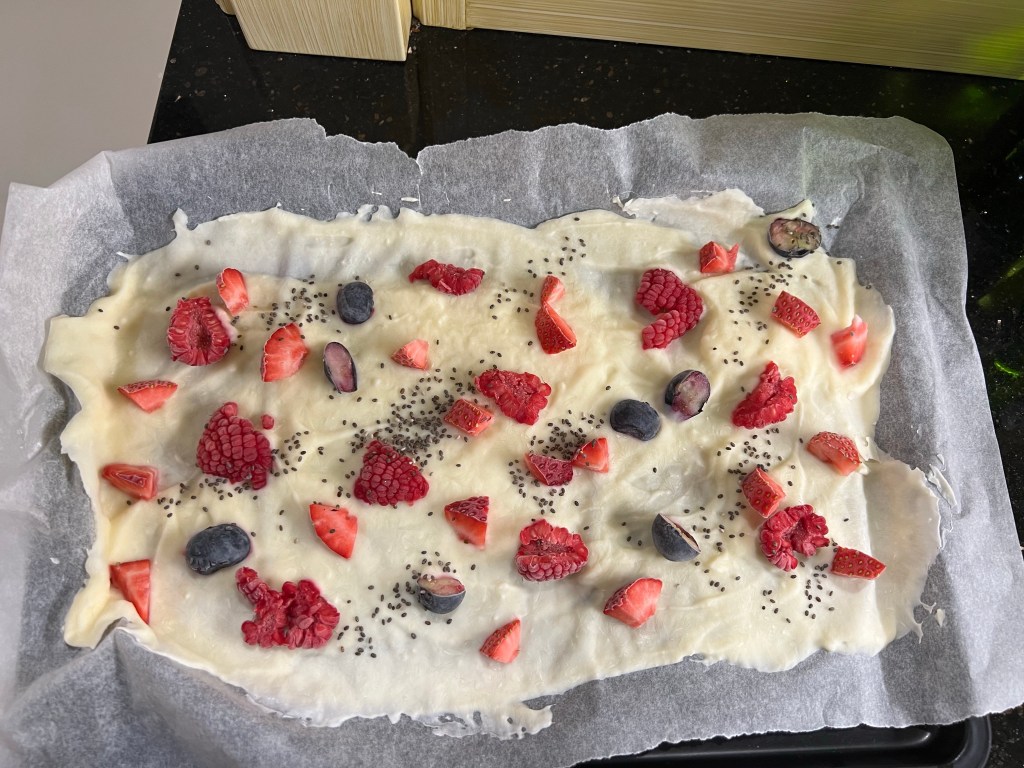
Now line the baking tray with foil and pour in the yogurt mixture. Spread the mixture, depending on how thick or thin you want the bark to be.

Now sprinkle the strawberries, raspberries and blueberries in the mixture and place the freezer for 3 hours or till completely frozen.

Now remove from the fridge and break the bark into pieces.

Store the bark in the freezer.