Welcome to Inside Out Wellbeing
Inside Out Wellbeing is dedicated to helping you nurture your body and mind from the inside out. We believe that true health begins within, and that the foods we eat, the herbs we use, and the lifestyle choices we make all play a powerful role in supporting physical and mental wellbeing.
Here, you’ll find practical guidance, gentle inspiration, and evidence-based insights on living a balanced, vibrant life. Our approach is holistic, approachable, and never preachy—designed to empower you to make choices that feel right for you.
To support your journey, we offer a 7-day audio meditation course accompanied by a guided journal, thoughtfully created to help you cultivate calm, clarity, and balance. Available to purchase now via the site.
I love to make yoghurt at home. Here is a simple recipe you can try too. Do let me know how you get on in the comments, below.
Ingredients:
1 litre whole milk
2 tbs of ‘live culture’ yoghurt
Method:
Heat the milk in a pan and bring to a boil.
Transfer the milk in to a thermos or steel pot; you can also use a natural clay terracotta pot if you have one. I use this as it keeps the mixture warm to turn into yoghurt.
Leave to cool until it is hand hot (approx. 46C)
Add the 2 tbs of yoghurt and mix well. Cover the pot and leave in a warm place for approx. 8-10 hours.
You could leave it to rest inside the oven on a very low heat. I just keep it overnight inside my microwave (turned off).
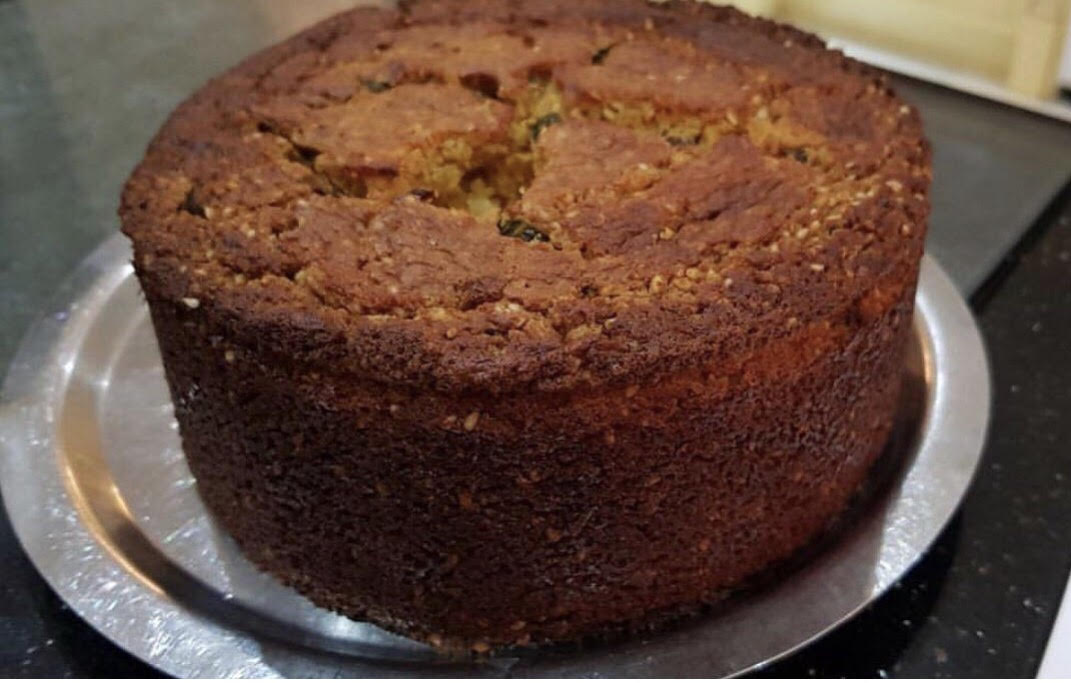
This savoury, lentil cake is made with rice and different lentils. It is has a crisp outer shell and is soft on the inside. This is quite easy to make but preparation is key as is using the exact measures. This is an old family recipe; I have grown up eating this and it always reminds me of my mother. Enjoy x
Recipe will serve 6
Ingredients:
1 cup rice
1/4 cup toor dahl
1/4 cup urad dahl split with skin
1/4 cup chana dahl
1.5 tspn turmeric
1 inch ginger chopped
1 green chili
1.5 tspn salt
2 tspn sugar
1/4 tspn asafoetida
1/2 cup yogurt
2 tbspns oil
1 cup butternut squash shredded
generous squeeze of half lemon
1 tspn Eno fruit salt
For Seasoning
1 tbspn oil
1 tspn mustard seeds
1/4 tspn asafoetida
1 tbspn sesame seeds
Also need
oil to grease the baking pan
8×8 baking pan
Method
Wash and soak rice and all the lentils in water for at least 4.5 hours.
After soaking, blend rice, lentils, ginger, green chili to a lightly coarse texture, (drain water beforehand). I use my food processor for this. Then add yoghurt, turmeric, salt, sugar and asafetida. Blend mixture again. Transfer the mixture into a bowl and let it ferment for about 11 hours.
Add the butternut squash, 2 tbspns of oil and lemon juice to the fermented lentil mix. Mix well. To make the savoury cake mix light and fluffy, we now add the Eno.
Grease the baking pan with oil and pour the fermented mix, spreading it evenly.
Sprinkle sesame seeds over the batter and set aside.
In a pan heat some oil and then add the mustard seeds. Once these begin to crack add the asafoetida, turn off the heat. Pour this seasoning over the sesame seed topped batter mix.
Cover the baking pan with foil and place it on the middle oven rack; bake at 200c, preheated oven for 20 mins.
Remove the foil and bake for a further 20 mins until top of the savoury cake is light golden brown.
Let the cake cool off for about 20 minutes. Cut them into desired pieces and serve with chutneys and a fresh green salad.
850g ripe tomatoes (halved or quartered depending on the size)
1 large red onion (cut into chunky slices)
3 red peppers (deseeded and cut into chunky pieces)
8 cloves garlic (left whole in their skins)
Generous coating of virgin olive oil
Sea salt
Black pepper
500ml vegetable stock
Chilli infused olive oil
Basil leaves
METHOD
Preheat the oven to 220C In a baking tray add the tomatoes, red peppers, onion and garlic; generously coat olive oil. Season it well with sea salt and black pepper. Mix it all around with your hands so that it is evenly coated.
Bake in the oven for about 30-35 minutes until the vegetables are roasted and look slightly charred.
Pick out the garlic from the roasted vegetables and squeeze the juicy garlic flesh out of the skin and discard skin.
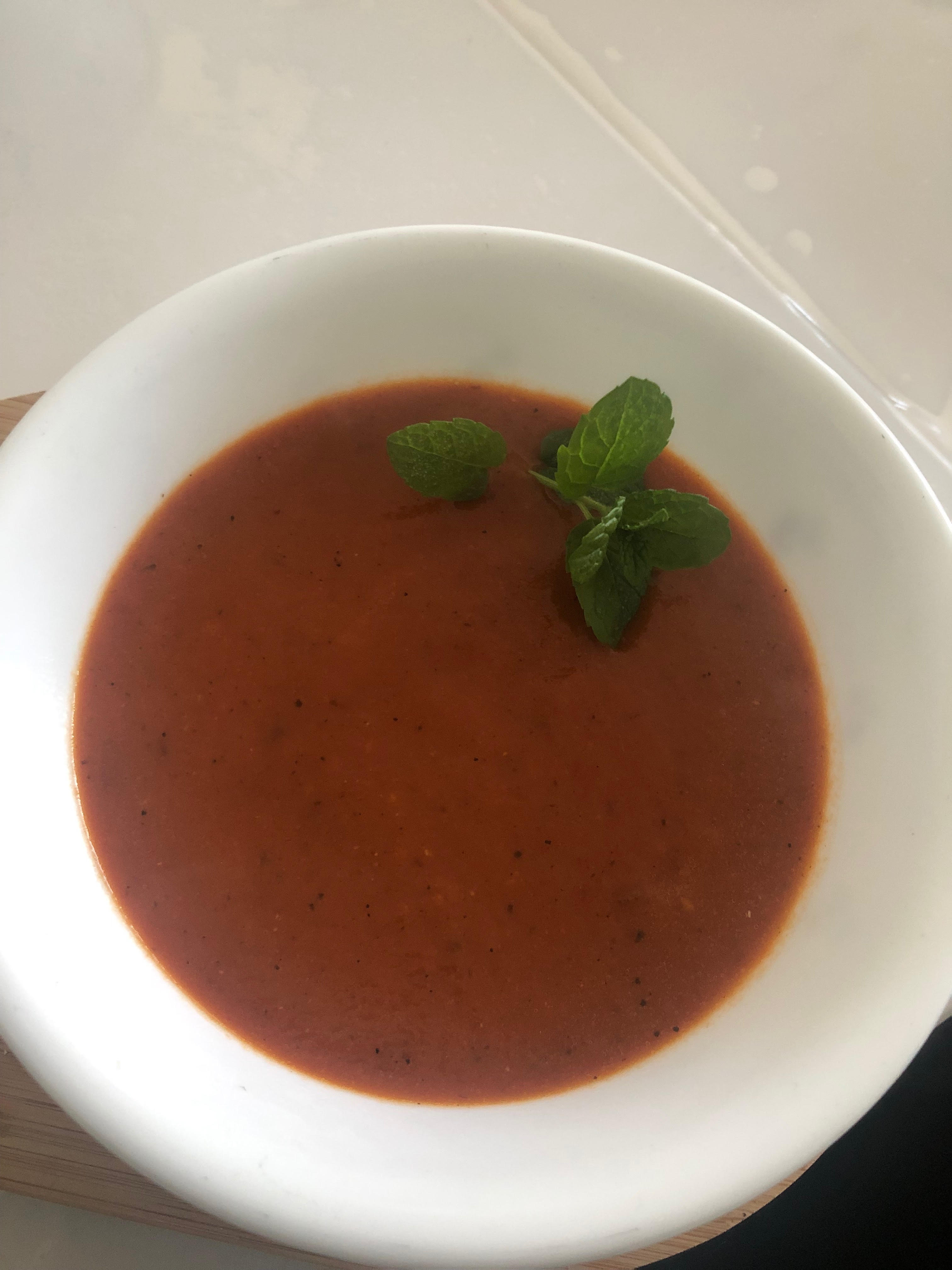
Boil the stock and add some chilli infused oil to it, and then add the vegetables and garlic
Puree with a hand blender to your preferred texture
Serve in bowl with a dash of chilli oil, basil to garnish.
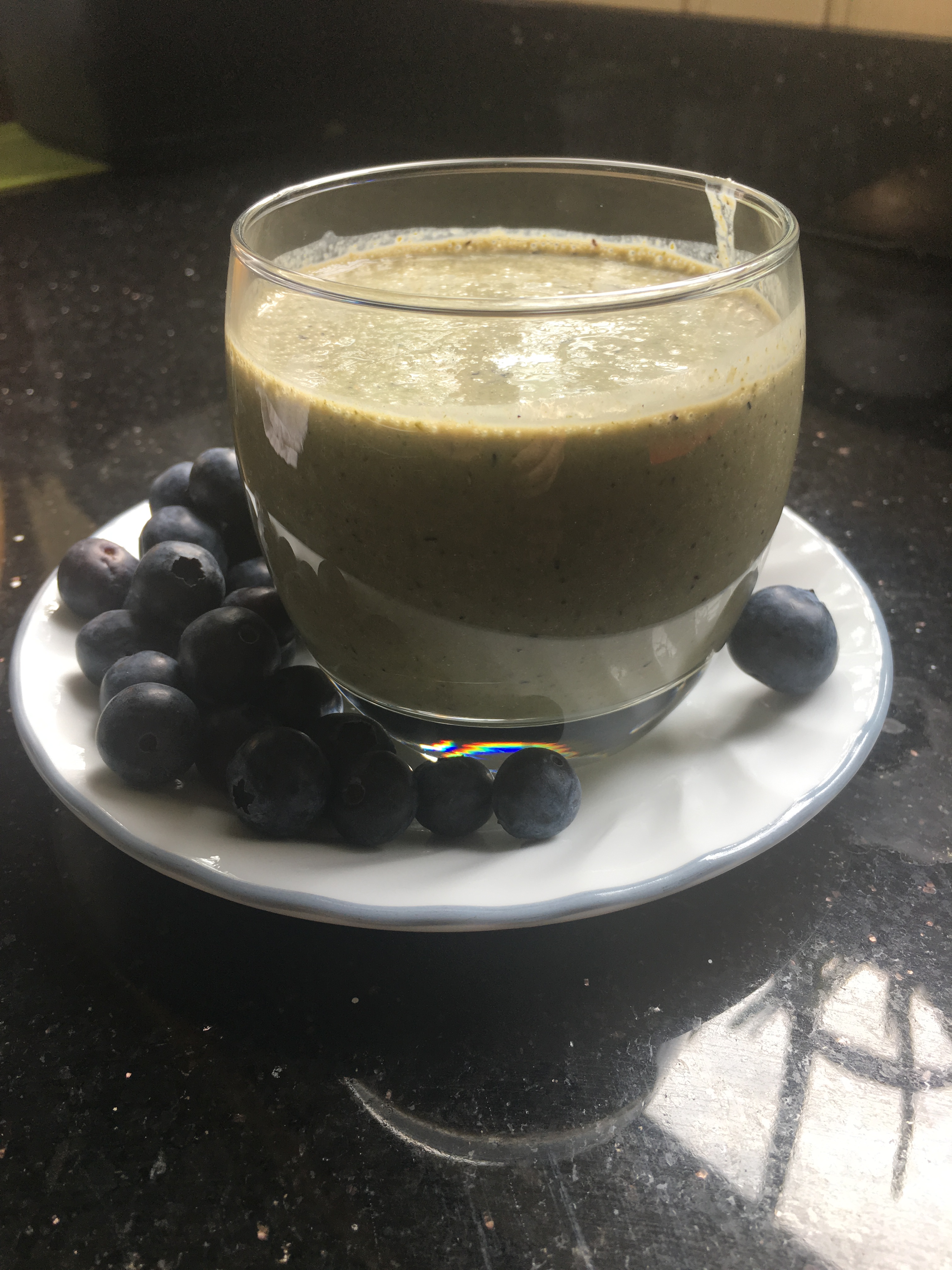
I love making healthy juices as a supplement to my diet. I love the taste, and feel so much better inside when I drink one of my health juices.
To get started with juicing at home I would recommend investing in a good juicer – it doesn’t have to be expensive! A Juicer will ‘juice’ your fruit/veg and separate the pulp from it; you throw out the pulp and drink the juice! Simple.
The above range of Juicers are all good quality and at different price ranges to suit your budget. All my juice recipes are created using a juicer. I usually use my blender to make smoothies or my Nutribullet which is also a blender that blends. It has all the pulp in it regardless of how much you blend it. It can’t turn into juice unless you separate the juice from the pulp.
My cooking inspiration has been Madhur Jaffrey and her recipe books are so super easy to follow; my all time favourite book of hers is, World Vegetarian Cookbook which is an Indian food recipe book. I love her style of writing, the stories she tells as she reveals each recipe. You can buy a copy on Amazon here: https://amzn.to/307HnhZ
Are you a vegetarian? Or maybe thinking about becoming a vegetarian and worried about how you will get protein into your diet without meat? After all protein is essential for our health.
Well fear not!
Believe it or not, there is plenty of non-meat foods that can introduce protein into your vegetarian diet so that you are not lacking in nutritional needs.
Vegetarians should always have as wide a variety of foods as possible to ensure they get enough protein in their diet. Here is a brief list of vegetarian foods that are a good source of protein:
Tofu
Quorn
Nuts
Lentils
Soy beans
baked beans
Red kidney beans
Haricot beans
Chickpeas
Dairy products also contain protein. Here’s a short list of how you can get your daily dose of protein with dairy:
Cheese
Milk
Yogurt
Eggs (I don’t eat eggs but if you do then they are a great source of protein)
Dairy products are higher in calories than the vegan (non dairy) sources of protein so they should be eaten in moderation, particularly if you are trying to lose weight (or keep the same weight!). You can of course buy low fat varieties of cheese and drink semi-skimmed or even skimmed milk, low fat yogurts and spreads.
Welcome to my food blog full of delicious vegetarian and vegan recipes; natural kitchen cupboard beauty treats and lifestyle tips on creating true wellbeing from the inside out.
Visit my website: http://www.lenajoshi.com for more information on my courses; podcast and events. Join me on social media, too.
When diet is wrong, medicine is of no use. When diet is correct, medicine is of no need. — Ayurvedic Proverb
Ever since I have changed over to a diet based on Ayurvedic principles, my life has changed! I have felt more healthier, stronger and lighter. I have more energy and I know the food I am putting into my body is showing in the brightness of my skin and literally the spring in my step. I have grown up with Ayurveda but somewhere from my teens throughout my twenties I made bad choices that come with a hectic lifestyle; with grief; with toxic living. Since re-introducing Ayurvedic recipes into my diet I have felt so much better from inside. So in this blog you will hear me talk about foods and spices you can eat to heal and nourish your body from the inside out. I want this to be a two way conversation, so message me, leave a comment, join me on social media and lets stay connected. Namaste.