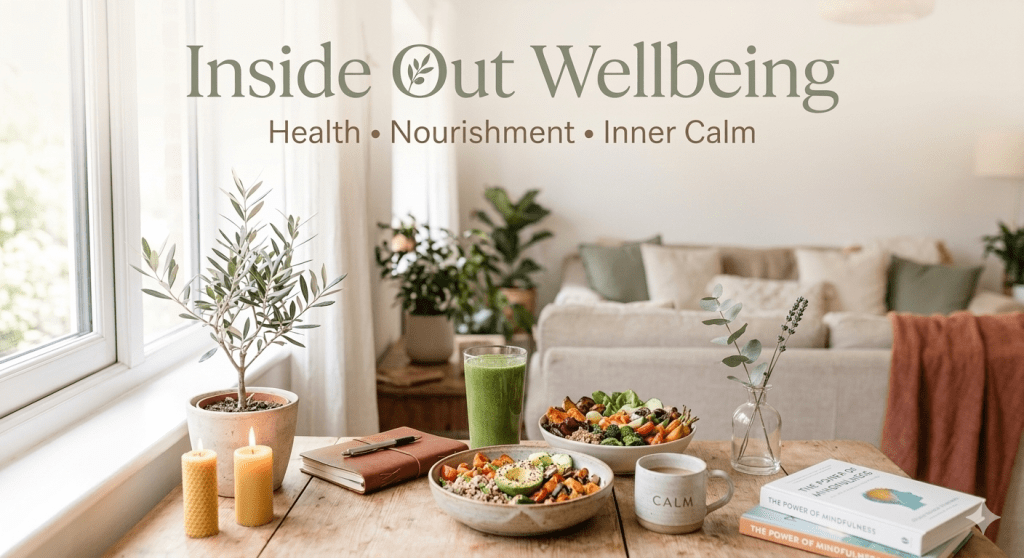
Welcome to Inside Out Wellbeing 

A New Chapter Rooted in Health, Nourishment & Inner Calm

If you’ve been part of my journey for a while, you’ll remember my blog Lena’s Kitchen Veggie Lena  a space filled with plant-based inspiration, wholesome recipes, and a love for nourishing food.

That chapter will always be special to me.

But as I’ve grown personally and professionally so has my vision. I’m so excited to officially welcome you to Inside Out Wellbeing.

Why the Rebrand?

Over the years, my work has expanded far beyond the kitchen.

As a qualified Nutrition Coach and Health & Wellness Coach, I’ve had the privilege of supporting people not just with what’s on their plate, but with how they feel in their bodies, how they manage stress, how they nourish their minds, and how they reconnect with themselves.

Food is powerful  but true wellbeing goes deeper.

I wanted a space that reflects the full picture:

🥦 Nourishing nutrition

🧠 Holistic health

🧘🏽‍♀️ Meditation & mindfulness

💚  lifestyle habits

Inside Out Wellbeing represents what I truly believe:

Real health starts from within.

When we support our inner world  our thoughts, stress levels, emotional health, gut health, nervous system  everything on the outside begins to shift.

What You Can Expect Here

This new space is about whole-person wellbeing.

You’ll still find nutrition guidance and realistic, nourishing food ideas. But you’ll also see more:

Practical wellness tools you can actually implement.

Mindset shifts for sustainable change.

Simple ways to reduce stress and feel calmer.

Meditation guidance

 (including my online course)

Honest conversations about balance 

This isn’t about extremes.

It isn’t about restriction.

It isn’t about chasing ideal health.

It’s about creating wellbeing that feels good, sustainable, and aligned with your real life.

Why “Inside Out”?

Because no amount of green smoothies can compensate for chronic stress.

No perfect meal plan replaces self-awareness.

No external routine creates lasting change without inner alignment.

When we:

regulate our nervous system

build supportive habits

nourish our bodies properly

create space to breathe

We transform from the inside out. That’s  the work I’m most passionate about now.

Thank You for Growing With Me

If you’ve been here since the Veggie Lena days — thank you.

If you’re new here — welcome.

Inside Out Wellbeing is more than a blog. It’s a space for grounded, realistic health. A space for women who want to feel energised, calm, strong, and connected  without overwhelm.

This rebrand isn’t about starting over. It’s about stepping fully into who I am now.

And I’m so glad you’re here for it.

With warmth,

Leena 

Nourishing Your Body: How Nutrition Can Help with PCOS

Polycystic Ovary Syndrome (PCOS) is a common hormonal disorder affecting people of reproductive age, characterised by irregular periods, excess androgen levels, and polycystic ovaries. Beyond its reproductive implications, PCOS can also lead to various metabolic and cardiovascular complications. While there’s no cure for PCOS, adopting a well-balanced diet can significantly alleviate its symptoms and improve overall health. In this blog, we’ll delve into how nutrition plays a crucial role in managing PCOS and nourishing your body effectively.

Understanding PCOS and its Dietary Implications:

PCOS disrupts the normal balance of hormones in the body, leading to insulin resistance, which in turn affects how the body processes glucose and regulates blood sugar levels. Insulin resistance is often a key factor in the development of metabolic disturbances such as type 2 diabetes and obesity, both of which are commonly associated with PCOS.

Moreover, individuals with PCOS often have higher levels of androgens, such as testosterone, which can lead to symptoms like acne, excessive hair growth, and weight gain. These hormonal imbalances make it essential to adopt a diet that helps regulate insulin levels and manage weight effectively.

The Role of Nutrition in PCOS Management:

Balancing Carbohydrates: 

Opting for complex carbohydrates with a low glycemic index can help stabilise blood sugar levels and improve insulin sensitivity. Foods like whole grains, legumes, vegetables, and fruits are excellent choices as they provide sustained energy without causing sharp spikes in blood sugar.

Healthy Fats: 

Incorporating healthy fats, such as those found in nuts, seeds, avocados, and fatty fish, can aid in hormone regulation and reduce inflammation associated with PCOS. Omega-3 fatty acids, in particular, have been shown to have beneficial effects in managing symptoms of PCOS.

Protein-Rich Foods: 

Including lean sources of protein, such as poultry, fish, tofu, and legumes, can help promote satiety and stabilise blood sugar levels. Protein also plays a crucial role in muscle building and repair, which is beneficial for individuals with PCOS who may be trying to manage their weight.

Faber-Rich Foods: 

Fibre helps slow down the digestion of carbohydrates, preventing rapid spikes in blood sugar levels. Additionally, fibre promotes satiety and aids in digestion, which can be beneficial for weight management. Foods like vegetables, fruits, whole grains, and legumes are excellent sources of dietary fibre.

Limiting Processed Foods and Added Sugars: 

Processed foods and those high in added sugars can exacerbate insulin resistance and promote inflammation. Avoiding sugary beverages, desserts, and highly processed snacks is crucial for managing PCOS symptoms and maintaining overall health.

Mindful Eating: 

Practicing mindful eating techniques, such as paying attention to hunger and fullness cues, can help prevent overeating and promote a healthy relationship with food. Mindful eating can also reduce stress levels, which may positively impact hormone balance in individuals with PCOS.

Hydration: 

Staying hydrated is essential for overall health and can aid in hormone regulation and digestion. Opt for water as the primary beverage choice and limit intake of sugary drinks and alcohol.

While PCOS presents unique challenges, adopting a nutrient-dense diet can significantly improve symptoms and overall well-being. By focusing on whole, unprocessed foods and prioritising nutrient balance, individuals with PCOS can better manage their hormonal imbalances, insulin resistance, and weight. Consulting with a registered dietitian or healthcare provider can provide personalised guidance and support in developing a nutrition plan tailored to individual needs. Remember, nourishing your body with the right foods is a powerful tool in managing PCOS and optimising health for the long term.