What is Veganism?

Veganism is the practice that excludes the use of all dairy and animal products, in the diet.

What to eat on a vegan diet?

◦ Fruits and vegetables.

◦ Legumes such as peas, beans, and lentils.

◦ Nuts and seeds.

◦ Breads, rice, and pasta.

◦ Dairy alternatives milk, yoghurt and cheese

◦ Vegetable oils.

Benefits of vegan Diet?

When it’s done and followed correctly, a vegan diet can help will the following:

◦ Promote weight loss

◦ Promotes Skin Health

◦ Reduce risk of heat disease.

◦ lowering cholesterol

◦ Manage diabetes by lowering A1C levels

When following a vegan diet, you have to make sure you are getting all the important essential nutrients. With a normal diet they are easily found in dairy and meat products. You’ll have to find alternatives to incorporate them into your new vegan lifestyle.

Ways to incorporate essential vitamins and protein into a vegan diet.

Iron: An excellent source of iron is found the the following plant base foods: include leafy green veg ( kale broccoli spinach), black-eyed peas, tofu and dried and fresh fruits.

Protein: Soy products like; (tofu and edamame) are an excellent source of protein as well as chickpeas and lentils.

Vitamin D: Fortified cereals, oat and orange juice are an excellent source. So are vegetables like mushrooms, Spinach, Kale, Okra and Collards. Soybeans and

White beans also high in vitamin D. 10 minutes of sunlight exposure daily can also give a good boost of vitamin D.

Vitamin B12: It can be it can’t be difficult to maintain a good level of vitamin B12 in a vegan diet, as it’s not found in plants. Forfeited fortified cereals, fortified rice and soy drinks are an excellent source of vitamin B12.

Essential fatty acids: To ensure a you’re getting your daily essential fatty acids dose, include whole grains grains and leafy green vegetables into your diet. (kale, spinach and collards). Also try and Snack on a handful of unsalted nuts, like almonds or walnuts.
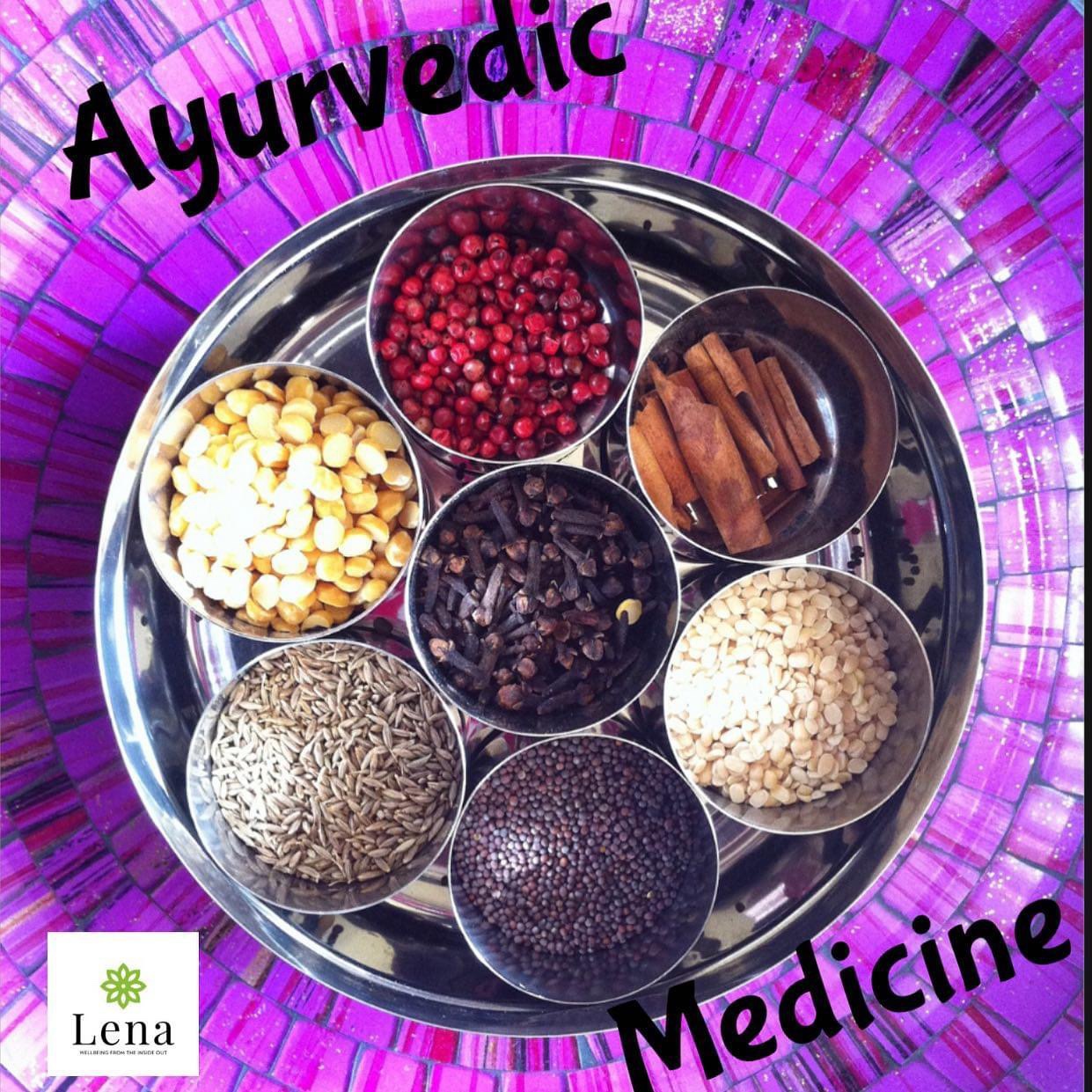
Ayurveda & Spices.

In Ayurveda, spices are used to ensure that food we eat is fully digested. Use spices liberally when cooking as they will give a boost to the digestive fire. The three Ayurvedic dosha (vata, pitta, and kapha) benefit from different spices.

Spices such as Turmeric Cumin, coriander fennel hing, black pepper cinnamon cardamon: are potent in Ayurveda, as it enhances digestion to avoid digestive’s disorders such as gas and bloating. It also boosts the metabolism and cleanses the am

Vegetarian Paella

I love the beautiful colours of a Paella dish so here is my version which is vegetarian and free of fish and meat! Also I might mention I cook mine in a Paellera which is a special Paella pan made of steel. You can get one from Amazon: https://amzn.to/2Jh0TSG

You can of course you any normal pan for this too so don’t worry too much! 🙂

Ingredients:

2 tablespoons virgin olive oil

3 cloves of garlic

1/2 onion finely chopped

1/2 of each of a green, red and yellow pepper

2 medium size tomatoes

1/2 cup of frozen peas

1/2 cup of frozen green beans

1 1/2 cups of Basmati rice (this is my preferred rice)

1 litre of homemade veg stock

2 teaspoons of Turmeric

1 teaspoon Paprika

Salt to taste

Method:

Heat the oil in a paellera or a pan over medium heat and when it’s hot, add the garlic, onion, red, yellow and green peppers (chopped). Cook until brown.

Add the chopped tomatoes and cook for another 5 minutes.

Add the frozen peas and beans to cook a further 5 minutes.

Add in the rice and cook until rice begins to look translucent. Pour the vegetable stock in (water will do if you do not have stock), add the turmeric powder, paprika, also add salt to taste.

Stir the paella until all the ingredients are mixed and cook over medium heat for 15 to 20 minutes or until the rice is cooked. Add more vegetable stock / water if the rice is still uncooked.

Let stand the paella (covered) for at least 10 minutes before serving.

Quick Lunchbox idea

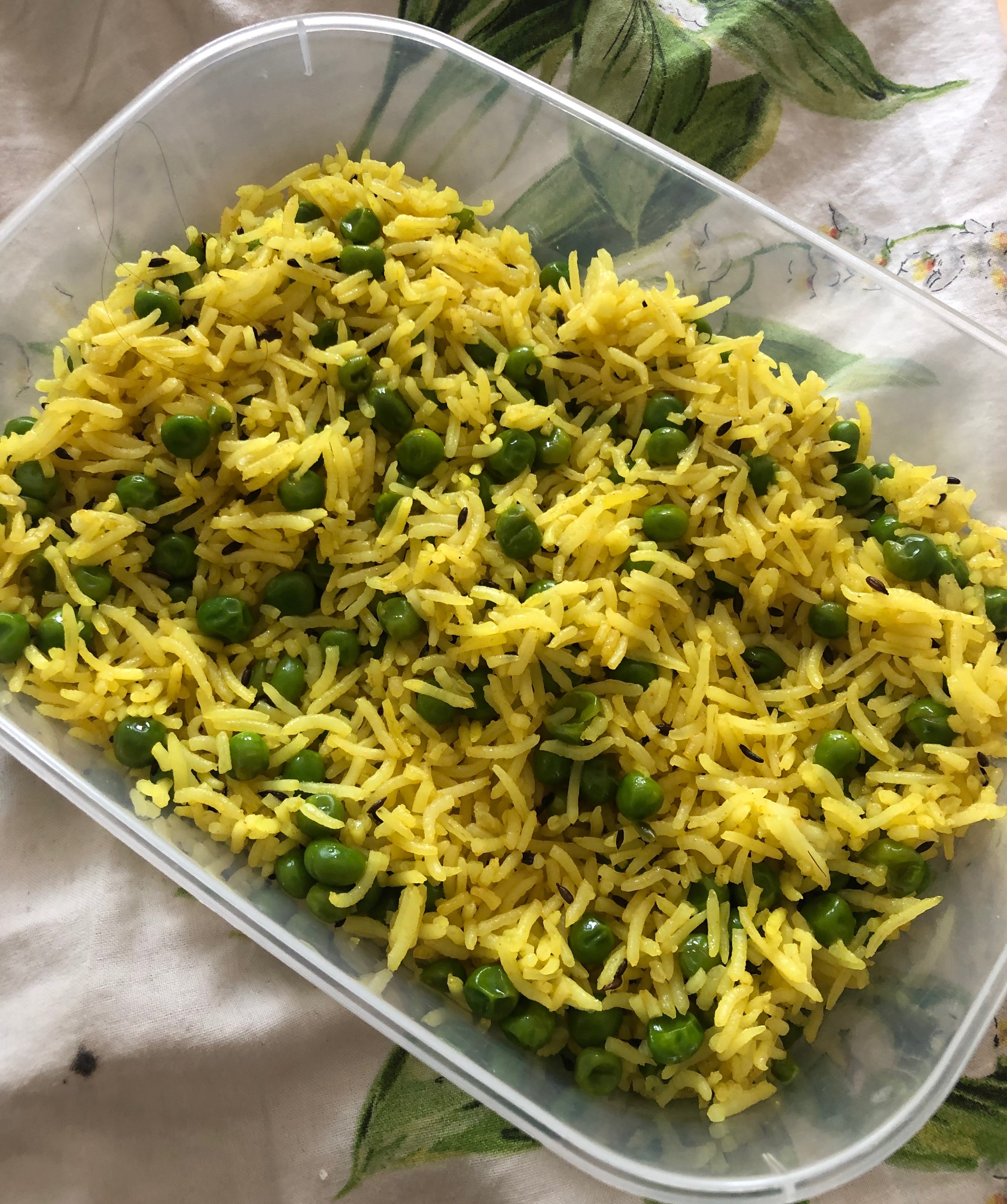
Preparing quick and easy meals for lunch is not only healthy but will stop you from snacking on bad foods and save you money in the process. Follow this quick recipe which can be made even quicker if you use Tilda’s ready made rice pouch! Rice is filling, gluten free and paired with peas & cumin adds flavour and nutrition to your lunch!

Ingredients:

1 cup Basmati rice

2 cups water

1/2 cup frozen green peas (I use Bird’s Eye Petit Pois)

2 tsp olive oil

1/4 tsp cumin

1/4 tsp turmeric

season with rock salt

Method:

Boil the rice in water until cooked. Wash the frozen peas in water to remove the ice.

In a frying pan heat oil and cumin seeds until they colour and crackle slightly.

Add the peas and cook for approximately 2 mins; add turmeric, season with salt to taste and mix well. Remove from the heat.

Once your rice is cooked and the water is drained – I use a steel colander for this – then add the peas to your rice and using a fork mix it well through the rice. The rice will get infused with the yellow colour from the turmeric. Enjoy with a blob of low fat Greek style or homemade yoghurt and a nice green salad.

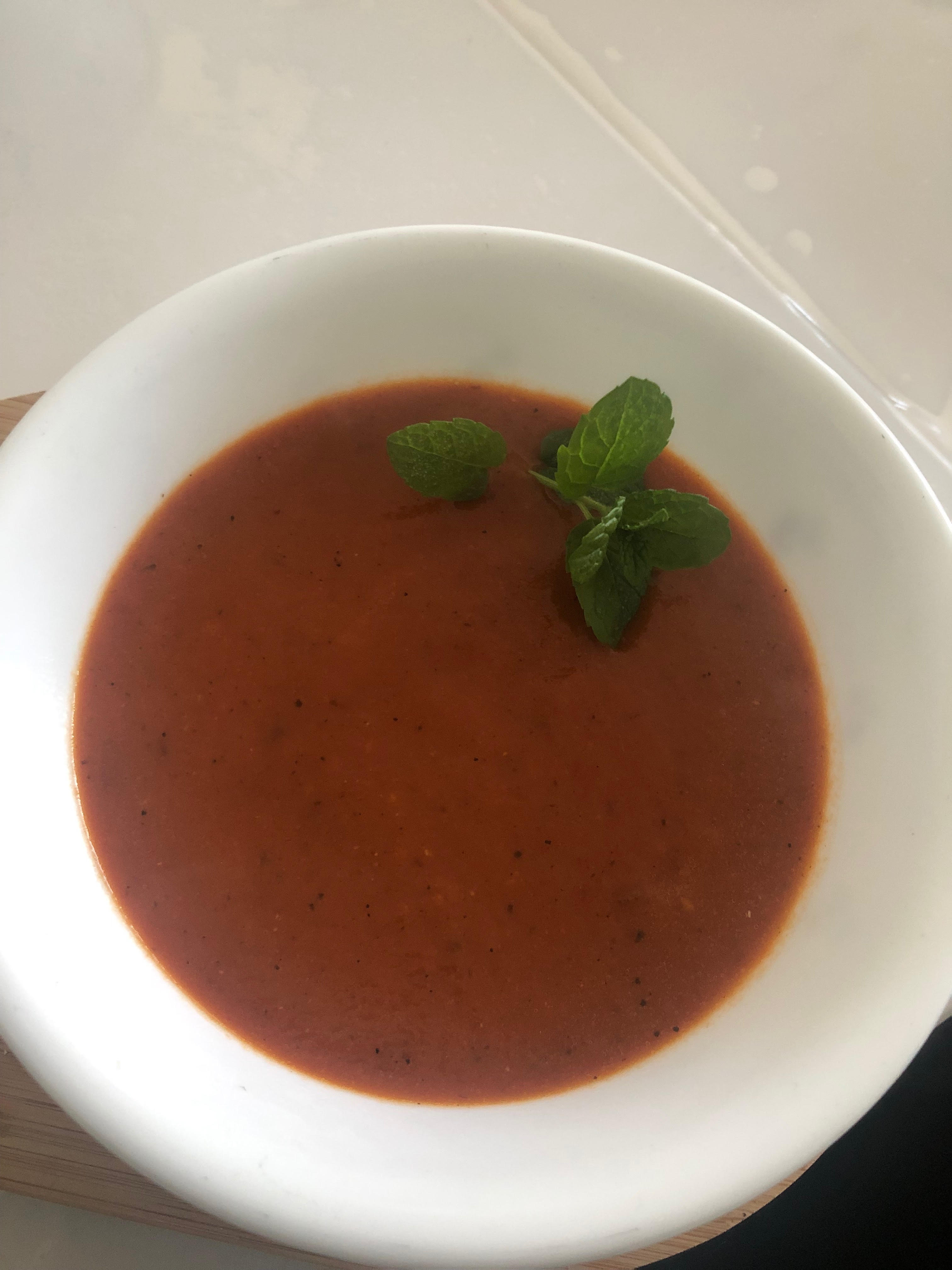
Roasted Red Pepper and Tomato Soup

Ingredients:

850g ripe tomatoes (halved or quartered depending on the size)

1 large red onion (cut into chunky slices)

3 red peppers (deseeded and cut into chunky pieces)

8 cloves garlic (left whole in their skins)

Generous coating of virgin olive oil

Sea salt

Black pepper

500ml vegetable stock

Chilli infused olive oil 

Basil leaves

METHOD

Preheat the oven to 220C In a baking tray add the tomatoes, red peppers, onion and garlic; generously coat olive oil. Season it well with sea salt and black pepper. Mix it all around with your hands so that it is evenly coated.

Bake in the oven for about 30-35 minutes until the vegetables are roasted and look slightly charred.

Pick out the garlic from the roasted vegetables and squeeze the juicy garlic flesh out of the skin and discard skin.

Boil the stock and add some chilli infused oil to it, and then add the vegetables and garlic

Puree with a hand blender to your preferred texture

Serve in bowl with a dash of chilli oil, basil to garnish. 

Roasted Red Pepper & Tomato Soup

Protein for Veggies

Are you a vegetarian? Or maybe thinking about becoming a vegetarian and worried about how you will get protein into your diet without meat? After all protein is essential for our health. 

Well fear not! 

Believe it or not, there is plenty of non-meat foods that can introduce protein into your vegetarian diet so that you are not lacking in nutritional needs.

Vegetarians should always have as wide a variety of foods as possible to ensure they get enough protein in their diet. Here is a brief list of vegetarian foods that are a good source of protein:

Tofu

Quorn

Nuts

Lentils

Soy beans 

baked beans

Red kidney beans

Haricot beans

Chickpeas

Dairy products also contain protein. Here’s a short list of how you can get your daily dose of protein with dairy:

Cheese

Milk

Yogurt

Eggs (I don’t eat eggs but if you do then they are a great source of protein)

Dairy products are higher in calories than the vegan (non dairy) sources of protein so they should be eaten in moderation, particularly if you are trying to lose weight (or keep the same weight!). You can of course buy low fat varieties of cheese and drink semi-skimmed or even skimmed milk, low fat yogurts and spreads.